
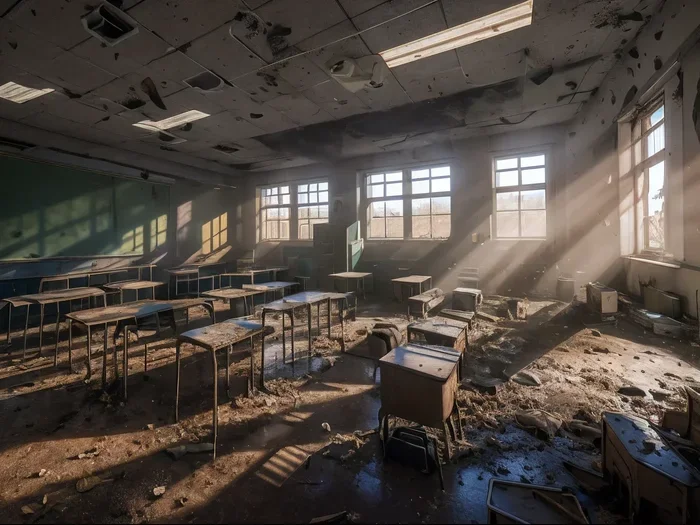
Several states consistently rank at the bottom of national education reports, with Mississippi, New Mexico, and Louisiana often cited as having the worst education system. Factors like low graduation rates, poor test scores, and inadequate funding drive these rankings. Understanding why these struggles exist helps us see what needs to change for America’s students.
When people ask which state has the worst education system, they are usually looking for a clear answer backed by data. The truth is, education quality varies a lot from state to state. Some states invest heavily in their schools, while others struggle to keep up with basic needs. In this article, we will walk through the states that rank lowest, the reasons behind their struggles, and what experts say about fixing the problem.
Education rankings matter because they affect real lives. Kids in low-performing states often face bigger challenges. They may attend schools with fewer resources, larger class sizes, and less support. Understanding these education rankings helps us push for change where it is needed most.
Key Takeaways
- Mississippi and New Mexico regularly appear at the bottom of national education rankings due to low test scores and graduation rates.
- Funding gaps between wealthy and poor districts play a huge role in shaping education quality.
- Teacher shortages and low pay make it harder for struggling states to attract and keep qualified educators.
- Standardized test scores and NAEP results are the most common metrics used to rank state education systems.
- Early childhood education access varies wildly by state and strongly impacts long-term student outcomes.
- Some states are improving through targeted policy changes and increased investment in public schools.
📑 Table of Contents
- What Does “Worst Education System” Actually Mean?
- States That Consistently Rank at the Bottom
- Why Do Some States Struggle with Education?
- How Are Education Rankings Measured?
- What Can Be Done to Improve Struggling School Systems?
- The Role of Community and Parental Involvement
- Final Thoughts on Education Rankings
What Does “Worst Education System” Actually Mean?
Before we dive into rankings, it helps to understand what makes an education system “bad.” There is no single measure. Instead, experts look at a mix of factors to judge school quality across the country.
Key Factors That Define Education Quality
Several metrics come into play when evaluators rank state education systems:
- Standardized test scores — These are the most common measure of student performance.
- Graduation rates — How many students finish high school on time?
- Dropout rates — High dropout numbers signal serious problems.
- Per-pupil spending — How much money does each student get?
- Teacher quality and pay — Are educators fairly compensated and well-supported?
- College readiness — Are students prepared for higher education?
- Literacy rates — Can students read at grade level by the right age?
No single state fails at all of these. But the states with the worst educational outcomes tend to perform poorly across most of these categories. It is like a chain — the weakest link determines how strong the whole thing is.
States That Consistently Rank at the Bottom
Several states show up year after year at the bottom of education reports. Let us look at the most commonly cited ones.
Mississippi
Mississippi has long been ranked as one of the worst states for education. The state’s student performance on national assessments has historically lagged behind the rest of the country. Low graduation rates and limited access to early childhood learning programs contribute to the problem. However, Mississippi has made some progress in recent years, showing that even struggling systems can improve.
New Mexico
New Mexico also ranks near the bottom. The state faces challenges like high poverty rates, large Indigenous and rural populations, and chronic education funding shortfalls. Many students in New Mexico attend schools that lack basic resources. The academic achievement gap between different student groups remains wide.
Louisiana
Louisiana rounds out the bottom three in many reports. The state has struggled with low-performing schools for decades. High dropout rates and below-average test scores paint a tough picture. Still, some Louisiana districts have shown improvement through focused reform efforts.
Alabama and Arizona
Alabama and Arizona also appear frequently on lists of the lowest-ranked states. Both face issues like teacher shortages, outdated school facilities, and uneven access to quality education. In Arizona, the gap between wealthy suburban districts and rural or urban ones is especially stark.
Why Do Some States Struggle with Education?
There is no single reason why some states have weak education systems. Instead, a combination of factors creates a cycle of underperformance. Think of it like trying to build a house on sand — without a strong foundation, everything else falls apart.
Funding Inequity
One of the biggest drivers of poor education quality is how schools are funded. Most public schools rely on local property taxes. This means wealthy neighborhoods raise more money for their schools, while poorer areas struggle to keep up. The result? A two-tier system where educational disparities grow wider every year.
States with low overall wealth simply cannot collect enough revenue to fund schools at the level needed. This leads to larger class sizes, outdated textbooks, and fewer extracurricular programs.
Teacher Shortages and Low Pay
Great teachers change lives. But in states with the worst education systems, attracting and keeping good educators is a constant battle. Low pay, difficult working conditions, and lack of support drive many teachers away. Some schools end up hiring underqualified staff just to fill seats.
When students do not have access to skilled, experienced teachers, their learning outcomes suffer. This is one of the most damaging cycles in American education today.
Poverty and Socioeconomic Factors
Poverty and education are deeply connected. Students from low-income families often start school behind their peers. They may face food insecurity, unstable housing, and lack of access to books or technology at home. Schools in high-poverty areas need more resources, not fewer, but that is often the opposite of what they get.
Lack of Early Childhood Education
Research shows that early learning programs set kids up for success. States that do not invest in pre-K and kindergarten readiness tend to see worse outcomes later on. Children who enter first grade without basic literacy and math skills often stay behind their peers for years.
How Are Education Rankings Measured?
Different organizations use different methods to rank state education systems. Understanding these methods helps us interpret the data more accurately.
The Nation’s Report Card (NAEP)
The National Assessment of Educational Progress, known as the “Nation’s Report Card,” is one of the most respected sources. It tests a sample of students in every state in reading and math. States with low NAEP scores tend to appear at the bottom of rankings.
Education Week Quality Counts
Education Week publishes an annual report card that grades each state on multiple factors. These include chance for success, school finance, and K-12 achievement. The combined score gives a broad picture of how well each state supports its students.
U.S. News and World Report
U.S. News ranks states based on a mix of student performance, graduation rates, and college readiness indicators. Their rankings are widely cited and give a good snapshot of where states stand.
What Can Be Done to Improve Struggling School Systems?
The good news is that no state is stuck forever. Even the states with the worst education system rankings can improve with the right approach. Here are some strategies that experts recommend.
Increase and Equalize Funding
States need to find ways to direct more money to the districts that need it most. Weighted funding formulas that account for poverty, English learners, and special needs can help level the playing field. When schools get the resources they deserve, students benefit.
Invest in Teacher Recruitment and Retention
Raising teacher pay, improving working conditions, and offering loan forgiveness programs can help attract top talent to the profession. Mentorship programs for new teachers also reduce burnout and turnover.
Expand Access to Early Learning
Universal pre-K programs have shown real results in improving long-term student outcomes. States that invest in early childhood education see better reading and math scores in later grades.
Use Data to Drive Decisions
Strong data systems help policymakers identify struggling schools early and target interventions. Like using building blocks of education to construct a stronger foundation, data-driven approaches allow leaders to address problems before they grow.
Some states have also started using metaphors for the Trinity of education reform — accountability, support, and resources — to frame their improvement strategies. This holistic approach treats each element as essential to the whole.
The Role of Community and Parental Involvement
Schools do not operate in a vacuum. Communities play a huge role in shaping education outcomes. When parents, businesses, and local organizations get involved, schools tend to do better.
Volunteering at schools, supporting after-school programs, and advocating for better funding all make a difference. Sometimes, the difference between a good school and a struggling one comes down to whether the community shows up. It is not just about education policy — it is about people caring enough to push for change.
Success Stories From Bottom-Ranked States
It is worth noting that some states once considered the worst have made real progress. Mississippi, for example, has seen steady gains in reading scores over the past decade. These improvements came from focused investment in literacy programs and teacher training. They prove that even the most challenged systems can turn things around with sustained effort.
Other states have used similes for education to reframe how they talk about their challenges. Comparing education reform to “planting seeds in tough soil” helps communities stay motivated even when progress is slow. These similes for the Trinity and similar frameworks remind us that growth takes time and patience.
Final Thoughts on Education Rankings
So, which state has the worst education system? The answer depends on how you measure it. Mississippi, New Mexico, and Louisiana frequently appear at the bottom, but rankings shift from year to year. More importantly, every state has room to grow. The real question is not just who is at the bottom — it is what we do about it.
Education is the foundation of a strong society. When we invest in our schools, we invest in our future. Whether it is through better funding, stronger support for teachers, or expanded early learning opportunities, every effort counts. Let us use these idioms for education as motivation to keep pushing forward — because every child deserves a chance to succeed.
The journey to better education does not happen overnight. It takes commitment, creativity, and collaboration. But the stakes are too high to give up. Our kids are counting on us to do better.
Frequently Asked Questions
Which state has the lowest education ranking in the US?
Mississippi, New Mexico, and Louisiana consistently rank among the lowest in national education reports. These states tend to have lower test scores, graduation rates, and per-pupil spending compared to the national average.
What factors determine a state’s education ranking?
Rankings are based on a mix of standardized test scores, graduation rates, dropout rates, per-pupil spending, teacher quality, and college readiness. Different reports weigh these factors differently, so rankings can vary between sources.
Can a state with a bad education system improve?
Yes. Many states once considered low-performing have made significant gains through targeted reforms. Increased funding, teacher support programs, and early childhood education investments have all driven improvements in states like Mississippi and Louisiana.
How does poverty affect education quality?
Poverty creates barriers to learning that schools must overcome. Students from low-income families often lack access to resources like books, technology, and stable housing. Schools in high-poverty areas need more funding and support to help these students succeed.
Why do teacher shortages hurt education rankings?
Without enough qualified teachers, class sizes grow and instruction quality drops. Schools in struggling states often hire underqualified staff, which directly impacts student learning and performance on assessments.
Are education rankings the same every year?
No. Rankings can change from year to year based on updated data and shifting policies. Some states move up or down depending on their progress in areas like funding, test scores, and graduation rates.
=== CONCLUSION ===
The search for which state has the worst education system leads us to states like Mississippi, New Mexico, and Louisiana. But the real story is more nuanced. Every state faces unique challenges, and every state has the potential to improve. By focusing on equitable funding, teacher support, early learning, and community involvement, we can work toward a future where every child in America has access to quality education.


