
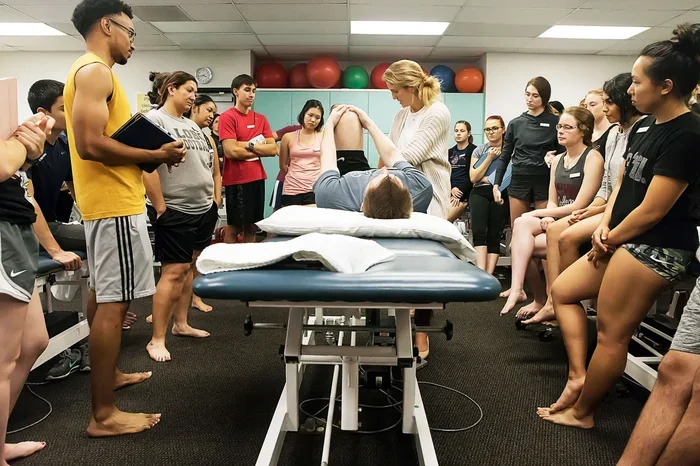
What education does a physical therapist need? The journey starts with a bachelor’s degree, followed by a Doctor of Physical Therapy (DPT) program from an accredited school. After graduation, aspiring therapists must pass a state licensure exam and complete clinical hours to practice professionally. Continuing education keeps skills sharp throughout a rewarding career in healthcare.
Have you ever wondered what education does a physical therapist need to enter this rewarding healthcare field? Physical therapy is a profession that combines science, hands-on care, and a deep understanding of the human body. It requires years of dedicated study, real-world clinical training, and a commitment to lifelong learning.
The path to becoming a physical therapist is not short, but it is absolutely worth it. Every step builds the knowledge and skills needed to help patients recover from injuries, manage chronic pain, and regain mobility. In this article, we will walk you through every stage of the educational journey. You will learn about degree requirements, licensing exams, specializations, and more.
Whether you are a high school student exploring career options or someone considering a career change, this guide has you covered. We will break down complex information into simple, actionable steps. By the end, you will have a clear picture of what it takes to become a licensed physical therapist in the United States.
Key Takeaways
- Doctor of Physical Therapy (DPT) Degree: A three-year doctoral program is the core requirement for becoming a licensed physical therapist.
- Accreditation Matters: Always choose a CAPTE-accredited program to ensure your degree meets professional standards.
- Licensing Exams Are Mandatory: The NPTE (National Physical Therapy Examination) is required in every state.
- Clinical Experience Is Essential: Hands-on patient care during residency and internships builds real-world skills.
- Continuing Education Keeps You Current: Licensed therapists must earn CE credits to maintain their credentials.
- Specializations Boost Career Growth: Board certification in areas like orthopedics or neurology opens higher-paying opportunities.
- Soft Skills Matter Too: Communication and empathy are just as important as textbook knowledge in patient care.
📑 Table of Contents
- Understanding the Educational Path to Becoming a Physical Therapist
- Doctor of Physical Therapy (DPT) Program
- Licensing and Certification Requirements
- Continuing Education: Staying Current in the Field
- Soft Skills and Personal Qualities Every Therapist Needs
- Specializations and Advanced Career Paths
- Common Mistakes to Avoid in Your Education Journey
- Quick Tips for Aspiring Physical Therapists
- Conclusion
Understanding the Educational Path to Becoming a Physical Therapist
The educational journey to become a physical therapist follows a clear and structured path. Each stage builds on the last, preparing you for the demands of clinical practice. Let us explore the key milestones in detail.
Bachelor’s Degree: The Foundation
Every physical therapist starts with a bachelor’s degree. This typically takes four years to complete at a college or university. While there is no single required major, most aspiring therapists choose fields like biology, kinesiology, anatomy, or health sciences.
During your undergraduate years, you will focus on prerequisite courses. These usually include:
- Anatomy and Physiology – understanding the human body
- Chemistry and Biology – foundational sciences
- Physics – biomechanics and movement
- Statistics – research and evidence-based practice
- Psychology – understanding patient behavior
Maintaining a strong GPA during this stage is important. Most DPT programs look for a minimum GPA of 3.0, though competitive programs often expect 3.5 or higher. Volunteer work or shadowing a licensed physical therapist is also highly recommended at this stage. It gives you a real feel for the profession and strengthens your application.
Doctor of Physical Therapy (DPT) Program
The DPT degree is the most important step in your education. This is a professional doctoral program that typically lasts three years. It is offered at accredited physical therapy schools across the country. The Commission on Accreditation in Physical Therapy Education, known as CAPTE, oversees all accredited programs.
Choosing a CAPTE-accredited program is non-negotiable. Without accreditation, your degree will not qualify you for licensure. Always verify a program’s accreditation status before applying.
What Does a DPT Program Cover?
A DPT program combines classroom learning with extensive hands-on training. The curriculum covers a wide range of subjects that every therapist needs to master. Here is a closer look at what you can expect:
- Musculoskeletal System: How bones, muscles, and joints work together
- Neuroscience: Understanding the nervous system and its role in movement
- Cardiovascular and Pulmonary Rehabilitation: Treating heart and lung conditions
- Therapeutic Exercise: Designing safe and effective exercise programs
- Biomechanics: Analyzing how the body moves during daily activities
- Patient Management and Clinical Reasoning: Making smart decisions in patient care
- Research Methods: Evaluating scientific studies to guide treatment
The first two years of a DPT program focus mostly on classroom and lab work. The final year is dedicated to clinical rotations. During these rotations, you work directly with patients under the supervision of licensed therapists. This hands-on experience is invaluable. It bridges the gap between theory and real-world practice.
Clinical Experience and Residencies
Clinical experience is a huge part of physical therapy education. Most DPT programs require students to complete at least 30 weeks of clinical rotations. These placements happen in hospitals, outpatient clinics, rehabilitation centers, and specialized facilities.
After earning your DPT degree, many therapists choose to complete a physical therapy residency. A residency typically lasts one year and provides advanced training in a specific area of practice. Think of it as an apprenticeship for new graduates. It helps you build confidence and deepen your expertise before practicing independently.
Some therapists also pursue fellowships after residency. Fellowships are more specialized and competitive. They focus on niche areas like sports rehabilitation, pediatric therapy, or women’s health. Both residencies and fellowships are excellent ways to stand out in a competitive job market.
Licensing and Certification Requirements
Education alone is not enough. Every state requires physical therapists to be licensed before they can practice. Licensing protects the public and ensures that all therapists meet a minimum standard of competence.
The National Physical Therapy Examination (NPTE)
The NPTE is the standardized exam that all aspiring physical therapists must pass. It is administered by the Federation of State Boards of Physical Therapy (FSBPT). The exam tests your knowledge across five key content areas:
- Musculoskeletal System – approximately 24% of the exam
- Neuromuscular System – approximately 20%
- Cardiovascular/Pulmonary System – approximately 24%
- Integumentary System – approximately 4%
- Equipment and Devices – approximately 8%
You can retake the NPTE up to five times within a rolling period. However, each attempt requires additional study and a waiting period. Preparing thoroughly before your first attempt is the best strategy. Many DPT programs include NPTE prep as part of their final-year curriculum.
State-Specific Requirements
Beyond the NPTE, each state has its own licensing board with additional requirements. These may include:
- Background checks
- Jurisprudence exams (tests on state laws and regulations)
- Application fees
- Continuing education submissions
It is important to check your specific state’s requirements early in the process. Rules can vary significantly from one state to another. The American Physical Therapy Association (APTA) website is a great resource for state-by-state information.
Continuing Education: Staying Current in the Field
Learning does not stop after you earn your license. The healthcare field evolves rapidly. New research, techniques, and technologies emerge every year. That is why continuing education (CE) is a requirement for all licensed physical therapists.
Most states require therapists to complete a certain number of CE credits every renewal period, typically every two years. These credits can be earned through:
- Workshops and seminars
- Online courses
- Conference attendance
- Research and publication
- Teaching and mentoring
Continuing education keeps your skills sharp and your knowledge up to date. It also opens doors to specialization. Many therapists pursue advanced certifications in areas like orthopedics, neurology, pediatrics, or geriatrics. Board certification through the American Board of Physical Therapy Specialties (ABPTS) demonstrates a high level of expertise in a chosen area.
Soft Skills and Personal Qualities Every Therapist Needs
Education gives you the technical foundation, but soft skills make the difference between a good therapist and a great one. Patients come to physical therapy during some of the hardest moments of their lives. A therapist must be more than just knowledgeable.
Think about similes for a person that describe someone reliable and caring. A physical therapist should be as patient as a saint and as strong as an ox when motivating patients through difficult exercises. These qualities are built through education and experience, not just innate talent.
Here are the key soft skills every physical therapist should develop:
- Communication: Explaining complex medical concepts in simple terms
- Empathy: Understanding what patients are going through emotionally
- Patience: Recovery takes time, and progress may be slow
- Problem-Solving: Adapting treatment plans to each unique patient
- Physical Stamina: The job often requires standing and lifting for hours
- Attention to Detail: Small changes in a patient’s movement can signal big improvements or setbacks
Many education programs now include training in communication and interpersonal skills. Some programs even use idioms for education as teaching tools to help students remember key concepts. For example, learning that knowledge is the key that unlocks every door reminds students that their education is their greatest asset.
Similarly, understanding metaphors for education helps students see learning in a new light. Education is often described as a journey, and in physical therapy, this is especially true. Every class, every clinical rotation, and every patient interaction is a step forward on that path.
Finally, qualities like being as dedicated as a teacher and as compassionate as a healer set apart the best therapists. These idioms for a person capture the heart of what it means to serve others in healthcare. Your education will teach you the science, but your character will define your career.
Specializations and Advanced Career Paths
Once you have your license and some experience, you may want to specialize. Specialization allows you to focus on a specific patient population or area of practice. It also often leads to higher earning potential and greater job satisfaction.
Popular Physical Therapy Specializations
There are many directions you can take your career. Some of the most popular specializations include:
- Orthopedic Physical Therapy: Treating bone and joint injuries
- Neurological Physical Therapy: Working with patients who have strokes, spinal cord injuries, or Parkinson’s disease
- Pediatric Physical Therapy: Helping children with developmental delays or congenital conditions
- Geriatric Physical Therapy: Addressing mobility and balance issues in older adults
- Cardiovascular and Pulmonary Rehabilitation: Assisting patients recovering from heart surgery or lung disease
- Sports Physical Therapy: Working with athletes to prevent and recover from sports injuries
Each specialization requires additional training and often board certification. The ABPTS offers certification in nine specialty areas. Earning a certification shows employers and patients that you have gone above and beyond the basic requirements. It is a strong investment in your professional future.
How Specialization Affects Your Education
Specialization typically requires post-professional education. This can include residencies, fellowships, or advanced certification courses. Some therapists also pursue master’s or PhD degrees if they are interested in research or teaching at the university level.
The beauty of physical therapy education is that it never truly ends. Every new certification or degree opens new doors. The field rewards curiosity and a genuine passion for helping others.
Common Mistakes to Avoid in Your Education Journey
Even the most motivated students can make missteps along the way. Here are some common mistakes to watch out for:
- Skipping prerequisite courses: Many students underestimate the importance of a strong science foundation. Take your undergraduate courses seriously.
- Choosing a non-accredited program: This is the fastest way to waste time and money. Always verify CAPTE accreditation.
- Neglecting clinical experience: Classroom knowledge is essential, but hands-on practice is where real learning happens. Seek out every clinical opportunity.
- Ignoring the NPTE: Do not wait until graduation to start studying for the licensure exam. Begin preparing during your DPT program.
- Forgetting about soft skills: Technical knowledge alone will not make you a great therapist. Work on your communication and empathy throughout your education.
- Stopping your education after licensing: The field changes fast. Commit to lifelong learning from day one.
Quick Tips for Aspiring Physical Therapists
Here are some practical tips to keep in mind as you navigate your educational path:
- Start early: Shadow a physical therapist while you are still in high school or college. It helps you confirm this is the right career for you.
- Build relationships: Network with professors, clinical instructors, and working therapists. These connections can lead to mentorship and job opportunities.
- Stay organized: DPT programs are demanding. Use planners, apps, or study groups to stay on top of coursework.
- Practice self-care: Burnout is real in healthcare education. Take breaks, exercise, and maintain a healthy work-life balance.
- Ask questions: There is no such thing as a silly question in education. Curious students learn the most.
- Explore financial aid options: DPT programs can be expensive. Look into scholarships, grants, and loan forgiveness programs early.
Conclusion
The journey to becoming a physical therapist requires dedication, hard work, and a genuine passion for helping others. From earning your bachelor’s degree to completing a DPT program, passing the NPTE, and obtaining state licensure, every step matters. Your education gives you the technical knowledge and clinical skills you need to make a real difference in people’s lives.
Remember that learning does not stop with your license. Continuing education, specializations, and advanced certifications keep you growing as a professional. The field of physical therapy is dynamic and always evolving. The best therapists are those who embrace lifelong learning.
If you are considering this career path, know that the investment in your education pays off in meaningful ways. Physical therapists enjoy job stability, competitive salaries, and the deep satisfaction of helping patients regain their quality of life. Start your journey today, and take the first step toward a fulfilling career in healthcare.
Frequently Asked Questions
What degree do I need to become a physical therapist?
You need a Doctor of Physical Therapy (DPT) degree from a CAPTE-accredited program. This doctoral program typically takes three years to complete after earning a bachelor’s degree. The DPT is the minimum educational requirement for licensure in all states.
How long does it take to become a licensed physical therapist?
The total timeline is typically seven to eight years. This includes four years for a bachelor’s degree and three years for a DPT program. After graduation, you must pass the NPTE and meet your state’s additional licensing requirements. Some therapists add one or more years for residencies or fellowships.
Can I become a physical therapist with an online degree?
Some DPT programs offer hybrid or online coursework, but clinical rotations must always be completed in person at approved facilities. Fully online physical therapy programs are not available because hands-on training is essential. Always verify that any program you consider is CAPTE-accredited.
What is the NPTE and how hard is it?
The National Physical Therapy Examination is a standardized test that all physical therapy graduates must pass to get licensed. It covers five content areas related to patient care and clinical decision-making. With proper preparation during your DPT program, most students pass on their first attempt.
Do physical therapists need to continue their education after getting licensed?
Yes, continuing education is required in every state to maintain your license. Most states require a specific number of CE credits every two years. These credits help therapists stay current with the latest research, techniques, and technologies in the field.
What is the difference between a physical therapist and a physical therapy assistant?
A physical therapist holds a DPT degree and is licensed to evaluate patients and create treatment plans independently. A physical therapy assistant typically holds an associate degree and works under the supervision of a licensed physical therapist. The education paths and scope of practice are different for each role.


