
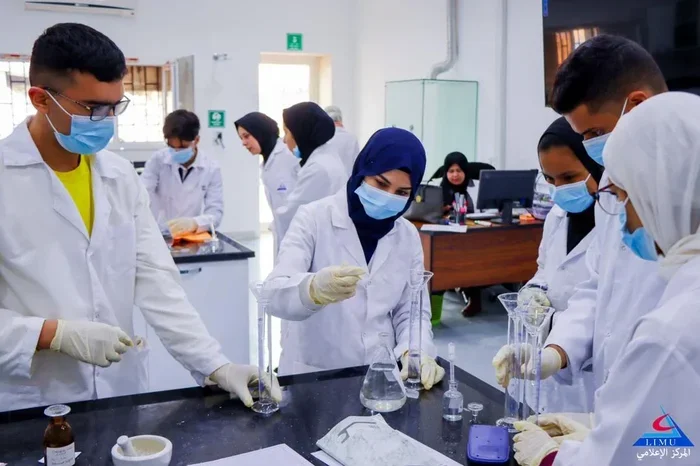
Becoming a pharmacist requires a strong educational foundation, including a Doctor of Pharmacy (PharmD) degree, hands-on clinical rotations, and passing licensing exams. You will need about six to eight years of higher education, starting with pre-pharmacy coursework and moving into specialized pharmacy training. This guide walks you through every step of the journey, from undergraduate prep to getting your license.
Have you ever wondered what education is needed to become a pharmacist? It is a career that blends science, healthcare, and patient care in a really meaningful way. Pharmacists play a vital role in helping people manage their medications and stay healthy. But getting there takes dedication, hard work, and a clear roadmap. This guide breaks down every step of the educational journey so you know exactly what to expect.
Many people think pharmacists just count pills behind a counter. The truth is so much different. Today’s pharmacists are healthcare professionals who advise doctors, manage drug therapies, and directly impact patient outcomes. To earn that level of responsibility, you need a robust pharmacy education that covers both classroom learning and real-world practice. Let us walk through it together.
Key Takeaways
- Doctor of Pharmacy (PharmD) Degree: This is the essential graduate-level degree required to practice as a licensed pharmacist in the United States.
- Pre-Pharmacy Education: Most pharmacy schools require two to four years of undergraduate coursework before you can apply.
- Licensing Exams: You must pass the North American Pharmacist Licensure Examination (NAPLEX) and a state-specific law exam.
- Clinical Rotations: Hands-on training in hospitals and community pharmacies is a core part of pharmacy school.
- Continuing Education: Pharmacists must complete ongoing learning to maintain their licenses throughout their careers.
- Specialization Options: After earning your PharmD, you can pursue residencies or fellowships in areas like oncology, pediatrics, or geriatrics.
- Timeline: The full journey typically takes six to thirteen years depending on your path and specialization goals.
📑 Table of Contents
Understanding the Pharmacy Education Path
The path to becoming a pharmacist is well-defined but requires several stages of learning. Each stage builds on the last, preparing you for the responsibilities of a licensed pharmacist. Think of it like building a house. You need a strong foundation before you can add the walls and roof.
Some people say that learning pharmacy is a lot like idioms for education — there are sayings and shortcuts that only make sense once you have been through the journey yourself. The same is true for pharmacy school. The real meaning of each course and each rotation clicks into place over time.
What Is a Pharmacist?
A pharmacist is a licensed healthcare professional who specializes in medications. They understand how drugs work, how they interact with the body, and how to safely dispense them. Pharmacists work in many settings, including community pharmacies, hospitals, clinics, and research labs.
They also counsel patients on proper medication use, check prescriptions for safety, and collaborate with doctors on treatment plans. In short, pharmacists are the medication experts on any healthcare team.
Why Does Education Matter So Much?
Medication errors can be life-threatening. That is why the pharmacy education requirements are so rigorous. Every course, every exam, and every clinical hour exists to make sure pharmacists can protect public health. The pharmacy licensing process ensures that only those who have proven their knowledge and skills can practice.
Education also opens doors. With the right degree and credentials, you can choose from many career paths. You could work in a retail pharmacy, manage a hospital pharmacy team, conduct drug research, or even teach the next generation of pharmacists.
Pre-Pharmacy: The Undergraduate Foundation
Before you can enter pharmacy school, you need to complete pre-pharmacy requirements. This is your undergraduate foundation. Most students spend two to four years in college before applying to a Doctor of Pharmacy program.
Think of pre-pharmacy as the metaphors for education stage — it is where you start seeing the bigger picture of what learning really means. You are not just checking boxes. You are building the knowledge base that will support your entire career.
Required Prerequisites
Every pharmacy school sets its own prerequisites, but most require a similar set of courses. Here is what you can typically expect:
- General Chemistry: Usually two semesters with lab components.
- Organic Chemistry: Two semesters covering molecular structures and reactions.
- Biology: General biology and often microbiology.
- Physics: One or two semesters.
- Calculus or Statistics: Math courses are essential for understanding drug dosing and pharmacokinetics.
- Human Anatomy and Physiology: Understanding the body systems is critical for pharmacy work.
- English or Communications: Pharmacists must communicate clearly with patients and healthcare teams.
Choosing the Right Undergraduate Major
You do not have to major in a science field to get into pharmacy school, but it helps. Common majors for pre-pharmacy students include biology, chemistry, biochemistry, and health sciences. Some students choose unrelated majors but still complete all the required science courses.
What matters most is your GPA and your performance in prerequisite courses. Pharmacy schools look closely at your grades in chemistry and biology. They also value extracurricular activities like volunteering at hospitals or working as a pharmacy technician.
Tips for Pre-Pharmacy Success
Here are some practical tips to keep in mind during your undergraduate years:
- Start early: Begin researching pharmacy schools in your first year so you know exactly what to expect.
- Build relationships: Get to know your professors. Strong letters of recommendation can make your application stand out.
- Gain experience: Work or volunteer in a pharmacy setting. This shows admissions committees you are serious about the field.
- Join pre-pharmacy clubs: These groups offer networking, mentorship, and resources that can guide your journey.
- Stay organized: Keep track of application deadlines, which often fall a year before your intended start date.
Doctor of Pharmacy (PharmD) Degree
The Doctor of Pharmacy degree is the core of your pharmacy education. This is a professional doctoral program that typically takes four years to complete. It is accredited by the Accreditation Council for Pharmacy Education (ACPE) and is required in all states to become a licensed pharmacist.
The PharmD program is intense. It combines deep scientific study with hands-on clinical training. You will learn about drug mechanisms, patient care, pharmacy law, and therapeutics. Many students compare the experience to studying similes for education — each concept is like a comparison that helps you see the bigger picture of how medications work in the real world.
Year One: Building the Scientific Base
The first year of pharmacy school focuses heavily on basic pharmaceutical sciences. You will study pharmacology, medicinal chemistry, pharmaceutics, and biochemistry. These courses teach you how drugs are designed, how they behave in the body, and how they are formulated into medications.
You will also begin your introduction to patient care. Courses in pharmacy law and ethics set the stage for understanding your responsibilities as a licensed professional. The first year is demanding, but it lays the groundwork for everything that follows.
Year Two and Three: Deepening Knowledge
In the second and third years, you dive deeper into therapeutic categories. You study how drugs treat specific conditions like diabetes, hypertension, infections, and cancer. You also learn about pharmacokinetics (how the body processes drugs) and pharmacodynamics (how drugs affect the body).
During these years, you start completing introductory pharmacy practice experiences (IPPEs). These are early clinical rotations where you work alongside licensed pharmacists in real healthcare settings. You might spend time in a community pharmacy, a hospital ward, or a clinic.
Year Four: Advanced Clinical Rotations
The final year is all about advanced pharmacy practice experiences (APPEs). These are longer rotations in specialized areas such as:
- Internal medicine
- Pediatrics
- Oncology
- Cardiology
- Geriatrics
- Psychiatry
- Ambulatory care
These rotations give you real-world experience and help you discover what area of pharmacy you want to pursue. Many students use this year to figure out their career direction. It is an exciting and sometimes challenging time.
Licensing Exams and Certification
Completing your PharmD is a huge accomplishment, but you are not quite a pharmacist yet. You must pass licensing exams to practice legally. The licensing process ensures that every pharmacist meets a national standard of competence and safety.
The NAPLEX Exam
The North American Pharmacist Licensure Examination (NAPLEX) is the primary licensing exam for pharmacists. It tests your knowledge of pharmacy practice, drug therapy, and patient safety. The exam includes multiple-choice questions that cover topics like:
- Medication dosing and administration
- Drug interactions and side effects
- Patient counseling and safety
- Pharmacy law and ethics
- Therapeutic guidelines
Most students spend several months preparing for the NAPLEX. Review courses, practice exams, and study groups are all popular strategies. Passing this exam is the biggest hurdle between you and your license.
State-Specific Law Exams
In addition to the NAPLEX, most states require you to pass a pharmacy law exam. This test covers state-specific regulations and laws governing pharmacy practice. The content varies by state, so you will need to prepare for the exam in the state where you plan to practice.
Additional Certifications
After you earn your license, you can pursue specialized certifications. These are not required but can boost your career and earning potential. Popular certifications include:
- Board Certified Pharmacotherapy Specialist (BCPS): Focuses on medication management and patient care.
- Board Certified Oncology Pharmacist (BCOP): For pharmacists specializing in cancer treatment.
- Board Certified Geriatric Pharmacist (BCGP): Focuses on medication care for older adults.
- Certified Diabetes Educator (CDE): For pharmacists who help patients manage diabetes.
Continuing Education and Career Growth
Becoming a pharmacist is not the finish line. It is the starting line. Pharmacists must complete continuing education (CE) credits every year to maintain their licenses. These requirements vary by state but typically range from 15 to 30 hours of CE per renewal period.
Continuing education keeps pharmacists up to date with the latest drug research, safety guidelines, and treatment protocols. The field of pharmacy is always evolving, and lifelong learning is a non-negotiable part of the profession.
Pharmacy Residency and Fellowship Programs
If you want to go deeper into a specific area of pharmacy, consider a residency or fellowship. These post-graduate programs provide advanced training and can lead to specialized roles. A residency typically lasts one to two years and focuses on clinical practice. A fellowship is more research-oriented and can last two to three years.
Residency and fellowship programs are competitive, but they open doors to careers in hospital pharmacy, academia, and the pharmaceutical industry. Many pharmacists find that these programs give them a significant edge in the job market.
Career Paths for Pharmacists
With a PharmD and a license, your options are wide open. Here are some common career paths:
- Community Pharmacist: Works in retail pharmacies like CVS or Walgreens, dispensing medications and counseling patients.
- Hospital Pharmacist: Works in a hospital or health system, managing medication therapies for inpatients.
- Clinical Pharmacist: Works directly with healthcare teams to optimize patient drug therapies.
- Pharmaceutical Industry Pharmacist: Works in drug development, regulatory affairs, or medical affairs.
- Academic Pharmacist: Teaches pharmacy students and conducts research at a university.
- Consultant Pharmacist: Advises healthcare facilities on medication management and safety.
Each path has its own rewards and challenges. The education you receive during your PharmD program and beyond prepares you for all of them.
Common Mistakes to Avoid
The journey to becoming a pharmacist is long, and many students make avoidable mistakes along the way. Here are a few to watch out for:
- Skipping pre-pharmacy research: Not all pharmacy schools have the same requirements. Research early so you do not waste time on unnecessary courses.
- Ignoring the PCAT or GPA: Many programs still consider these factors heavily. Strong grades and test scores improve your chances of acceptance.
- Neglecting clinical experience: Hands-on experience in a pharmacy setting is incredibly valuable for both your application and your confidence.
- Underestimating the NAPLEX: This exam is challenging. Start preparing early and do not rely on last-minute cramming.
- Forgetting about state-specific requirements: Each state has its own licensing rules. Make sure you know the requirements for the state where you want to practice.
Expert Insights on Pharmacy Education
We spoke with several licensed pharmacists about their educational journeys. Here is what they had to say:
Dr. Sarah Mitchell, Clinical Pharmacist: “The pharmacy program was tough, but every hour of study paid off. The clinical rotations were the most valuable part of my education. They showed me what real pharmacy practice looks like.”
Dr. James Lee, Hospital Pharmacist: “I wish I had started preparing for the NAPLEX earlier. It is a comprehensive exam, and giving yourself enough time to study makes all the difference.”
Dr. Maria Gonzalez, Pharmacy Professor: “Pharmacy education is about more than memorizing drugs. It is about learning how to think critically and care for patients. That mindset will serve you throughout your career.”
Conclusion
So, what education is needed to become a pharmacist? The answer is clear and structured. You need a strong undergraduate foundation, a Doctor of Pharmacy degree, hands-on clinical experience, and successful passage of licensing exams. The journey takes dedication and hard work, but the result is a rewarding and impactful career.
Pharmacy education opens doors to a profession that truly matters. Every pharmacist plays a role in keeping patients safe and improving health outcomes. If you are willing to put in the years of study and training, the rewards are well worth it.
Start by researching pharmacy schools near you. Talk to current students or licensed pharmacists. Build your pre-pharmacy plan today, and take the first step toward a career in pharmacy. The path is challenging, but it is also filled with purpose and opportunity.
Frequently Asked Questions
How long does it take to become a pharmacist?
It typically takes six to eight years after high school. This includes two to four years of undergraduate study and four years of pharmacy school. If you pursue a residency or fellowship, add one to three more years to the timeline.
Is the PharmD the same as a PhD?
No. The Doctor of Pharmacy (PharmD) is a professional doctorate focused on clinical practice and patient care. A PhD in pharmacy or pharmaceutical sciences is a research-focused degree. Both are valuable but serve different career paths.
Can I become a pharmacist without a PharmD?
In the United States, a PharmD is required in all states to become a licensed pharmacist. There are no alternative pathways to licensure at this time. If you want to work in pharmacy without a PharmD, consider becoming a pharmacy technician.
How much does pharmacy school cost?
Tuition varies widely. Public in-state pharmacy schools can cost around $20,000 to $40,000 per year. Private schools often charge $30,000 to $60,000 or more annually. Many students rely on federal loans, scholarships, and employer tuition assistance.
What is the difference between a pharmacist and a pharmacy technician?
A pharmacist holds a PharmD degree and a license to practice. A pharmacy technician assists pharmacists with dispensing medications and managing inventory. Technicians typically need a certificate or associate degree, not a full doctorate.
Do pharmacists need to pass the NAPLEX?
Yes. The NAPLEX is required for licensure in all U.S. states. It is the primary exam that tests your knowledge of pharmacy practice and patient safety. Most states also require a separate pharmacy law exam.


