
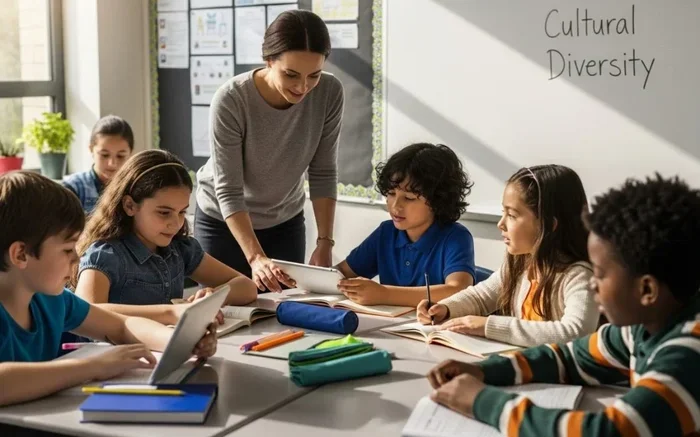
Education is the process of gaining knowledge, skills, and values through learning and teaching. It goes far beyond classrooms and textbooks to shape who we are and how we grow. Understanding what education truly means helps us appreciate its power in everyday life.
Have you ever stopped to think about what education really means? Most people hear the word and picture a classroom, a teacher, and a stack of textbooks. But education is so much bigger than that. It is the foundation of personal growth, social progress, and human potential.
In a world that changes faster every day, understanding the true meaning of education has never been more important. Whether you are a student, a parent, a teacher, or just someone who loves to learn, this guide will help you see education in a whole new light. Let us dive in and explore why learning matters so deeply in our lives.
Key Takeaways
- Education builds essential life skills: It equips people with knowledge, critical thinking, and problem-solving abilities that apply to real-world situations.
- Learning happens everywhere: Formal schooling is just one part. Informal and non-formal learning play huge roles in personal development.
- Education drives social and economic growth: It empowers individuals, reduces poverty, and strengthens communities.
- Technology is reshaping how we learn: Digital tools and online platforms have made education more accessible than ever before.
- Lifelong learning is the real goal: Education doesn’t stop after graduation. It continues throughout our entire lives.
- Emotional and social growth matter just as much: True education includes developing empathy, communication, and collaboration skills.
📑 Table of Contents
What Is Education? A Simple Definition
At its core, education is the process of acquiring knowledge, skills, values, and habits through study, experience, and teaching. It is not just about memorizing facts or passing tests. Real education transforms the way you think, feel, and act.
The word comes from the Latin “educare,” which means to draw out or bring up. That is a beautiful idea. Education does not just stuff information into your brain. It draws out your natural abilities and helps you grow into your best self.
Think about it this way. When a child learns to read, they are not just decoding words. They are unlocking entire worlds of imagination, knowledge, and opportunity. That is the real power of education at work.
The Different Forms of Education
Education comes in many shapes and sizes. Here are the main types you should know about:
- Formal education: This is the structured learning you get in schools and universities. It follows a set curriculum and leads to degrees or certifications.
- Informal education: This happens naturally through daily life. Reading a book, watching a documentary, or even having a deep conversation counts.
- Non-formal education: This includes organized learning outside of the traditional school system. Think of workshops, community classes, and online courses.
All three forms work together to create a well-rounded learning experience. No single type is better than the others. They each bring something valuable to the table.
Why Education Matters More Than Ever
We live in a time of rapid change. Technology is evolving, industries are shifting, and the global economy is more connected than ever. In this environment, education has become more critical than it has ever been.
Here is why education matters so deeply today:
- It prepares you for the modern workforce: Most jobs now require some level of specialized knowledge or technical skill. Education gives you that edge.
- It promotes critical thinking: In a world full of information and misinformation, the ability to think clearly and make informed decisions is invaluable.
- It fosters social equality: Access to quality education can break cycles of poverty and open doors that might otherwise stay closed.
- It builds confidence: When you know more, you feel more capable. That confidence spills over into every area of your life.
The educational system around the world is constantly adapting to meet new challenges. From digital classrooms to project-based learning, schools are finding fresh ways to keep students engaged and prepare them for the future.
The Connection Between Education and Personal Growth
One of the most powerful aspects of education is its impact on personal growth. When you learn something new, you are not just adding to your knowledge base. You are also building character, resilience, and curiosity.
Consider how learning a new language works. You start by struggling with grammar rules and awkward pronunciations. But over time, your brain adapts, your communication skills improve, and you gain a deeper appreciation for other cultures. That journey of growth is what education is all about.
Similarly, the way we use language to express ideas in learning environments matters greatly. The use of similes for education helps make complex ideas easier to understand, while metaphors for education can make abstract concepts feel more tangible and real. These literary tools enrich the learning experience and make education more engaging and memorable.
How Education Shapes Our Future
The impact of education reaches far beyond individual learners. It shapes entire communities, nations, and generations. When a society invests in quality education, everyone benefits.
Let us look at some key ways education influences our collective future:
- Economic growth: Educated populations tend to have higher productivity and innovation rates. This drives economic development and creates more opportunities for everyone.
- Healthier communities: Studies show that people with more years of education tend to make better health choices and live longer lives.
- Stronger democracies: An informed citizenry is the backbone of a healthy democracy. Education teaches people how to think independently and participate in civic life.
- Environmental awareness: Understanding science and sustainability through education empowers people to make choices that protect our planet.
The classroom of today looks very different from what it did even twenty years ago. Smartboards, tablets, and online resources have transformed the learning environment. Teachers now act more as guides and facilitators, helping students explore ideas rather than just delivering lectures.
The Role of Teachers in Modern Education
Teachers remain the heartbeat of any education system. They do more than deliver lessons. They inspire, mentor, and challenge students to reach their full potential. A great teacher can spark a lifelong love of learning in a single moment.
Effective education depends on the relationship between teachers and students. When that connection is strong, students feel safe to ask questions, make mistakes, and grow. This is where real learning happens.
Professional development for teachers is also essential. Educators who continue to grow and learn themselves are better equipped to pass on knowledge and adapt to new teaching methods. The best educational systems invest heavily in supporting their teachers.
The Power of Lifelong Learning
Here is a truth that many people overlook: education does not end when you graduate. The most successful and fulfilled people are those who embrace lifelong learning. They never stop asking questions or seeking new knowledge.
Lifelong learning can take many forms:
- Reading books and articles on topics that interest you
- Taking online courses to build new skills
- Attending workshops, seminars, or conferences
- Engaging in meaningful conversations with people from different backgrounds
- Practicing and reflecting on what you have learned every day
The beauty of lifelong learning is that it keeps your mind sharp and your spirit curious. No matter your age or background, you can always grow and learn something new. This mindset is what separates those who simply survive from those who truly thrive.
How to Build a Learning Habit
Building a strong learning habit does not have to be complicated. Start small and be consistent. Here are some simple tips:
- Set aside just 15 to 20 minutes each day for reading or studying.
- Choose topics that genuinely excite you. Curiosity is the best teacher.
- Use idioms for education and other expressive language to make your learning more vivid and memorable.
- Keep a learning journal where you write down new ideas and insights.
- Find a learning buddy or join a study group to stay motivated.
Over time, these small habits add up to enormous growth. You will be amazed at how much you can learn when you make it a regular part of your life.
Common Challenges in Education Today
Despite its incredible value, education faces many challenges in the modern world. Understanding these obstacles helps us find better solutions.
Some of the most pressing issues include:
- Access and inequality: Not everyone has equal access to quality education. Rural areas, low-income communities, and developing nations often lack proper resources and infrastructure.
- Engagement and motivation: Many students struggle to stay engaged in traditional learning environments. Boredom and disconnection lead to poor outcomes.
- Rapid technological change: While technology offers amazing opportunities, it also creates gaps. Not all students have access to devices or reliable internet.
- Mental health and well-being: The pressure to perform academically can take a toll on students’ mental health. Schools need to address this more effectively.
Addressing these challenges requires effort from governments, communities, families, and individuals. When we work together to remove barriers to education, everyone wins.
Quick Tips for Overcoming Learning Obstacles
- Break large topics into smaller, manageable chunks. This makes learning feel less overwhelming.
- Use visual aids like diagrams and videos to reinforce understanding.
- Do not be afraid to ask for help. Teachers, tutors, and peers are all valuable resources.
- Take regular breaks to rest your mind and avoid burnout.
- Celebrate small wins along the way to stay motivated.
Every learner faces obstacles at some point. The key is to keep going and find strategies that work for you. Education is a journey, not a destination.
The Future of Education
What will education look like in the years ahead? The future is exciting and full of possibility. Several trends are shaping the next generation of learning.
Personalized learning is one of the most promising developments. Instead of a one-size-fits-all approach, technology allows educators to tailor lessons to each student’s needs, pace, and interests. This means every learner can reach their full potential.
Other trends to watch include:
- Hybrid and blended learning models: Combining in-person and online instruction for maximum flexibility.
- Gamification: Using game elements like points and challenges to make learning more fun and engaging.
- Focus on soft skills: Communication, teamwork, and creativity are becoming just as important as academic knowledge.
- Global classrooms: Technology connects students from different countries, fostering cross-cultural understanding and collaboration.
The educational system is evolving to meet the needs of a diverse and dynamic world. The future belongs to those who embrace change and never stop learning.
Conclusion
Education is far more than just going to school. It is a lifelong journey of growth, discovery, and empowerment. From the classroom to the boardroom, from childhood to old age, education shapes who we are and who we can become.
In a world that grows more complex every day, the value of education cannot be overstated. It gives us the tools to think critically, solve problems, and contribute meaningfully to society. Whether you are just starting your learning journey or you have been learning for decades, there is always room to grow.
So embrace the power of education. Stay curious, keep asking questions, and never stop exploring. The future belongs to those who never stop learning.
Frequently Asked Questions
What is the true meaning of education?
Education is the process of gaining knowledge, skills, values, and habits through learning and teaching. It goes far beyond the classroom and includes all forms of personal growth and development that come from acquiring new understanding.
Why is education important in today’s world?
Today’s world changes rapidly, and education gives people the tools they need to adapt, think critically, and succeed. It opens doors to better careers, stronger communities, and a more fulfilling life. Without it, navigating the modern world becomes much harder.
What are the main types of education?
The three main types are formal education (schools and universities), informal education (learning through daily life), and non-formal education (organized learning outside traditional settings like workshops or online courses). Each type plays an important role in a person’s overall development.
How does education impact personal growth?
Education builds confidence, sharpens thinking skills, and broadens perspectives. It helps people understand themselves and the world around them better. Every new thing you learn adds to your personal growth journey.
Can education happen outside of a traditional classroom?
Absolutely. Some of the best learning happens through real-life experiences, conversations, reading, and exploration. Informal and non-formal learning are powerful ways to gain knowledge and skills without ever setting foot in a traditional classroom.
What does lifelong learning mean?
Lifelong learning means never stopping your pursuit of knowledge and growth, no matter your age or stage in life. It is the belief that education is not just for students but for everyone, every day, throughout your entire life.


