
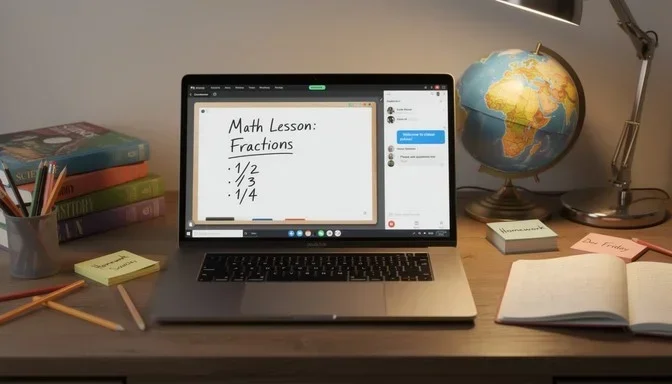
Distance education lets you learn from anywhere using the internet and digital tools. It offers flexible schedules, lower costs, and access to courses you cannot find locally. This guide covers everything you need to know, from how it works to choosing the right program for your goals.
Key Takeaways
- Flexible Learning: Study on your own schedule from any location with an internet connection.
- Cost Savings: Save money on commuting, housing, and campus fees.
- Wide Range of Programs: Access hundreds of courses and degrees from top institutions worldwide.
- Technology-Driven: Uses video, apps, and online platforms to deliver lessons effectively.
- Works for Everyone: Great for working professionals, parents, and lifelong learners.
- Requires Self-Discipline: Success depends on time management and personal motivation.
📑 Table of Contents
- What Is Distance Education?
- How Distance Education Works
- Benefits of Distance Education
- Challenges of Distance Education and How to Overcome Them
- Who Can Benefit from Distance Education?
- Distance Education vs Traditional Education
- The Future of Distance Education
- How to Choose the Right Distance Education Program
- Conclusion
What Is Distance Education?
So, what is distance education exactly? Simply put, it is a way of learning where you and your teacher are not in the same place. You use technology to connect, attend classes, submit work, and earn degrees or certificates. All of this happens remotely, often through a computer or mobile device.
Distance education has been around for a long time. In the past, it meant mail-based courses. Today, it means online learning, live video classes, and interactive digital platforms. The idea is simple: you get a quality education without stepping foot on a campus.
This form of learning has grown fast in recent years. More schools and universities now offer online degree programs. Students from every corner of the world can access the same courses. Whether you want to learn a new skill or earn a full degree, distance education makes it possible.
The beauty of this approach is its flexibility. You can study at night, on weekends, or during your lunch break. You set the pace. This is why millions of people choose remote education over traditional classroom settings every year.
How Distance Education Works
Understanding how distance education works is the first step toward success. The process is simpler than you might think. Most programs use a learning management system, or LMS. This is a website where you find all your courses, materials, and assignments.
Here is how a typical day looks in a virtual classroom:
- You log in to your course platform.
- You watch a recorded or live lecture.
- You read digital materials and complete tasks.
- You interact with classmates through forums or chat.
- You submit assignments and receive feedback online.
Some programs use live video calls. Others rely on pre-recorded lessons. Many use a mix of both. This mix is often called blended learning. It gives you the best of both worlds: real-time interaction and the freedom to learn at your own speed.
Types of Distance Learning Models
Not all distance education looks the same. There are several models you should know about:
- Asynchronous Learning: You access lessons and complete work on your own time. There are no set live sessions. This is ideal if you have a busy schedule.
- Synchronous Learning: You attend live classes at specific times. You interact with your teacher and classmates in real time. Think of it like a regular class, but online.
- Hybrid Learning: This combines online and in-person sessions. You might attend campus once a month and do the rest remotely.
- Self-Paced Learning: You move through the material at your own speed. There are no deadlines in many cases. This model suits independent learners very well.
Each model has its strengths. Your choice depends on your lifestyle, goals, and how you learn best. Many learners find that mixing models gives them the most balance.
Technology Behind Remote Learning
Technology is the backbone of distance education. Without it, remote learning would not exist. Here are the key tools you will use:
- Learning Management Systems (LMS): Platforms like Moodle, Canvas, and Blackboard hold all your course content.
- Video Conferencing Tools: Zoom, Google Meet, and Microsoft Teams let you attend live classes.
- Cloud Storage: Google Drive and Dropbox make it easy to share and store files.
- Communication Apps: Slack, Discord, and email keep you connected with classmates and teachers.
- Mobile Apps: Many platforms offer apps so you can learn from your phone or tablet.
These tools make digital education feel almost like being in a real classroom. The right setup can make your learning experience smooth and enjoyable.
Benefits of Distance Education
There are many reasons why people choose distance education over traditional schooling. Let us look at the biggest benefits.
Flexibility and Convenience
This is the number one reason people love remote learning. You can study from home, a coffee shop, or even while traveling. You do not need to commute or follow a rigid schedule. This academic flexibility is a game changer for working adults and parents.
Imagine finishing your degree while keeping your full-time job. That is the power of online learning. You build your education around your life, not the other way around.
Lower Costs
Distance education often costs less than traditional programs. You save money on:
- Commuting and parking
- Housing and room and board
- Campus activity fees
- Textbooks (many courses use free digital materials)
Some online programs also offer lower tuition rates. Over time, these savings add up. This makes quality education more accessible to a wider range of people.
Access to a Wider Range of Courses
With distance education, geography is no longer a barrier. You can enroll in courses from universities in other countries. Want to study art in Paris or business in Tokyo? You can do that from your living room. This opens doors that traditional education simply cannot.
Many platforms also offer short courses and certificates. These are great for building specific skills quickly. You can explore new fields without a long-term commitment.
Self-Paced Learning
Some people learn fast. Others need more time. Distance education respects both styles. You can pause a lecture, rewatch a difficult concept, or speed through material you already know. This self-paced learning approach leads to better understanding and retention.
For those who want to speed up their education, this is a huge advantage. You can finish courses faster than a traditional semester allows.
Challenges of Distance Education and How to Overcome Them
Distance education is not without its hurdles. Let us look at the common challenges and how you can tackle them.
Staying Motivated
Without a physical classroom, it can be hard to stay on track. You do not have a teacher standing over you. There are no classmates pushing you to keep up. This is a real challenge, but it is manageable.
Here are some tips to stay motivated:
- Set clear goals for each week.
- Create a dedicated study space at home.
- Join online study groups for accountability.
- Reward yourself after completing milestones.
- Use a planner or calendar to track deadlines.
Remember, motivation is a habit, not a feeling. Build routines that keep you moving forward.
Technical Issues
Not everyone has a perfect internet connection or the latest laptop. Technical problems can disrupt your learning. The good news is that most platforms work on basic devices. You do not need a top-of-the-line computer to succeed.
If you face tech challenges, talk to your school. Many programs offer loaner devices or low-cost internet options. Always have a backup plan, like downloading lessons for offline viewing.
Feeling Isolated
One downside of remote learning is the lack of face-to-face interaction. You might feel alone at times. But many programs now offer virtual community spaces, discussion boards, and group projects. These tools help you build connections with classmates from around the world.
Pro tip: Reach out to your instructors early and often. They want to see you succeed. Building a relationship with your teachers makes a big difference in your learning experience.
Who Can Benefit from Distance Education?
Distance education is not just for one type of learner. It works for a wide range of people:
- Working Professionals: You can earn a degree or certification while keeping your job. Many programs offer evening and weekend classes.
- Parents: Stay home with your children and still pursue your education. Study during nap times or after bedtime.
- Students in Remote Areas: Access courses that are not available in your local area. Quality education should not depend on your zip code.
- Lifelong Learners: Want to pick up a new hobby or skill? Short online courses are perfect for curious minds.
- People with Disabilities: Remote learning removes physical barriers. You can learn from the comfort and safety of your home.
No matter who you are, there is likely a distance education program that fits your needs. The key is to find the right fit and commit to your goals.
Distance Education vs Traditional Education
How does distance education compare to the traditional classroom experience? Let us break it down.
| Factor | Distance Education | Traditional Education |
|---|---|---|
| Location | Learn from anywhere | Must be on campus |
| Schedule | Flexible, self-paced | Fixed class times |
| Cost | Generally lower | Higher overall |
| Interaction | Digital and virtual | Face-to-face |
| Access to Courses | Global reach | Limited to local offerings |
| Self-Discipline Required | High | Moderate |
Neither option is better overall. They are just different. Choose based on your lifestyle, goals, and learning style. Both paths can lead to a great education and a successful career.
The Future of Distance Education
The future of distance education looks bright. More and more institutions are investing in online programs. Technology continues to improve, making remote learning more engaging and effective every year.
Artificial intelligence is already playing a role. AI tutors can give you personalized feedback. Virtual reality can create immersive learning experiences. These advances will make e-learning even more powerful in the years ahead.
As the world becomes more connected, distance education will continue to grow. It is no longer a backup plan. It is a mainstream choice for millions of learners worldwide. If you have been thinking about enrolling in a program, now is a great time to start.
Quick Tips for Success in Distance Education
Want to make the most of your remote learning journey? Follow these quick tips:
- Set up a routine. Study at the same time each day to build a habit.
- Create a dedicated workspace. A quiet, organized space boosts focus and productivity.
- Stay connected. Join forums, groups, and study circles to avoid isolation.
- Communicate with your teachers. Ask questions early. Do not wait until you are stuck.
- Use all available resources. Tutoring, library access, and tech support are often free for online students.
- Be patient with yourself. Learning a new way to study takes time. Give yourself grace.
These small steps can make a big difference in your experience. Consistency beats perfection every time.
Common Mistakes to Avoid
Here are some pitfalls that new distance learners often face:
- Skipping orientations: Most programs offer a start-up guide. Do not skip it. It will save you time later.
- Not reading the syllabus: The syllabus is your roadmap. Know the deadlines, expectations, and grading criteria from day one.
- Waiting until the last minute: Procrastination hits harder in remote learning. Break tasks into small chunks and tackle them early.
- Isolating yourself: Distance does not mean alone. Reach out to classmates and instructors regularly.
- Ignoring tech setup: Test your equipment, internet, and platform access before your first class.
Avoiding these mistakes will set you up for a smoother and more enjoyable learning experience.
Expert Insights on Remote Learning
Educators who have taught online courses for years share one common thought: distance education works when students take ownership of their learning. Just like how a good teacher uses similes for education to make lessons vivid and memorable, great online instructors use creative tools to bring material to life and keep students engaged.
Similarly, metaphors for education help bridge abstract concepts and real-world understanding, especially in virtual settings where hands-on experience may be limited. Instructors who weave these language techniques into their digital lessons often see higher engagement and better retention among remote learners.
One professor shared this insight: “The best online students are the ones who treat their home study space like a real classroom. They show up, they participate, and they follow through.” This mindset is at the heart of successful distance education.
Another expert added: “Do not be afraid to ask for help. Online instructors expect questions. That is part of the process.” This reminder shows that communication is just as important in remote learning as it is in a physical classroom.
Some programs also incorporate idiomatic language exercises to build real-world communication skills. For example, exploring idioms for education helps learners understand the cultural and practical side of language, making them more confident in both academic and professional settings.
These insights highlight a key truth: success in distance education depends not just on technology, but on mindset, communication, and active participation.
How to Choose the Right Distance Education Program
Not all programs are created equal. Here is what to look for when choosing a distance education program:
- Accreditation: Make sure the school is accredited. This ensures your degree or certificate is recognized by employers and other institutions.
- Course Format: Do you prefer live classes or self-paced lessons? Choose a program that matches your style.
- Support Services: Look for programs that offer tutoring, tech support, and career services.
- Cost and Financial Aid: Compare tuition and explore scholarships and grants available for online students.
- Reputation: Read reviews and talk to alumni. A good reputation goes a long way in the job market.
Take your time. Research a few programs before making your final decision. The right fit will make your learning journey much more rewarding.
Conclusion
Distance education has changed the way people learn. It removes barriers and opens doors that were once closed. Whether you are a working professional, a parent, or simply someone who loves to learn, remote education offers a flexible and affordable path to your goals.
The tools are there. The programs are growing. The opportunities are endless. All you need is the motivation to start and the discipline to keep going. Distance education is not just a trend. It is a powerful way to invest in your future, no matter where you are in life.
So take that first step. Explore your options, pick a program, and begin your journey today. The world of learning is waiting for you.
Frequently Asked Questions
Is distance education the same as online learning?
The two terms are often used together, but they are not exactly the same. Distance education is the broader concept of learning remotely. Online learning is a method within that concept that uses the internet. All online learning is distance education, but not all distance education is online. Some older programs still use mail or radio.
Do employers accept distance education degrees?
Yes, most employers accept degrees from accredited online programs. The key is to make sure the school is properly accredited. Many reputable universities now offer fully online degrees that hold the same weight as their on-campus counterparts. Always check the accreditation status before enrolling.
What equipment do I need for distance education?
You need a reliable computer or tablet, a stable internet connection, and a quiet place to study. A webcam and microphone are helpful for live classes. Most learning platforms work on basic devices, so you do not need the latest technology. A pair of headphones can also make a big difference during live sessions.
Can I get financial aid for distance education programs?
Yes, many distance education programs offer financial aid, scholarships, and grants. You can fill out the FAFSA if you are in the United States. Many online schools also have their own scholarship programs. Always check with the school’s financial aid office to explore your options.
How do I stay motivated in a distance education program?
Set clear goals and break them into small tasks. Create a study schedule and stick to it. Join online study groups for accountability. Reward yourself after completing milestones. Remember why you started, and remind yourself of your progress often. Motivation grows when you see results.
Is distance education right for me?
Distance education works best for people who are self-disciplined and comfortable with technology. If you can manage your time well and enjoy learning independently, it is a great fit. It is also ideal for those with busy schedules or limited access to traditional campuses. If you are unsure, start with a single online course to test the waters.


