
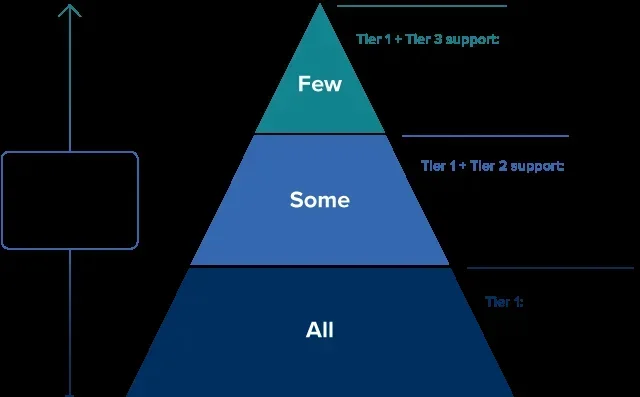
MTSS stands for Multi-Tiered System of Supports, a framework schools use to help every student succeed academically and behaviorally. It organizes help into three tiers so no child falls through the cracks. This approach uses data, teamwork, and targeted interventions to boost student outcomes. Understanding MTSS is essential for parents, teachers, and anyone invested in education.
Education is not one-size-fits-all. Every child learns differently. Some students grasp concepts quickly while others need extra help. This is exactly where MTSS comes into play. But what does MTSS stand for in education, and why should you care?
MTSS stands for Multi-Tiered System of Supports. It is a framework schools use to make sure every student gets the help they need. Think of it as a safety net built into the education system. It catches kids before they fall too far behind. The framework blends academics, behavior, and social-emotional learning into one unified approach.
In this article, we will break down everything you need to know about MTSS. We will explore what it means, how it works, and why it matters so much for student success. Whether you are a parent, teacher, or school leader, this guide will give you clear and practical insights.
Key Takeaways
- MTSS stands for Multi-Tiered System of Supports: It is a comprehensive education framework designed to help all students.
- Three tiers form the backbone: Universal support, targeted intervention, and intensive individualized help.
- Data drives every decision: Schools use screening and progress monitoring to match students with the right level of support.
- It covers both academics and behavior: MTSS addresses learning challenges and social-emotional needs together.
- Early intervention is key: Catching struggles early prevents bigger problems down the road.
- MTSS works hand in hand with RTI: Response to Intervention is a core piece of the MTSS model.
- Everyone benefits: Teachers, students, and parents all gain from a well-implemented MTSS framework.
📑 Table of Contents
What Does MTSS Stand for in Education?
The full name is Multi-Tiered System of Supports. Let us break that down piece by piece. “Multi-Tiered” means the system has multiple levels, or tiers, of support. “System” means it is not random. It follows a structured process. “Supports” refers to the help students receive in academics, behavior, and social skills.
MTSS is not just one program. It is an entire instructional framework that schools build around their students. It replaces the old way of waiting for kids to fail before stepping in. Instead, MTSS pushes schools to act early and act often. This proactive approach has changed how many schools think about student success.
You might also hear people connect MTSS with Response to Intervention, commonly known as RTI. RTI is actually one part of the bigger MTSS picture. While RTI focuses mainly on academics, MTSS covers the whole child. It includes academics, behavior, attendance, and social-emotional wellness. Together, these pieces create a complete support system.
Why MTSS Matters More Than Ever
Schools today face bigger challenges than ever before. Class sizes are growing. Student needs are becoming more diverse. Many kids arrive at school dealing with stress, trauma, or learning gaps. A one-size-fits-all teaching model simply does not work anymore.
MTSS gives schools a way to address these challenges head-on. It helps teachers identify struggling students early. It provides clear steps for intervention. And it tracks progress so adjustments can be made quickly. Schools that use MTSS often see better student achievement, fewer behavioral issues, and higher graduation rates.
Parents also benefit. MTSS creates transparency. When a school uses this framework, parents know exactly what support their child is receiving and why. This builds trust between families and educators. It also empowers parents to advocate for their children more effectively.
How the Three Tiers of MTSS Work
The heart of MTSS lies in its three tiers. Each tier represents a different level of support. Students move between tiers based on their needs. Let us look at each one closely.
Tier 1: Universal Support for All Students
Tier 1 is the foundation. It is the support every student receives. This includes high-quality classroom instruction, clear expectations, and a positive learning environment. Think of Tier 1 as the base of a pyramid. It reaches every single student in the school.
At this level, teachers use differentiated instruction to meet diverse learning needs. They design lessons that appeal to different learning styles. They create routines that help students feel safe and supported. Good Tier 1 practices prevent many problems before they start.
Here is what strong Tier 1 support looks like in practice:
- Engaging and well-structured lessons for all learners
- Clear behavioral expectations taught and reinforced daily
- Regular universal screening to check on every student
- A positive classroom culture that encourages growth
- Consistent feedback and praise for effort and improvement
About 80% of students should thrive with Tier 1 support alone. When most students succeed at this level, teachers can focus their energy on those who need more.
Tier 2: Targeted Intervention for At-Risk Students
Tier 2 kicks in when students need extra help beyond the general classroom. These students are not failing yet, but they are starting to struggle. Targeted intervention at this level stops small gaps from becoming big ones.
Tier 2 support is more focused and more intense than Tier 1. Students might work in small groups for a set period. They receive progress monitoring to track their growth. The goal is to get them back on track so they can succeed with Tier 1 instruction again.
Common Tier 2 strategies include:
- Small-group tutoring sessions during or after school
- Check-in and check-out systems with a trusted adult
- Social skills groups for students who need peer support
- Modified assignments or additional practice materials
- Regular progress checks to measure improvement
Tier 2 interventions usually last for a set timeframe, often several weeks. Teachers and support services staff collaborate closely during this phase. If a student shows improvement, they return to Tier 1. If not, they may move to Tier 3.
Tier 3: Intensive Individualized Support
Tier 3 is for students with significant and persistent needs. These learners require intensive, individualized support. The interventions are highly customized and happen frequently, sometimes daily.
At this level, schools often bring in specialists. These might include reading specialists, counselors, or special education professionals. The team works closely with the student and their family to create a tailored plan.
Key features of Tier 3 support include:
- One-on-one or very small group instruction
- Highly individualized learning goals
- Frequent and detailed progress monitoring
- Collaboration between teachers, specialists, and families
- Potential development of a formal plan or accommodation
Tier 3 does not mean a student has “failed.” It means the school is stepping up to meet their needs. Many students who receive Tier 3 support go on to thrive. The key is early identification and consistent, high-quality intervention.
Why Data Drives the MTSS Process
MTSS is not based on guesswork. It is built on data-driven decisions. Schools collect information at every level to understand what each student needs. This data comes from several sources.
Universal screening is the first step. Every student takes brief assessments a few times a year. These screenings show which students are on track and which ones need extra attention. They are quick and do not replace regular classroom assessments.
Next comes progress monitoring. For students receiving Tier 2 or Tier 3 support, teachers check in frequently. They use short assessments to see if the intervention is working. If a student is not improving, the team adjusts the plan. This cycle of check, adjust, and repeat is central to MTSS success.
Teachers also look at behavioral data, attendance records, and classroom observations. All of this information comes together to paint a full picture of each student. This holistic approach is one of the biggest strengths of the MTSS framework.
Quick Tips for Understanding MTSS Data
- Ask your school how they conduct universal screening
- Request regular progress reports if your child receives Tier 2 or 3 support
- Look for trends over time, not just single test scores
- Remember that data is a tool to help, not a label for your child
MTSS in Action: Real-World Examples
Theory is helpful, but seeing MTSS in action makes it click. Let us look at a few real-world scenarios.
Example 1: A Reading Struggle A third-grade teacher notices that several students are not meeting reading benchmarks. Universal screening data confirms this trend. The teacher provides Tier 1 instruction with extra phonics practice. After a few weeks, most students catch up. But two students still struggle. The teacher moves them to Tier 2, where they receive small-group reading intervention three times a week. Progress monitoring shows steady improvement over eight weeks, and both students return to Tier 1.
Example 2: A Behavioral Challenge A fifth-grader named Marcus starts acting out in class. His teacher notices the pattern and collects data. Marcus is referred to the MTSS team. They decide on a Tier 2 behavior plan, which includes a check-in system with the school counselor. After a month, Marcus’s behavior improves significantly. The team continues monitoring and adjusts the plan as needed.
Example 3: Persistent Math Difficulties A seventh-grader named Sofia cannot grasp basic math concepts despite quality Tier 1 instruction and Tier 2 intervention. The MTSS team moves Sofia to Tier 3. She receives daily one-on-one tutoring with a math specialist. The team sets specific goals and monitors her progress weekly. Over time, Sofia gains confidence and starts closing the gap.
These examples show how MTSS works at every level. The framework is flexible enough to meet students where they are. It also ensures that no student slips through the cracks.
Common Mistakes Schools Make with MTSS
Even with a great framework, schools can stumble. Here are some common pitfalls to watch for.
- Skipping Tier 1: Some schools jump straight to intervention without strengthening core instruction. This is like building a house on a weak foundation.
- Inconsistent data use: Collecting data is useless if no one acts on it. Schools must build a culture where data informs daily decisions.
- Waiting too long: Delayed intervention leads to bigger gaps. Schools must move quickly when data shows a student is struggling.
- Not involving families: Parents and guardians are essential partners. Excluding them weakens the entire process.
- Overcomplicating the system: MTSS should be practical and manageable. Overly complex systems lead to confusion and burnout among staff.
Avoiding these mistakes takes intention and commitment. School leaders must invest in training, time, and resources. When done right, MTSS transforms how schools serve their students.
How MTSS Connects to Other Education Frameworks
MTSS does not exist in a vacuum. It connects to many other education concepts and practices. Understanding these connections helps you see the bigger picture.
As mentioned earlier, RTI (Response to Intervention) is a core component of MTSS. RTI focuses specifically on academic intervention. MTSS expands that idea to include behavior, attendance, and social-emotional learning. Think of RTI as a subset of the broader MTSS model.
MTSS also overlaps with differentiated instruction. Both approaches recognize that students learn at different paces and in different ways. Differentiated instruction happens in every classroom every day. MTSS provides the structure for when that differentiation is not enough and extra support is needed.
Another connection is with Positive Behavioral Interventions and Supports, or PBIS. PBIS focuses specifically on behavior and school climate. Many schools combine MTSS and PBIS to create a comprehensive support system. Together, they address the academic and behavioral sides of student success.
If you are interested in learning more about language and expression in education, you might enjoy exploring idioms for education or similes for education to see how figurative language enriches classroom learning. Similarly, metaphors for education can help teachers make abstract concepts more relatable for students.
These language tools complement the MTSS framework by helping educators communicate complex ideas in simple, memorable ways. When teachers use vivid language, students understand and retain information better.
Key Takeaways
MTSS is more than an acronym. It is a philosophy of education that puts every student first. It says that all children deserve support, and that support should be timely, targeted, and data-driven. Schools that embrace this framework create environments where every learner can grow.
The three tiers provide a clear and organized path. Universal support reaches everyone. Targeted intervention catches those who need a boost. Intensive support meets the needs of the most vulnerable learners. Together, these tiers form a complete system that leaves no student behind.
For parents, understanding MTSS means you can be a stronger advocate for your child. For teachers, it means having a clear roadmap for meeting diverse needs. For school leaders, it means building a culture of continuous improvement and shared responsibility.
The beauty of MTSS is its simplicity at its core. It is about watching carefully, acting early, and adjusting always. When schools commit to this approach, the results speak for themselves. Student achievement rises. Behavioral issues decrease. And the entire school community becomes stronger.
Conclusion
So, what does MTSS stand for in education? Multi-Tiered System of Supports. But it represents so much more than those words. It represents a commitment to every student. It represents a belief that with the right support, all children can succeed. It represents a shift from reactive to proactive education.
MTSS gives schools the tools they need to identify struggles early, provide targeted help, and monitor progress closely. It brings academics and behavior together under one umbrella. It connects teachers, families, and specialists in a shared mission.
If your school has not yet adopted MTSS, now is the time to explore it. Start with the basics. Understand the three tiers. Learn how data guides decisions. Build strong Tier 1 practices first. Then layer in additional support as needed. The journey is ongoing, but every step forward makes a difference.
Every student deserves the chance to shine. MTSS is one of the most powerful ways schools can make that promise a reality. Embrace the framework, involve your community, and watch your students thrive.
Frequently Asked Questions
What is the difference between MTSS and RTI?
RTI stands for Response to Intervention and focuses mainly on academics. MTSS is broader. It includes academics, behavior, attendance, and social-emotional learning. Think of RTI as one piece of the MTSS puzzle. MTSS wraps RTI into a larger, more comprehensive framework.
How do schools decide which tier a student needs?
Schools use universal screening data and progress monitoring results. Teachers and teams review this information to determine the right level of support. Students who need more help move to Tier 2 or Tier 3. The goal is always to provide the least intensive support that still meets the student’s needs.
Can MTSS help gifted students too?
Yes! While MTSS is often discussed in the context of struggling learners, it also supports gifted students. Tier 1 instruction can include enrichment and acceleration. Tier 2 and 3 can provide advanced challenges for students who need them. The framework is designed to serve all learners.
How long does a Tier 2 intervention last?
Tier 2 interventions typically last between 6 and 12 weeks. The exact duration depends on the student’s progress and the nature of the intervention. Teachers monitor progress frequently and adjust the plan as needed. If the student shows improvement, they may return to Tier 1 support.
What role do parents play in the MTSS process?
Parents are essential partners in MTSS. Schools should communicate with families about their child’s progress and the support being provided. Parents can share insights about their child’s strengths and challenges at home. This collaboration strengthens the entire intervention process.
Is MTSS the same as special education?
No, but they overlap. MTSS is a general education framework that supports all students. Some students who receive intensive Tier 3 support may eventually be referred for special education evaluation. However, MTSS aims to provide effective support before that step becomes necessary.


