
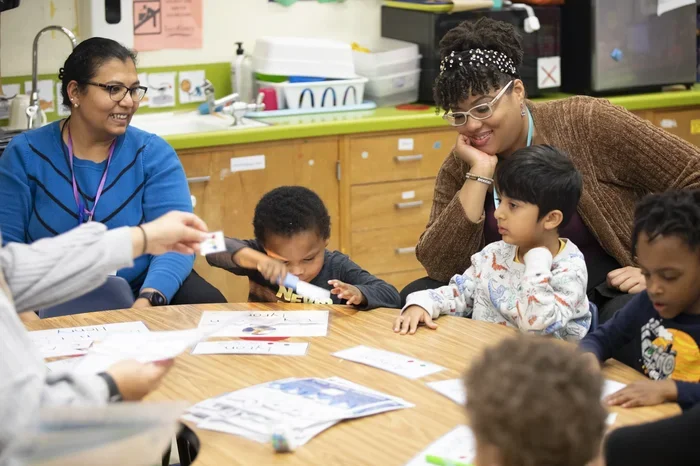
Special education teachers play a vital role in shaping the lives of students with unique learning needs. They create individualized education programs, use adaptive teaching methods, and provide emotional support to help every child succeed. This guide covers their daily duties, required skills, and the real impact they make in and beyond the classroom.
Have you ever wondered what do special education teachers do behind those classroom doors? These dedicated professionals shape the educational journeys of students who learn differently. Their work goes far beyond lesson plans and grades. They build bridges, unlock potential, and change lives every single day.
The role of special education teachers is one of the most impactful careers in the entire education field. These educators work with students who have learning disabilities, emotional challenges, physical impairments, and developmental delays. They use adaptive teaching methods and differentiated instruction to meet each child exactly where they are. In this article, we will explore every major aspect of this rewarding profession.
Whether you are considering a career in special needs education or simply want to understand their role better, this guide has you covered. Let us dive into the world of special education teaching and see why it matters so much.
Key Takeaways
- Customized Learning Plans: Special education teachers build Individualized Education Programs (IEPs) tailored to each student’s strengths and challenges.
- Diverse Daily Tasks: Their work ranges from lesson planning and behavioral support to parent collaboration and progress tracking.
- Critical Skills Needed: Patience, creativity, strong communication, and deep knowledge of adaptive teaching methods are essential.
- Impact Beyond Academics: These teachers help students build confidence, social skills, and independence that last a lifetime.
- Team Collaboration: Special education teachers work closely with general educators, therapists, and families as part of a support team.
- Rewarding Career Path: The profession offers meaningful work and growing demand across schools nationwide.
📑 Table of Contents
- What Do Special Education Teachers Do on a Daily Basis
- The Skills and Qualifications Required
- Why Special Education Teaching Matters
- Common Challenges Faced by Special Education Teachers
- How Special Education Teachers Collaborate with Other Professionals
- Career Growth and Opportunities in Special Education
- Key Takeaways
- Conclusion
What Do Special Education Teachers Do on a Daily Basis
Every day looks a little different for a special education teacher. That is part of what makes the job so dynamic. No two students have the same needs, and no two days follow the same script. Let us break down the core daily responsibilities.
Creating and Managing Individualized Education Programs
At the heart of special education teaching lies the Individualized Education Program, commonly known as an IEP. An IEP is a customized plan that outlines a student’s unique learning goals, accommodations, and services. Special education teachers spend significant time developing, reviewing, and updating these plans.
Each IEP includes specific IEP goals tailored to the student. A teacher might work on reading comprehension for one student and social skills for another. The process involves assessing the student’s current performance, setting measurable targets, and choosing the right student accommodations to support progress.
Delivering Adaptive and Differentiated Instruction
One of the most important skills special education teachers master is differentiated instruction. This means adjusting lessons to fit each student’s learning style, pace, and ability level. A general education classroom follows one standard approach. A special education classroom, however, may use multiple approaches simultaneously.
Some students respond well to visual aids. Others learn best through hands-on activities or audio instructions. Special education teachers design lessons that incorporate all of these methods. They also use assistive technology tools like speech-to-text software or tactile learning devices to remove barriers to learning.
Managing Classroom Behavior and Emotional Support
Behavior management is a huge part of the job. Many students in special needs education face challenges with self-regulation, focus, or social interactions. Special education teachers use behavioral interventions to create a positive and structured learning environment.
These strategies might include reward systems, calm-down corners, or social stories. The goal is always to teach students how to manage their emotions and behaviors constructively. Teachers also provide crucial emotional support, helping students build self-esteem and resilience.
The Skills and Qualifications Required
Becoming a special education teacher requires more than a love for working with children. It demands a specific set of skills and formal qualifications. Let us look at what it takes to enter and thrive in this field.
Educational Requirements and Certification
Most states require special education certification for teaching in this area. Typically, this involves earning a bachelor’s degree in special education or a related field. Many teachers also pursue a master’s degree to advance their careers and deepen their expertise.
Certification programs cover topics like classroom management, educational law, assessment techniques, and adaptive teaching methods. Student teaching internships give aspiring educators hands-on experience before they lead their own classrooms.
Essential Soft Skills
Technical knowledge matters, but soft skills make the real difference. Special education teachers need extraordinary patience. They must stay calm under pressure and remain flexible when plans change unexpectedly.
Strong communication skills are equally important. Teachers must explain complex ideas in simple terms. They also need to communicate effectively with parents, therapists, and other educators. Creativity helps when standard approaches do not work for a particular student.
Knowledge of Assistive Technology and Tools
Modern special education teaching relies heavily on technology. Assistive devices and software open doors for students who struggle with traditional methods. Special education teachers must stay updated on the latest tools available.
Examples include text-to-speech programs, graphic organizers, alternative keyboards, and communication boards. Knowing how to integrate these tools into daily lessons is a valuable and in-demand skill.
Why Special Education Teaching Matters
The importance of special education teachers cannot be overstated. Their work creates ripple effects that extend far beyond the classroom walls. Here is why this profession truly matters.
Building Confidence and Independence in Students
Many students with learning disabilities have experienced repeated failure in traditional settings. Special education teachers create a safe space where these students can try again without fear of judgment. As students meet their IEP goals, their confidence grows dramatically.
Over time, teachers help students develop independence. They learn to advocate for themselves, use coping strategies, and approach challenges with a growth mindset. These life skills carry forward into adulthood.
Supporting Inclusive Education Models
Inclusive classroom environments benefit everyone. When special education teachers collaborate with general education teachers, they create learning spaces where all students feel valued. Co-teaching models allow students with disabilities to learn alongside their peers while receiving targeted support.
Inclusion is not just about physical placement. It is about ensuring every student has access to meaningful learning experiences. Special education teachers make this vision a reality through careful planning and collaboration.
Bridging the Gap Between Home and School
Parents of children with special needs often feel overwhelmed. Special education teachers serve as a trusted bridge between home and school. They hold regular meetings, share progress updates, and guide families through available resources.
This collaboration strengthens the support system around the child. When parents and teachers work together, students make significantly better progress. It is truly a team effort.
Common Challenges Faced by Special Education Teachers
The profession is deeply rewarding, but it comes with real challenges. Understanding these difficulties helps us appreciate the resilience of special education teachers even more.
Heavy workloads are a constant reality. Managing IEPs, writing progress reports, attending meetings, and planning individualized lessons takes significant time. Many teachers also face large caseloads that stretch their capacity.
Emotional burnout is another concern. Forming close bonds with students who face significant challenges can be emotionally draining. Without proper support and self-care strategies, even the most passionate educators can feel overwhelmed.
Resource limitations also pose problems. Some schools lack funding for assistive technology, specialized materials, or additional support staff. Teachers often spend their own money to fill these gaps. Despite these hurdles, most special education teachers say the rewards far outweigh the challenges.
How Special Education Teachers Collaborate with Other Professionals
Teaching never happens in isolation, and this is especially true for special education teachers. They work as part of a larger support team to give students the best possible outcomes.
Speech-language pathologists, occupational therapists, school psychologists, and counselors all play key roles. Special education teachers coordinate with these professionals to align strategies and share insights. This teamwork ensures that every aspect of a student’s development is addressed.
General education teachers also partner closely with special educators. Through co-teaching and planning sessions, they blend their expertise. This collaboration creates richer learning experiences for all students in the inclusive classroom.
Sometimes teachers use creative language strategies to help students grasp concepts. For instance, using idioms for teachers can help build vocabulary and contextual understanding in fun, memorable ways. Similarly, incorporating metaphors for education into lessons can make abstract ideas more concrete and relatable for students who need alternative approaches to learning.
Another powerful approach involves helping students understand figurative language in everyday communication. Teachers often introduce idioms for education as part of language development exercises, especially for students who benefit from explicit instruction in how words and phrases carry meaning beyond their literal definitions.
Career Growth and Opportunities in Special Education
The demand for qualified special education teachers continues to grow across the country. Schools need passionate professionals who can make a difference in the lives of students with diverse needs.
Experienced teachers can move into leadership roles such as special education coordinator or department head. Some pursue positions in educational administration or policy development. Others become consultants, helping schools improve their special needs education programs.
There is also growing demand for specialists in areas like autism support, behavioral analysis, and assistive technology. These niches offer higher earning potential and the chance to focus on specific populations within the broader field of special education teaching.
Key Takeaways
- Customized Learning Plans: Special education teachers build Individualized Education Programs (IEPs) tailored to each student’s strengths and challenges.
- Diverse Daily Tasks: Their work ranges from lesson planning and behavioral support to parent collaboration and progress tracking.
- Critical Skills Needed: Patience, creativity, strong communication, and deep knowledge of adaptive teaching methods are essential.
- Impact Beyond Academics: These teachers help students build confidence, social skills, and independence that last a lifetime.
- Team Collaboration: Special education teachers work closely with general educators, therapists, and families as part of a support team.
- Rewarding Career Path: The profession offers meaningful work and growing demand across schools nationwide.
Conclusion
Special education teachers do so much more than teach lessons. They inspire, advocate, and transform lives every single day. From crafting personalized IEP plans to providing emotional support and collaborating with families, their contributions are truly invaluable.
The field of special needs education requires dedication, creativity, and an unwavering belief in every student’s potential. These educators face real challenges, yet they persist because the impact is profound. Whether a student learns to read, gains confidence, or simply feels seen and valued, the work of a special education teacher leaves a lasting mark.
If you know a special education teacher, take a moment to appreciate their efforts. And if you feel called to this path, know that your work can change a life in ways you may never fully see. The world of special education teaching needs more compassionate, skilled professionals. The difference you make will echo for years to come.
Frequently Asked Questions
What is the main role of a special education teacher?
The main role is to provide customized instruction to students with unique learning needs. They create IEPs, deliver adaptive lessons, manage behavioral strategies, and support students emotionally. Their goal is to help every student reach their full potential.
What qualifications do special education teachers need?
Most states require at least a bachelor’s degree in special education and a teaching certification. Many teachers also earn a master’s degree. Certification programs cover classroom management, assessment, and adaptive teaching methods essential for this role.
How do special education teachers support students with learning disabilities?
They use differentiated instruction and assistive technology to address each student’s specific challenges. They set measurable IEP goals, provide accommodations, and adjust teaching methods to match the student’s learning style and pace.
What is the difference between special education and general education teachers?
General education teachers follow a standard curriculum for all students. Special education teachers customize instruction for students with disabilities. They focus on individual IEP goals, behavioral support, and adaptive methods that meet each child’s unique needs.
Is special education teaching emotionally demanding?
Yes, it can be. Teachers form close bonds with students who face significant challenges. The emotional investment is real, and burnout is a genuine concern. However, most teachers find the rewards deeply fulfilling and stay in the profession for years.
What career growth opportunities exist for special education teachers?
Experienced teachers can become coordinators, department heads, or administrators. Some specialize in areas like autism support or assistive technology. Others move into educational consulting or policy work, expanding their impact across the broader field of special needs education.


