
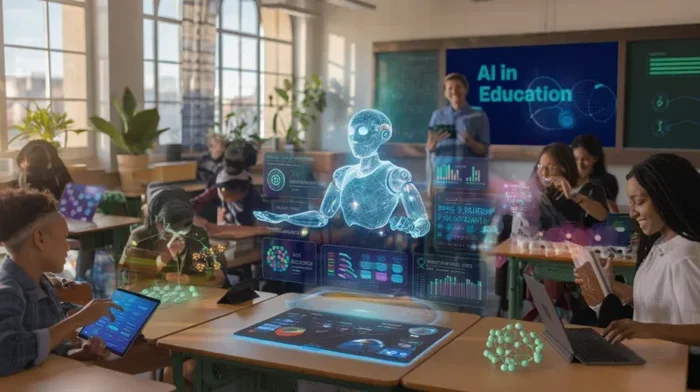
AI in education is reshaping how teachers teach and students learn. This guide covers practical ways how AI can be used in education to create smarter classrooms, save teachers time, and boost student engagement. You will learn about AI tools, real-world examples, and tips for getting started today.
Classrooms are changing fast. AI in education is no longer a futuristic idea. It is happening right now in schools around the world. Teachers are using smart tools to personalize lessons, grade assignments faster, and keep students engaged. Students are getting help from AI tutors that understand their unique needs. The question is no longer whether AI belongs in education. The real question is how fast schools will adopt it.
Understanding how AI can be used in education opens up exciting possibilities for both teachers and learners. From automated grading to adaptive learning platforms, the tools available today are powerful and accessible. This guide breaks down the most impactful ways AI is transforming classrooms. You will find practical examples, honest challenges, and clear steps you can take right away.
Key Takeaways
- Personalized Learning: AI adapts lessons to each student’s pace and style, making learning more effective.
- Teacher Support: AI handles repetitive tasks like grading, freeing up time for real teaching.
- Smart Tools: From AI tutoring systems to virtual assistants, technology is changing the classroom experience.
- Engagement Boost: Interactive AI tools keep students more engaged and motivated to learn.
- Future-Ready Skills: Using AI in schools prepares students for a tech-driven world.
- Challenges Exist: Privacy, equity, and over-reliance on technology need careful attention.
📑 Table of Contents
How AI Is Changing the Way We Teach
Teaching has always been a demanding job. Educators juggle lesson planning, grading, classroom management, and individual student needs all at once. AI in education helps lighten that load in remarkable ways. It does not replace teachers. Instead, it gives them superpowers.
Personalized Learning Experiences
Every student learns differently. Some grasp concepts quickly. Others need more time and practice. Traditional classrooms struggle to meet everyone’s needs at once. AI-powered education changes that. Adaptive learning platforms analyze how each student performs and adjust the difficulty and pace of lessons accordingly.
For example, if a student struggles with fractions, the AI system can offer extra practice problems and simpler explanations. If another student excels, the system can introduce more challenging material. This kind of personalized learning was nearly impossible before AI entered the picture.
Teachers can also use AI data to identify patterns. They can see which topics the whole class finds difficult and adjust their lesson plans accordingly. This leads to smarter teaching and better outcomes for everyone.
AI Grading and Assessment Tools
Grading takes up a huge portion of a teacher’s time. AI grading tools can handle multiple-choice tests, fill-in-the-blank questions, and even some short-answer responses. This frees teachers to focus on what matters most: connecting with students and delivering great instruction.
Some platforms use machine learning in schools to provide instant feedback on essays and written assignments. They check for grammar, structure, and even content relevance. While these tools are not perfect, they save hours of work and give students timely feedback that helps them improve faster.
Quick Tip: Start small. Try an AI grading tool for one assignment type before rolling it out across all your classes. This helps you learn the tool without feeling overwhelmed.
AI Tools That Are Transforming Classrooms
The number of AI teaching tools available today is growing fast. Let us look at some of the most popular and effective ones that are making a real difference in classrooms.
Intelligent Tutoring Systems
Intelligent tutoring systems act like a personal tutor for every student. They can explain concepts, offer practice exercises, and track progress over time. These systems use adaptive learning technology to respond to each student’s strengths and weaknesses in real time.
Think of it this way. In a class of 30 students, each one gets their own custom learning path. The AI adjusts as the student grows. This level of individual attention would be impossible for a single teacher to provide to every student all the time.
Popular examples include platforms that offer step-by-step math help, reading comprehension exercises, and science simulations. Many of these tools are now free or low-cost, making them accessible to schools with tight budgets.
Virtual Assistants and Chatbots
AI chatbots are becoming common in education. Students can ask questions at any time of day and get instant answers. These virtual assistants for students help with homework, explain difficult topics, and even suggest study resources.
For teachers, chatbots can handle routine questions from students and parents. Things like “When is the assignment due?” or “What page should we read?” do not need the teacher’s direct attention. The chatbot handles them, leaving the teacher free for more important work.
Content Creation and Lesson Planning
Creating engaging lessons takes a lot of time. AI curriculum design tools can help teachers generate lesson plans, create quizzes, draft discussion questions, and even suggest activities. These tools act like a brainstorming partner that never runs out of ideas.
Some teachers use AI to generate similes for education and creative examples that make lessons more relatable. Others explore idioms for education to build vocabulary lessons that are both fun and informative. There are even resources like metaphors for education that help teachers explain abstract concepts through figurative language. These creative approaches make learning stick.
Quick Tip: Use AI to draft your first version of a lesson plan, then personalize it with your own teaching style and student insights. The best results come from combining AI efficiency with human creativity.
Benefits of AI in Education for Teachers
Teachers are the heart of any classroom. AI for teachers is designed to support them, not replace them. Here are the biggest benefits educators are seeing right now.
- Time Savings: AI handles repetitive tasks like grading, attendance tracking, and scheduling. This gives teachers more hours in the day for actual teaching.
- Better Insights: AI analytics show teachers exactly where students are struggling. This allows for targeted intervention before students fall too far behind.
- Reduced Burnout: By taking over mundane tasks, AI helps prevent teacher exhaustion and keeps educators energized and passionate.
- Improved Engagement: AI-powered tools make lessons more interactive and fun. Students pay more attention and participate more actively.
- Equal Access: AI can provide every student with the same quality of support, regardless of class size or school resources.
When teachers have more time and better data, they can do what they do best. They can mentor, inspire, and connect with their students on a deeper level. That is the real power of education innovation through AI.
Challenges and Concerns with AI in Schools
AI in education is not all smooth sailing. There are real concerns that schools and teachers must address thoughtfully.
Data Privacy and Security
AI tools collect a lot of student data. This includes performance records, learning patterns, and sometimes even behavioral data. Schools must ensure that this information is stored securely and used ethically. Digital transformation in education comes with the responsibility to protect student privacy at all costs.
Equity and Access
Not all schools have the same budget for technology. Wealthier schools can afford the latest AI platforms. Underfunded schools may struggle to keep up. This digital divide could widen existing gaps in educational outcomes if it is not addressed carefully.
Over-Reliance on Technology
There is a risk that teachers and students lean too heavily on AI. Critical thinking, creativity, and human connection are things that AI cannot replace. Schools need to find a healthy balance where technology enhances learning without diminishing the human elements that make education meaningful.
Expert Insight: The best approach is to view AI as a teaching assistant, not a replacement. Use it to amplify what teachers do best, not to take over the parts of teaching that require empathy, judgment, and human connection.
The Future of AI in Education
The future of education with AI looks incredibly promising. Here are some trends to watch.
- More Adaptive Platforms: AI will get even better at understanding individual learning styles and adjusting in real time.
- AI-Powered Classrooms: We will see more smart classrooms where AI manages routine tasks while teachers focus on high-impact instruction.
- Greater Teacher Training: Schools will invest more in training teachers to use AI tools effectively and responsibly.
- Global Collaboration: AI will make it easier for students from different countries to learn together and share perspectives.
- Early Intervention: AI will identify students at risk of falling behind earlier and recommend targeted support.
Teachers who start exploring AI tools now will be ahead of the curve. The schools that embrace AI learning platforms today will build stronger, more effective learning environments for tomorrow.
It helps to think about how figurative language can make complex ideas more accessible. For instance, explaining AI concepts to young learners becomes easier when you use vivid comparisons. Teachers often explore similes for education to simplify tough topics and make them memorable. This creative approach to communication is part of what makes great teaching, and AI can support it in new ways.
The key is to stay curious and keep learning. Technology evolves fast, and the best educators are those who adapt and grow alongside it.
How to Get Started with AI in Your Classroom
Ready to try AI in your teaching? Here is a simple roadmap to get started.
- Identify a Pain Point: What task takes up too much of your time? Grading? Lesson planning? Start there.
- Research AI Tools: Look for tools that address your specific need. Read reviews and try free trials.
- Start Small: Use one tool for one class or one subject. Get comfortable before expanding.
- Gather Feedback: Ask your students what they think. Their input will help you choose the right tools.
- Keep Learning: Stay updated on new developments. The AI landscape changes quickly, and new tools emerge all the time.
Remember, you do not need to transform your entire classroom overnight. Small, steady steps lead to big changes over time. The goal is to use AI in education to make your teaching more effective and your students’ learning more meaningful.
Conclusion
AI in education is transforming classrooms in ways we could only dream about a few years ago. From personalized learning to smart grading tools, the benefits are real and measurable. Teachers save time. Students get more support. Schools become more efficient and more effective.
Understanding how AI can be used in education is no longer optional. It is essential for any educator who wants to stay relevant and effective in a rapidly changing world. The tools are available. The opportunities are endless. All that is left is to take the first step.
Start small, stay curious, and remember that technology works best when it serves the human connections that make teaching so rewarding. AI in education is not about replacing the magic of great teaching. It is about amplifying it.
Frequently Asked Questions
How is AI used in education today?
AI in education is used for personalized learning, automated grading, virtual tutoring, lesson planning, and student performance analytics. Schools and teachers are increasingly adopting AI teaching tools to save time and improve learning outcomes for students of all ages.
What are the main benefits of AI in the classroom?
AI saves teachers time on repetitive tasks, provides personalized learning paths for each student, offers instant feedback, and helps identify struggling learners early. It also boosts student engagement by making lessons more interactive and responsive to individual needs.
Can AI replace teachers in the classroom?
No. AI is a powerful support tool, but it cannot replace the empathy, creativity, and judgment that great teachers bring to the classroom. The best approach is to use AI as a teaching assistant that handles routine tasks so teachers can focus on meaningful human connection and instruction.
Is AI in education safe for students?
When implemented with strong data privacy policies and ethical guidelines, AI in education is generally safe. Schools must choose trusted platforms, protect student data, and ensure that AI tools are used responsibly. Parental consent and transparency are also essential parts of safe AI adoption.
What are some examples of AI tools used in schools?
Common examples include intelligent tutoring systems like Khan Academy’s AI features, AI grading platforms like Gradescope, virtual assistants like chatbots for student support, and adaptive learning software like DreamBox. These tools fall under the broader category of AI-powered education solutions that are reshaping modern classrooms.
How can schools start using AI effectively?
Schools should start by identifying specific needs, choosing user-friendly tools, training teachers properly, and beginning with small pilot programs. Gathering feedback from both teachers and students helps refine the approach. The goal is to integrate AI gradually and thoughtfully into existing teaching practices.


