
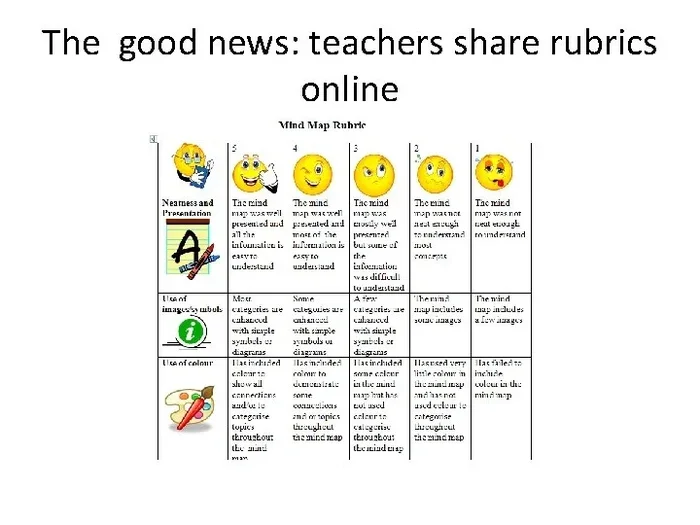
A rubric in education is a scoring tool that clearly defines expectations for student work. It breaks down complex assignments into manageable grading criteria so both teachers and students know exactly what matters. This guide covers the rubric definition, different types, key benefits, and practical tips for creating your own assessment rubric. By the end, you will have everything you need to start using rubrics effectively in your classroom today.
Have you ever stared at a stack of essays wondering how to grade them fairly? You are not alone. Every teacher faces the challenge of evaluating student work consistently and objectively. That is where a rubric in education comes in handy.
A grading rubric is simply a scoring guide that outlines exactly what teachers expect from students. It breaks down assignments into clear parts and describes what each level of quality looks like. Think of it as a map that shows both you and your students the path to success. In this guide, we will walk you through everything you need to know about using and creating a rubric for teachers.
Whether you are a new teacher or a seasoned educator, understanding the rubric definition and purpose can transform your classroom. Let us dive in and explore how assessment rubrics can make your teaching life easier and your feedback more meaningful.
Key Takeaways
- Clear Expectations: A rubric in education sets transparent grading criteria so students know exactly what is expected.
- Multiple Types: You can choose from holistic rubrics, analytic rubrics, and single-point rubrics depending on your needs.
- Time Saver: Using a grading rubric speeds up the student assessment process and reduces grading bias.
- Student Empowerment: When students understand performance criteria, they can self-assess and improve their work.
- Easy to Create: You can build a rubric template in minutes using simple steps and free tools.
📑 Table of Contents
What Is a Rubric in Education?
A rubric in education is a structured scoring tool that teachers use to evaluate student work. It lists specific performance criteria and describes different levels of quality for each criterion. Instead of guessing what counts, everyone knows the grading criteria upfront.
When you use a scoring rubric, you assign points or levels to each part of an assignment. For example, a writing rubric template might include categories like grammar, organization, and creativity. Each category has a clear description of what excellent, good, fair, and poor work looks like.
Why Rubrics Matter in the Classroom
Rubrics for teachers are not just fancy grading sheets. They serve a deeper purpose. They create fairness and consistency in student assessment. When every student is judged by the same rubric criteria, you eliminate guesswork and personal bias.
Rubrics also save you time. Instead of writing long comments on every paper, you can simply circle or check the relevant levels. This makes formative assessment faster and more efficient. You can focus your energy on helping students grow rather than drowning in paperwork.
Here are some key reasons why rubric creation is worth your effort:
- Consistency: Every student is graded on the same evaluation rubric, so results are fair.
- Clarity: Students understand exactly what you want before they start working.
- Efficiency: Grading becomes faster and more organized.
- Feedback: Rubrics provide specific feedback that students can actually use to improve.
You might also notice that clear expectations remind students of how we use language to describe things. For instance, just as we use Idioms For Education to express ideas vividly, a rubric uses precise language to set expectations. Both tools help communication become clearer and more effective.
Types of Rubrics in Education
Not all assessment rubrics are the same. Different situations call for different approaches. Let us look at the most common types you will encounter.
Holistic Rubric vs. Analytic Rubric
A holistic rubric evaluates student work as a whole. You look at the overall impression and assign a single score. This type works well for quick assessments like class discussions or short presentations. It is fast and straightforward.
An analytic rubric breaks the assignment into separate parts. You score each rubric criteria individually and then add them up. This gives you detailed feedback on specific strengths and weaknesses. It is ideal for major assignments like research papers or science projects.
| Feature | Holistic Rubric | Analytic Rubric |
|---|---|---|
| Scoring Approach | Single overall score | Individual scores per criterion |
| Feedback Level | General | Detailed and specific |
| Grading Speed | Fast | Slower but more thorough |
| Best For | Quick checks, discussions | Major projects, essays |
Both types have their place. Your choice depends on the assignment and your goals. If you want a bird’s-eye view, go holistic. If you need deep insights, choose analytic.
Single-Point Rubric
A single-point rubric is a newer approach that is gaining popularity. It describes only what proficient work looks like. It does not list descriptions for below or above proficiency. Instead, it leaves space for you to write specific feedback about what the student did well and what needs improvement.
This type encourages creative and original thinking. Students are not boxed into rigid categories. They can explore unique approaches while still meeting the core learning outcomes. Many teachers find that a single-point rubric feels more personal and less mechanical than traditional options.
Similarly, just as we use Metaphors For Education to make abstract ideas concrete, a single-point rubric focuses on the core standard without cluttering it with excessive descriptors. Both tools simplify complex ideas for clearer understanding.
How to Create a Rubric for Teachers
Creating a rubric template does not have to be complicated. You can build one in under 30 minutes once you know the steps. Here is a simple process for rubric creation that works every time.
Step-by-Step Rubric Creation
- Define the learning objective. What should students demonstrate? Write one clear sentence about the goal. For example, “Students will write a persuasive essay with a clear thesis, supporting evidence, and logical structure.”
- Identify key criteria. List the most important elements of the assignment. Aim for 4 to 6 criteria. Too many categories make the rubric confusing. Too few leave out important details.
- Describe performance levels. For each criterion, write 3 to 5 levels of quality. Use simple language. Describe what beginning, developing, proficient, and excellent work looks like.
- Assign point values. Give each level a score. Make sure the total points reflect the weight of the assignment. A 100-point rubric might assign 20 points per criterion.
- Review and refine. Test your grading rubric on a sample of student work. Adjust descriptions if they are unclear or too similar between levels.
Quick Tips for Better Rubric Design
- Use action verbs like “demonstrate,” “analyze,” and “create” in your criteria.
- Keep descriptions parallel in structure and length.
- Avoid vague words like “good” or “bad.” Be specific.
- Share the rubric with students before they start the assignment.
- Use a rubric template from online resources to save time.
One common mistake teachers make is using too many criteria. A rubric in education should focus on what matters most. If you list ten criteria, students get overwhelmed and you get tired of grading. Stick to the essentials. You can always create a separate rubric for secondary skills.
Think of it this way. Just as we use Similes For Education to make comparisons that clarify meaning, a well-designed rubric uses clear descriptions to make expectations concrete. Both tools help bridge the gap between confusion and understanding.
Benefits of Using a Rubric in the Classroom
Using a grading rubric brings real advantages to both teachers and students. Let us explore how rubrics for teachers improve the learning experience.
Benefits for Teachers
- Faster grading: A scoring rubric lets you grade quickly without second-guessing yourself.
- Reduced bias: When you follow a set rubric criteria, personal preferences do not influence grades.
- Better communication: Rubrics help you explain grades to students and parents with confidence.
- Easier revisions: You can point to specific criteria when giving feedback, making improvement suggestions clearer.
Benefits for Students
- Clear expectations: Students know exactly what they need to do before they start.
- Self-assessment: Students can check their own work against the performance criteria before submitting.
- Targeted improvement: Specific feedback helps students understand what to work on next.
- Increased confidence: When students understand the evaluation rubric, they feel more in control of their learning.
When students can see the rubric definition in action, they become active participants in their own student assessment. They stop asking “What do you want?” and start asking “How can I make this better?” That shift is powerful. It turns grading from a one-way judgment into a collaborative learning process.
Rubric Examples and Templates
Seeing real rubric examples helps you understand how they work in practice. Let us look at a simple example for a book report assignment.
Example: Book Report Rubric
- Summary (20 points): Excellent = clear and complete summary. Good = mostly accurate but missing details. Fair = incomplete or confusing. Poor = missing key elements.
- Character Analysis (20 points): Excellent = deep insight with examples. Good = basic analysis. Fair = surface-level only. Poor = no analysis included.
- Grammar and Spelling (20 points): Excellent = error-free. Good = minor errors. Fair = several errors that affect readability. Poor = many errors that obscure meaning.
- Creativity and Effort (20 points): Excellent = original and thoughtful. Good = adequate effort. Fair = minimal effort. Poor = incomplete or rushed.
- Presentation (20 points): Excellent = neat and well-organized. Good = mostly organized. Fair = somewhat messy. Poor = disorganized and hard to follow.
This rubric template covers the essential elements of a book report. You can adapt it for any subject or grade level. The key is to make each criterion specific and measurable. Avoid vague language that leaves room for interpretation.
Many websites offer free rubric templates you can download and customize. Look for templates that align with your learning outcomes and curriculum standards. The best rubric for teachers is one that fits your specific assignment and student needs.
Final Thoughts on Rubrics in Education
A rubric in education is one of the most practical tools you can use in your classroom. It brings clarity, fairness, and efficiency to the grading process. Whether you choose a holistic rubric, an analytic rubric, or a single-point rubric, the key is to make your expectations clear and consistent.
Start small. Try using a simple grading rubric for your next assignment. You will notice the difference in how students approach the work and how quickly you can provide meaningful feedback. Over time, rubric creation becomes second nature, and you will wonder how you ever taught without one.
Remember, the goal is not just to assign grades. The goal is to help every student understand their strengths and areas for growth. A well-designed assessment rubric makes that goal achievable. So grab a template, customize it for your classroom, and watch your grading become more fair, fast, and effective.
Frequently Asked Questions
What is the rubric definition in simple terms?
A rubric in education is a scoring guide that lists clear criteria and describes what each level of quality looks like. It helps teachers grade fairly and helps students understand expectations before they start working.
What are the three main types of rubrics?
The three main types are holistic, analytic, and single-point rubrics. A holistic rubric gives one overall score. An analytic rubric scores each criterion separately. A single-point rubric describes only proficient work and leaves space for personalized feedback.
How do I create a rubric for my classroom?
Start by defining the learning objective. Then list 4 to 6 key grading criteria. Describe 3 to 5 performance levels for each criterion. Assign point values and test your rubric template on a sample assignment. Adjust as needed for clarity.
Why should I use a rubric for student assessment?
Using a scoring rubric ensures fairness and consistency. It saves grading time and provides specific feedback that students can use to improve. Rubrics also help students self-assess and take ownership of their learning outcomes.
Can I use a rubric for formative assessment?
Absolutely. Formative assessment rubrics help you check understanding during the learning process, not just at the end. They give students timely feedback that guides their improvement. This makes student assessment a continuous and supportive process.
Where can I find free rubric templates?
Many education websites offer free rubric templates that you can download and customize. Look for templates that match your subject and grade level. You can also create your own using simple tools like Google Docs or Excel for quick rubric creation.
=== CONCLUSION ===
A rubric in education is a powerful tool that transforms how teachers grade and how students learn. From holistic rubrics to analytic rubrics and single-point rubrics, each type offers unique benefits for student assessment and formative assessment. By setting clear performance criteria and grading criteria, you create a classroom where fairness and transparency guide every evaluation.
Start building your rubric template today. Your students will thank you for the clarity, and you will thank yourself for the time and energy you save. Great teaching starts with great tools, and a well-crafted assessment rubric is one of the best investments you can make.


