
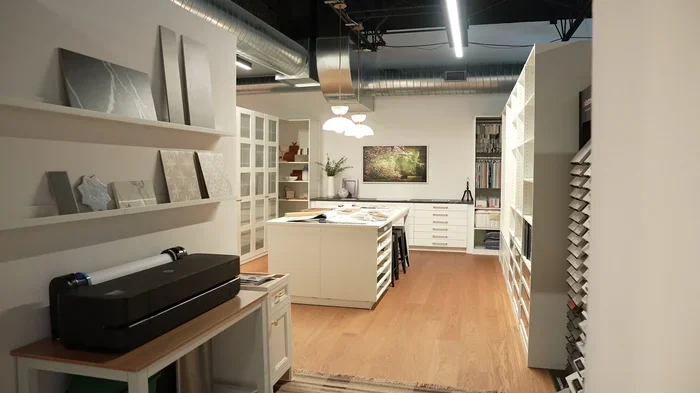
To become an interior designer, you typically need a combination of formal education, hands-on experience, and professional certification. Most designers pursue a bachelor’s or associate degree in interior design, while others build skills through accredited certificate programs and apprenticeships. Understanding design principles, color theory, and spatial planning is essential for success in this creative and rewarding field.
Have you ever walked into a beautifully designed room and thought, “I wish I could create spaces like this”? If so, you are not alone. Interior design is one of the most exciting and rewarding career paths you can choose. But before you dive in, you need to understand what education do you need to be an interior designer.
The answer is not as simple as “get a degree.” The truth is, there are many routes into this profession. Some designers thrive with a four-year bachelor’s degree. Others build successful careers through certificate programs, apprenticeships, or a mix of self-study and hands-on experience. What matters most is that you learn the right skills and gain the knowledge clients and employers trust.
In this guide, we will walk you through every education option available. We will cover degree programs, certifications, licensing requirements, and practical tips to help you choose the best path. Whether you are just starting out or looking to switch careers, this article has everything you need.
Key Takeaways
- A formal degree is not always required: Many states do not mandate a degree, but accredited programs give you a competitive edge.
- Bachelor’s and associate degrees are the most common paths: Each offers different levels of depth and career opportunities.
- Certification and licensing matter: Passing the NCIDQ exam can open doors to higher-paying roles and client trust.
- Portfolio building is critical: Your portfolio showcases your skills and often matters more than your diploma.
- Continuing education keeps you current: Design trends, software, and building codes change constantly.
- Soft skills are just as important: Communication, creativity, and problem-solving set great designers apart.
📑 Table of Contents
- Understanding Interior Design as a Profession
- What Education Do You Need to Be an Interior Designer
- Licensing and Certification Requirements
- Building Your Interior Design Portfolio
- Skills You Will Learn in Interior Design Education
- Continuing Education and Professional Development
- Common Mistakes to Avoid When Pursuing Interior Design Education
- Expert Insights on Interior Design Education
- Conclusion
Understanding Interior Design as a Profession
Interior design is more than picking out furniture and paint colors. It is a profession that blends creativity, technical knowledge, and problem-solving. Designers shape the spaces where people live, work, and relax. They consider function, safety, aesthetics, and budget all at once.
To succeed, you need a solid foundation in design principles. These include color theory, spatial planning, architectural drafting, and material selection. You also need to understand building codes and safety regulations. This is why education matters so much in this field.
What Does an Interior Designer Do?
An interior designer works closely with clients to create functional and beautiful spaces. Their daily tasks may include:
- Meeting with clients to discuss their needs and preferences
- Creating floor plans and design sketches
- Selecting materials, furnishings, lighting, and color palettes
- Managing project budgets and timelines
- Coordinating with contractors, architects, and vendors
- Ensuring designs meet safety and building codes
As you can see, this job requires both artistic talent and technical know-how. That is exactly why a strong education matters.
What Education Do You Need to Be an Interior Designer
The education requirements for interior designers vary by state, employer, and career goals. Let us break down the most common paths so you can find the one that fits you best.
Bachelor’s Degree in Interior Design
A bachelor’s degree is the gold standard for aspiring interior designers. Most programs take four years to complete and offer a deep dive into design theory, history, and practice. You will study courses like spatial design, ergonomics, computer-aided design (CAD), and sustainable design.
Many bachelor’s programs also include internships or studio projects. These give you real-world experience and help you build a professional portfolio. Employers often prefer candidates with a bachelor’s degree, especially for commercial or high-end residential projects.
Look for programs accredited by the Council for Interior Design Accreditation (CIDA). Accreditation ensures your education meets industry standards and prepares you for certification exams.
Associate Degree in Interior Design
An associate degree typically takes two years and offers a faster entry into the field. These programs cover the fundamentals of design, including color theory, textiles, and basic drafting. They are a great option if you want to start working quickly or use the degree as a stepping stone to a bachelor’s program later.
However, an associate degree may limit your career options in some states. Certain licensing and certification paths require a higher level of education. Still, many successful designers began with an associate degree and built their careers through experience and additional training.
Certificate and Diploma Programs
If you already have a degree in another field or want to test the waters, certificate programs are worth considering. These programs focus on specific skills like residential design, kitchen and bath planning, or design software. They usually take a few months to a year to complete.
Certificate programs are ideal for career changers or hobbyists. They do not always qualify you for full licensure, but they can boost your resume and open entry-level opportunities.
Online Interior Design Courses
The rise of online learning has made interior design education more accessible than ever. Many reputable schools now offer fully online bachelor’s and associate programs. You can also find short courses on platforms like Skillshare, Udemy, and LinkedIn Learning.
Online courses offer flexibility, which is perfect if you are working or have other commitments. Just make sure the program is accredited and recognized in the industry. Not all online courses carry the same weight as traditional degrees.
Licensing and Certification Requirements
In many states, interior designers must be licensed to practice professionally. Licensing requirements vary, but most involve a combination of education and experience. Let us look at the key steps.
The NCIDQ Exam
The National Council for Interior Design Qualification (NCIDQ) exam is the most widely recognized certification in the industry. To sit for the exam, you typically need a combination of education and work experience. For example, candidates with a bachelor’s degree usually need about two years of supervised work experience.
Passing the NCIDQ exam demonstrates your competence and professionalism. Many clients and employers look for this certification when hiring designers. It can also lead to higher pay and better job opportunities.
State Licensing Boards
Some states require interior designers to hold a license to practice. Others have no formal licensing requirements at all. States like Florida, Nevada, and Louisiana have strict regulations, while states like Texas and California are more flexible.
Before you commit to a specific education path, check the requirements in your state. This will help you avoid wasted time and money.
Building Your Interior Design Portfolio
Your portfolio is one of the most important tools in your career. It shows potential clients and employers what you can do. A strong portfolio can sometimes matter more than your diploma.
Start building your portfolio early. Include class projects, internship work, and personal design concepts. Use high-quality photos and detailed descriptions of each project. Show a range of styles and spaces, from residential design to commercial design.
Your portfolio also demonstrates your proficiency with design software. Tools like AutoCAD, SketchUp, and Revit are industry standards. Learning these programs during your education gives you a significant advantage.
Tips for a Standout Portfolio
- Include before-and-after photos to show your design impact
- Highlight a variety of project types and styles
- Add client testimonials when possible
- Keep your layout clean and professional
- Update your portfolio regularly with new work
Skills You Will Learn in Interior Design Education
A good interior design program teaches you far more than how to choose fabrics. Here are some of the key skills you will develop:
Design Principles and Theory
You will learn the foundational concepts of design, including balance, proportion, rhythm, and harmony. These principles guide every design decision you make. Understanding them deeply allows you to create spaces that feel intentional and cohesive.
Color Theory and Lighting
Color and lighting can make or break a design. You will study how colors interact, how they affect mood, and how to use lighting to enhance a space. These are skills that separate a good designer from a great one.
Spatial Planning and Architectural Drafting
Interior designers must understand how spaces function. You will learn to read and create floor plans, elevations, and construction documents. This technical knowledge is essential for communicating with contractors and architects.
Material Selection and Sustainability
Modern interior design increasingly focuses on sustainable and eco-friendly materials. You will learn about green building practices, recycled materials, and energy-efficient design. These skills are in high demand as clients become more environmentally conscious.
Client Communication and Project Management
Design is a people-focused profession. You will learn how to understand client needs, manage expectations, and handle conflicts. Strong communication skills help you build long-term relationships and grow your business.
Continuing Education and Professional Development
Your education does not end when you earn your degree or pass your certification exam. The interior design field evolves constantly. New trends, materials, and technologies emerge every year. Continuing education keeps you relevant and competitive.
Many professional organizations offer workshops, webinars, and conferences. These are excellent opportunities to learn new skills and network with other professionals. Staying current also helps you maintain your license and certification in states that require it.
Some designers also pursue specializations through continuing education. Popular areas include kitchen and bath design, hospitality design, and sustainable design. Specializing can help you stand out in a crowded market and attract niche clients.
Common Mistakes to Avoid When Pursuing Interior Design Education
Choosing the right education path can be tricky. Here are some common mistakes to watch out for:
Choosing a Program Based on Price Alone
It is tempting to pick the cheapest program available. But low cost does not always mean low quality. Look for accredited programs with strong reputations and good graduate outcomes.
Ignoring the Importance of Internships
Classroom learning is valuable, but nothing replaces real-world experience. Internships give you hands-on skills, industry connections, and portfolio material. Always look for programs that offer or require internship opportunities.
Overlooking Software Training
In today’s design industry, technical skills are just as important as creative ones. Make sure your education includes training in industry-standard software like AutoCAD, SketchUp, and Revit.
Skipping Networking
Your education is a great time to build your professional network. Attend industry events, join student organizations, and connect with alumni. These relationships can lead to job opportunities and mentorship down the road.
Expert Insights on Interior Design Education
We spoke with several experienced interior designers about what they wish they had known earlier in their careers. Here is what they had to say:
“Your portfolio is your best asset.” Many hiring managers look at portfolios before they look at resumes. Invest time in building a strong, diverse body of work during your education.
“Never stop learning.” The design industry changes fast. Designers who commit to lifelong learning stay ahead of the curve and offer better services to their clients.
“Soft skills matter just as much as technical skills.” Being able to listen to clients, manage projects, and communicate clearly can make or break your career.
Conclusion
So, what education do you need to be an interior designer? The short answer is: it depends on your goals, your state, and your career path. A bachelor’s degree offers the most comprehensive education and opens the widest range of opportunities. An associate degree or certificate program can get you started faster and still lead to a fulfilling career.
No matter which path you choose, focus on building real skills, gaining experience, and creating a strong portfolio. The interior design industry values talent, creativity, and dedication. With the right education and a passion for design, you can build a career that brings beauty and function into people’s lives every single day.
Start exploring your options today. Whether it is a traditional degree program, an online course, or a hands-on apprenticeship, the right education is the first step toward turning your design dreams into reality.
Frequently Asked Questions
Do I need a degree to become an interior designer?
Not always. Some states do not require a formal degree to practice as an interior designer. However, having a degree from an accredited program gives you a significant advantage in the job market. It also qualifies you for certification and licensing in many states.
How long does it take to get an interior design degree?
A bachelor’s degree typically takes four years of full-time study. An associate degree takes about two years. Certificate programs can be completed in a few months to a year, depending on the intensity and scope of the program.
What is the NCIDQ exam and why is it important?
The NCIDQ exam is the standard certification for interior designers in North America. It tests your knowledge of design principles, building codes, and project management. Passing this exam shows employers and clients that you meet professional standards.
Can I study interior design online?
Yes, many accredited schools offer interior design programs online. Online courses provide flexibility and convenience. Just make sure the program is accredited and recognized by industry organizations to ensure your education holds value.
What skills are most important for an interior designer?
Key skills include creativity, spatial awareness, color theory, client communication, and proficiency in design software like AutoCAD and SketchUp. Strong organizational and project management abilities are also essential for handling multiple projects at once.
Is interior design a good career choice?
Absolutely. Interior design offers creative freedom, diverse project types, and strong earning potential. The demand for skilled designers continues to grow as more people invest in improving their homes and workplaces.


