
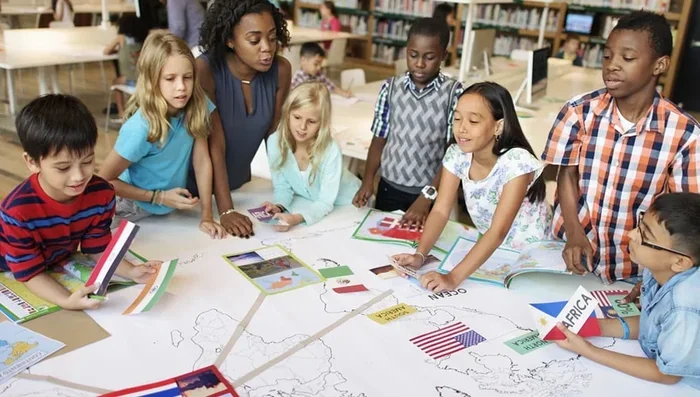
Inclusion in education means creating classrooms where every student, regardless of ability or background, feels welcomed, valued, and supported. It goes beyond simply placing students together — it requires meaningful changes to teaching methods, curriculum, and school culture. Understanding what does inclusion mean in education helps teachers, parents, and policymakers build fairer learning environments. This guide breaks down the core principles, practical strategies, and real benefits of inclusive education for all learners.
Inclusion in education is more than a buzzword. It is a fundamental shift in how we think about teaching and learning. When we ask what does inclusion mean in education, we are really asking a deeper question: do all students feel they belong?
The answer should always be yes. Every child deserves a place in the classroom where they are respected, supported, and given the chance to thrive. But inclusion is not just about physical placement. It is about creating spaces where differences are celebrated and barriers are removed.
Over the past few decades, the concept of inclusive education has grown from a niche idea into a global movement. Schools around the world are rethinking how they serve students with disabilities, language barriers, cultural differences, and varied learning styles. The goal is simple but powerful: no student left behind.
Key Takeaways
- Inclusion in education means every student belongs and participates fully in the learning experience.
- It involves adapting teaching methods, materials, and environments to meet diverse needs.
- Inclusive classrooms benefit all students, not just those with disabilities or learning differences.
- Teachers play a central role in fostering a culture of acceptance and belonging.
- Legal frameworks and policies support the right to inclusive education worldwide.
- Simple daily practices can make a big difference in creating an inclusive school environment.
📑 Table of Contents
- What Does Inclusion Mean in Education?
- Why Does Inclusion Matter?
- Key Principles of Inclusive Education
- Practical Strategies for Creating an Inclusive Classroom
- Challenges of Inclusion in Education
- The Role of Technology in Inclusive Education
- What Does Inclusion Look Like in Practice?
- Legal Frameworks Supporting Inclusion
- Key Takeaways
- Conclusion
What Does Inclusion Mean in Education?
At its core, inclusion in education means that all students — regardless of their abilities, backgrounds, or challenges — learn together in the same environment. It is the opposite of segregation. Instead of pulling students out of general classrooms, inclusive schools adapt their practices to meet everyone where they are.
But inclusion goes further than just sharing a physical space. It involves:
- Designing lessons that diverse learners can access
- Building a classroom culture of respect and empathy
- Providing the right support services for each student
- Involving families and communities in the learning process
- Training teachers to handle a wide range of needs
When schools get this right, student engagement rises. Attendance improves. And every child develops a stronger sense of belonging in school. That is the real power of inclusion.
Inclusion vs. Integration: What Is the Difference?
People often use the words “inclusion” and “integration” interchangeably, but they mean different things. Integration means placing a student with special needs into a mainstream classroom. But the student may still be singled out or expected to keep up without adjustments.
Inclusion, on the other hand, means the entire system changes to welcome that student. The curriculum adapts. The teaching style shifts. The whole classroom culture evolves. Think of it this way: integration brings the student to the existing system. Inclusive practices change the system for the student.
For example, imagine a child who uses a wheelchair. Integration might mean the child is placed in a classroom on the ground floor. But inclusion means the school also ensures the curriculum is accessible, the materials are adapted, and the child is fully part of every activity. One is a location. The other is a mindset.
Why Does Inclusion Matter?
The benefits of equity in education reach far beyond the classroom walls. When schools embrace inclusion, they create communities where everyone wins. Let us look at why this matters so much.
Benefits for Students with Disabilities
Students with learning disabilities or physical challenges often face isolation in traditional settings. Inclusive classrooms give them the chance to learn alongside their peers. They build friendships, develop social skills, and gain confidence. Research shows that students in mainstream classrooms achieve better academic and social outcomes when proper support is in place.
Benefits for All Students
Here is something many people overlook: inclusion helps every student. When children grow up in inclusive classrooms, they learn early that differences are normal and valuable. They develop empathy, patience, and teamwork skills that serve them for life.
Studies have found that students in inclusive settings show stronger problem-solving abilities and greater creativity. They learn to collaborate with people of all abilities — a skill that matters deeply in the real world.
Benefits for Teachers and Schools
Inclusive schools also transform the teaching profession. Teachers who work in inclusive environments develop richer, more flexible teaching skills. They learn to differentiate instruction, use creative assessment methods, and connect with students on a deeper level.
Schools that commit to inclusive practices often see improved overall performance. Teacher morale rises. Parent involvement grows. And the school becomes a model for the wider community.
Key Principles of Inclusive Education
Understanding the building blocks of inclusion helps educators and parents put it into practice. Here are the core principles that guide inclusive education worldwide.
1. Every Student Can Learn
The foundation of inclusion in education is the belief that every child has the capacity to learn. Some students may need different paths to reach the same goal, but every child can grow and succeed. This mindset shapes every decision a school makes.
2. Universal Design for Learning
Universal Design for Learning, or UDL, is a framework that helps teachers create flexible lessons. Instead of designing for the “average” student, UDL builds in options from the start. This way, diverse learners can engage with content in ways that work best for them.
For example, a teacher might offer text, audio, and visual materials for the same lesson. Students can choose the format that helps them learn most effectively. This approach removes barriers before they even appear.
3. Differentiated Instruction
Differentiated instruction means tailoring teaching to meet individual needs. A good teacher does not use the same method for every student. Instead, they adjust content, process, and assessment based on what each learner requires.
This is at the heart of inclusive teaching practices. When a lesson is designed with flexibility, students with special needs can participate meaningfully alongside their classmates.
4. Collaboration and Teamwork
Inclusive schools bring everyone together. Teachers, support staff, parents, and specialists work as a team. They share ideas, track progress, and adjust strategies. This collaborative approach ensures that no student falls through the cracks.
When educators use collaborative learning strategies in the classroom, students also benefit. They learn from one another, share strengths, and build mutual respect.
Practical Strategies for Creating an Inclusive Classroom
Knowing the principles is one thing. Putting them into practice is another. Here are actionable steps any educator can take to build a more inclusive classroom.
Start with a Welcoming Environment
The physical space of a classroom sends a message. Are the materials accessible to all? Are the walls decorated with images that represent diverse learners? Small changes — like adjustable desks, clear signage, and inclusive posters — make a big difference.
Use Multiple Teaching Methods
No single teaching method works for every student. Effective inclusive teaching practices blend lectures, hands-on activities, group discussions, and digital tools. The more ways a lesson is delivered, the more students can connect with the material.
Foster a Culture of Respect
Classroom rules should explicitly value kindness and respect for differences. Teachers can model inclusive language and address exclusionary behavior immediately. When students see that inclusion is a priority, they adopt it as their own.
Leverage Figurative Language to Build Connection
Teachers can use similes for education, metaphors for education, and idioms for education to make lessons more relatable and engaging. For example, comparing learning to a journey with many paths — each unique but equally valid — reinforces the idea that every student has their own strengths. These language tools help create a classroom atmosphere where differences are framed positively and every learner feels seen.
Regularly Seek Feedback
Inclusive classrooms evolve. Teachers should check in with students regularly. What is working? What feels challenging? Feedback from diverse learners helps educators fine-tune their approach and stay responsive to changing needs.
Challenges of Inclusion in Education
Inclusion is not without its hurdles. Let us be honest about the challenges — because acknowledging them is the first step toward overcoming them.
Lack of Resources
Many schools simply do not have enough funding, staff, or materials to fully support inclusion. Support services like speech therapy, counseling, and special education aides require investment. Without these resources, even the most well-meaning teachers struggle to meet every student’s needs.
Insufficient Teacher Training
Not all teachers feel prepared to work in inclusive classrooms. Teacher training programs sometimes fall short in covering adaptive learning strategies and differentiated instruction. Ongoing professional development is essential to bridge this gap.
Resistance to Change
Some parents, educators, and communities resist inclusion. They may worry that it will slow down other students or that it is not realistic. Overcoming this resistance requires education, transparency, and open conversations about the real outcomes of inclusive practices.
Balancing Individual Needs with Group Goals
Every classroom has a curriculum to cover and standards to meet. Teachers must balance the needs of individual students with the goals of the group. This requires careful planning, creativity, and sometimes tough decisions about how to allocate time and attention.
The Role of Technology in Inclusive Education
Technology has opened new doors for inclusion in education. From screen readers to interactive apps, digital tools help diverse learners access content in ways that were impossible just a decade ago.
Adaptive learning platforms adjust the difficulty of content based on each student’s performance. This means a student with a learning disability can work at their own pace without feeling singled out. Meanwhile, advanced learners can be challenged with more complex material — all within the same platform.
Assistive technology also plays a huge role. Text-to-speech tools, captioned videos, and adjustable font sizes remove barriers that once kept students from fully participating. When schools invest in the right technology, accessibility in schools improves dramatically.
What Does Inclusion Look Like in Practice?
Theory is important, but real-world examples bring inclusive education to life. Here are a few scenarios that show inclusion in action.
Example 1: A fifth-grade teacher plans a science lesson on plants. She provides written instructions, a video demonstration, and a hands-on planting activity. Students who struggle with reading can watch the video. Students who learn by doing can get their hands in the soil. Every student engages with the same core content — just through different paths.
Example 2: A middle school uses cooperative learning groups where students of different abilities work together on a project. Each student contributes their unique strengths. One student might excel at research, another at design, and another at presenting. The result is a richer project and stronger relationships among classmates.
Example 3: A high school revises its curriculum to include stories and examples from a wide range of cultures and experiences. This inclusive curriculum helps every student see themselves reflected in their learning and understand perspectives different from their own.
Legal Frameworks Supporting Inclusion
Across the globe, laws and policies protect the right to inclusive education. The United Nations Convention on the Rights of Persons with Disabilities explicitly states that students with disabilities should not be excluded from the general education system. Many countries have similar legislation that guarantees equal access to learning for all children.
In the United States, the Individuals with Disabilities Education Act (IDEA) ensures that students with disabilities receive a free and appropriate public education in the least restrictive environment. This legal foundation has been instrumental in pushing schools toward more inclusive practices.
Understanding these frameworks helps parents and advocates hold schools accountable. It also reminds educators that inclusion is not just a nice idea — it is a right.
Key Takeaways
- Inclusion in education means every student belongs and participates fully in the learning experience.
- It involves adapting teaching methods, materials, and environments to meet diverse needs.
- Inclusive classrooms benefit all students, not just those with disabilities or learning differences.
- Teachers play a central role in fostering a culture of acceptance and belonging.
- Legal frameworks and policies support the right to inclusive education worldwide.
- Simple daily practices can make a big difference in creating an inclusive school environment.
Conclusion
So, what does inclusion mean in education? It means building classrooms where every child is seen, valued, and given the tools to succeed. It is not a one-time fix or a checkbox to tick. Inclusion in education is an ongoing commitment to fairness, flexibility, and respect.
The journey toward truly inclusive schools is not always easy. There are obstacles — funding gaps, training shortages, and outdated mindsets. But the rewards are immense. When we commit to equity in education, we give every student the chance to reach their full potential.
Whether you are a teacher, a parent, or a community member, you have a role to play. Start small. Challenge assumptions. Advocate for change. Because every child deserves a classroom where they can belong, grow, and shine.
The question is not whether inclusion works. The evidence is clear. The real question is: how quickly can we make it the standard, not the exception?
Frequently Asked Questions
What does inclusion mean in education?
Inclusion in education means all students — regardless of their abilities, backgrounds, or challenges — learn together in the same classroom with appropriate support. It is about removing barriers and ensuring every child has equal access to learning and participation.
How is inclusion different from mainstreaming?
Mainstreaming focuses on placing students with special needs into regular classrooms, often with minimal adjustments. Inclusive practices go further by changing the entire system — curriculum, teaching methods, and school culture — to meet the needs of all diverse learners.
What are some examples of inclusive teaching practices?
Examples include using differentiated instruction, offering multiple ways to engage with content, creating accessible physical spaces, and fostering a classroom culture of respect and empathy. Teachers might also use cooperative learning groups and universal design for learning frameworks.
Does inclusion benefit students without disabilities?
Yes, absolutely. Students in inclusive classrooms develop stronger empathy, teamwork, and communication skills. They learn to appreciate differences and build friendships across diverse groups — skills that serve them throughout life.
What role does technology play in inclusive education?
Technology supports accessibility in schools through adaptive learning platforms, assistive devices, and digital tools that cater to different learning styles. These resources help students with learning disabilities and other challenges engage with content more effectively.
How can parents support inclusion in their child’s school?
Parents can advocate for inclusive policies, communicate with teachers about their child’s needs, and reinforce the value of diversity at home. Getting involved in school committees and supporting inclusive curriculum initiatives also makes a meaningful difference.


