
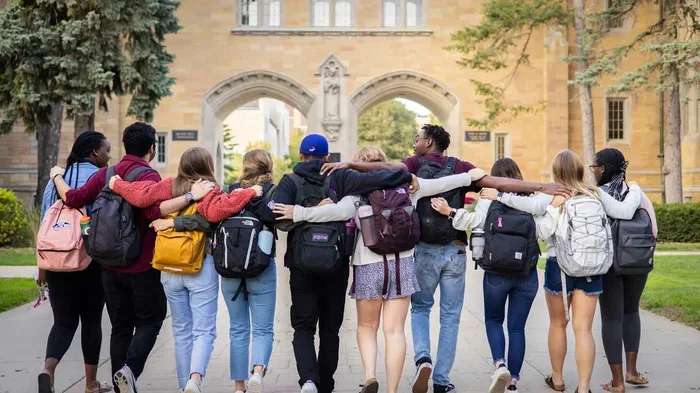
The question of whether college education should be free is one of the biggest debates in education today. Free college could open doors for millions of students, reduce student debt, and boost the economy. However, critics raise valid concerns about funding, quality, and fairness. This article breaks down both sides of the argument with real data and global examples. By the end, you will have a clear picture of what free college really means for students and society.
The rising cost of college has become a major concern for students and families across the country. Every year, thousands of graduates leave school with heavy student loan debt and limited job prospects. This has sparked a big conversation about whether free college education should be available to everyone. The idea sounds great in theory, but the reality is more complicated. In this article, we will explore the arguments for and against tuition-free college, look at how other countries handle it, and discuss what it could mean for your future.
Many people believe that higher education should be a right, not a privilege. Others worry that free college could strain public budgets and lower the quality of programs. Both sides make strong points. Whether you are a high school student planning your next step or a parent saving for your child’s future, understanding this debate is essential. Let us dive into the details and look at the real numbers behind the movement.
Key Takeaways
- Free college education could dramatically reduce student loan debt and increase access to higher learning for all income levels.
- Several countries already offer free or low-cost tuition, proving the model works when properly funded.
- Taxpayer-funded models come with trade-offs, including potential overcrowding and debates about who benefits most.
- The economic impact of tuition-free college includes higher graduation rates, stronger workforce development, and increased consumer spending.
- Free community college programs are already active in several U.S. states and show promising early results.
- Understanding both sides of the debate helps students and families make informed decisions about their education paths.
📑 Table of Contents
- The Current State of College Affordability
- Arguments for Free College Education
- Arguments Against Free College Education
- How Other Countries Handle Free Higher Education
- The Economic Impact of Tuition-Free College
- What Free College Could Mean for You
- Common Mistakes People Make in This Debate
- Quick Tips for Navigating College Costs
- Expert Insights on the Future of College Affordability
- Conclusion
The Current State of College Affordability
College tuition in the United States has skyrocketed over the past few decades. According to recent data, the average cost of attending a four-year public university has increased by over 25 percent in the last ten years alone. Private institutions are even more expensive. This steep rise in college tuition costs has made higher education unreachable for many families, especially those with lower incomes.
The Student Debt Crisis
Today, more than 43 million Americans carry student loan debt. The total amount owed exceeds 1.7 trillion dollars. This student debt crisis affects people’s ability to buy homes, start families, and save for retirement. Many young adults delay major life milestones because of their loan payments.
The financial burden of college does not just affect individuals. It impacts the entire economy. When graduates struggle with debt, they spend less on goods and services. This slows economic growth and reduces overall consumer confidence. The free college education debate is not just about classrooms and campuses. It is about the financial health of an entire generation.
Who Is Most Affected?
Low-income students and first-generation college attendees feel the sting of high tuition the most. These students often work multiple jobs while attending school. They may choose not to enroll at all because the cost feels impossible. This creates a cycle where educational equity remains out of reach for underserved communities.
Middle-class families also face tough choices. They often earn too much to qualify for financial aid but not enough to pay full tuition without taking on significant debt. The gap between what families can afford and what colleges charge continues to widen every year.
Arguments for Free College Education
There are many compelling reasons to support tuition-free universities. Let us look at the strongest arguments that advocates put forward.
1. Increased Access and Enrollment
When college is free, more students from all backgrounds can pursue degrees. Free higher education removes financial barriers that keep talented students from enrolling. Studies show that college enrollment rates increase significantly when tuition is eliminated or heavily subsidized.
More access means a more diverse student body. Campuses benefit from different perspectives, experiences, and ideas. This diversity enriches the learning environment for everyone. It also prepares graduates to work in a global economy that values varied viewpoints.
2. Economic Growth and Workforce Development
A well-educated workforce drives economic growth. When more people earn degrees, the overall skill level of the labor market rises. This leads to higher productivity, innovation, and competitiveness on the world stage. Workforce development depends heavily on affordable access to post-secondary education.
Graduates with degrees also earn higher salaries over their lifetimes. They pay more in taxes, spend more in the economy, and contribute more to their communities. The economic benefits of free college extend far beyond the individual student.
3. Reduced Student Loan Debt
Eliminating tuition would drastically reduce the need for student loans. Graduates could enter the workforce without the heavy weight of monthly loan payments. This freedom allows them to invest in homes, businesses, and families sooner. The ripple effect of reduced student debt could transform the economy.
Without the pressure of loan repayment, many graduates would also be more willing to take career risks. They might start businesses, pursue passion projects, or switch fields for better opportunities. This kind of flexibility fuels creativity and entrepreneurship.
4. A Matter of Basic Fairness
Many supporters argue that education is a fundamental right. Just like public K through 12 schooling, higher education should be accessible to all. The idea that a person’s zip code or family income determines their access to a degree feels fundamentally unfair. Free college education levels the playing field and gives every student a fair shot.
When we remove cost as a barrier, we send a powerful message. We tell every young person that their potential matters more than their bank account. This kind of investment in human capital pays dividends for generations.
Arguments Against Free College Education
The debate has another side that deserves careful attention. Critics raise important concerns about the feasibility and consequences of tuition-free college.
1. Funding and Taxpayer Burden
Free college does not mean free. Someone has to pay for it. In most proposals, the cost would fall on taxpayers through increased taxes or reallocation of government spending. Many people worry that this shifts the financial burden to those who may not directly benefit from free college.
For example, a family that never attended college or sent their children to trade schools might still be asked to fund someone else’s degree. This raises questions about fairness from a different angle. The debate over who should bear the cost is one of the most heated parts of the free college education conversation.
2. Potential Quality Concerns
Critics also worry that a sudden influx of students could strain college resources. If everyone can attend for free, campuses might become overcrowded. Class sizes could grow, and faculty-to-student ratios might suffer. Over time, this could dilute the quality of education that students receive.
There is also concern that free college could lead to a oversaturation of certain degree programs. If everyone has access, the value of some degrees in the job market could decline. Students might find themselves with a degree but without the career opportunities they expected.
3. The Value of a College Degree
Some argue that when college comes with a high price tag, students value it more. They take their education more seriously and are more motivated to complete their degrees. There is a concept sometimes described in educational circles using familiar language, much like the way we use Idioms For College to express ideas about learning and effort. The financial investment students make can drive their commitment to succeed.
Removing the cost entirely might change this dynamic. Students who do not feel a personal financial stake might be less engaged or less likely to finish their programs. Completion rates could drop, and the return on investment for both students and taxpayers could weaken.
4. Alternative Solutions Exist
Critics often point out that there are other ways to make college more affordable without going fully free. Income-driven repayment plans, expanded scholarship programs, and increased grant aid are all options. Some argue that targeting financial support to the students who need it most is a smarter approach than universal free tuition.
These alternative approaches aim to reduce debt without the broad cost of free college for all. They focus resources where the need is greatest and avoid the potential downsides of a one-size-fits-all solution.
How Other Countries Handle Free Higher Education
One of the best ways to understand the free college education debate is to look at countries that have already implemented it. Several nations around the world offer tuition-free or very low-cost higher education with impressive results.
Germany: A Leading Example
Germany offers free tuition at public universities for both domestic and international students. The country funds its higher education system through taxes and government support. The result? High graduation rates, strong research output, and a well-educated workforce that drives innovation.
German universities maintain high academic standards despite offering free tuition. This challenges the idea that free education must come at the cost of quality. The key difference is consistent government investment and a cultural commitment to education as a public good.
Norway and the Nordic Model
Norway, Sweden, and Finland also provide free or nearly free college education. These countries have high tax rates that fund robust social programs, including higher education. Students in Nordic countries graduate with little to no debt and enjoy strong career outcomes.
The Nordic model shows that free college can work when paired with a broader social safety net. It is not just about tuition. It is about a national commitment to supporting citizens at every stage of life, from early childhood education through retirement.
What Can the U.S. Learn?
The U.S. could certainly learn from these international models. However, the American context is different. The country is larger, more diverse, and has a different political and economic structure. What works in a small Nordic nation may not translate directly to the United States. Still, the global evidence proves that tuition-free education is possible and can be successful.
Many advocates point to the way other countries use Metaphors For Education to frame learning as a journey, an investment, and a shared responsibility. This mindset shift is just as important as the financial policies behind free college.
The Economic Impact of Tuition-Free College
The economic impact of tuition-free college is a topic of intense study among economists and policy experts. Research suggests that free college could have wide-reaching effects on the economy, both positive and challenging.
Short-Term Effects
In the short term, free college programs would require significant upfront government spending. Tax revenue would need to increase or existing spending would need to be redirected. Construction and expansion of campuses might be needed to handle increased enrollment.
However, these short-term costs could be offset by long-term gains. More graduates means more tax-paying workers. More workers means more consumer spending. More spending means a stronger economy. The math starts to make sense when you look at the big picture.
Long-Term Benefits
Over time, free higher education could boost GDP, reduce inequality, and strengthen the middle class. Studies estimate that every dollar invested in free college returns several dollars in economic growth over a graduate’s lifetime. The return on investment is hard to ignore.
Free college also helps close wage gaps. When students from low-income backgrounds earn degrees, their lifetime earnings increase significantly. This upward mobility strengthens communities and reduces dependence on social safety net programs. The benefits compound over time and across generations.
The Role of Free Community College
Community colleges play a vital role in the American education system. They offer affordable pathways to careers and transfer opportunities to four-year universities. Several U.S. states have already launched free community college programs with positive results.
Programs like Tennessee Promise and Oregon Promise have shown that free community college increases enrollment and completion rates. These programs prove that free college is not just a theoretical idea. It is already working in parts of the country. Advocates argue that expanding these models nationwide is a logical next step.
Students who start at community college often save thousands of dollars before transferring to a four-year school. This approach combines the affordability of free community college with the prestige and opportunity of a university degree. It is a practical path that many families are already using successfully.
What Free College Could Mean for You
If college education were free, the impact would be deeply personal for millions of students and families. Let us consider what this change could look like in real life.
Imagine graduating from college with zero debt. You could start your career without the weight of monthly loan payments hanging over your head. You could save for a home, start a family, or invest in your future without financial stress. This is the reality that free college promises for many students.
For parents, free college removes the need to save thousands of dollars for a child’s education. It takes away the anxiety of rising tuition costs and the pressure to choose between paying for college and covering other family needs. Families could breathe a little easier knowing that higher education is within reach.
Students from marginalized communities would benefit the most from free college. Access to degrees would no longer depend on family wealth or background. Talent and hard work would be the only things that matter. This is the kind of equality that many people believe our education system should deliver.
Of course, free college is not a magic solution. It will not fix every problem in the education system. But it is a powerful step toward a more equitable and prosperous future. The conversation about should college education be free is not just a policy debate. It is a conversation about the kind of society we want to build.
As we wrap up this discussion, it is worth remembering that education has always been compared to many things. Much like how we use Similes For College to draw comparisons and make ideas clearer, the free college debate helps us see the value of education from new angles. The question is not just whether we can afford to make college free. It is whether we can afford not to.
Common Mistakes People Make in This Debate
- Assuming free means low quality. Many countries with free college maintain excellent academic standards through consistent funding and oversight.
- Thinking only the rich pay for it. Free college is funded through taxes, which means broad participation from all income levels, not just the wealthy.
- Ignoring the trade-offs. Every policy has pros and cons. Honest discussion requires acknowledging both sides equally.
- Confusing free tuition with free college. Tuition is only one part of the cost. Room, board, books, and fees still need to be covered.
- Overlooking existing programs. Many scholarships, grants, and state programs already make college more affordable. Free college builds on these foundations.
Quick Tips for Navigating College Costs
- Apply for every scholarship you qualify for. Even small awards add up and reduce your need for loans.
- Start at a community college. Complete your general education courses at a fraction of the cost before transferring.
- Fill out the FAFSA every year. This unlocks federal grants, loans, and work-study opportunities that can significantly reduce costs.
- Consider in-state public universities. They offer the lowest tuition rates for residents and often have strong academic programs.
- Look into employer tuition assistance. Many companies offer education benefits that can cover part or all of your tuition.
- Create a detailed budget. Track every expense and avoid unnecessary debt. Living lean during college pays off after graduation.
Expert Insights on the Future of College Affordability
Education policy experts agree that the current system is not sustainable. The cost of college continues to rise faster than wages and inflation. Something has to change. The question is what that change looks like.
Dr. Sara Goldrick-Rab, a leading researcher on college affordability, has spent years studying the impact of free college programs. Her work shows that removing financial barriers is one of the most effective ways to increase degree completion and economic mobility. She argues that free college is not just good for students. It is good for the entire economy.
Other experts caution that free college alone is not enough. They point out that students also need strong academic support, career counseling, and affordable housing to truly succeed. Free college education is an important piece of the puzzle, but it must be part of a broader strategy that addresses all the factors affecting student success.
What is clear is that the conversation is not going away. As tuition costs continue to climb and student debt reaches record levels, more Americans are demanding change. The debate over should college education be free will shape education policy for years to come. And the decisions made today will affect millions of students for generations.
Conclusion
The debate over should college education be free is complex and deeply personal. There are strong arguments on both sides. Free college offers the promise of wider access, reduced debt, and stronger economic growth. But it also comes with real challenges around funding, quality, and fairness.
What is clear is that the current system is broken. Millions of students and families are struggling under the weight of college costs. Something needs to change. Whether that change comes in the form of fully free tuition, expanded grants, or targeted support, the conversation must continue.
Every student deserves the chance to pursue higher education without being held back by finances. The path forward may not be simple, but it is worth fighting for. The question is no longer whether free college is possible. The question is whether we have the collective will to make it happen.
As you think about your own education journey, remember that knowledge is power. Stay informed, explore all your options, and never let cost alone stand between you and your dreams. The future of free college education starts with conversations like this one. And it starts with people like you who care enough to ask the hard questions.
Frequently Asked Questions
Is free college education really possible in the United States?
Yes, free college is possible, but it would require significant changes to how higher education is funded. Several countries already do it successfully, and some U.S. states have launched free community college programs. The main challenge is finding the funding, which would likely come from increased taxes or reallocation of government spending.
Who would pay for free college if it were implemented?
In most proposals, the cost would be covered by taxpayers through higher income taxes or taxes on wealth and corporate profits. Some plans also suggest redirecting existing education funding. The goal is to spread the cost across society so that everyone benefits from a more educated workforce.
Does free college mean all college costs are covered?
Not always. Free college typically covers tuition only. Students still need to pay for room and board, books, supplies, and other fees. Some free college programs also include living stipends or financial support for these additional costs, but this varies by program and state.
How does free college affect the quality of education?
Quality depends on how the program is designed and funded. Countries like Germany and Norway offer free tuition while maintaining high academic standards through consistent government investment. However, if funding is insufficient or enrollment grows too quickly without corresponding resources, quality could be at risk.
What are the biggest benefits of free college education?
The biggest benefits include increased access for low-income students, reduced student loan debt, higher graduation rates, stronger workforce development, and greater economic growth. Free college also promotes educational equity and gives every student a fair chance to succeed regardless of their financial background.
Are there any downsides to making college free for everyone?
Potential downsides include higher taxes for citizens, possible overcrowding at colleges, concerns about degree oversaturation in some fields, and debates about whether everyone benefits equally from free tuition. Critics also argue that targeted financial aid might be a more efficient use of public funds than universal free college.


