
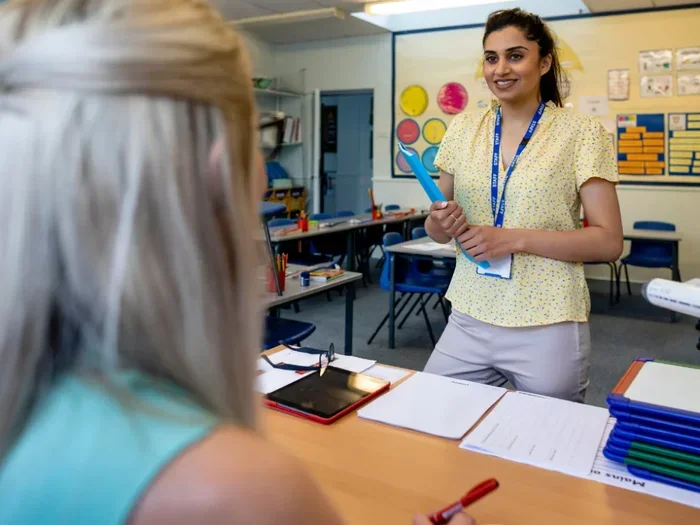
An instructional coach works closely with teachers to improve classroom instruction and boost student learning. They model lessons, provide feedback, and help educators adopt new teaching strategies. Think of them as a partner who helps teachers grow without being evaluative or threatening.
What does an instructional coach actually do in a school setting? If you have heard this term floating around in education circles, you are not alone. The role has grown rapidly over the past decade, and for good reason. Schools need someone who can help teachers get better at what they do every single day.
An instructional coach is not a principal. They are not in charge of discipline or test scores. Instead, they are a dedicated partner for teachers. Their whole job revolves around making classroom instruction stronger and more effective. This means working side by side with educators to try new ideas, sharpen skills, and ultimately help students learn better.
In this article, we will break down the role of an instructional coach in plain language. You will learn what they do each day, why schools hire them, and how their work creates real change. Whether you are a teacher curious about coaching or an administrator considering the role, this guide has you covered.
Key Takeaways
- Role Clarity: An instructional coach focuses on improving teaching practice through collaboration, not evaluation.
- Student-Centered Impact: Their work directly raises student learning outcomes by helping teachers refine their methods.
- Key Responsibilities: They model lessons, co-plan, observe classrooms, and deliver targeted professional development.
- Coaching Cycles: Most coaches follow structured cycles of planning, teaching, observing, and reflecting.
- School-Wide Change: Coaches drive school improvement by building a culture of continuous learning among staff.
- Not a Evaluator: A critical distinction is that coaches support growth, not judge performance.
📑 Table of Contents
- What Is an Instructional Coach?
- Core Responsibilities of an Instructional Coach
- How Instructional Coaches Support Teachers
- Instructional Coaching Models and Cycles
- The Impact of Instructional Coaching on Schools
- Common Misconceptions About Instructional Coaches
- Quick Tips for Teachers Working with an Instructional Coach
- Conclusion
What Is an Instructional Coach?
An instructional coach is a trained professional who supports teachers in improving their teaching practices. They focus on the art and science of how lessons are delivered. Their goal is simple but powerful: help every teacher become the best version of themselves in the classroom.
Unlike evaluators or administrators, coaches do not sit in judgment. They build trust. They listen first. They ask questions. Their approach is collaborative from day one. A good coach meets teachers exactly where they are and walks alongside them toward growth.
Why Schools Hire Instructional Coaches
Schools hire coaches because teacher quality is the single biggest factor in student success. Research shows that great teaching changes lives. But even the best teachers can sharpen their skills. That is where a coach comes in.
Here are some common reasons schools bring on an instructional coach:
- To improve student achievement: When test scores or engagement dips, a coach helps teachers adjust their methods.
- To support new teachers: First-year educators often feel overwhelmed. A coach provides guidance and a safe space to ask questions.
- To introduce new curricula: When a school adopts a new program, a coach helps teachers learn how to use it well.
- To build a learning culture: Coaches help schools become places where everyone keeps growing.
Core Responsibilities of an Instructional Coach
The day-to-day work of an instructional coach varies from school to school. But most coaches share a common set of responsibilities. These duties all center on one idea: making classroom instruction better through direct support to teachers.
Modeling Lessons
One of the most powerful things a coach does is model a lesson. This means they step into the classroom and teach alongside the teacher. They show what a strong lesson plan looks like in action. Teachers can watch, take notes, and ask questions afterward.
Modeling removes the mystery of good teaching. When a coach demonstrates a strategy, teachers see it up close. They can then adapt the approach for their own style and students.
Co-Planning Lessons
Coaches often sit down with teachers to plan lessons together. This is called co-planning. During these sessions, they discuss instructional strategies, student needs, and learning goals.
Co-planning is not about doing the work for the teacher. It is about thinking through the lesson together. A coach might suggest a different way to introduce a concept or recommend a formative assessment to check for understanding.
Observing and Giving Feedback
After a lesson, a coach provides thoughtful feedback. This is not a critique. It is a conversation. They talk about what went well and what could be adjusted. Good feedback is specific, kind, and actionable.
Many coaches use a framework for observations. They might focus on one area at a time, such as student engagement or questioning techniques. This keeps feedback focused and manageable.
Leading Professional Development
Coaches frequently lead professional development sessions for groups of teachers. These sessions might cover topics like data-driven instruction, differentiated learning, or technology integration.
Unlike traditional PD workshops, coaching-led sessions are hands-on. Teachers practice what they learn right away. They leave with tools they can use the very next day in their classrooms.
How Instructional Coaches Support Teachers
Support is at the heart of coaching. An instructional coach meets teachers where they are. They do not push a one-size-fits-all approach. Instead, they tailor their support to each teacher’s strengths and growth areas.
Building Trust and Relationships
Trust is everything in coaching. Teachers need to feel safe trying new things. A coach creates that safety by being consistent, respectful, and confidential.
Think about it this way. If a teacher knows their coach is there to help, not to judge, they are much more likely to take risks. And taking risks is where real growth happens.
Using Data to Guide Growth
Coaches lean on data. They look at student assessment results, classroom observations, and learning outcomes. This data helps them identify patterns and areas where teachers can improve.
But data is not used to punish. It is used to inform. A coach might notice that several students struggle with fractions. They then work with the teacher to adjust the instructional strategies for that unit.
Providing Ongoing, Job-Embedded Support
One of the biggest advantages of coaching is that it happens in real time. Teachers do not have to wait for a yearly workshop. They get support right in their own classroom. This is called job-embedded professional development, and it is incredibly effective.
Research shows that ongoing support leads to better teacher retention. Teachers stay in schools where they feel supported and valued. Coaches play a huge role in creating that sense of belonging.
Instructional Coaching Models and Cycles
Most instructional coaches follow a structured approach. These frameworks keep coaching organized and focused. They also ensure that every teacher gets consistent support.
The Coaching Cycle
The most common model is the coaching cycle. It typically has four phases:
- Plan: The coach and teacher identify a goal and design a lesson together.
- Teach: The coach models the lesson or co-teaches with the teacher.
- Observe: The coach watches the lesson and gathers notes.
- Reflect: They debrief and discuss what worked and what to try next.
This cycle repeats throughout the year. Each round builds on the last. Teachers see steady progress because the support is continuous and focused.
Peer Coaching and Collaborative Learning
Some schools use peer coaching models. In these setups, teachers coach each other with guidance from the instructional coach. This creates a culture of shared learning. Everyone grows together.
Peer coaching also reduces the feeling of isolation that many teachers experience. When colleagues support one another, the whole school benefits. This connects closely to the idea of a professional learning community.
The Impact of Instructional Coaching on Schools
When done well, coaching transforms schools. The effects go far beyond individual classrooms. Let us look at the bigger picture of what an instructional coach brings to a school community.
Improving Student Learning Outcomes
The ultimate goal of any coach is better results for students. When teachers improve their instructional strategies, students learn more. They engage more deeply. They retain information longer.
Studies have shown that schools with strong coaching programs see gains in student achievement. These gains are especially notable in schools serving underserved communities. Coaching can be a powerful equalizer.
Driving School-Wide Improvement
A coach does not just work with one teacher. They work with many. Over time, their influence spreads across the school. They help align curriculum design efforts and set shared goals for instructional quality.
This school-wide impact is what makes coaching so valuable. It is not a quick fix. It is a long-term investment in educator development and school improvement.
Boosting Teacher Confidence and Morale
Teaching is hard work. Burnout is real. A coach who listens and encourages can make a huge difference in a teacher’s confidence. When teachers feel supported, they are more motivated and more likely to stay in the profession.
Strong teacher retention saves schools money and keeps students stable. A coach contributes to this in a meaningful way, even if they never sit in an office doing paperwork.
Common Misconceptions About Instructional Coaches
Despite the growing popularity of coaching, some misconceptions remain. Let us clear a few of them up.
Coaches Are Evaluators
This is the biggest myth. An instructional coach is not there to rate or judge teachers. They are there to support growth. In most schools, coaching and evaluation are kept completely separate. This distinction is essential for building trust.
Coaches Only Work with Struggling Teachers
Coaches support teachers at every level. Veteran educators benefit just as much as new ones. A coach might help an experienced teacher try a fresh pedagogical approach or integrate a new technology tool into their practice.
Great coaches work with everyone. They see potential in every teacher and help them reach it.
Coaching Replaces Professional Development
Coaching does not replace workshops or training. It complements them. Professional development gives teachers new knowledge. Coaching helps them apply that knowledge in their own classrooms. Together, they create a powerful growth system.
Quick Tips for Teachers Working with an Instructional Coach
If you are a teacher about to work with a coach, here are some tips to get the most out of the experience:
- Be open to feedback: Growth requires honesty. Welcome suggestions without defensiveness.
- Set clear goals: Know what you want to improve before coaching sessions begin.
- Try new things: Step outside your comfort zone. That is where learning happens.
- Communicate openly: Tell your coach what is working and what is not.
- Celebrate small wins: Progress is progress, no matter how small.
Remember, coaching is a partnership. The more you invest in it, the more you get out of it. If you want to explore how language and expression shape teaching culture, you might enjoy learning about idioms for education or checking out similes for education to see how figurative language enriches communication in schools.
Conclusion
An instructional coach plays a vital role in modern education. They support teachers, improve classroom instruction, and drive better results for students. Their work is collaborative, data-informed, and always focused on growth.
Schools that invest in coaching invest in their people. And when teachers grow, students win. The role of the instructional coach is not just a trend. It is a proven strategy for lasting school improvement.
If your school does not have a coaching program yet, it might be time to consider one. The impact can be transformative. And if you are a teacher, embrace the opportunity to work with a coach. Your growth, and your students’ growth, will thank you for it.
To deepen your understanding of how language shapes educational environments, explore resources on metaphors for education and discover how figurative expressions influence the way we talk about teaching and learning.
Frequently Asked Questions
What is the main job of an instructional coach?
The main job of an instructional coach is to support teachers in improving their classroom instruction. They do this through modeling, co-planning, observing, and giving feedback. Their focus is always on helping educators grow and ultimately boosting student learning outcomes.
How is an instructional coach different from a school administrator?
An administrator manages the school. They handle discipline, schedules, and policies. A coach focuses purely on teaching and learning. They do not evaluate teachers. Instead, they partner with them to refine instructional strategies and improve student engagement.
Do all schools have instructional coaches?
Not all schools do, but the trend is growing. More schools are recognizing the value of coaching for professional development and teacher retention. Schools with coaching programs often see stronger school improvement results over time.
What skills does an instructional coach need?
A great coach needs strong communication skills, deep pedagogical knowledge, and the ability to build trust. They must be good listeners, patient, and flexible. Data analysis skills are also important for guiding data-driven instruction and setting meaningful goals.
Can an instructional coach work with experienced teachers?
Absolutely. Coaching is not just for new teachers. Veteran educators benefit from fresh perspectives and new teaching strategies. A coach helps experienced teachers refine their craft and stay inspired throughout their careers.
How long does it take to see results from instructional coaching?
Results vary, but many schools notice positive changes within a few months of starting a coaching program. Consistent coaching cycles and ongoing support lead to steady improvements in both teacher growth and student achievement over the course of a school year.


