
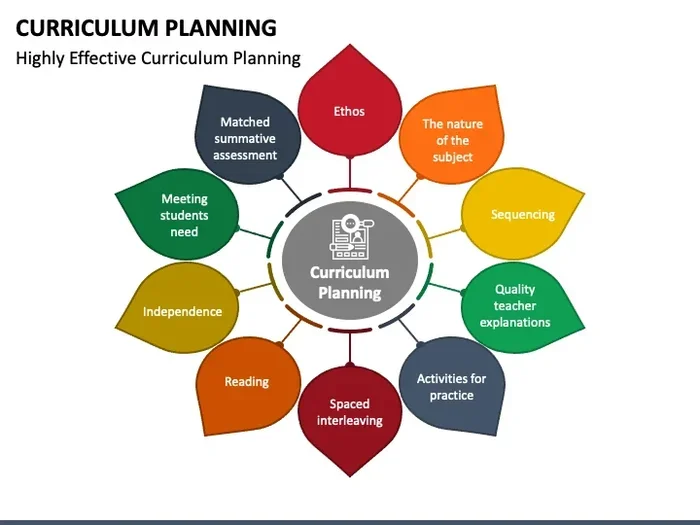
The curriculum in education is the backbone of every learning experience. It defines what students learn, how they learn it, and how their progress is measured. A well-designed curriculum connects teachers, students, and parents through clear learning goals and structured lesson plans.
Have you ever wondered what actually guides learning in schools? What do teachers follow when they plan their lessons? The answer is simple. It is the curriculum. But the curriculum in education is much more than a list of books. It is a complete framework that shapes how students grow, learn, and succeed.
Understanding what is curriculum in education helps parents, teachers, and students see the bigger picture. It explains why some classrooms feel engaging and others feel disconnected. A strong educational framework connects every lesson to a larger purpose. It gives direction to teachers and clarity to learners. In this article, we will break down the curriculum meaning, explore its types, and show you why it truly matters.
Whether you are a curious parent, a new teacher, or a student wanting to understand your own learning journey, this guide has you covered. Let us dive into the world of curriculum design and discover how it impacts every classroom on the planet.
Key Takeaways
- Curriculum sets the roadmap: It tells educators and students exactly what topics and skills to focus on each year.
- It comes in different types: From written documents to hidden lessons, curriculum shapes learning in many ways.
- Good curriculum boosts student outcomes: Clear goals and strong teaching methods lead to better academic results.
- Technology plays a growing role: Digital tools are now a key part of modern curriculum design.
- Regular updates keep it relevant: Education systems must revise curriculum to meet changing world needs.
📑 Table of Contents
What Is Curriculum in Education?
The curriculum definition is straightforward. It is the total plan of what students will learn during their time in school. This includes subjects, topics, skills, and even the values they pick up along the way. Think of it as a map. It shows the starting point and the destination.
But a course of study is not just about textbooks. It covers everything from classroom activities to homework assignments. It also includes the methods teachers use to deliver content. When schools build a strong instructional design, they create a path that helps every student move forward step by step.
Why Curriculum Matters for Students
A clear learning goals system gives students direction. They know what is expected of them. They can track their own progress. This sense of purpose keeps them motivated. Without a structured plan, learning becomes random and confusing.
When students understand their academic standards, they feel more in control. They can see how each lesson connects to the next. This builds confidence and curiosity. A well-built curriculum turns confusion into clarity.
Why Curriculum Matters for Teachers
Teachers also benefit from a solid curriculum planning process. It saves time. It reduces guesswork. Instead of starting from scratch every day, educators can follow a proven pedagogical approach. This lets them focus on what matters most, which is helping students understand the material.
Good curriculum also supports teacher creativity. It gives a framework but leaves room for personal teaching style. Teachers can add their own examples, games, and activities within the structure. This balance keeps lessons fresh and effective.
Types of Curriculum in Education
Not all curriculum in education looks the same. Different schools and systems use different approaches. Let us explore the main types you will encounter.
Written Curriculum
This is the official document. It lists the subjects, topics, and skills students must learn. School boards and education departments create it. It serves as the primary guide for all classrooms. You can think of it as the rulebook for learning.
Taught Curriculum
The taught curriculum is what actually happens in the classroom. It is how teachers bring the written plan to life. Two teachers might follow the same written curriculum but teach it very differently. One might use group work. Another might rely on lectures. Both are delivering the same content but in their own style.
Hidden Curriculum
This one surprises many people. The hidden curriculum includes the lessons students learn without direct instruction. These are the values, behaviors, and social norms picked up at school. For example, students learn teamwork by working in groups. They learn respect by following classroom rules. These unwritten lessons are powerful.
You can find more about how language shapes these hidden lessons through similes for education, which shows how figurative language influences classroom communication and student expression.
Supported Curriculum
The supported curriculum includes the tools and resources that help teaching happen. Textbooks, computers, lab equipment, and field trips all fall under this category. Without proper support, even the best written curriculum falls flat.
Key Components of a Strong Curriculum
Building a great curriculum in education requires careful attention to several key parts. Each piece plays a vital role in the overall learning experience.
Learning Objectives
Every curriculum starts with clear learning objectives. These are specific statements about what students should know or be able to do by the end of a lesson or unit. Good objectives are measurable and realistic. They give both teachers and students a target to aim for.
Assessment Methods
How do we know students are learning? Through assessment criteria. Tests, quizzes, projects, and presentations all serve as assessment tools. A balanced curriculum uses a mix of these methods. This gives a fuller picture of each student’s progress.
Instructional Strategies
The way teachers deliver content matters just as much as the content itself. Instructional strategies include lectures, discussions, hands-on activities, and technology-based lessons. A strong curriculum design incorporates a variety of strategies to reach different types of learners.
Scope and Sequence
Scope refers to how much content is covered. Sequence refers to the order in which it is taught. A well-organized curriculum builds knowledge gradually. It starts with basics and moves toward more complex ideas. This logical flow helps students connect new information to what they already know.
How Curriculum Shapes the Education System
The education system in any country depends heavily on its curriculum. It sets the tone for what is valued in schools. It influences how students are evaluated. It even affects what careers students pursue later in life.
National vs. Local Curriculum
Some countries use a national curriculum. This means every school follows the same plan. Others allow local districts to create their own version. Both approaches have pros and cons. A national curriculum ensures consistency. A local curriculum allows for cultural relevance and flexibility.
The Role of Curriculum Development
Curriculum development is the process of creating and updating educational plans. It involves educators, experts, and policymakers. They study student needs, research best practices, and design programs that work. This process never truly ends. Good curriculum evolves with society and technology.
Understanding how language and expression shape learning is also important in curriculum design. For instance, exploring metaphors for education can reveal how figurative language deepens students’ understanding of complex concepts and makes lessons more memorable.
Curriculum and Student Outcomes
There is a direct link between curriculum quality and student outcomes. When a curriculum is well-designed, students perform better. They develop critical thinking skills. They become more engaged learners. Poorly designed curriculum, on the other hand, can leave gaps in knowledge and motivation.
The Evolution of Curriculum Over Time
Curriculum has changed a lot over the decades. What students learned fifty years ago looks very different from today. Let us look at how curriculum in education has evolved.
Traditional Curriculum
In the past, curriculum focused heavily on memorization and rote learning. Students memorized facts and repeated them on tests. The teacher was the center of attention. Textbooks ruled the classroom. While this approach had some value, it often ignored creativity and deeper understanding.
Modern Curriculum
Today, curriculum planning emphasizes critical thinking, collaboration, and real-world application. Students are encouraged to ask questions and solve problems. Technology plays a bigger role than ever before. The modern learning experience is interactive, personalized, and student-centered.
You can also explore how figurative language and creative expression enrich the modern classroom through idioms for education, which highlights the role of colorful language in making lessons engaging and culturally rich.
Future Trends in Curriculum
What does the future hold for curriculum design? Several trends are shaping what comes next. Artificial intelligence and personalized learning platforms are becoming common. Project-based learning is gaining popularity. Schools are also placing more emphasis on social-emotional skills alongside academics. The curriculum of tomorrow will be more flexible and adaptive than ever before.
Common Mistakes in Curriculum Design
Even well-intentioned educators can make mistakes when building a curriculum in education. Being aware of these pitfalls helps you avoid them.
- Overloading students: Too much content leads to burnout. A good curriculum balances depth with manageability.
- Ignoring student feedback: Students know what works. Their input should shape the learning process.
- Skipping assessment: Without proper evaluation, you cannot tell if the curriculum is actually working.
- Following outdated methods: Education must evolve. Sticking to old techniques limits student growth.
- Neglecting equity: Every student learns differently. A strong curriculum addresses diverse needs and learning styles.
Quick Tips for Understanding Curriculum Better
- Ask your teacher or school what the learning objectives are for each unit.
- Review the syllabus at the start of every course to see the big picture.
- Track your own progress against the stated academic standards.
- Discuss curriculum planning with parents to understand what your school values.
- Explore different teaching methods to find what works best for your learning style.
Conclusion
The curriculum in education is the foundation of every meaningful learning experience. It connects teachers to students, goals to actions, and classrooms to the real world. A well-designed educational framework empowers learners and sets them up for long-term success.
Whether you are a teacher planning lessons or a student navigating your academic journey, understanding curriculum gives you an advantage. It turns confusion into direction. It turns random lessons into a purposeful path. The next time you step into a classroom, remember that every activity, every assignment, and every discussion is shaped by the curriculum behind it.
Take what you have learned here and apply it. Ask better questions. Seek clearer goals. And always remember that the right curriculum design can transform the way you learn and teach. The future of education starts with a strong plan, and that plan is the curriculum.
Frequently Asked Questions
What is the simple definition of curriculum in education?
The curriculum in education is the overall plan of what students will learn in school. It includes subjects, topics, skills, and the methods used to teach them. Think of it as a roadmap for learning.
What are the main types of curriculum?
The main types include the written curriculum, taught curriculum, hidden curriculum, and supported curriculum. Each type plays a different role in shaping the overall learning experience and educational outcomes.
How does curriculum affect student outcomes?
A well-designed curriculum in education directly improves student outcomes. It provides clear learning goals, structured lessons, and fair assessment methods. Students in strong curriculum programs tend to perform better and stay more engaged.
What is the difference between syllabus and curriculum?
A syllabus is a document that outlines a single course. The curriculum is broader. It covers all courses and learning experiences across a grade level or entire school system. The syllabus is one piece of the larger curriculum puzzle.
Why is curriculum development important?
Curriculum development ensures that educational content stays current and effective. It involves researching best practices, updating academic standards, and designing programs that meet student needs. Without ongoing development, education becomes outdated.
Can curriculum be changed or updated?
Yes, curriculum is not permanent. It evolves based on new research, societal changes, and student needs. Schools and education boards regularly revise the curriculum in education to keep it relevant, inclusive, and effective for modern learners.


