
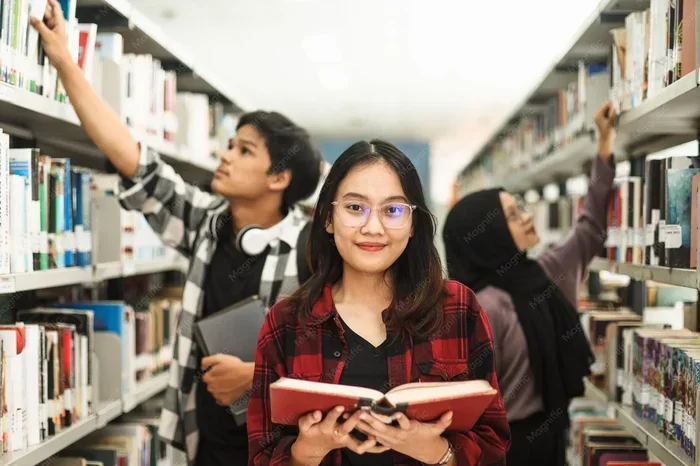
The debate over whether education should be free is shaping societies worldwide. Free education opens doors, reduces inequality, and empowers millions to build better lives. This guide breaks down the key arguments, real-world examples, and practical solutions so you can understand why free education matters more than ever.
Key Takeaways
- Free education boosts equality: It gives every learner a fair shot regardless of income or background.
- Economies grow stronger: Countries with accessible education see higher innovation and productivity.
- Student debt drops dramatically: Removing tuition fees lifts a massive financial burden from young adults.
- Challenges exist but are solvable: Funding models and quality control need smart planning.
- Free education benefits society as a whole: Healthier communities, lower crime rates, and stronger civic engagement follow.
- Global examples prove it works: Countries like Germany, Finland, and Norway show successful free education models.
📑 Table of Contents
- Should Education Be Free Unlocking A Brighter Future
- Why Free Education Matters
- The Case Against Free Education
- Real-World Examples of Free Education
- The Hidden Costs of Paid Education
- How Free Education Transforms Communities
- Challenges and Solutions for Free Education
- The Future of Free Education
- Conclusion
Should Education Be Free Unlocking A Brighter Future
Imagine a world where every child, no matter their background, gets a fair shot at learning. That is the dream behind the idea that education should be free. The question should education be free has sparked heated debates in living rooms, classrooms, and government halls for decades. It is not just a policy question. It is a moral one.
When we talk about free education, we mean more than just no tuition bills. We mean removing every barrier that stands between a learner and their potential. From textbooks to transportation, from school meals to technology access, free education means the system works for everyone. And right now, millions of bright minds are being left behind simply because they cannot afford it.
Let us dive deep into this topic. We will look at the arguments for and against, explore real-world examples, and talk about what a future with free education could look like. Whether you are a student, a parent, a teacher, or just someone who cares about fairness, this guide has something for you.
Why Free Education Matters
The Power of Equal Opportunity
At its core, the push for free education is about fairness. Every person deserves a chance to learn, grow, and succeed. But when schools come with price tags, only the wealthy get in. This creates a cycle where poverty passes from one generation to the next.
Free education breaks that cycle. It levels the playing field. A child born in a low-income family deserves the same shot at a great career as a child from a wealthy household. When we make learning free and accessible, we send a powerful message: your background does not define your future.
Think about it this way. Some people say knowledge is power, and they are right. But that power should never be locked behind a paywall. If we truly believe in equal opportunity, then free education is not a luxury. It is a necessity.
Economic Benefits for Society
Here is something many people overlook. Free education does not just help students. It helps entire economies. When more people have access to quality learning, societies see higher productivity, more innovation, and stronger growth.
Countries that invest in public education tend to have lower unemployment rates. Workers with better education earn more, spend more, and contribute more to the economy. It is a cycle that feeds itself. The initial cost of making education free pays for itself many times over.
Let us put some numbers on it. Studies show that for every dollar spent on free education, economies see returns of up to seven dollars in growth. That is a massive return on investment. Governments that fund free schooling are not spending blindly. They are building the foundation for long-term prosperity.
The Case Against Free Education
Funding and Sustainability Concerns
Not everyone is convinced that free education is the answer. One of the biggest concerns is money. Who pays for it? Where does the funding come from? These are valid questions, and they deserve honest answers.
Critics argue that taxpayer-funded education places a heavy burden on public budgets. They worry about rising costs and whether governments can sustain free programs long-term. In some countries, school systems already struggle with overcrowding, outdated materials, and underpaid teachers. Adding free access to higher education might make these problems worse.
But here is the thing. The funding challenge is real, but it is not impossible. Smart education policy can address it. Progressive taxation, public-private partnerships, and reallocation of existing funds are all viable paths. The problem is not a lack of money. It is a lack of political will.
Quality and Value Concerns
Another argument against free education is that it might reduce quality. When something is free, some people worry it becomes less valued. Critics point to overcrowded classrooms and stretched resources in public schooling systems as proof.
However, this argument misses the point. The issue is not whether education is free or paid. The issue is how it is managed and funded. Countries like Finland prove that free education and high quality can go hand in hand. Finnish schools consistently rank among the best in the world, and they charge zero tuition.
The key is proper education reform. When governments invest wisely and hold institutions accountable, free schooling does not lower standards. It raises them by bringing more talent into the system.
Real-World Examples of Free Education
Countries Leading the Way
Some countries have already embraced the idea that education should be free. Their success stories offer valuable lessons for the rest of the world.
Germany offers free higher education at public universities, even for international students. This has attracted thousands of learners and boosted the country’s global reputation. Finland provides free education from kindergarten through university, and their system is widely regarded as one of the best on earth.
Norway and Sweden also offer free schooling at all levels. These countries show that when governments commit to free education, the results speak for themselves. Graduates are more employable, economies are more innovative, and communities are more engaged.
Lessons From the Nordic Model
The Nordic countries share a common philosophy. They believe that education is a right, not a privilege. This belief shapes their entire education system, from how schools are funded to how teachers are trained.
What can we learn from them? First, free education requires strong public institutions. Second, it demands consistent funding over many years. Third, it works best when paired with other supports like mental health services, career counseling, and learning resources for all students.
The Nordic model is not perfect. No system is. But it shows that free education is not just a fantasy. It is a proven, practical approach that delivers real results.
The Hidden Costs of Paid Education
Student Debt Crisis
In countries where education is not free, students often carry massive debt. In the United States alone, over 1.7 trillion dollars in student loans burden millions of graduates. This debt delays homeownership, discourages entrepreneurship, and creates long-term financial stress.
When we ask should education be free, the student debt crisis is impossible to ignore. Young people are starting their adult lives with heavy financial anchors. Many choose lower-paying jobs because they need to pay off loans. Others avoid higher education altogether because the cost feels impossible.
Free education would change this. It would free up billions of dollars that currently go toward loan payments. That money could be spent on homes, businesses, and family. The ripple effects would be enormous.
Social and Personal Costs
Beyond money, paid education creates social divides. Wealthy families send their kids to the best schools. Poor families struggle to afford even basic learning resources. This gap widens over time and deepens inequality.
Paid education also takes a toll on mental health. Students worry about loans before they even graduate. The stress of owing thousands of dollars affects their well-being and their performance. Free education removes this anxiety and lets learners focus on what really matters: growing their knowledge and skills.
Some people use expressions to describe this struggle. They say education feels like a heavy burden or a roadblock. These are common idioms for education that reflect real frustration. You can explore more of these expressions in our guide on Idioms For Education to see how language shapes our view of learning.
How Free Education Transforms Communities
Building Stronger Local Economies
When education is free and accessible, entire communities benefit. More educated people means more skilled workers. More skilled workers means more businesses. More businesses mean more jobs and more growth.
Local economies thrive when residents have access to quality education. Small towns and rural areas especially benefit when young people can train and work locally instead of moving away to afford college. Free education keeps communities together and strong.
Think about the metaphor of a tree. Education is the root, and the community is the fruit. When you invest in strong roots, the whole tree flourishes. This idea is a perfect metaphor for education, and you can read more about how figurative language shapes our thinking in our Metaphors For Education article.
Health and Civic Engagement
The benefits of free education go beyond jobs and income. Educated people tend to be healthier. They make better decisions about nutrition, exercise, and medical care. They also participate more in civic life, voting, volunteering, and engaging with their communities.
Studies show that communities with higher education levels have lower crime rates and better public health outcomes. When we make learning free, we invest in safer, stronger neighborhoods. The effects reach far beyond the classroom.
Language itself reflects these connections. People often say that knowledge is a gift or that learning is a key that opens doors. These sayings capture something true about education. You can find more of these colorful expressions in our Idioms For Free collection, which explores how we talk about things that cost nothing but mean everything.
Challenges and Solutions for Free Education
Addressing the Funding Gap
Let us be honest. Free education is not cheap. It requires serious investment. But the question is not whether we can afford it. The question is whether we can afford not to invest in it.
Several funding models work in practice. Progressive taxation asks higher earners to contribute more. Public-private partnerships bring in additional resources without putting all the burden on taxpayers. Some countries use education bonds that let citizens invest directly in the future of learning.
The key is to start somewhere. Even partial free education programs make a difference. Reducing tuition by even a small amount helps thousands of families. Governments can scale up successful programs over time as revenue grows.
Ensuring Quality at Scale
Making education free is only half the battle. We also need to make sure it stays high quality. This means investing in teacher training, modern facilities, and up-to-date curriculum development.
Quick tips for maintaining quality in free education systems:
- Set clear standards for all institutions.
- Invest in teacher professional development regularly.
- Use student feedback to improve programs continuously.
- Audit education outcomes to track progress and identify gaps.
- Partner with community organizations to provide extra support.
When these steps are in place, free education does not mean lower standards. It means better access to the same high-quality learning that paid systems offer.
Common Mistakes in Free Education Planning
Many well-intentioned programs fail because of avoidable mistakes. Here are some pitfalls to watch out for:
- Ignoring hidden costs. Free tuition does not mean free everything. Students still need books, housing, and transportation. True free education addresses these costs too.
- Overloading existing systems. Adding more students without adding resources leads to overcrowding and lower quality. Growth must be matched with investment.
- One-size-fits-all approaches. Different communities need different solutions. Rural areas, urban centers, and underserved populations all have unique challenges that require tailored strategies.
Expert insight: The most successful free education programs combine universal access with targeted support. They make learning free for everyone while providing extra help to those who need it most. This approach ensures that equality and quality go hand in hand.
The Future of Free Education
Where is the world heading on free education? The trend is clearly moving toward greater access. More countries are exploring tuition-free higher education. International organizations are pushing for universal education access by 2030.
Technology is also playing a role. Online learning platforms make education free in new ways. Massive open online courses, or MOOCs, offer world-class learning to anyone with an internet connection. While these platforms are not a complete replacement for traditional schooling, they expand options dramatically.
The conversation around should education be free is evolving. People are starting to see it not as a cost but as an investment. An investment in human potential, in economic growth, and in a fairer world for everyone.
There are still obstacles. Political resistance, budget constraints, and cultural attitudes all play a role. But the momentum is building. More voices are joining the call for free education, and that growing support is hard to ignore.
As we look ahead, one thing is clear. The question is no longer whether free education is possible. The question is how fast we can make it a reality for every learner on this planet.
Conclusion
The debate over whether education should be free is one of the most important conversations of our time. The evidence is clear. Free education reduces inequality, strengthens economies, and transforms lives. Countries that have embraced it show us what is possible.
Yes, there are challenges. Funding, quality control, and scaling require careful planning. But these challenges are solvable with smart education policy and strong public commitment. The cost of not acting is far greater than the cost of investing.
Every child deserves the chance to learn without limits. Every adult deserves the opportunity to grow without debt. When we make education free, we unlock potential that would otherwise stay hidden. We build communities that are healthier, wealthier, and more just.
The future is bright when education is free for all. Let us choose that future. Let us invest in learning, in people, and in a world where opportunity is not a luxury but a given.
Frequently Asked Questions
Why should education be free for everyone?
Free education ensures that every person, regardless of income, has access to learning opportunities. It reduces inequality, strengthens economies, and gives all learners a fair chance to succeed. When education is free, talent is not wasted because of financial barriers.
How do countries fund free education?
Countries fund free education through progressive taxation, public budgets, and sometimes public-private partnerships. Governments allocate a portion of national revenue to schools and universities. Some nations also use education bonds or reallocated spending to keep programs running.
Does free education reduce student debt?
Absolutely. When tuition is eliminated, students graduate without the heavy burden of loans. This allows them to invest in homes, businesses, and families earlier in life. The economic ripple effects of removing student debt are enormous and well-documented.
Can free education maintain high quality?
Yes, when properly managed. Countries like Finland and Germany prove that free education and high quality can coexist. The key is consistent funding, strong standards, teacher support, and regular evaluation of outcomes. Quality depends on how the system is run, not on whether it charges tuition.
What are the challenges of implementing free education?
The main challenges include securing long-term funding, preventing overcrowding, and ensuring equal access in rural and underserved areas. Hidden costs like books, housing, and transportation also need to be addressed. Smart education reform can tackle each of these challenges with targeted solutions.
Is free education a human right?
Many international organizations, including the United Nations, recognize education as a fundamental human right. This means governments have an obligation to make learning accessible to all. Free education is seen as the most effective way to fulfill this obligation and create truly equal societies.
=== CONCLUSION ===
The answer to should education be free is clear. Free education unlocks brighter futures for individuals and stronger economies for nations. It is an investment that pays dividends for generations. The examples from around the world prove it works. The time to act is now.


