
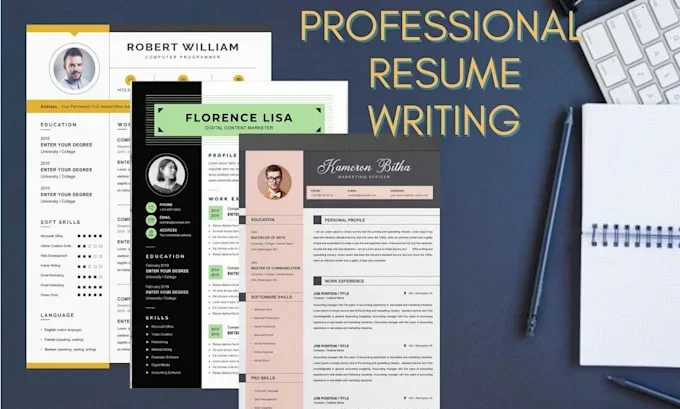
Knowing how to list education on resume can make or break your chances. This guide walks you through every step, from choosing the right format to highlighting your degrees and achievements. You will learn simple tricks that turn your education section into a powerful career tool.
Let us be honest. Your resume is often the first impression you make on a hiring manager. And the how to list education on resume question matters more than most people think.
Your education section tells a story. It shows what you know, how hard you worked, and what you can bring to the table. But many people mess this up. They either cram too much information or leave out the details that actually count.
This guide will show you exactly how to get it right. Whether you are a fresh graduate or a seasoned professional, you will find practical tips that work. We will walk you through formatting, what to include, what to skip, and how to make your education section on resume shine.
Key Takeaways
- Always place your education section above the experience section if you are a recent graduate or have limited work history.
- Use reverse chronological order to list your degrees, starting with the most recent first.
- Include key details like degree name, school name, graduation date, and GPA when it strengthens your application.
- Tailor your education section to the job by highlighting relevant coursework and academic honors.
- Avoid common mistakes like listing every degree you ever earned or including outdated information.
- Add certifications and online courses to supplement your formal education and show continuous learning.
- Use clear, simple formatting to make your education section easy to scan for hiring managers.
📑 Table of Contents
- Why Your Education Section Matters
- How to List Education on Resume: The Basic Format
- Formatting Tips for a Clean Education Section
- How to Highlight Academic Achievements
- Special Cases: How to Handle Different Situations
- Common Mistakes to Avoid
- Example Education Sections to Inspire You
- Final Thoughts
Why Your Education Section Matters
Some people think the education section is just a formality. That could not be further from the truth. Hiring managers and applicant tracking systems both pay close attention to this part of your resume.
Your degree and school name signal your level of professional qualifications. They show that you have the foundational knowledge needed for the role. For recent graduates, this section often carries even more weight than work experience.
Think about it this way. When you compare two candidates with similar skills, the one with a stronger academic credentials profile often gets the edge. That is why you need to treat your education section with the care it deserves.
Remember, a great resume education format does more than list facts. It connects your learning to the job you want. It shows relevance and purpose.
How to List Education on Resume: The Basic Format
Start with the Right Order
The standard approach is simple. Always list your most recent degree first. This is called reverse chronological order, and it works because it highlights your latest education level right away.
Here is what a basic entry looks like:
- Degree Name (e.g., Bachelor of Science in Business Administration)
- School Name (e.g., University of Michigan)
- Graduation Date (e.g., May 2023)
- Location (optional, but helpful)
Keep each entry consistent. Use the same style for every school you attended. This creates a clean, professional look that hiring managers appreciate.
What to Include and What to Skip
Not every detail belongs on your resume. Here is a quick breakdown of what makes the cut and what does not.
Include these:
- Degree title and major
- School name and location
- Graduation date (month and year)
- GPA (if it is 3.5 or higher)
- Honors or academic achievements
- Relevant coursework (for recent graduates)
Skip these:
- High school diploma (if you have a college degree)
- Outdated or irrelevant certifications
- Every single class you took
- Personal opinions about your school
The goal is to keep things focused. Every line on your resume should add value. If a detail does not help your case, leave it out.
Formatting Tips for a Clean Education Section
Formatting might sound boring, but it makes a huge difference. A well-formatted education section on resume is easy to scan and hard to forget.
Here are some quick tips to keep in mind:
- Use bold for degree names and school names. This helps the reader’s eye jump to the most important information.
- Keep each entry to two or three lines maximum. No one wants to read a wall of text.
- Align everything consistently. Use the same indentation and spacing for every school.
- Place the education section strategically. For most people, it should sit near the top of the resume.
A clean format shows attention to detail. And attention to detail is exactly what employers look for.
Where to Place the Education Section
The placement depends on your situation. If you are a recent graduate with little work experience, put education above experience. This is one of the best resume tips for new graduates.
If you have several years of work experience, you can move education below your job history. Your experience carries more weight at that point. But still make sure the education section is easy to find.
For career changers, education placement can be tricky. If your degree is directly relevant to the new field, give it prominence. If not, let your skills and experience take center stage.
How to Highlight Academic Achievements
Your academic achievements are gold. They show that you went above and beyond the basic requirements. Here is how to make them count.
Honors and Awards
Did you make the dean’s list? Did you graduate with honors? These details matter. Include them in your education entry. They tell employers you are a high performer.
Relevant Coursework
For recent graduates, listing a few relevant coursework items can fill space and show knowledge. Pick courses that directly relate to the job you are applying for. For example, if you are applying for a marketing role, list courses in digital marketing and consumer behavior.
Projects and Research
If you completed a standout thesis or capstone project, mention it briefly. This is especially helpful for research-oriented positions or academic roles.
Extracurricular Activities
Did you lead a student organization? Was your thesis recognized? These experiences show leadership and initiative. They add depth to your profile.
Think of your achievements as proof. They back up the claims you make about your skills and work ethic.
Special Cases: How to Handle Different Situations
For Recent Graduates
If you just finished school, your education section is your best friend. Include your degree, school, graduation date, and GPA if it is strong. Add a few relevant courses or projects. This fills out your resume and shows you are ready for the workforce.
For Career Changers
Switching fields can feel tricky. Your previous degree might not seem directly related. But it still has value. Focus on transferable skills and relevant coursework that apply to your new career path. You can also include any additional training or certifications you have completed.
Many successful professionals have degrees in one field and built careers in another. Your education is a foundation, not a limitation.
For Experienced Professionals
If you have 10 or more years of experience, keep your education section brief. List your highest degree, school name, and graduation year. You do not need to include your GPA or every honor. Let your work history do the heavy lifting.
For Those Without a Degree
No degree? No problem. List any certifications, online courses, or training programs you have completed. Bootcamps, vocational training, and self-directed learning all count. Be honest and highlight what you do have. Many employers value skills and certifications just as much as degrees.
Common Mistakes to Avoid
Avoiding mistakes is just as important as doing things right. Here are the most common errors people make with their education section on resume.
- Listing every school you ever attended. If you went to three colleges, only include the ones where you earned a degree or completed meaningful coursework.
- Including your high school diploma when you already have a college degree. This takes up valuable space.
- Omitting your graduation date. Some people leave this out to hide their age. But this often raises red flags. Be transparent.
- Exaggerating your degree or honors. Never lie about your education. Background checks can and will catch this.
- Using vague language. Instead of saying “studied business,” say “Bachelor of Science in Business Administration with a concentration in Finance.”
- Forgetting to update your resume. If you earn a new degree or certification, add it right away. An outdated education section looks careless.
These mistakes are easy to make but hard to fix once a hiring manager notices them. Take the time to review your resume carefully.
Expert Insights
Many hiring managers say the education section is one of the first things they check. It sets the tone for the rest of the resume. A polished, well-organized education section signals that you are detail-oriented and professional.
One resume expert shared this insight: “The education section is not just about what you learned in a classroom. It is about what you can do with that knowledge. Show the connection between your studies and the job.”
Another tip from professionals is to think of your resume as a story. Your education is one of the chapters. Make sure it flows naturally into your experience and skills sections.
Think about how similes for education can inspire your approach to writing. Just as a good simile draws a clear comparison, your education section should draw a clear line between what you learned and what you can do on the job.
Similarly, consider how metaphors for education can help you frame your academic journey as a continuous growth story. Your education is the building blocks that support everything else on your resume.
And remember, just as idioms for education capture the spirit of learning in a few powerful words, your education section should capture the essence of your academic journey in a concise, impactful way.
Example Education Sections to Inspire You
Seeing real examples helps more than reading advice. Here are a few sample education entries you can adapt for your own resume.
Example 1: Recent Graduate
- Bachelor of Arts in English Literature
- University of California, Los Angeles
- Graduated: June 2024 | GPA: 3.8/4.0
- Honors: Magna Cum Laude, Dean’s List (6 semesters)
- Relevant Coursework: Technical Writing, Digital Media, Grammar and Composition
Example 2: Experienced Professional
- Master of Business Administration
- Stanford Graduate School of Business
- Graduated: May 2018
- Concentration: Finance and Strategy
Example 3: Career Changer
- Bachelor of Science in Computer Science
- Georgia Institute of Technology
- Graduated: December 2019
- Certifications: Google Data Analytics Certificate, AWS Cloud Practitioner
Each example follows the same basic structure but adapts to the person’s situation. Use these as a starting point and customize them to fit your own background.
The key is to make every word count. Your education section should feel intentional and purposeful. It should answer the question, “Why should we hire this person?”
When you nail the how to list education on resume process, you give yourself a serious advantage. You show employers that you are not just qualified, but also thoughtful and detail-oriented in how you present yourself.
Final Thoughts
Your education section is more than a checklist of degrees. It is a strategic part of your resume that can open doors and create opportunities. By following the tips in this guide, you can build an education section that works hard for you.
Start by choosing the right format. Then add the details that matter most. Tailor everything to the job you want. Avoid common mistakes and keep your formatting clean and consistent.
Remember, every great resume tells a story. Make sure your education section is a compelling chapter in that story. Take the time to get it right, and you will see the difference in your applications.
Now go ahead and update your resume. You have everything you need to make your education section on resume stand out from the crowd.
Frequently Asked Questions
Should I include my GPA on my resume?
Include your GPA only if it is 3.5 or higher. A strong GPA adds credibility, especially for recent graduates. If your GPA is below 3.5, it is better to leave it out and focus on other strengths like honors or relevant coursework.
How far back should I go with my education details?
Include all degrees you have earned that are relevant to the job. For most people, this means college and above. There is no need to include high school diplomas once you have completed higher education. Keep it focused and current.
Can I list ongoing education or incomplete degrees?
Yes, you can list ongoing education. Use the expected graduation date instead of the completed date. For incomplete degrees, be honest about your status. You can say “Coursework completed toward Bachelor of Science in Psychology” to show progress without misleading the employer.
Should I put education before or after experience on my resume?
For recent graduates or those with limited work experience, place education above experience. For seasoned professionals with several years of work history, place education below experience. The rule is simple, let your strongest section lead.
What if my degree is not directly related to the job I am applying for?
Focus on transferable skills and relevant coursework. Highlight projects, certifications, or training that connect your education to the new role. Many employers value the critical thinking and discipline that a degree provides, regardless of the field.
How many education entries should I include on my resume?
Include only the degrees and certifications that are relevant to the job. For most people, this means two to three entries at most. If you have multiple degrees, list the one most relevant to the position first. Keep it concise and purposeful.
=== CONCLUSION ===
Learning how to list education on resume does not have to be complicated. With the right approach, you can turn this section into a powerful tool that supports your entire application. Focus on clarity, relevance, and detail. Avoid the common mistakes that hold people back. And always tailor your resume to the specific job you want.
Your education is a reflection of your dedication and growth. Make sure your resume reflects that too. Follow the tips in this guide, review your resume carefully, and submit applications with confidence. You have got this.


