
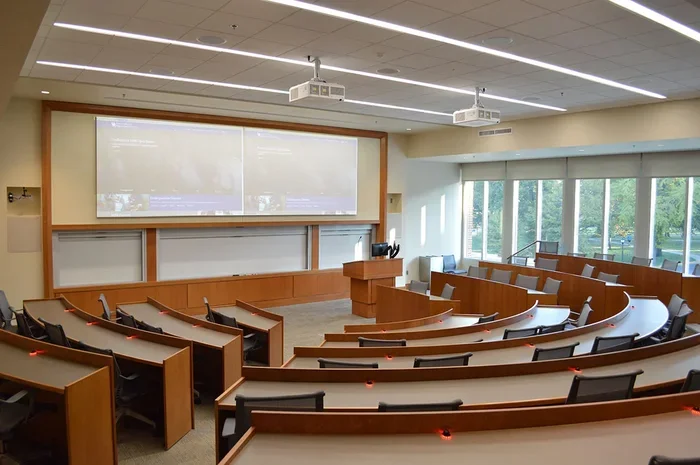
Postsecondary education is any learning beyond high school, including colleges, universities, and vocational programs. It equips you with skills, credentials, and networks that boost your career and personal development. Understanding your options is the first step toward a brighter future.
Key Takeaways
- Definition: Postsecondary education includes all formal learning after high school.
- Types: From community colleges to universities and trade schools.
- Benefits: Higher earning potential, better job prospects, and personal growth.
- Choosing a Path: Consider your career goals, interests, and financial situation.
- Funding: Scholarships, grants, loans, and work-study programs can help.
- Common Pitfalls: Avoid picking a school just for prestige without checking fit.
📑 Table of Contents
Understanding Postsecondary Education: The Basics
You might wonder, what exactly is postsecondary education? It is a big question, and the answer shapes the futures of millions. After high school, you enter a world of choices. These include two-year colleges, four-year universities, and specialized training programs. Postsecondary education is the bridge between your current skills and your dream career.
In simple terms, any formal learning that happens after secondary school counts. This covers a wide range of institutions and programs. You might pursue an associate degree, a bachelor’s degree, or a vocational training certificate. Each path offers different career pathways and academic programs. The key is finding the right fit for your goals.
What Counts as Postsecondary Education?
Not all learning looks the same. Here are the main categories:
- Colleges and Universities: Offer undergraduate and graduate degree programs.
- Community Colleges: Provide two-year associate degrees and transfer options.
- Trade and Vocational Schools: Focus on hands-on skills for specific trades.
- Apprenticeships: Combine on-the-job training with classroom instruction.
- Certification Programs: Short-term courses that lead to a credential in a specific field.
Each option serves a different purpose. A community college might be perfect if you want to explore higher education without a huge financial commitment. A trade school could be ideal if you want to enter the workforce quickly. Postsecondary education is not one-size-fits-all, and that is its strength.
Key Terms You Should Know
Familiarize yourself with these common terms to navigate the world of postsecondary education:
- Undergraduate: A student pursuing a first degree, like an associate or bachelor’s.
- Graduate: A student pursuing advanced study after a bachelor’s degree.
- Admission Requirements: The criteria you must meet to enter a program.
- Campus Life: The social and extracurricular experience at a school.
- Degree Programs: Structured courses of study leading to a specific credential.
Knowing these terms helps you communicate with advisors and make informed decisions. Postsecondary education has its own vocabulary, but it is easy to learn.
Types of Postsecondary Institutions
Not all schools are the same. Each type offers unique benefits and learning environments. Understanding the differences helps you choose wisely.
Community Colleges and Universities
Community colleges are two-year institutions that grant associate degrees. They often have open admission policies, making higher education accessible. Many students use them as a stepping stone to a four-year university. Tuition is usually lower, and you can live at home while studying.
Universities typically offer bachelor’s, master’s, and doctoral degrees. They often have larger campuses, diverse campus life, and extensive research opportunities. A university experience can be broad and immersive. Both paths are valid forms of postsecondary education.
Vocational and Trade Schools
Trade schools focus on practical skills for specific careers. Programs might train you for jobs like electrician, dental hygienist, or welder. The curriculum is hands-on and often shorter than a traditional degree. Graduates enter the workforce quickly with a valuable credential. This is a smart route for those who prefer vocational training over academic theory.
Apprenticeships and Certificate Programs
Apprenticeships let you earn while you learn. You work under experienced professionals and attend related classes. Fields like construction, healthcare, and information technology often use this model. Certificate programs are shorter and focused. They can boost your resume or help you change careers. Both options expand your career pathways without requiring a full degree.
Comparison Table: Choosing the Right Institution
| Institution Type | Typical Duration | Common Credentials | Best For |
|---|---|---|---|
| Community College | 2 years | Associate degree, transfer credits | Affordable start, exploration |
| University | 4+ years | Bachelor’s, master’s, doctoral | Academic depth, research |
| Trade School | 1–2 years | Diploma, certificate | Hands-on career skills |
| Apprenticeship | 2–4 years | Journeyman credential | Earn-while-you-learn |
This table shows that postsecondary education comes in many shapes. Your choice depends on your goals, timeline, and learning style.
Why Postsecondary Education Matters
Education is full of colorful language that can make your journey more fun. For example, similes for education like ‘studying is as easy as pie’ help you laugh while you learn. You might also hear idioms for education such as ‘hit the books’ when classmates talk about late-night study sessions. Even advisors often use metaphors for education like ‘building a strong foundation’ to describe your first year. These phrases aren’t just fun—they show how deeply language shapes the learning experience.
In postsecondary education, you gain more than a diploma. You build a network of peers and mentors. You develop critical thinking and problem-solving skills. These benefits last a lifetime. Let us look at the core reasons it matters.
Career and Earning Potential
Data consistently shows that higher education leads to better earnings. According to the Bureau of Labor Statistics, workers with a bachelor’s degree earn over 60% more than those with only a high school diploma. Postsecondary education opens doors to a wider range of career pathways. Many jobs now require at least an associate degree or specialized training.
Even short-term credentials can boost your income. A vocational training certificate in a high-demand field can lead to stable employment. The return on investment for postsecondary education is clear.
Personal Growth and Networking
College and university life exposes you to diverse ideas and people. You join clubs, attend events, and form lasting friendships. This campus life helps you grow socially and emotionally. You learn to work in teams, manage your time, and communicate effectively.
Networking is another major benefit. Your classmates, professors, and alumni can become lifelong connections. Many jobs are found through personal relationships. Postsecondary education gives you a built-in community to tap into.
The Language of Learning
As you navigate postsecondary education, you will encounter specialized terms. Understanding academic programs and degree programs helps you stay on track. Do not be afraid to ask questions. Advisors and tutors are there to help you decode the language of higher learning. Embracing this vocabulary makes your journey smoother and more confident.
Expert Insight: Workers with a bachelor’s degree enjoy not only higher earnings but also greater job stability and access to benefits like health insurance and retirement plans. Investing in postsecondary education is investing in your long-term well-being.
How to Choose the Right Path
Choosing a path in postsecondary education can feel overwhelming. But breaking it down into steps makes it manageable. Start with self-reflection.
Assessing Your Goals
Ask yourself what you want to achieve. Do you dream of a specific career, or are you exploring options? Write down your interests and strengths. Consider the lifestyle you want after graduation. Some fields require a four-year degree, while others value skills and certifications.
Research career pathways in areas that excite you. Talk to professionals in those fields. Their insights can guide your choice of academic programs and institutions.
Comparing Programs and Campus Life
Once you have a direction, compare schools. Look at the admission requirements for each program. Check the curriculum and faculty credentials. Visit campuses if possible, or explore virtual tours. Pay attention to campus life and student support services.
Quick Tips:
- Visit campuses and talk to current students.
- Check job placement rates for graduates.
- Consider class sizes and teaching styles.
- Look for clubs and activities that match your interests.
The right fit feels supportive and challenging. Trust your instincts when evaluating postsecondary education options.
Funding Your Postsecondary Journey
Cost is a real concern for many students. The good news is that numerous resources can help. Financial aid comes in many forms, and you should explore all of them.
Scholarships and Grants
Scholarships are gift aid that you do not have to repay. They come from schools, private organizations, and community groups. Grants are often need-based and provided by the government. Both can significantly reduce your tuition burden. Always fill out the Free Application for Federal Student Aid (FAFSA) to access these options.
Student Loans and Work-Study
If you need to borrow, student loans can fill the gap. Federal loans usually offer lower interest rates and flexible repayment plans. Work-study programs let you earn money through part-time campus jobs. These jobs often relate to your field of study, giving you valuable experience.
Common Mistake: Assuming you will not qualify for aid. Fill out the FAFSA regardless of your income. Many families are surprised by the aid they receive. Postsecondary education is an investment, and smart funding makes it affordable.
Common Mistakes and How to Avoid Them
Even the best plans can hit bumps. Knowing common pitfalls helps you steer clear.
Choosing a School Based on Reputation Alone
A famous name does not guarantee the best fit for you. A small college might offer better academic programs and more personal attention than a large university. Focus on graduation rates, student satisfaction, and career outcomes. Postsecondary education is about your growth, not just the school’s prestige.
Ignoring Financial Aid Options
Many students miss out on free money because they do not apply. Scholarships and grants exist for all kinds of students, including non-traditional and part-time learners. Use scholarship search tools and ask your school’s financial aid office. Postsecondary education should not leave you buried in debt if you plan wisely.
Overlooking Transfer Opportunities
If you start at a community college, know that many universities accept transfer credits. You can save money on the first two years and then complete a bachelor’s degree. Postsecondary education offers flexible paths. Always check articulation agreements between schools.
Key Takeaways for Your Journey
- Postsecondary education is flexible and accessible to everyone.
- Explore all institution types before deciding.
- Apply for financial aid early and often.
- Your campus community is a valuable resource.
- Stay curious and ask questions throughout the process.
Choosing the right path in postsecondary education is one of the most important decisions you will make. Take your time, do your research, and trust yourself. The journey is as rewarding as the destination.
Frequently Asked Questions
What is the difference between postsecondary and secondary education?
Secondary education refers to high school, while postsecondary education includes all learning after high school. This covers colleges, universities, trade schools, and certification programs. Postsecondary education gives you advanced skills and credentials for your career.
Is postsecondary education only for traditional college students?
No, postsecondary education is for learners of all ages. Many adults return to school for new careers or promotions. Community colleges and online programs offer flexible options for working adults and parents.
How long does postsecondary education take?
The duration varies by program. A certificate might take a few months, an associate degree two years, and a bachelor’s degree four years. Graduate programs can add one to several more years. Your timeline depends on your goals and the type of degree programs you choose.
Can I work while attending postsecondary school?
Yes, many students balance work and study. Part-time enrollment and work-study programs make this possible. Online courses also offer flexibility for working learners. Postsecondary education can fit around your life.
What are the admission requirements for postsecondary programs?
Requirements vary by institution and program. Community colleges often have open admission. Universities may require transcripts, test scores, and essays. Vocational training programs might have prerequisites specific to the trade. Always check the admission requirements early.
Does postsecondary education guarantee a job?
No, but it greatly improves your job prospects and earning potential. Employers value the skills and credentials you gain. Postsecondary education also expands your network and opens more career pathways. Your effort and experience during school matter just as much as the degree itself.


