
California ranks in the middle of the pack when it comes to national education rankings, typically landing in the 30s to 40s. The state faces challenges like large class sizes, funding gaps, and diverse student needs. However, California also boasts world-class universities and strong higher education systems that rival any state.
When people ask how does California rank in education, the answer is more complicated than a single number. The Golden State is a giant in many ways, and its education system is no exception. It is huge, diverse, and full of contrasts. Some parts shine brightly, while others struggle to keep up.
Understanding California education ranking requires looking at many pieces of the puzzle. Test scores, graduation rates, funding levels, and college readiness all play a role. In this article, we break down where California stands, why it landed where it did, and what it means for students, parents, and educators.
Key Takeaways
- Mid-Pack Ranking: California usually falls in the 30s to 40s in overall state education rankings.
- Funding Challenges: Despite high spending, California struggles with equitable distribution of education dollars.
- Strong Higher Education: The state is home to UC and CSU systems, plus top private universities.
- Diverse Student Population: California serves one of the most linguistically and culturally diverse student bodies in the nation.
- Test Scores Lag Behind: NAEP and SAT results show room for improvement compared to top states.
- Graduation Rates Are Rising: California high school graduation rates have improved over the past decade.
- Many Factors at Play: Poverty, housing costs, and teacher shortages all impact California education ranking.
📑 Table of Contents
- Where Does California Rank in Education Overall?
- How California Compares to Top-Ranked States
- Key Factors That Affect California’s Education Ranking
- California Education Funding and Resources
- What the Rankings Mean for Students and Families
- Bright Spots and Reasons for Optimism
- Final Thoughts on California’s Education Standing
Where Does California Rank in Education Overall?
Most national reports place California in the middle of the pack. The Education Week Quality Counts report often ranks the state around 30th to 40th overall. The National Assessment of Educational Progress (NAEP), sometimes called the nation’s report card, shows similar results. California students tend to score below the national average in math and reading.
But here is the thing. These rankings do not tell the whole story. California has over 6 million public school students. That is more than most countries. Managing a system this large comes with unique challenges that smaller states simply do not face.
How Do the Numbers Break Down?
Let us look at some key education statistics California faces:
- NAEP Math Scores: California fourth graders score below the national average in math. Eighth graders show a similar gap.
- Reading Proficiency: Only about one-third of California fourth graders read at or above grade level.
- High School Graduation Rate: California’s graduation rate has climbed to around 84%, which is close to the national average.
- SAT Scores: The average SAT score in California sits below the national mean, though this varies widely by district.
- College Readiness: Many California high school graduates need remedial courses when they enter community college.
These numbers paint a clear picture. California education ranking has room for growth. But they also show progress. Graduation rates have improved steadily over the last ten years, and more students are taking advanced courses than ever before.
How California Compares to Top-Ranked States
To understand where California stands, it helps to look at the states that outperform it. Massachusetts consistently ranks as the top state for education. New Jersey, Connecticut, and Virginia also score well on national assessments. What do these states have that California does not?
| Factor | Top States (e.g., MA, NJ) | California |
|---|---|---|
| Average Class Size | Smaller (15-18 students) | Larger (22-25 students) |
| Per-Student Spending | Higher in many cases | Moderate, but uneven |
| NAEP Proficiency Rates | 40-50%+ in math and reading | 25-35% in math and reading |
| Teacher Salaries | Competitive | Below national average |
| Graduation Rate | 88-92% | ~84% |
The gaps are real. Top-ranked states tend to have smaller class sizes, higher teacher pay, and more consistent funding across districts. California’s sheer size makes it harder to replicate those models statewide.
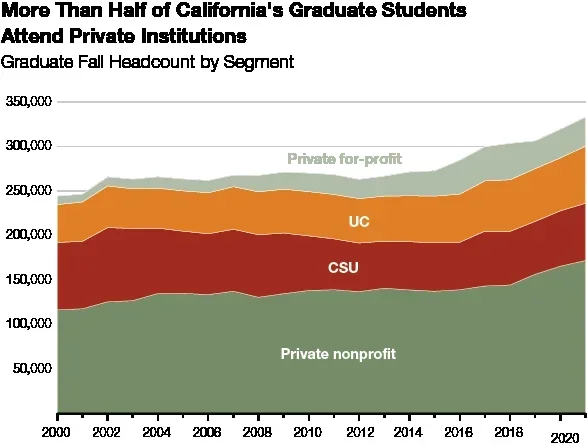
Still, California has strengths that top states envy. The state’s higher education system is arguably the best in the country. The University of California system, the California State University system, and world-class private institutions like Stanford and Caltech attract students from around the globe. When people think about California education ranking, they should keep the higher education picture in mind.
Key Factors That Affect California’s Education Ranking
Several factors pull California’s state education comparison numbers down. Understanding these helps explain why the rankings look the way they do.
1. Poverty and Income Inequality
California has one of the highest poverty rates in the nation, especially when you factor in the cost of living. Many students come from low-income households where basic needs like food and housing are not guaranteed. Research shows clearly that poverty affects academic performance. Students dealing with housing instability or hunger struggle to focus in class.
California also has a large English learner population. Over 1.2 million students in California public schools are learning English as a second language. Supporting these students requires extra resources, specialized teachers, and tailored curricula. This adds complexity that many other states do not deal with at the same scale.
2. Teacher Shortages
California faces a serious teacher shortage. The state struggles to fill positions, especially in math, science, and special education. Many new teachers leave the profession within the first five years. Low pay relative to the cost of living is a major reason.
When classrooms are short-staffed, class sizes grow. Teachers take on more students with the same resources. This creates a cycle that is hard to break. Education quality by state reports consistently link teacher shortages to lower student outcomes.
3. Housing Costs and Mobility
California’s housing crisis directly impacts education. Families move frequently when they cannot afford rent. Students change schools mid-year, which disrupts their learning. Teachers also leave the profession because they cannot find affordable homes near their schools.
This constant mobility makes it harder to measure progress and build stable learning environments. It is one of the hidden reasons behind California student performance gaps.
4. Funding Inequities
California spends a lot on education, but the money does not always reach the students who need it most. Wealthier districts can raise additional funds through local property taxes. Lower-income districts depend more on state funding, which sometimes falls short.
The Local Control Funding Formula (LCFF) was designed to address this gap. It directs more money to districts with high-needs students. But many advocates argue that the funding is still not enough to close the achievement gap.
California Education Funding and Resources
Let us talk money. How does education funding California compare to the rest of the nation?
California ranks among the top states in total education spending. But per-pupil spending tells a different story. When you divide the budget by the number of students, California falls closer to the national average. This is because the state has so many students that the dollars get spread thin.
Here are some quick facts about education funding California faces:
- Per-Pupil Spending: California spends roughly $12,000 to $14,000 per student per year, depending on the source.
- Local Control Funding Formula: This system gives extra funds to districts with foster youth, English learners, and low-income students.
- Proposition 98: This state constitutional requirement guarantees a minimum percentage of the budget for education.
- Federal Funding: California receives significant federal Title I funds to support high-poverty schools.
The funding picture is improving. Voters approved several bond measures in recent years to modernize school facilities. But facilities in older, urban districts still lag behind those in wealthier suburban areas. The gap between rich and poor districts remains one of the biggest challenges for California public schools.
What the Rankings Mean for Students and Families
A mid-pack national education ranking does not mean California is failing. It means there is work to do, and there are real reasons behind the numbers. Families should understand what these rankings mean in practical terms.
First, a lower overall ranking does not mean your child will not succeed. Many California students thrive in strong districts with excellent teachers and supportive communities. The ranking is an average, and averages hide enormous variation from one district to the next.
Second, families can take action. Here are some practical steps:
- Research your local district: Rankings vary widely within California. A district in Palo Alto looks very different from one in rural Imperial County.
- Get involved: Parent involvement strongly affects student outcomes. Join the PTA, attend school board meetings, and volunteer.
- Use available resources: California offers many programs for struggling students, including after-school tutoring and college prep initiatives.
- Stay informed: Check the California Department of Education website for school-by-school performance data.
When families understand the California education ranking landscape, they can make better decisions. They can advocate for their children and their communities. Knowledge is power, and these rankings are a starting point, not a final verdict.
Bright Spots and Reasons for Optimism
It is easy to focus on the negatives, but there are genuine reasons to feel hopeful about California education.
Graduation rates have risen steadily. More students are taking Advanced Placement courses and earning college credit in high school. The state has invested in early childhood education, recognizing that learning starts long before kindergarten. Programs like transitional kindergarten are expanding access for the youngest learners.
California also leads in innovative education approaches. Many districts have embraced project-based learning, social-emotional learning, and technology integration. These modern methods prepare students for the real world in ways that traditional rote learning does not.
The state’s higher education system remains a national treasure. The UC and CSU systems together serve millions of students. California community colleges offer affordable pathways to careers and transfer degrees. When it comes to educational attainment California achieves at the college level, the state punches well above its weight in the overall rankings.
It is also worth noting that California’s diversity is a strength. Students who grow up in multilingual, multicultural environments develop skills that serve them well in college and careers. The state’s large English learner population, while challenging to support, builds resilience and adaptability.
Final Thoughts on California’s Education Standing
So, how does California rank in education? The honest answer is that it is somewhere in the middle, with significant room for improvement. The state faces real challenges around funding, teacher shortages, poverty, and student diversity. These challenges are not unique to California, but the scale at which they exist here makes them especially complex.
At the same time, California’s strengths are undeniable. The higher education system is world-class. Graduation rates are climbing. Many individual districts and schools outperform the best in the nation. The story of California education ranking is not a story of failure. It is a story of a massive, complex system working hard to serve an incredibly diverse population.
If you are a parent, educator, or student in California, do not let a mid-pack ranking discourage you. Focus on your local community. Advocate for the resources your schools need. Celebrate the progress that has been made. And remember that rankings are just one lens through which to view education. The real measure of success is whether every student in California has the opportunity to learn, grow, and thrive.
The conversation about California education ranking is ongoing. Policies change, funding shifts, and new challenges emerge. Staying informed and engaged is the best thing anyone can do. The future of California education depends on all of us showing up and caring about it.
For those who want to explore the language of learning and how we talk about education, you might enjoy reading about similes for education, metaphors for education, or idioms for education. These articles show how figurative language shapes the way we discuss learning and achievement.
Frequently Asked Questions
What is California’s current education ranking among all 50 states?
California typically ranks between 30th and 40th in overall education quality, depending on the report and year. Organizations like Education Week and U.S. News publish annual rankings that place the state in the middle of the pack. The exact position shifts slightly each year based on updated data and methodology.
Why is California’s education ranking lower than some smaller states?
California’s large and diverse student population creates unique challenges. The state has over 6 million public school students, which makes consistent funding and resource distribution difficult. Factors like poverty, teacher shortages, and housing costs also weigh on performance compared to smaller, wealthier states.
Has California’s education ranking improved over the past decade?
Yes, there has been gradual improvement. High school graduation rates have risen from about 79% a decade ago to around 84% today. More students are taking advanced courses and meeting college readiness benchmarks. However, test score gaps persist, which keeps the overall ranking from climbing as fast as some would like.
How does California’s education funding compare to other states?
California is a top spender in total education dollars, but per-pupil spending is closer to the national average because of the sheer number of students. The Local Control Funding Formula aims to direct more money to high-needs districts, but funding inequities between wealthy and low-income areas remain a challenge.
Which California school districts rank the highest academically?
Districts like Palo Alto Unified, Arcadia Unified, and San Ramon Valley Unified consistently rank among the best in the state. These districts tend to have higher test scores, better graduation rates, and more resources per student. However, performance varies widely across the state’s more than 1,000 school districts.
What can parents do to support education in California?
Parents can get involved in their local school community, attend school board meetings, and advocate for equitable funding. Staying informed about district performance data helps families make better choices. Supporting early literacy at home and encouraging college-bound mindsets also makes a real difference in student outcomes.
=== CONCLUSION ===
How does California rank in education compared to others? The answer is nuanced. California sits in the middle of national rankings, facing real challenges but also showing meaningful progress. The state’s massive scale, diverse student body, and complex funding landscape all shape its California education ranking. At the same time, the higher education system, rising graduation rates, and innovative programs offer genuine reasons for optimism. Understanding where California stands is the first step toward making it better for every student who walks through its classrooms.


