
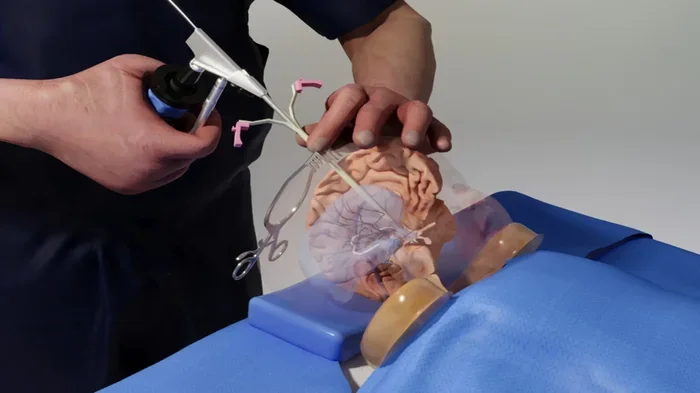
To become a neurosurgeon, you need a bachelor’s degree, a medical degree (MD or DO), and 6-7 years of neurosurgery residency training. This career path takes about 14-16 years of education after high school. It requires hard work, dedication, and a genuine passion for neuroscience and brain surgery.
Have you ever wondered what education do you need to be a neurosurgeon? It is one of the most challenging career paths in medicine. The journey is long. The training is intense. But the reward is incredible.
Neurosurgeons are doctors who treat problems with the brain, spine, and nervous system. They perform complex surgeries that can change lives. To reach this level, you need years of focused study and hands-on training. This guide walks you through every step of the process.
The path to becoming a neurosurgeon starts in high school. It continues through college, medical school, and residency. Each stage builds on the last. Let us break it all down so you know exactly what to expect.
Key Takeaways
- Long Training Path: Becoming a neurosurgeon requires 14-16 years of education and training after high school.
- Undergraduate Degree Required: You need a bachelor’s degree with strong science prerequisites before applying to medical school.
- Medical School is Essential: A Doctor of Medicine (MD) or Doctor of Osteopathic Medicine (DO) degree is mandatory.
- Residency Training Matters: Neurosurgery residency lasts 6-7 years and provides hands-on surgical experience.
- Board Certification is the Final Step: You must pass rigorous exams to become a certified neurosurgeon.
- Fellowship Options Exist: Many neurosurgeons pursue additional fellowship training in specialized areas like pediatric or spinal neurosurgery.
- Passion is Key: This demanding career requires genuine interest in neuroscience and patient care.
📑 Table of Contents
- Understanding the Neurosurgeon Education Path
- Undergraduate Education: The First Step
- Medical School: The Core of Your Training
- Neurosurgery Residency: Where Real Training Begins
- Fellowship Training: Specializing Further
- Board Certification and Licensing
- Skills and Qualities Needed Beyond Education
- Timeline Summary: How Long Does It All Take?
- Common Mistakes to Avoid on This Path
- Expert Insights: What Practicing Neurosurgeons Say
- Final Thoughts
Understanding the Neurosurgeon Education Path
The education journey to become a neurosurgeon is one of the longest in any profession. It typically takes 14 to 16 years after high school. Every step matters. Skipping or rushing through any phase is not an option.
This path shares similarities with other medical specialties. However, neurosurgery training is among the most intensive. It demands excellent problem-solving skills and steady hands. Similar to how idioms for education use figurative language to describe learning, the journey to becoming a neurosurgeon has its own expressions and milestones.
Why Does Neurosurgery Require So Much Education?
The brain is the most complex organ in the human body. Operating on it requires extreme precision and deep knowledge. Neurosurgeons must understand anatomy, physiology, and pathology at a very detailed level.
Years of training ensure patient safety. Each phase of education builds critical skills. You start with basic science. Then you move to clinical knowledge. Finally, you gain hands-on surgical experience. This gradual progression protects patients and prepares doctors for real-world challenges.
Undergraduate Education: The First Step
Your journey begins with a bachelor’s degree. Most students choose a science-related major. Biology, chemistry, and neuroscience are popular choices. However, there is no single required degree for medical school.
What matters most is completing the right prerequisites. Medical schools expect specific coursework. These usually include biology, organic chemistry, physics, and calculus. Strong grades in these classes are essential.
Best Majors for Aspiring Neurosurgeons
While there is no mandatory major, certain fields give you an advantage. Here are popular choices among future neurosurgeons:
- Neuroscience: Gives you early exposure to brain science.
- Biology: Covers foundational life sciences thoroughly.
- Chemistry: Builds strong analytical and lab skills.
- Biochemistry: Combines biology and chemistry perfectly.
- Pre-Med Programs: Designed specifically for medical school preparation.
Maintaining a Strong GPA
Medical school admissions are competitive. A high GPA helps you stand out. Aim for a GPA above 3.5 if possible. Strong grades in science courses matter most.
Beyond grades, medical schools look at your overall profile. Research experience helps. Volunteering at hospitals shows commitment. Leadership roles in science clubs add value. Think of it like similes for education compare learning to familiar experiences, your extracurricular activities compare your dedication to real-world skills.
Medical School: The Core of Your Training
After completing your undergraduate degree, you enter medical school. This is a four-year program that transforms you from a student into a doctor. The first two years focus on classroom learning. The last two years involve clinical rotations.
You will earn either a Doctor of Medicine (MD) or a Doctor of Osteopathic Medicine (DO) degree. Both degrees allow you to practice neurosurgery. The choice between them depends on your personal preference and the program’s strengths.
Year One and Two: Classroom Learning
The first two years of medical school cover foundational sciences. You will study anatomy, biochemistry, pharmacology, and pathology. Neuroscience courses are especially important for future neurosurgeons.
You will also begin learning clinical skills. These include taking patient histories and performing physical exams. It is a lot of information. But it builds the knowledge base you need for surgery.
Year Three and Four: Clinical Rotations
The final two years of medical school involve hands-on training. You rotate through different medical specialties. Neurosurgery rotations are critical during this time.
During your neurosurgery rotation, you will work directly with neurosurgeons. You will observe surgeries and assist in the operating room. You will also manage patients before and after operations. These experiences help you decide if neurosurgery is the right fit.
Medical school is also when you take the United States Medical Licensing Examination (USMLE). This exam tests your medical knowledge. Strong scores improve your residency application. Just as metaphors for education paint vivid pictures of learning, the clinical rotation experience paints a realistic picture of neurosurgery in practice.
Neurosurgery Residency: Where Real Training Begins
After medical school, you enter a neurosurgery residency program. This is the most intense phase of your education. Neurosurgery residencies last six to seven years. They provide deep, hands-on surgical training.
During residency, you work under the supervision of experienced neurosurgeons. You learn to perform brain and spine surgeries. You also manage complex neurological conditions. The training is demanding. Long hours are common. But this is where you truly become a surgeon.
What Happens During Neurosurgery Residency?
A neurosurgery residency covers many areas of training. Here is what you can expect:
- General Neurosurgery: Training in brain tumor removal and aneurysm repair.
- Spinal Surgery: Learning to treat spine injuries and deformities.
- Pediatric Neurosurgery: Specialized care for children with neurological conditions.
- Trauma Neurosurgery: Emergency surgery for head and spinal injuries.
- Neurovascular Surgery: Treating blood vessel problems in the brain.
- Stereotactic and Functional Neurosurgery: Precision procedures for conditions like Parkinson’s disease.
Matching Into a Residency Program
Getting into a neurosurgery residency is highly competitive. You need strong medical school grades. High USMLE scores are important. Research experience and publications help too. Letters of recommendation from neurosurgeons carry weight.
The National Resident Matching Program (NRMP) handles the application process. You submit your preferences. Programs rank you. A computer algorithm matches you to a program. Preparation starts early in medical school.
Fellowship Training: Specializing Further
After completing your residency, you can choose to do a fellowship. Fellowship training lasts one to two years. It allows you to specialize in a specific area of neurosurgery.
Fellowship is not required to practice. However, it gives you advanced expertise. Many neurosurgeons pursue fellowship training to improve their career prospects.
Popular Neurosurgery Fellowship Specialties
There are many fellowship options available. Each one focuses on a specific area of the brain or nervous system:
- Pediatric Neurosurgery: Focuses on neurological conditions in children.
- Spine Surgery: Specializes in spinal disorders and injuries.
- Neuro-Oncology: Treats brain and spinal tumors.
- Vascular Neurosurgery: Deals with blood vessel abnormalities in the brain.
- Stereotactic Neurosurgery: Uses precise imaging for complex brain procedures.
- Peripheral Nerve Surgery: Treats nerve injuries outside the brain and spine.
Board Certification and Licensing
After completing residency and any fellowship, you must become board certified. The American Board of Neurological Surgery (ABNS) administers the certification exam. Passing this exam proves your expertise in neurosurgery.
Board certification is not a one-time event. You must maintain it through continuing education. This ensures you stay current with new techniques and technologies.
You also need a state medical license to practice. Each state has its own requirements. Most states require passing the USMLE or COMLEX exam. They also verify your training and background.
Skills and Qualities Needed Beyond Education
Education is only part of the equation. Neurosurgeons need specific personal qualities too. Technical skill is obvious. But soft skills matter just as much.
Here are qualities that successful neurosurgeons share:
- Attention to Detail: The brain has no room for error.
- Steady Hands: Fine motor skills are essential for surgery.
- Problem-Solving Ability: Every case presents unique challenges.
- Compassion: Patients and families need emotional support.
- Stress Management: Long hours and high stakes require resilience.
- Teamwork: Neurosurgery involves collaboration with many specialists.
- Commitment to Learning: Medicine evolves constantly. Lifelong learning is necessary.
These qualities develop over time. Medical school and residency help build them. But personal dedication plays a big role too.
Timeline Summary: How Long Does It All Take?
The total timeline to become a neurosurgeon can feel overwhelming. Here is a clear breakdown:
- High School: 4 years (focus on science and math)
- Undergraduate Degree: 4 years
- Medical School: 4 years
- Neurosurgery Residency: 6 to 7 years
- Fellowship (optional): 1 to 2 years
In total, expect 14 to 16 years of education and training after high school. Some paths may be slightly shorter or longer. The key is to stay committed throughout.
The journey is demanding. But every step prepares you for a career that saves lives and improves brain health. If you feel called to this field, the education path is your roadmap to success.
Common Mistakes to Avoid on This Path
Many aspiring neurosurgeons make avoidable mistakes. Being aware of them can save you time and stress.
- Skipping Research Opportunities: Research strengthens your residency application significantly.
- Neglecting Clinical Experience: Hospitals value hands-on volunteer work and shadowing.
- Waiting Too Long to Prepare for Exams: The USMLE requires months of dedicated study.
- Ignoring Work-Life Balance: Burnout is real. Take care of your mental health.
- Choosing the Wrong Medical School: Select a school with strong neuroscience programs.
Avoiding these pitfalls keeps you on track. Plan ahead. Seek mentorship from practicing neurosurgeons. Stay organized throughout your journey.
Expert Insights: What Practicing Neurosurgeons Say
Many experienced neurosurgeons share similar advice. They emphasize the importance of genuine passion. The training is too long and too hard without it.
Dr. Sarah Chen, a board-certified neurosurgeon, often tells students, “The education never really stops. Even after residency, you are learning every day. That is what makes this field so exciting.”
Another common theme among experts is the value of early exposure. Shadowing a neurosurgeon in college gives you real insight. It helps you confirm your career choice before investing years of training.
Networking also plays a role. Attend medical conferences. Join neuroscience clubs. Build relationships with mentors. These connections open doors and provide guidance throughout your career.
Final Thoughts
The path to becoming a neurosurgeon is challenging. It requires dedication, intelligence, and perseverance. But for those who love the field, it is deeply rewarding.
You start with a strong undergraduate foundation. You continue through medical school and residency. Optional fellowship training lets you specialize. Board certification marks the end of formal education. But learning never truly stops.
If you are asking what education do you need to be a neurosurgeon, remember this: every step matters. Each phase builds the skills and knowledge you need. Start early. Stay focused. Trust the process.
The journey is long. But the destination is worth it. Neurosurgeons change lives every day. With the right education and unwavering commitment, you can too.
Frequently Asked Questions
What is the minimum education required to become a neurosurgeon?
You need a bachelor’s degree, a medical degree (MD or DO), and completion of a neurosurgery residency. This totals about 14 to 16 years of education after high school. There is no shortcut around this training.
Can I become a neurosurgeon without a science degree?
Yes, you can. Medical schools do not require a specific major. However, you must complete the required science prerequisites. Many non-science majors successfully enter medical school each year by fulfilling these courses.
How long does neurosurgery residency last?
Neurosurgery residency typically lasts six to seven years. It is one of the longest residency programs in medicine. During this time, you gain extensive hands-on surgical experience under supervision.
Is board certification required to practice neurosurgery?
Board certification is not legally required in all states. However, most hospitals and employers expect it. It demonstrates your expertise and commitment to the field. Many insurance companies also require it for reimbursement.
What is the difference between an MD and a DO in neurosurgery?
Both degrees allow you to practice neurosurgery. An MD focuses on conventional medicine. A DO emphasizes a holistic approach with osteopathic manipulative treatment. Both paths lead to the same neurosurgery residency opportunities.
Can I specialize further after completing neurosurgery residency?
Yes, you can pursue a fellowship after residency. Fellowships last one to two years and focus on a specific area like pediatric neurosurgery or spine surgery. They provide advanced training in your chosen specialty.


