
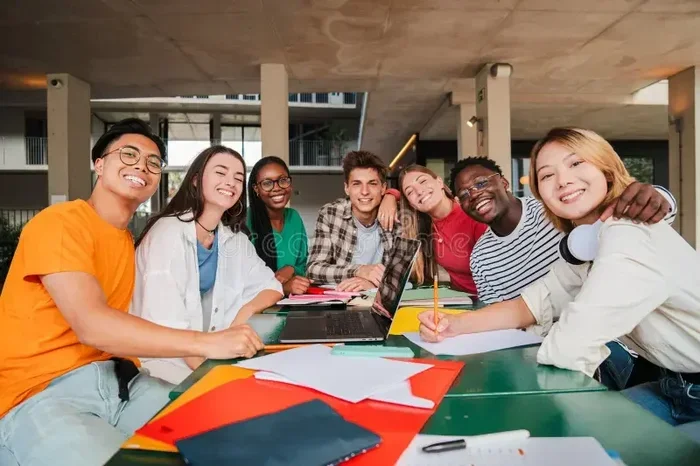
Inclusive education is a teaching approach where all students, regardless of their abilities or backgrounds, learn together in the same classroom. It focuses on removing barriers and creating an environment where every learner feels valued, supported, and empowered. This model benefits not just students with disabilities but entire school communities by fostering empathy, collaboration, and respect. Understanding inclusive education helps parents, teachers, and policymakers build fairer and more effective learning spaces for everyone.
Have you ever walked into a classroom where every single student felt like they belonged? Where the teacher didn’t just teach to the “average” kid but reached out to every learner in the room? That is the heart of inclusive education. It is not just a trend or a buzzword. It is a powerful approach to teaching that changes lives.
In this article, we will explore what inclusive education really means, why it matters, and how it creates a better experience for all students. Whether you are a parent, a teacher, or just someone who cares about educational equity, you will find practical insights here. Let us dive in and understand why this approach benefits everyone.
Key Takeaways
- Inclusive education welcomes all students: Every child learns together in one classroom, regardless of ability, background, or needs.
- It removes barriers to learning: Teachers adapt lessons, materials, and environments so that no student is left behind.
- Benefits extend to all learners: Inclusive classrooms build empathy, teamwork, and respect among every student.
- Key strategies include differentiated instruction and universal design: These approaches make lessons accessible to diverse minds.
- Challenges exist but are solvable: With proper training, resources, and support, schools can overcome common obstacles.
- Inclusive education builds a fairer society: It teaches values of equity, acceptance, and belonging that last a lifetime.
📑 Table of Contents
What Is Inclusive Education?
At its core, inclusive education means that all students learn together in the same classroom, regardless of their differences. This includes students with learning disabilities, physical challenges, gifted learners, English language learners, and kids from diverse cultural backgrounds. The goal is simple but powerful: no one gets left out.
Traditionally, schools separated students based on their abilities. Kids with special needs were often placed in different classrooms or even different schools. Inclusive education flips that model on its head. It brings everyone into one shared learning space and asks teachers to adapt their methods accordingly.
Think of it like a inclusive classroom where the teacher designs lessons that work for many different types of learners at once. Instead of a one-size-fits-all approach, educators use differentiated instruction and universal design for learning to reach every student. This means flexible content, multiple ways to engage, and various methods for students to show what they know.
Inclusive education also means adaptive learning tools, accessible materials, and a physical environment that welcomes everyone. It is about removing barriers to learning so that each child can participate fully. When we talk about educational equity, this is exactly what we mean: giving every student what they need to succeed.
The Core Principles of Inclusive Education
What makes inclusive education different from traditional teaching? It rests on several key principles that guide how schools and teachers operate. Let us break them down.
Every Student Belongs
The first principle is simple: every student belongs. No child is “too different” or “too difficult” to include. This belief shapes everything from classroom layout to lesson planning. Teachers who embrace this principle see diverse learners as an asset, not a challenge.
High Expectations for All
Inclusive education sets high expectations for every student. This does not mean every child must meet the same standard in the same way. It means teachers believe in each student’s potential and provide the right support to help them grow. Inclusive pedagogy focuses on what each learner can do, not what they cannot.
Collaboration and Teamwork
Teachers, parents, specialists, and students work together in an inclusive school environment. Co-teaching models, where a general education teacher and a special education specialist plan and deliver lessons together, are a great example. This teamwork ensures that inclusive practices are consistent and effective.
Flexibility in Teaching
Rigid lesson plans do not work in inclusive classrooms. Teachers must be flexible. They adjust pacing, use multiple teaching formats, and offer choices. This flexibility is at the heart of differentiated instruction and adaptive learning strategies.
Benefits of Inclusive Education for All Students
One of the biggest questions people ask is: does inclusive education really benefit everyone? The answer is a strong yes. Let us look at the specific benefits.
Social and Emotional Growth
When students learn alongside peers of all abilities, they develop empathy, kindness, and respect. They learn to appreciate differences rather than fear them. Studies show that children in inclusive classrooms build stronger social skills and higher self-esteem. They also form deeper friendships that cross ability lines.
Academic Improvement
Surprisingly, inclusive education does not hold back advanced learners. In fact, diverse learners often raise the level of discussion and critical thinking in a classroom. When teachers use inclusive teaching strategies, they create richer lessons that challenge everyone. Students learn from multiple perspectives, which deepens their understanding.
Better School Culture
Schools that practice inclusive education tend to have a more positive culture. Bullying decreases. Acceptance increases. Students feel safer and more connected. This kind of inclusive school environment benefits every child, not just those with special needs.
Preparation for the Real World
Life is diverse. The workplace, communities, and families include people of all abilities and backgrounds. Inclusive education prepares students for this reality. It teaches them how to collaborate with different kinds of people, solve problems together, and value every voice. These are skills that last a lifetime.
Inclusive Teaching Strategies That Work
So how do teachers actually make inclusive education work in their classrooms? It takes intentional effort and the right strategies. Here are some of the most effective approaches.
Universal Design for Learning (UDL)
Universal design for learning is a framework that guides lesson planning from the start. Instead of creating a lesson and then adapting it for some students, UDL builds flexibility into the design from day one. This means offering multiple ways to present information, multiple ways for students to engage, and multiple ways for them to show what they have learned.
For example, a teacher might use videos, hands-on activities, and group discussions to teach the same concept. This way, every diverse learner can access the material in a way that works best for them.
Differentiated Instruction
Differentiated instruction means tailoring teaching methods to meet individual needs. A teacher might offer different reading levels on the same topic, provide visual aids for some students, or allow oral presentations instead of written reports. The goal is to ensure that every student can engage with the content at their own level.
Co-Teaching Models
Co-teaching brings two or more professionals into the same classroom. A general education teacher and a special education specialist, for instance, share responsibility for planning and delivering lessons. This model supports inclusive practices and ensures that students with learning disabilities receive targeted help without being pulled out of the classroom.
Using Figurative Language to Enhance Understanding
Creative language tools can be powerful in an inclusive classroom. Teachers often use similes for education to help students compare ideas and make connections in a fun, relatable way. Similarly, metaphors for education allow teachers to explain complex topics through vivid imagery that resonates with different types of learners. Even idioms for education can be used to build language skills and cultural understanding, especially for English language learners who benefit from explicit instruction in common expressions. These language tools make lessons more engaging and accessible for diverse learners of all ages.
Assistive Technology and Adaptive Tools
Technology plays a huge role in accessibility in education. Text-to-speech software, screen readers, speech-to-text tools, and interactive apps help students with various challenges participate fully. These adaptive learning tools level the playing field and give every student a fair chance to succeed.
Overcoming Challenges in Inclusive Classrooms
Let us be honest. Inclusive education is not without its challenges. But understanding these obstacles is the first step toward solving them.
Lack of Training and Resources
Many teachers feel underprepared to manage a classroom with diverse learners. They may not have received adequate training in inclusive pedagogy or how to use adaptive learning tools. Schools need to invest in professional development and provide the right resources so teachers feel confident and supported.
Large Class Sizes
Managing an inclusive classroom with 30 or more students is tough. Smaller class sizes make it easier for teachers to give individual attention and implement differentiated instruction effectively. When class sizes are too large, even the best strategies can fall short.
Attitudes and Misconceptions
Some people still believe that inclusive education means watering down the curriculum or holding back advanced students. These misconceptions can create resistance. Education and awareness are key. When parents, teachers, and communities understand the real benefits, attitudes shift.
Inadequate Support Systems
Inclusive practices work best when supported by counselors, specialists, and administrators. If a school lacks these support systems, teachers carry the full burden alone. Building strong support networks is essential for sustainable inclusive education.
Quick Tips for Overcoming Challenges
- Start small. Pick one inclusive teaching strategy and try it this week.
- Seek out training opportunities on universal design for learning.
- Connect with other teachers who practice inclusive pedagogy and share ideas.
- Advocate for smaller class sizes and additional support staff at your school.
- Involve parents and the community in conversations about educational equity.
How Schools Can Build a More Inclusive Environment
Creating an inclusive school environment takes more than one great lesson. It requires a whole-school commitment to inclusive education. Here is how schools can make it happen.
Start with Strong Inclusive Policies
Schools need clear inclusive policies that define expectations and guide decision-making. These policies should cover everything from classroom placement to discipline practices. When inclusive policies are written into the school’s framework, they send a powerful message: every student matters.
Invest in Teacher Training
Teachers are the backbone of inclusive education. Schools must provide ongoing professional development in inclusive teaching strategies, differentiated instruction, and adaptive learning tools. Well-trained teachers feel more confident and are better equipped to meet the needs of diverse learners.
Create a Culture of Acceptance
Inclusivity starts with culture. Schools can promote acceptance through assemblies, classroom discussions, anti-bullying programs, and celebrations of diversity. When students grow up in an environment that values equity in education, they carry those values into adulthood.
Engage Parents and the Community
Parents and community members play a vital role in inclusive education. Schools should invite families to participate in decision-making, volunteer in classrooms, and share their perspectives. Strong community involvement strengthens inclusive practices and builds trust.
Measure and Reflect
Schools should regularly assess how well their inclusive education efforts are working. Surveys, classroom observations, and student feedback can reveal what is working and what needs improvement. Continuous reflection helps schools grow and stay committed to educational equity.
Conclusion
Inclusive education is more than a teaching method. It is a commitment to fairness, respect, and opportunity for every learner. When schools embrace inclusive practices, they create environments where diverse learners thrive and where all students grow in empathy, knowledge, and confidence. The benefits extend far beyond the classroom. They shape kinder, more accepting communities and ultimately a better world.
Whether you are a teacher looking for new strategies, a parent advocating for your child, or a community member who cares about educational equity, you have a role to play. Support inclusive education in your school. Speak up for inclusive policies. Share what you have learned. Together, we can build classrooms where every student feels they truly belong.
The journey toward full inclusive education is ongoing. But every step forward counts. And when we invest in inclusive classrooms, we invest in a brighter future for all of us.
Frequently Asked Questions
What does inclusive education mean in simple terms?
Inclusive education means that all students, no matter their abilities or backgrounds, learn together in the same classroom. It focuses on removing barriers so every child can participate, grow, and succeed alongside their peers.
How is inclusive education different from traditional education?
Traditional education often separates students by ability or needs. Inclusive education brings everyone into one shared learning space and asks teachers to adapt their methods. It uses differentiated instruction and universal design for learning to meet the needs of diverse learners.
Does inclusive education benefit students without disabilities?
Absolutely. Research shows that students in inclusive classrooms develop stronger empathy, better social skills, and higher levels of respect for others. The collaborative environment also enhances critical thinking and prepares all students for real-world interactions.
What are some common inclusive teaching strategies?
Effective strategies include universal design for learning, differentiated instruction, co-teaching models, assistive technology, and the use of creative language tools like similes for education and metaphors for education to make lessons more accessible and engaging for all types of learners.
What challenges do schools face with inclusive education?
Common challenges include a lack of teacher training, large class sizes, misconceptions about the approach, and insufficient support systems. However, with proper investment in inclusive policies, professional development, and community engagement, schools can overcome these obstacles effectively.
How can parents support inclusive education?
Parents can support inclusive education by staying involved in their child’s school, advocating for inclusive practices, volunteering in classrooms, and engaging in conversations about educational equity. Their involvement helps build a stronger, more accepting school culture for every student.
=== INTERNAL LINKS ===
Internal Links Used (3):
- Similes for Education — used in the section on figurative language and inclusive teaching strategies
- Metaphors for Education — used in the same section to explain how creative language aids diverse learners
- Idioms for Education — used to highlight language tools that support English language learners and cultural understanding


