
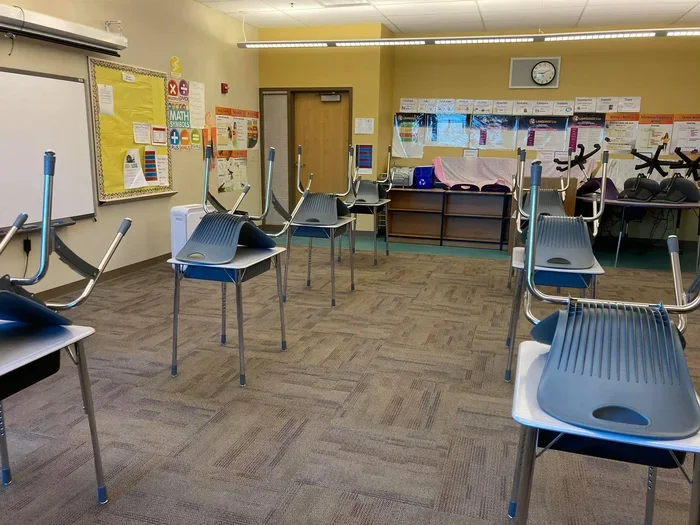
New Mexico ranks near the bottom in national education rankings, often placing in the 40s for K-12 performance, graduation rates, and student achievement. The state faces challenges like low funding, high poverty rates, and gaps in educational outcomes. However, recent reforms and community-driven initiatives are working to improve the future of education in New Mexico.
When people ask what is New Mexico ranked in education, the answer is not one they want to hear. The Land of Enchantment often finds itself near the bottom of national education rankings. But the story does not end there. Understanding where the state stands helps families, teachers, and leaders make better decisions for the future.
Education rankings shape everything from school funding to college readiness. They influence where families choose to live and what opportunities students can access. In this article, we break down New Mexico’s education ranking in detail. We look at the numbers, the challenges, and the bright spots that deserve attention. Let us dive in.
Key Takeaways
- Low National Standing: New Mexico consistently ranks among the lowest-performing states in education across multiple national reports.
- Funding Gaps: Insufficient per-pupil spending and unequal distribution of resources hurt student outcomes.
- Graduation Rate Challenges: While improving, graduation rates still lag behind the national average.
- Bright Spots Exist: Certain districts and programs show promising progress despite statewide struggles.
- Reform Efforts Underway: Policy changes and community initiatives are driving meaningful shifts toward improvement.
- Why It Matters: Education rankings affect economic growth, workforce readiness, and quality of life for all residents.
📑 Table of Contents
- Where Does New Mexico Stand in Education Rankings?
- Why Is New Mexico’s Education Ranking So Low?
- What Are the Bright Spots in New Mexico Education?
- How Do Education Rankings Impact Real Lives?
- What Steps Is New Mexico Taking to Improve?
- How Does New Mexico Compare to Neighboring States?
- What Can You Do to Help Improve Education in New Mexico?
Where Does New Mexico Stand in Education Rankings?
New Mexico has struggled with education rankings for years. The state typically lands in the bottom five or ten across major national reports. Organizations like U.S. News and World Report, the Annie E. Casey Foundation, and Education Week publish annual rankings that track student performance, graduation rates, and funding levels.
In recent years, New Mexico has hovered around 48th or 49th in overall education quality. This puts it among the five lowest-performing states in the country. The rankings consider several factors, including test scores, graduation rates, and early childhood education access.
Key Ranking Areas for New Mexico
Let us look at the specific areas where New Mexico falls short. These subcategories give us a clearer picture of the state’s education landscape.
- K-12 Achievement: New Mexico students often score below the national average on standardized tests. Reading and math proficiency rates remain low, especially among minority and low-income student groups.
- Graduation Rates: The four-year high school graduation rate has improved but still trails the national average. Many students face barriers like poverty, mobility, and lack of support systems.
- Higher Education Readiness: A smaller percentage of New Mexico high school graduates are considered college-ready compared to the national norm. This affects enrollment and completion rates at state colleges and universities.
- Early Childhood Education: Access to pre-K programs is limited. Many young learners start school already behind their peers in other states.
When people search for what is New Mexico ranked in education, they often want to understand the full picture. These numbers paint a challenging one, but they also point to where change is most needed.
Why Is New Mexico’s Education Ranking So Low?
Understanding the reasons behind low rankings matters just as much as knowing the rankings themselves. Several interconnected factors contribute to New Mexico’s struggles in the education system.
Funding Challenges
One of the biggest issues is education funding. New Mexico spends less per pupil than the national average. Schools in rural and tribal areas often receive even fewer resources. This creates a gap between what students need and what schools can provide.
Low funding affects everything from teacher salaries to classroom materials. When schools cannot pay competitive wages, they struggle to attract and retain qualified educators. This creates a cycle that is hard to break.
Poverty and Socioeconomic Factors
New Mexico has one of the highest poverty rates in the nation. Poverty directly impacts educational outcomes. Students who lack stable housing, food security, and healthcare face enormous challenges in the classroom. These barriers make it harder for them to focus, engage, and succeed academically.
Many families in New Mexico deal with multi-generational poverty. This means that even when students want to do well, they may lack the support systems that more affluent families take for granted.
Teacher Shortages and Retention
New Mexico faces serious teacher shortages, especially in math, science, and special education. Rural communities are hit the hardest. When a school cannot find a certified teacher, students suffer. They may be taught by long-term substitutes or placed in larger classes with less individual attention.
Teacher retention is another major concern. Many educators leave the profession within the first few years due to low pay and high burnout. This turnover disrupts learning and makes it harder for schools to build stable, effective teams.
Geographic and Cultural Barriers
New Mexico is a large and diverse state. It has vast rural areas, remote tribal communities, and border towns. Each of these regions faces unique education challenges. Students in remote areas may travel long distances just to get to school. Cultural and language differences can also create gaps in how well the standard curriculum serves all learners.
For many Native American and Hispanic students, the education system has not always been inclusive. Culturally responsive teaching and bilingual education programs are growing, but they still need more support and funding.
What Are the Bright Spots in New Mexico Education?
It is easy to focus on the negatives, but New Mexico has reasons for hope. Several districts and programs are making real progress. These bright spots show that improvement is possible with the right investment and commitment.
Districts Showing Improvement
Some New Mexico school districts have made notable gains in recent years. For example, the Santa Fe Public Schools district has worked to boost graduation rates and test scores. Las Cruces Public Schools has also shown upward trends in student achievement. These districts prove that targeted efforts can move the needle, even in a challenging environment.
Innovative Programs
Several programs across the state are tackling education challenges head-on. Early childhood education initiatives like Pre-K programs are expanding access for young learners. Dual-language programs help bilingual students thrive while preserving their cultural heritage. Career and technical education (CTE) pathways give high school students real-world skills and direct routes to jobs.
When people talk about what is New Mexico ranked in education, they sometimes miss these positive developments. The state is not standing still. Many communities are actively working to create better futures for their students.
Community and Tribal Partnerships
One of the most promising areas of growth is the partnership between schools and tribal communities. New Mexico has 23 tribal nations, and many are taking a more active role in shaping education for Native students. These partnerships bring culturally relevant curriculum, community mentorship, and stronger support networks into schools.
These collaborations are powerful. They show that when communities lead the way, students benefit deeply. This kind of grassroots change is exactly what the state needs more of.
How Do Education Rankings Impact Real Lives?
Education rankings may seem abstract, but they affect real people every day. Understanding the human side of these numbers helps us see why improvement matters so much.
Impact on Students
Students in low-ranking states often face fewer opportunities. They may have access to fewer advanced courses, less experienced teachers, and outdated learning materials. Over time, these disadvantages add up and limit their options after graduation.
Low rankings can also affect student motivation. When young people hear that their state is ranked near the bottom, it can feel discouraging. On the flip side, when they see progress and investment, it can inspire them to aim higher.
Impact on Families
Parents pay close attention to education rankings. They use them to decide where to live, which schools to choose, and how to advocate for their children. When a state ranks low, families may feel frustrated or powerless. But rankings also give them data to push for change.
Families who understand what is New Mexico ranked in education can better engage with school boards, demand accountability, and support local improvement efforts.
Impact on the Economy
Education and economic health go hand in hand. States with low education rankings often struggle with workforce development, business attraction, and economic growth. When students do not graduate college or career-ready, the entire state feels the impact.
Improving education rankings is not just about test scores. It is about building a stronger, more competitive New Mexico. Better education leads to better jobs, higher incomes, and improved quality of life for everyone.
What Steps Is New Mexico Taking to Improve?
The state is not ignoring the problem. Several initiatives and policy changes aim to raise New Mexico’s education standing over time.
Increased Education Funding
Recent legislative sessions have brought increased funding for public schools. The state has raised its per-pupil spending in some areas and directed more money toward high-need districts. While this does not solve everything, it is a meaningful step in the right direction.
Teacher Recruitment and Support
Programs that offer loan forgiveness, housing incentives, and mentorship for new teachers are growing. These efforts aim to attract more educators to the profession and keep experienced teachers in the classroom. Some districts are also partnering with local universities to create pipelines of trained teachers.
Focus on Equity and Access
New Mexico is working to close gaps in access to quality education. Initiatives targeting rural schools, tribal communities, and English language learners are receiving more attention and funding. The goal is to make sure every student, regardless of background or location, has a fair chance to succeed.
As one expert noted, the conversation about what is New Mexico ranked in education should not just be about the ranking itself. It should be about the trajectory. Are things getting better? And the answer, in many areas, is yes.
How Does New Mexico Compare to Neighboring States?
Context matters when looking at education rankings. New Mexico does not exist in a vacuum. Comparing it to neighboring states helps us understand where it stands regionally.
| State | Overall Education Rank | Graduation Rate | Per-Pupil Spending |
|---|---|---|---|
| New Mexico | ~48th | ~74% | ~$9,500 |
| Arizona | ~45th | ~77% | ~$9,200 |
| Colorado | ~30th | ~82% | ~$10,500 |
| Texas | ~41st | ~89% | ~$10,000 |
| Utah | ~25th | ~85% | ~$8,500 |
As you can see, New Mexico is not alone in struggling with education. Arizona and Arizona face similar challenges. But Colorado, just to the north, ranks significantly higher. This comparison shows that improvement is possible with the right investment and policy focus.
People often ask what is New Mexico ranked in education compared to its neighbors. The answer is clear: the state has room to grow and learn from the successes of nearby states like Colorado and Utah.
What Can You Do to Help Improve Education in New Mexico?
Education improvement is not just a job for politicians and policymakers. Every community member can play a role. Here are practical ways you can make a difference.
- Volunteer at local schools. Even a few hours a week can make a huge difference for students and teachers.
- Support education-focused organizations. Many nonprofits work directly with New Mexico schools to provide resources, tutoring, and mentorship.
- Attend school board meetings. Your voice matters. Showing up and speaking up helps shape local education policy.
- Mentor a student. Many young people simply need a caring adult to listen and guide them. You can be that person.
- Stay informed. Understanding what is New Mexico ranked in education helps you advocate more effectively for change.
Small actions add up. When communities come together around education, the impact can be transformative. The ranking may be low today, but it does not have to stay that way.
The conversation about education in New Mexico is evolving. More people are paying attention, more resources are flowing in, and more students are getting the support they deserve. The state may rank near the bottom now, but that ranking is not a life sentence. With continued effort, New Mexico can move up and give its students the bright future they deserve.
Frequently Asked Questions
What is New Mexico ranked in education compared to other states?
New Mexico typically ranks around 48th or 49th in overall education quality among all 50 states. This low standing reflects challenges in funding, graduation rates, and student achievement. However, the state has been making gradual progress in several areas.
Why does New Mexico rank so low in education?
Several factors contribute to the low ranking, including insufficient per-pupil funding, high poverty rates, teacher shortages, and geographic barriers. Rural and tribal communities face the most significant challenges. These issues are deeply interconnected and require comprehensive solutions.
Has New Mexico’s education ranking improved over time?
Yes, there have been some improvements. Graduation rates have risen, and certain districts have shown stronger academic gains. Early childhood education programs are also expanding. While the state still ranks low, the trajectory is moving in the right direction.
How do education rankings affect students in New Mexico?
Low rankings often mean fewer resources, larger class sizes, and less access to advanced courses. Students may graduate less prepared for college or careers. However, many dedicated teachers and programs are working hard to change this reality for New Mexico students.
What is being done to improve New Mexico’s education ranking?
The state has increased education funding in recent years, launched teacher recruitment programs, and expanded early childhood education access. Community partnerships and tribal collaborations are also driving meaningful change. These efforts are building a stronger foundation for future improvement.
Can parents and community members help improve education rankings in New Mexico?
Absolutely. Parents and community members can volunteer, attend school board meetings, mentor students, and support education organizations. Every effort contributes to a stronger education system. When communities engage, schools improve, and rankings can rise over time.
=== CONCLUSION ===
So, what is New Mexico ranked in education? The honest answer is that the state faces real challenges. It ranks among the lowest in the nation for K-12 achievement, graduation rates, and educational funding. But the story does not end with a ranking number. New Mexico is a state full of resilience, culture, and community strength. And those qualities are driving real change in its schools.
The factors behind the low ranking are complex. Funding gaps, poverty, teacher shortages, and geographic barriers all play a role. Yet the bright spots are real. Districts are improving, programs are innovating, and communities are coming together to demand better outcomes for their children.
If you live in New Mexico or care about its future, staying informed is the first step. Understanding the current state of education helps you advocate for the changes that matter. Whether you volunteer at a local school, support education funding, or simply stay engaged, you are part of the solution.
New Mexico’s education ranking is not fixed. It is a snapshot of where things are today, not where they will be tomorrow. With continued effort, investment, and community spirit, the state can climb the rankings and give every student the opportunity they deserve to succeed.


