
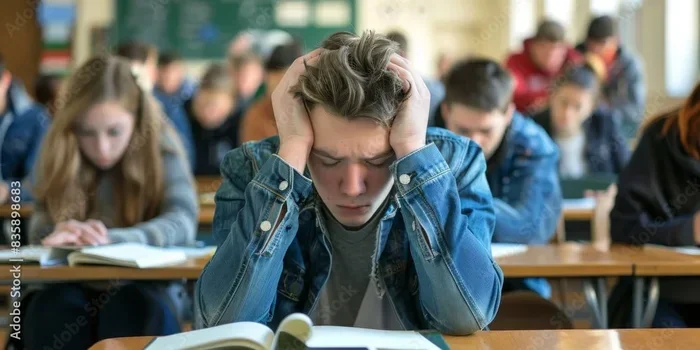
Understanding which states have the worst education systems helps families, policymakers, and students make informed decisions. Education rankings by state reveal gaps in funding, graduation rates, and student performance. This guide breaks down the data clearly and offers practical steps for improvement.
When people ask what states have the worst education, they want clear answers backed by real data. The truth is that education quality varies dramatically across the country. Some states invest heavily in schools, while others struggle with underfunded districts, low graduation rates, and teacher shortages.
In this article, we rank the states with the weakest education systems and explain why they fall behind. We also look at the key metrics that drive these rankings. Whether you are a parent, a student, or simply curious about education quality by state, this guide gives you the full picture.
We use straightforward language and real numbers to make this topic easy to understand. No jargon. No fluff. Just honest analysis of where our education system falls short and what it means for millions of students.
Key Takeaways
- Multiple factors determine education quality: funding, teacher ratios, and test scores all play a role.
- Some states consistently rank at the bottom: Mississippi, Louisiana, and New Mexico often appear in the worst education rankings.
- Funding disparities drive inequality: low-income districts receive far less per pupil than wealthier areas.
- Graduation rates tell a revealing story: states with low graduation rates often share common challenges like poverty and teacher shortages.
- Language and metaphors shape perception: the way we describe education using Idioms For Education influences public understanding of these issues.
- Actionable solutions exist: targeted policy changes and community engagement can improve outcomes even in struggling systems.
📑 Table of Contents
- Understanding How Education Rankings by State Work
- Key Metrics That Define Education Quality
- States With the Lowest Graduation Rates and Weakest Outcomes
- Funding Disparities and Their Role in Education Inequality
- How Language Shapes Our Understanding of Education Problems
- What Can Be Done to Improve Struggling Education Systems
- Quick Tips for Parents Navigating Low-Ranked School Systems
- Common Mistakes People Make When Interpreting Education Rankings
- Expert Insights on Education Inequality
- Final Thoughts
Understanding How Education Rankings by State Work
Education rankings are not just one number. They combine many factors into a single picture. Think of it like a report card for every state. Researchers look at test scores, graduation rates, funding levels, and more. Then they compare states against each other.
The most trusted sources for these rankings include the National Assessment of Educational Progress, or NAEP, and various education policy groups. These organizations collect data every few years. They measure student performance in math, reading, and science across all fifty states.
Why Rankings Matter for Families
Families move, and they want to know what kind of schools their children will attend. Education rankings give them a starting point. A state that ranks near the bottom often means larger class sizes, fewer resources, and less support for struggling students.
But rankings do not tell the whole story. Some states with lower overall scores have pockets of excellence. Individual schools can outperform state averages significantly. Still, the broad trends matter. They show where systemic problems need attention.
Common Language Used to Describe Education Challenges
People often use figurative language to describe education problems. For example, they might say a school is “a ship without a rudder” when it lacks direction. These expressions come from a rich tradition of Similes For Education that help us communicate complex challenges in simple terms. Understanding this language helps us engage more deeply with education debates.
Key Metrics That Define Education Quality
Not all metrics carry the same weight. Some factors matter more than others when judging which states have the worst education. Here are the most important ones to consider.
Graduation Rates
Graduation rates show how many students finish high school on time. States with rates below 80 percent raise serious concerns. Low graduation rates often connect to poverty, lack of resources, and inadequate support systems.
When a state has a low graduation rate, it affects the entire community. Fewer graduates mean fewer job-ready workers. It also means lower lifetime earnings for individuals. The ripple effects are real and long-lasting.
Standardized Test Scores
NAEP scores give us a national benchmark. They measure what students know in core subjects. States that consistently score below the national average often face challenges in curriculum quality and teaching effectiveness.
But test scores alone do not define a school. Many educators argue that standardized testing does not capture the full picture of student learning. Creativity, critical thinking, and social skills matter too. Still, test scores remain one of the most widely used measures.
Per-Pupil Spending
How much does each state spend per student? This number varies wildly. Some states spend over $20,000 per pupil. Others spend less than $8,000. The gap is enormous and directly impacts educational outcomes.
Higher spending does not always mean better results. But chronic underfunding almost always leads to problems. Old textbooks, crumbling buildings, and underpaid teachers all result from low budgets.
States With the Lowest Graduation Rates and Weakest Outcomes
Several states consistently appear at the bottom of education rankings. These states face overlapping challenges that make improvement difficult. Let us look at the most commonly cited examples.
Mississippi
Mississippi often ranks last or near last in national education studies. The state has historically struggled with low reading scores and below-average math performance. Per-pupil spending remains among the lowest in the nation.
However, Mississippi has shown some recent progress. Targeted literacy initiatives have boosted early reading scores. Still, the state has a long way to go before it reaches the national average.
Louisiana
Louisiana faces many of the same challenges as Mississippi. High poverty rates, limited funding, and teacher shortages all weigh on the system. The state’s dropout rates remain higher than the national average.
Louisiana also deals with the aftermath of natural disasters. Hurricanes have disrupted schooling for thousands of students. These disruptions compound existing problems and make recovery harder.
New Mexico
New Mexico rounds out the bottom three in many rankings. The state has a large population of students from low-income families. Many of these students attend underfunded school districts with limited access to advanced courses.
Native American students in New Mexico face particularly steep challenges. Achievement gaps between demographic groups remain wide. Addressing these gaps requires focused investment and culturally responsive teaching.
Other States Near the Bottom
Several other states also rank poorly. Alabama, West Virginia, and Arkansas frequently appear in the bottom tier. Each state has unique circumstances, but common themes emerge. Poverty, rural isolation, and insufficient funding drive most of the problems.
Funding Disparities and Their Role in Education Inequality
One of the biggest drivers of poor education outcomes is unequal funding. The way states and localities pay for schools creates deep divides. Wealthy districts can raise more money through property taxes. Poor districts cannot.
This system means that the students who need the most help often get the least. It is a cycle that is hard to break. Education funding disparities affect everything from teacher salaries to building conditions.
The Property Tax Problem
Most schools rely heavily on local property taxes. This means that neighborhoods with expensive homes generate more school funding. Neighborhoods with lower property values generate less. The result is a two-tiered system.
Some states have tried to fix this through equalization formulas. These formulas redistribute state funds to poorer districts. But they do not always work well. The gap between rich and poor districts persists in most states.
Teacher Shortages in Struggling States
Low pay drives many teachers away from the worst-performing states. When teachers leave, class sizes grow. Remaining teachers take on more students and less support. This creates a vicious cycle that harms student performance.
States at the bottom of education rankings often cannot compete with higher-paying districts in neighboring states. Teachers migrate where the pay is better. This brain drain leaves struggling schools even weaker.
How Language Shapes Our Understanding of Education Problems
The way we talk about education matters more than we might think. The expressions we use influence how people think about school quality. For instance, when we describe a failing school as a “battlefield,” we frame it in adversarial terms. This shapes public perception and policy decisions.
Many common expressions about education come from figurative language traditions. Metaphors For Education like “building a foundation” or “opening doors” shape how we think about learning. These metaphors can inspire or they can limit our thinking about what is possible.
When we say education is “a ladder” that some students cannot climb, we imply a fixed structure that individuals must navigate alone. But education is really a shared responsibility. Changing the metaphors we use can change the solutions we pursue.
Biblical and Cultural References in Education Discourse
Education has long been tied to cultural and religious language. Phrases drawn from tradition appear in discussions about schooling and morality. References like Similes For The Bible show how deeply intertwined language and learning have been throughout history. These references remind us that education has always carried deeper meaning beyond test scores and rankings.
What Can Be Done to Improve Struggling Education Systems
Identifying the worst-performing states is only half the battle. The other half is finding solutions. Real improvement requires sustained effort and smart policy choices.
Increase Fair Funding
States need to reform how they fund schools. Weighted funding formulas that direct more money to high-need students can make a difference. Equal access to resources should be a baseline, not a goal.
Invest in Teachers
Better pay attracts and retains great teachers. States should offer competitive salaries, loan forgiveness programs, and mentorship support. When teachers feel valued, students benefit.
Focus on Early Literacy
Reading by third grade predicts future academic success. States should invest heavily in early reading programs. Early intervention prevents problems from compounding over time.
Engage Communities
Schools cannot improve in isolation. Community involvement drives accountability and support. Parent engagement, local partnerships, and volunteer programs all strengthen schools from the outside.
Quick Tips for Parents Navigating Low-Ranked School Systems
- Research individual schools: State averages do not tell the whole story. Look up specific schools in your area.
- Visit classrooms: Nothing replaces seeing a school in action. Talk to teachers and ask questions.
- Explore alternatives: Charter schools, magnet programs, and online options may offer better fits.
- Advocate for change: Attend school board meetings. Your voice matters in shaping local education policy.
- Support learning at home: Reading together, practicing math, and encouraging curiosity go a long way regardless of school quality.
Common Mistakes People Make When Interpreting Education Rankings
Education rankings are useful, but they are often misunderstood. Here are common pitfalls to avoid.
- Assuming the bottom-ranked state is hopeless: Rankings are snapshots, not permanent labels. Some states improve dramatically over time.
- Ignoring context: Poverty, demographics, and history all affect scores. Comparing states without considering these factors is misleading.
- Focusing only on test scores: A well-rounded education includes arts, sports, and social development. Rankings often miss these entirely.
- Overlooking recent progress: Some states near the bottom have made significant gains. Trends matter as much as current positions.
Expert Insights on Education Inequality
Education researchers emphasize that no state is beyond improvement. According to experts, the key is sustained investment paired with smart policy. States that have moved up in rankings often did so through focused literacy programs, teacher support, and community engagement.
Dr. Linda Darling-Hammond, a leading education scholar, has noted that equity-focused funding is the single most impactful reform a state can make. When resources reach the students who need them most, outcomes improve across the board.
Another expert insight comes from data on educational inequality. Studies show that closing achievement gaps between demographic groups would add trillions of dollars to the national economy. Improving education is not just a moral imperative. It is an economic one too.
Final Thoughts
The question of what states have the worst education does not have a simple answer. Many factors interact to create the rankings we see. Funding, teacher quality, poverty, and policy all play roles. But understanding these factors is the first step toward change.
States at the bottom of education rankings face real challenges. But they also have opportunities. With the right investments and community support, improvement is possible. Every student deserves access to a quality education, regardless of their zip code.
If you want to dig deeper into how we talk about education, explore our collection of Similes For Education and Metaphors For The Ocean to see how figurative language shapes our thinking about learning and growth. The words we choose matter, and better language can lead to better outcomes.
Frequently Asked Questions
Which state has the worst education system in the US?
Mississippi consistently ranks at or near the bottom in national education studies. It struggles with low funding, below-average test scores, and high poverty rates. However, rankings change over time as states implement reforms and show progress.
What metrics are used to rank state education systems?
Common metrics include graduation rates, standardized test scores, per-pupil spending, and teacher quality indicators. Organizations like the National Assessment of Educational Progress provide the data behind these rankings. Different reports may weight these factors differently.
Can a state with a low ranking improve its education system?
Absolutely. Many states have moved up in rankings after implementing targeted reforms. Focus areas include fair funding, teacher support, early literacy programs, and community engagement. Sustained effort over multiple years drives meaningful change.
Why do some states spend less on education than others?
State economies vary widely. Wealthier states generate more tax revenue and can invest more in schools. Local property taxes also play a major role. States with lower overall wealth often cannot match the spending levels of richer states.
How does poverty affect education rankings?
Poverty creates barriers to learning. Students in low-income families may lack access to resources, stable housing, and nutritious food. These challenges affect attendance, test performance, and graduation rates. High-poverty states often rank lower in education quality metrics.
Are private schools a solution for states with bad public education?
Private schools can offer alternatives for families who can afford them. But they do not solve systemic problems in public education. Most students attend public schools, so improving public systems benefits the most people. Policy focus should remain on strengthening public schools for all students.


