
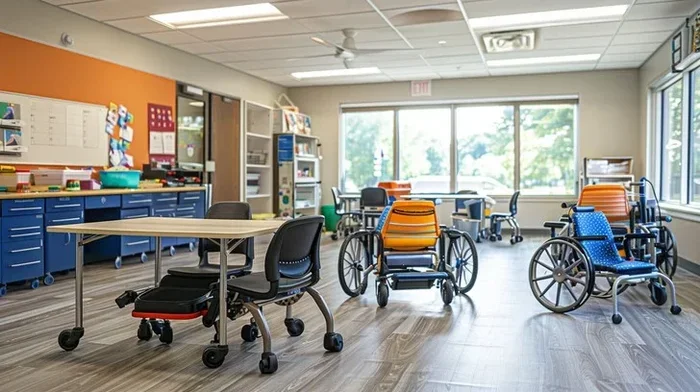
Do private schools have special education? Yes, many do, but the services vary widely. Private schools are not required to follow the same rules as public schools, yet they still serve students with learning differences and disability accommodations. This guide covers what you need to know about special education services in private settings.
Choosing a school for a child with learning differences is one of the most important decisions a family can make. Parents often wonder, do private schools have special education services? The short answer is yes, but with important caveats. Private schools are not bound by the same federal rules as public schools, yet many still provide strong special education services tailored to individual needs.
Understanding how special education works in a private setting can save you time, money, and stress. Whether your child has a learning disability or needs disability accommodations, knowing what to expect makes all the difference. This guide walks you through everything you need to know about special education in private schools. We will cover legal rights, funding, services, and practical tips for finding the right fit.
Key Takeaways
- Private schools can offer special education services: Many private schools provide specialized instruction and disability accommodations for students with learning disabilities.
- Legal protections still apply: Laws like Section 504 and the ADA require private schools to make reasonable accommodations for students with disabilities.
- Funding differs from public schools: Private schools do not receive the same federal funding for special education programs, which affects the range of services offered.
- Student-to-teacher ratios are often lower: This can benefit students who need more individualized attention in a mainstream classroom.
- Not all private schools are equal: Some specialize in learning support, while others have limited resources. Always ask questions before enrolling.
- IEPs may not be required: Private schools are not obligated to create Individualized Education Programs (IEPs) like public schools do.
- Research is essential: Visit schools, ask about educational assessment practices, and review accommodation plans before making a decision.
📑 Table of Contents
- How Private Schools Handle Special Education
- The Legal Framework: Section 504 and the ADA
- Private Schools vs. Public Schools for Special Education
- Types of Support Services Private Schools Offer
- How to Find the Right Private School for Special Education Needs
- Common Myths About Private School Special Education
- Final Thoughts
How Private Schools Handle Special Education
What Special Education Services Look Like in Private Settings
Private schools have the freedom to design their own special education programs. Unlike public schools, they are not required to follow every rule set by the Individuals with Disabilities Education Act (IDEA). However, they must still comply with federal civil rights laws. This means they cannot discriminate against students based on disability.
Many private schools offer specialized instruction for students who learn differently. Some schools employ trained special education teachers who work one-on-one or in small groups. Others bring in outside specialists to provide learning support within the campus. The type and depth of services depend heavily on the school’s size, budget, and mission.
Some private schools use creative teaching methods to explain complex ideas. For example, educators might use metaphors for education to help students grasp abstract concepts. A teacher might say, “The brain is like a garden — it grows when you water it with practice.” Such metaphors for education make lessons more relatable and can be especially helpful in special education classrooms where students benefit from concrete, visual explanations.
How Educators Use Language to Support Learning
Language plays a huge role in how students understand new material. Private school teachers often use figurative language to make lessons stick. Similes for education are a great example. A teacher might say, “Solving this math problem is like putting together a puzzle — piece by piece.” These comparisons help students break down difficult tasks into manageable steps.
Similarly, educators often rely on idioms for education to build vocabulary and comprehension. Phrases like “the ball is in your court” or “learning the ropes” appear in everyday classroom talk. For students in special education programs, understanding common expressions can boost confidence and social skills. Schools that weave these language tools into daily instruction create a richer learning environment for all students.
The Legal Framework: Section 504 and the ADA
What Laws Protect Students with Disabilities in Private Schools
Even though private schools are not governed by IDEA, they still must follow key federal laws. Section 504 of the Rehabilitation Act and the Americans with Disabilities Act (ADA) apply to most private schools that receive federal funding. These laws ensure that students with disabilities receive reasonable accommodations.
Under Section 504, private schools must provide disability accommodations such as:
- Extended time on tests and assignments
- Preferential seating in the classroom
- Access to assistive technology
- Modified homework assignments
- Access to a resource room or learning support center
It is important to note that Section 504 plans are different from IEPs. Public schools create formal IEPs for eligible students. Private schools may create similar accommodation plans, but these are not legally binding in the same way. Still, they provide a written framework for supporting your child’s needs.
Understanding Special Education Eligibility in Private Schools
Eligibility for special education services in private schools works differently than in public schools. Public schools must evaluate any child suspected of having a learning disability. Private schools can set their own criteria for special education eligibility. Some schools require an outside educational assessment before admitting a student with special needs.
This means the admission process may include reviewing your child’s academic records, psychological evaluations, and previous accommodation plans. Being prepared with these documents can make the process smoother and faster.
Private Schools vs. Public Schools for Special Education
Funding and Resource Differences
One of the biggest differences between private and public special education is funding. Public schools receive federal and state money specifically earmarked for special education programs. This funding supports specialized instruction, resource rooms, therapy services, and trained staff.
Private schools do not receive this dedicated funding. They rely on tuition, donations, and endowments to cover all expenses, including student support services. As a result, the range of special education services can vary significantly from one private school to another.
However, many parents choose private schools for the lower student-to-teacher ratio. Smaller class sizes mean more individualized attention, which can benefit students with learning differences. In a mainstream classroom, a teacher can more easily adapt lessons when there are fewer students to manage.
Service Availability Comparison
| Feature | Public Schools | Private Schools |
|---|---|---|
| Free special education services | Yes | No (may charge extra) |
| Individualized Education Programs (IEPs) | Required by law | Not required |
| Section 504 compliance | Yes | Yes (if federally funded) |
| Student-to-teacher ratio | Varies (often 15:1 to 30:1) | Often lower (8:1 to 15:1) |
| Range of therapies (OT, speech, etc.) | Typically wide | Varies by school |
| Federal funding for disability accommodations | Yes | No (unless specific grants apply) |
| Customized learning support plans | Standard (IEP/504) | Varies (school-dependent) |
As you can see, both systems have strengths. Public schools offer mandated services at no cost, while private schools often provide smaller class sizes and more personalized attention. The best choice depends on your child’s unique needs and your family’s circumstances.
Types of Support Services Private Schools Offer
Common Accommodations and Programs
Many private schools offer a range of student support services designed to help learners with learning disabilities thrive. Common services include:
- Learning specialists who provide one-on-one or small-group tutoring
- Speech and language therapy on campus or through referrals
- Occupational therapy to support fine motor and sensory needs
- Counseling services for social-emotional development
- Assistive technology such as text-to-speech software and audiobooks
- Modified curricula that adjust pacing and workload
Some private schools are specifically designed for students with learning differences. These schools, sometimes called specialty schools or learning differences schools, build their entire program around specialized instruction. They employ teachers with training in special education methods and create accommodation plans for every enrolled student.
The Role of Educational Assessment
Before enrolling in most private schools, your child will likely need an educational assessment. This evaluation helps the school understand your child’s strengths and challenges. It also guides the creation of a personalized accommodation plan or learning support strategy.
Assessments may include standardized tests, classroom observations, and interviews with parents and teachers. The results give the school a clear picture of what your child needs to succeed. Be sure to share all relevant reports with the admissions team. This transparency helps the school place your child in the right program from day one.
How to Find the Right Private School for Special Education Needs
Questions to Ask During Your School Visit
Visiting a private school is one of the best ways to learn about their special education services. Here are important questions to ask during your tour:
- Does the school have special education trained teachers on staff?
- What disability accommodations does the school currently offer?
- How does the school handle learning disabilities that are newly identified?
- Is there a resource room or dedicated learning support space?
- What is the student-to-teacher ratio in core subjects?
- Does the school create written accommodation plans for eligible students?
- What educational assessment process does the school use for admissions?
- Can the school provide references from current parents of students with special needs?
Asking these questions shows the school that you are serious and informed. It also gives you a clear picture of what to expect. Trust your instincts. If a school seems evasive or unsure about their special education offerings, that is a red flag worth noting.
Tips for a Smooth Transition
Once you choose a private school, a smooth transition helps your child feel confident and supported. Start by sharing all relevant documents, including educational assessment reports and previous accommodation plans. Meet with your child’s teachers before the school year begins to discuss learning support strategies.
Communication is key. Keep an open line with the school throughout the year. Attend parent-teacher meetings regularly. If something is not working, speak up early. Most private schools want to partner with parents to ensure every student succeeds.
Educators in private settings often use creative language tools to help students grasp new material. For instance, similes for education like “reading is like opening a door to a new world” can inspire reluctant readers. Similarly, idioms for education help students build practical language skills they will use every day. These teaching techniques, combined with strong special education support, create a well-rounded learning experience.
Common Myths About Private School Special Education
There are many misconceptions about special education in private schools. Let us clear up a few of the most common ones.
Myth 1: Private schools do not serve students with disabilities. This is simply not true. Many private schools actively welcome students with learning differences and provide robust disability accommodations. Some schools even specialize in this area.
Myth 2: Private schools are too expensive for families who need special education. While tuition can be high, many private schools offer financial aid, scholarships, and payment plans. Some also accept education savings accounts (ESAs) or scholarship programs designed for students with special needs.
Myth 3: Private schools do not follow any legal requirements for special education. While private schools are exempt from IDEA, they must still comply with Section 504 and the ADA. These laws protect students from discrimination and require reasonable accommodations.
Myth 4: Your child will fall behind without an IEP. Private schools create their own support structures. Many develop detailed accommodation plans that serve the same purpose as an IEP. The format may differ, but the goal is the same: helping your child succeed.
Final Thoughts
The answer to the question, do private schools have special education, is a clear yes. Private schools offer a range of special education services, from learning support and disability accommodations to fully customized accommodation plans. While they do not operate under the same legal mandates as public schools, they are still required to provide fair and equitable access to students with disabilities.
Finding the right school takes research, visits, and honest conversations. Ask detailed questions about special education programs, review accommodation plans, and understand the student-to-teacher ratio. The right private school can make a profound difference in your child’s academic journey and self-confidence.
Remember, every child learns differently. The goal is to find a school that recognizes your child’s strengths and provides the specialized instruction needed to grow. With the right special education support, any child can thrive in a private school setting.
Frequently Asked Questions
Do all private schools have special education services?
No, not all private schools offer the same level of special education services. Some schools have dedicated learning support programs, while others have limited resources. Always research a school’s offerings before enrolling your child.
Are private schools required to provide IEPs?
Private schools are not required to create Individualized Education Programs (IEPs) like public schools. However, many schools develop their own accommodation plans to support students with disabilities.
Can a child with a learning disability attend a private school?
Yes, many private schools welcome students with learning disabilities. Some schools even specialize in serving students with learning differences through specialized instruction and tailored disability accommodations.
How much does special education cost in a private school?
The cost varies widely. Some private schools include student support services in tuition, while others charge additional fees for special education support. Financial aid and scholarships may be available for families who qualify.
What legal rights do students with disabilities have in private schools?
Students in private schools are protected by Section 504 and the ADA. These laws require reasonable accommodations and prohibit discrimination based on disability. Private schools that receive federal funding must comply with these regulations.
How do I know if a private school is right for my child with special needs?
Visit the school, ask detailed questions about their special education programs, and request to see sample accommodation plans. Talk to current parents and observe how teachers interact with students who have learning differences. Trust your judgment and choose a school that feels like the right fit.
=== CONCLUSION ===
Choosing a private school for a child who needs special education services is a big decision. The good news is that many private schools offer strong learning support, disability accommodations, and specialized instruction. While the legal framework differs from public schools, the commitment to helping every student succeed remains the same.
Take your time. Do your research. Ask the right questions. The right school will welcome your child and provide the special education support needed to reach their full potential.


