
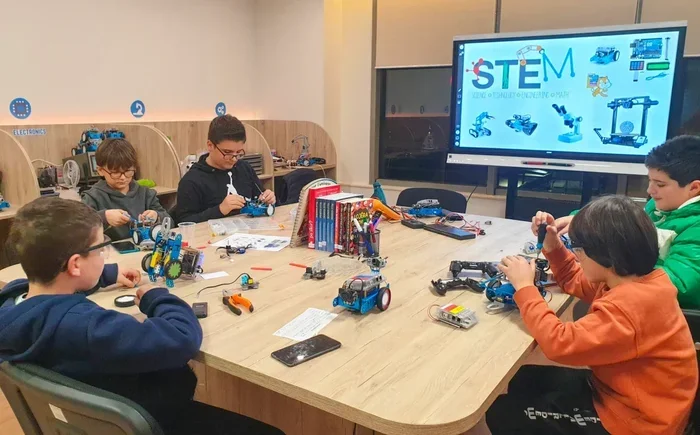
Steam education combines science, technology, engineering, art, and math into one powerful learning approach. It helps students develop critical thinking, creativity, and real-world problem-solving skills. Schools that adopt steam education see better student engagement and stronger career readiness. This guide covers everything you need to know about why steam education is transforming classrooms.
Imagine a classroom where students build robots, design paintings, solve math puzzles, and ask big questions about the world around them. That is the heart of steam education. It is not just a trendy buzzword. It is a powerful approach to learning that is reshaping how kids think, create, and solve problems.
Steam education stands for Science, Technology, Engineering, Art, and Mathematics. But it is so much more than a simple acronym. It represents a way of teaching that breaks down the walls between subjects. Instead of learning science in one period and art in another, steam education weaves them all together. The result? Students who think more creatively, collaborate more effectively, and are ready for the challenges of tomorrow.
You might wonder, why add art to the mix? Great question. For years, educators focused on STEM alone. But researchers and teachers noticed something important. Students who also engage with art and design think more broadly. They approach problems from fresh angles. Steam education captures that insight and puts it into practice every single day in classrooms around the world.
Key Takeaways
- Holistic Learning: Steam education blends five disciplines into one cohesive approach that mirrors real-world challenges.
- Creativity Meets Logic: Adding art to traditional STEM subjects boosts creativity and encourages innovative thinking.
- Future-Ready Skills: Students gain critical thinking, collaboration, and problem-solving abilities that employers value.
- Higher Engagement: Hands-on, interdisciplinary projects keep students motivated and curious about learning.
- Real-World Relevance: Steam education connects classroom lessons to everyday problems and career paths.
- Inclusive Learning: The art component welcomes diverse learners and breaks down barriers in science and math.
- Growing Adoption: Schools worldwide are embracing steam education to prepare students for a rapidly changing job market.
📑 Table of Contents
- What Exactly Is Steam Education?
- Why Is Steam Education So Important?
- Steam Education vs. Traditional STEM
- How Schools Are Implementing Steam Education
- The Benefits of Steam Education for Students
- Challenges and How to Overcome Them
- Quick Tips for Parents and Educators
- Expert Insights on Steam Education
- Key Takeaways
- Conclusion
What Exactly Is Steam Education?
At its core, steam education is an interdisciplinary approach to learning. It takes the traditional STEM subjects and adds art into the blend. This creates a more complete and balanced educational experience. Let us break down each letter so you can see how they all fit together.
Science
Science teaches students about the natural world. It covers biology, chemistry, physics, and earth sciences. In a steam education model, science is not just about memorizing facts. Students conduct experiments, ask questions, and explore how things work. They learn to observe, hypothesize, and test their ideas.
Technology
Technology in education goes beyond computers. It includes digital tools, coding, robotics, and even simple machines. When students use technology as part of steam education, they learn to create, not just consume. They build apps, program robots, and understand how digital systems shape our lives.
Engineering
Engineering is about solving real problems. Students design, build, and test solutions. They learn that failure is a natural part of the process. In steam education, engineering challenges teach persistence, logical thinking, and teamwork. Students discover that there are many ways to solve the same problem.
Art
This is the piece that makes steam education unique. Art includes visual arts, music, design, and creative expression. When students use art in learning, they tap into their imagination. They learn to communicate ideas visually and think outside the box. Art also makes learning more personal and meaningful for every student.
Mathematics
Math is the language of logic and pattern. In steam education, math is not taught in isolation. Students apply mathematical concepts to real projects. They measure, calculate, and analyze as they build and design. This hands-on approach helps math feel relevant and exciting.
Why Is Steam Education So Important?
The world is changing fast. The jobs of tomorrow will demand skills that go beyond rote memorization. Steam education prepares students for this reality. Here is why it matters so much in today’s classrooms.
Building Future-Ready Skills
Employers today look for more than technical knowledge. They want workers who can think critically, collaborate, and adapt. Steam education develops all of these skills naturally. When students work on a project that combines coding, design, and math, they practice skills they will use their entire lives.
Consider these skills that steam education builds:
- Critical thinking – students learn to analyze problems from multiple angles
- Creativity – students explore unique solutions and innovative ideas
- Collaboration – students work together on team-based projects
- Communication – students learn to present and explain their work clearly
- Adaptability – students get comfortable with uncertainty and change
Bridging the Gap Between Subjects
Traditional education often separates subjects into distinct blocks. A student might study fractions in math class and never see how fractions connect to music or art. Steam education breaks those barriers down. It shows students that knowledge is interconnected.
When a student designs a bridge out of popsicle sticks, they use engineering principles, math calculations, and artistic design. All at the same time. This kind of interdisciplinary learning helps students see the big picture. They understand how different areas of knowledge work together in the real world.
Boosting Student Engagement
One of the biggest challenges in education is keeping students engaged. Many traditional lectures and worksheets leave students bored and disconnected. Steam education changes that. Hands-on projects and creative challenges make learning fun and meaningful.
When students are actively building, designing, and creating, they stay focused longer. They develop a genuine curiosity about the world. This boost in student engagement leads to better educational outcomes and a love of learning that lasts a lifetime.
Steam Education vs. Traditional STEM
You have probably heard of STEM education. It stands for Science, Technology, Engineering, and Mathematics. Steam education takes STEM a step further by adding the arts. But what does that extra “A” really change? Let us compare.
| Aspect | STEM Education | Steam Education |
|---|---|---|
| Subjects Included | Science, Technology, Engineering, Math | Science, Technology, Engineering, Art, Math |
| Focus | Technical and analytical skills | Technical skills plus creativity and design thinking |
| Teaching Style | Often project-based with a technical lens | Project-based with creative and artistic integration |
| Student Expression | Primarily through data and technical solutions | Through design, visuals, and creative problem-solving |
| Real-World Connection | Strong in technical fields | Broader, connecting to design, culture, and innovation |
| Inclusivity | May appeal more to analytically minded students | Welcomes diverse learners including creative and artistic students |
The addition of art makes a huge difference. It opens the door for students who might not see themselves as “math people” or “science people.” Art gives them a way in. It makes steam education more inclusive and accessible to a wider range of learners.
How Schools Are Implementing Steam Education
Schools around the globe are finding creative ways to bring steam education to life. It is not just about adding art class to the schedule. It is about transforming how all subjects are taught. Here are some common approaches that work well.
Project-Based Learning
Project-based learning is at the heart of steam education. Students tackle real-world problems and work on projects over days or weeks. For example, a class might design a sustainable garden for their school. They research plants (science), use software to map the garden (technology), build raised beds (engineering), create labels and signs (art), and measure the plot (math).
This type of project shows students how all the subjects connect. It also gives them a sense of ownership over their learning. When students see their work make a real difference, motivation soars.
Maker Spaces and Innovation Labs
Many schools are setting up maker spaces where students can create and experiment. These spaces are stocked with tools like 3D printers, art supplies, coding kits, and building materials. A maker space is a playground for steam education. Students can explore ideas, test theories, and build prototypes without fear of failure.
These hands-on environments encourage students to think like inventors. They learn that trying, failing, and trying again is part of the process. This mindset is incredibly valuable in any career path they choose.
Collaborative Teaching
Steam education often involves teachers from different subjects working together. A science teacher and an art teacher might co-plan a lesson. A math teacher and a music teacher could explore rhythm and patterns. This collaborative approach shows students that learning is not siloed. It is one big, connected adventure.
Some educators also draw on rich language and figurative expression to make concepts more memorable. Using idioms for education can help students remember complex ideas through familiar phrases. Similarly, similes for education and metaphors for education can bring abstract steam concepts to life in a way that sticks with young learners.
The Benefits of Steam Education for Students
Why should schools invest in steam education? The benefits are clear and well-documented. Let us look at the key advantages for students.
Deeper Understanding of Concepts
When students learn through steam education, they understand concepts more deeply. Instead of memorizing a formula, they apply it to a real project. This deeper understanding leads to better retention and stronger educational outcomes. Students remember what they build and create far longer than what they simply read.
Greater Confidence
Steam education gives every student a chance to shine. Not every student excels at traditional tests. But when given a creative project, different strengths come to light. A student who struggles with written tests might be a brilliant designer or a natural builder. Steam education recognizes and celebrates these diverse talents.
Stronger Problem-Solving Abilities
Real-world problems are messy. They do not fit neatly into one subject area. Steam education teaches students to approach complex challenges with confidence. They learn to break big problems into smaller parts, brainstorm multiple solutions, and test their ideas. These problem-solving skills are valuable in every area of life.
Challenges and How to Overcome Them
Like any educational approach, steam education comes with its own set of challenges. Being aware of them helps schools plan better and succeed faster.
Limited Resources
Not every school has the budget for maker spaces or 3D printers. But steam education does not require expensive equipment. Teachers can use everyday materials like cardboard, tape, and recycled items. The key is the mindset, not the budget. Creative curriculum design can make steam learning accessible anywhere.
Teacher Training and Support
Many teachers were trained in traditional subject areas. Transitioning to an interdisciplinary approach can feel overwhelming. Schools can support teachers through professional development, team planning time, and shared resources. When teachers feel confident, their students benefit the most.
Assessment and Measurement
How do you grade a creative, open-ended project? This is a common challenge in steam education. Many schools are developing rubrics that assess process, collaboration, and creativity, not just the final product. These assessment methods give a fuller picture of student learning.
Quick Tips for Parents and Educators
Want to bring more steam learning into your home or classroom? Here are some simple tips to get started.
- Start small. You do not need a full curriculum overhaul. Add one steam-inspired activity per week and build from there.
- Encourage questions. Ask students “What do you think will happen?” and “How could we make this better?”
- Embrace messiness. Creative learning is not always neat. Let students experiment and make mistakes.
- Connect to real life. Point out steam concepts in everyday situations, like cooking (science and math) or building a fort (engineering and design).
- Celebrate the process. Focus on effort, creativity, and teamwork, not just the final result.
Expert Insights on Steam Education
Educators and researchers agree that steam education is more than a trend. It is a shift toward deeper, more meaningful learning. Dr. Lorea Martinez, a steam education researcher, explains that when students engage with multiple disciplines at once, they build stronger neural connections. This leads to better retention and more flexible thinking.
Teachers also report that steam education transforms their classrooms. Students who were once disengaged come alive when given creative, hands-on projects. The collaborative nature of steam learning builds a sense of community in the classroom. Students learn from each other and with each other, creating a richer educational experience for everyone.
Key Takeaways
- Holistic Learning: Steam education blends five disciplines into one cohesive approach that mirrors real-world challenges.
- Creativity Meets Logic: Adding art to traditional STEM subjects boosts creativity and encourages innovative thinking.
- Future-Ready Skills: Students gain critical thinking, collaboration, and problem-solving abilities that employers value.
- Higher Engagement: Hands-on, interdisciplinary projects keep students motivated and curious about learning.
- Real-World Relevance: Steam education connects classroom lessons to everyday problems and career paths.
- Inclusive Learning: The art component welcomes diverse learners and breaks down barriers in science and math.
- Growing Adoption: Schools worldwide are embracing steam education to prepare students for a rapidly changing job market.
Conclusion
Steam education is transforming the way we think about teaching and learning. By blending science, technology, engineering, art, and math, it creates a richer, more engaging experience for every student. It prepares young minds for the real world with skills that go far beyond the classroom.
The importance of steam education cannot be overstated. It builds creative thinkers, confident problem-solvers, and collaborative team players. These are the qualities that our future workforce and society need most. Whether you are a teacher, a parent, or a school administrator, embracing steam education is one of the best investments you can make in the next generation.
The world is complex, interconnected, and full of challenges waiting to be solved. Steam education gives students the tools, the mindset, and the confidence to tackle those challenges head-on. It is not just important. It is essential.
Frequently Asked Questions
What does steam stand for in education?
STEAM stands for Science, Technology, Engineering, Art, and Mathematics. It is an educational approach that integrates these five subjects into hands-on, interdisciplinary learning experiences for students.
How is steam education different from STEM education?
The main difference is the addition of art. While STEM focuses on science, technology, engineering, and math, steam education adds creative expression and design thinking. This makes learning more inclusive and helps students develop both analytical and creative skills.
At what age can steam education begin?
Steam education can be introduced at any age. Even young children benefit from hands-on activities that blend exploration, creativity, and basic math and science concepts. The approach can be adapted for preschoolers all the way through high school.
Does steam education improve academic performance?
Research suggests that steam education leads to better educational outcomes. Students who engage in hands-on, interdisciplinary learning often show improved critical thinking, retention, and motivation. They also develop stronger problem-solving abilities that support success across all subjects.
Can steam education be implemented in underfunded schools?
Yes. Steam education does not require expensive equipment. Teachers can use everyday materials and free digital tools to create meaningful steam learning experiences. The key is the teaching approach, not the budget.
What careers benefit from a steam education background?
Almost any career benefits from steam skills. Fields like engineering, design, healthcare, technology, architecture, and the arts all value the creative, analytical, and collaborative skills that steam education develops. It prepares students for a wide range of future career paths.


