
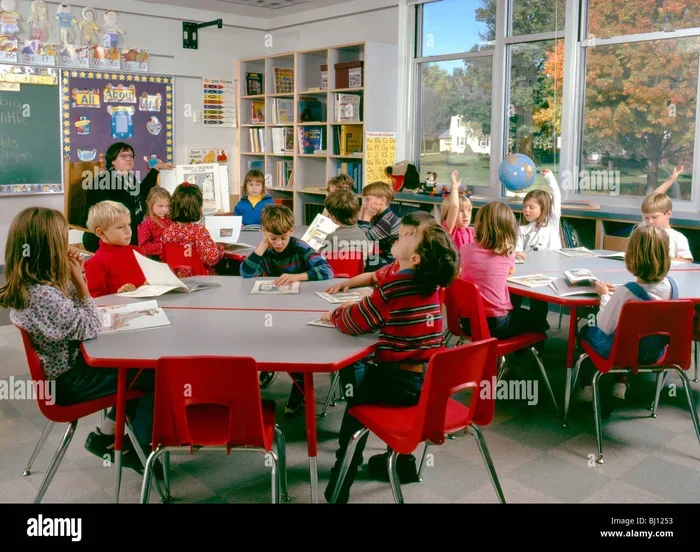
Elementary education typically covers kindergarten through fifth or sixth grade, usually for children ages 5 to 11 or 12. It forms the foundation of a child’s academic journey, introducing core subjects like reading, math, science, and social studies. Understanding what grades does elementary education cover helps parents and educators support young learners at every stage.
Every parent and caregiver wants to understand how school works for young kids. One of the first questions that comes up is, what grades does elementary education cover? The answer might seem simple, but there is more depth to it than most people realize. Elementary education sets the stage for everything a child will learn in the years ahead. It shapes how kids think, read, write, and interact with the world around them.
In this guide, we will break down the full picture of elementary education grades. You will learn about age ranges, grade levels, how different countries handle it, and why these early years matter so much. Whether you are a parent preparing your child for school or someone curious about how education systems work, this article has you covered. Let us walk through it together.
Key Takeaways
- Grade Range: Elementary education generally spans kindergarten through fifth or sixth grade, depending on the school district and country.
- Age Group: Children in elementary school are typically between ages 5 and 11 or 12.
- Core Subjects: Reading, math, science, and social studies form the backbone of the elementary curriculum.
- Global Variation: Different countries structure elementary grades differently, with some systems ending at grade 5 and others at grade 6 or even 7.
- Foundation Building: Elementary years establish critical thinking, literacy, and numeracy skills that shape future academic success.
- Parental Involvement: Active support at home during these early years significantly boosts a child’s learning outcomes.
📑 Table of Contents
- What Is Elementary Education?
- What Grades Does Elementary Education Cover?
- How Elementary Education Is Structured Across Countries
- What Subjects Are Taught in Elementary School?
- Why Elementary Education Matters
- How to Support Your Child in Elementary School
- Common Questions Parents Ask About Elementary Grades
- Final Thoughts
What Is Elementary Education?
Elementary education is the first formal stage of schooling for children. It comes after preschool or pre-K and before middle school or secondary school. In most places, it is where children learn the basics of reading, writing, and arithmetic. Teachers in this stage focus on building strong foundations in every subject.
The term “elementary” means basic or fundamental. And that is exactly what this stage is all about. Kids learn how to read simple sentences, count money, understand the world around them, and work with others. These skills might seem simple, but they are the building blocks for everything that comes next. Without a solid start, later learning becomes much harder.
Elementary school is also a social hub. Children learn how to make friends, follow rules, and manage their time. These social skills are just as important as academic ones. A well-rounded elementary experience helps kids grow into confident, curious learners.
What Grades Does Elementary Education Cover?
So, what grades does elementary education cover exactly? The most common answer is kindergarten through fifth grade, often written as K-5. However, in some regions and school systems, elementary education extends through sixth grade, making it K-6. A few areas even include seventh grade in the elementary bracket.
Let us look at the typical breakdown:
- Kindergarten (K): Usually for children age 5. This is often the first year of formal schooling. Kids learn basic letters, numbers, and social skills.
- Grade 1: For children age 6. Reading and math skills start to grow quickly at this stage.
- Grade 2: For children age 7. Students begin reading more independently and tackle harder math problems.
- Grade 3: For children age 8. This is often a big transition year with more responsibility and complex topics.
- Grade 4: For children age 9. Students start connecting ideas across subjects and thinking more critically.
- Grade 5: For children age 10. This is often the final year of elementary school in many districts.
- Grade 6 (in K-6 systems): For children age 11. Some schools keep sixth graders in elementary before moving them to middle school.
The exact grade range depends on the school district, the state, and even the country. In the United States, most public schools use the K-5 model. But some districts use K-6, and a handful go up to K-7. This variation is why it is always a good idea to check with your local school for their specific structure.
Why Grade Ranges Differ
You might wonder why some places end elementary at grade 5 and others at grade 6. The reason comes down to history and local decisions. Some school systems were built decades ago with a certain number of grades per building. Others adjusted based on enrollment numbers and building space. Educational research also plays a role. Some experts feel that sixth graders benefit more from a middle school environment, while others believe they thrive better in an elementary setting.
Language arts instruction, for example, changes a lot between grade 5 and grade 6. Some educators argue that the shift in teaching style for reading and writing makes grade 6 a natural break point. If you want to explore how language shapes learning, check out our guide on idioms for education, which shows how figurative language plays a role in the classroom.
How Elementary Education Is Structured Across Countries
Elementary education looks different around the world. While the core idea is the same, the grade levels and age ranges vary quite a bit. Understanding these differences gives you a broader picture of how primary education works globally.
United States
In the U.S., elementary school typically covers kindergarten through fifth grade. Children start at age 5 and finish around age 10 or 11. After elementary school, students move on to middle school, which usually covers grades 6 through 8. Then high school follows for grades 9 through 12. The K-5 structure is the most common, but remember that some districts do things differently.
United Kingdom
In the UK, what Americans call elementary school is known as primary school. Primary education covers ages 5 through 11, which maps to reception through Year 6. The UK system splits primary school into two phases: Key Stage 1 (ages 5 to 7) and Key Stage 2 (ages 7 to 11). Each phase has its own curriculum goals and assessment points.
Canada
Canada generally follows a similar model to the United States. Elementary school covers kindergarten through grade 6 or 7, depending on the province. After that, students enter secondary school. French-speaking provinces may have slightly different naming conventions, but the grade ranges are close to what you see in the U.S.
Australia
In Australia, primary school covers kindergarten (or “Prep”) through Year 6. Children typically start at age 5 and finish primary school around age 12. Then they move to secondary school, which covers Years 7 through 12. The Australian system is quite similar to the UK in its structure and terminology.
| Country | Elementary/Primary Grades | Typical Age Range | Next Stage |
|---|---|---|---|
| United States | K-5 (or K-6 in some districts) | 5-11 years old | Middle School |
| United Kingdom | Reception to Year 6 | 5-11 years old | Secondary School |
| Canada | K-6 or K-7 | 5-12 years old | Secondary School |
| Australia | Prep to Year 6 | 5-12 years old | Secondary School |
As you can see, the concept of elementary education is universal, but the details change from place to place. No matter the country, these early years share the same goal: giving children a strong start in life.
What Subjects Are Taught in Elementary School?
The elementary curriculum focuses on building a wide base of knowledge. Students spend most of their day with one teacher who covers several subjects. As they grow older, they may start switching classes for specific topics. Here is a look at what kids typically learn during their elementary years.
English Language Arts
Reading and writing are at the heart of elementary education. In the early grades, kids learn phonics, sight words, and basic comprehension. By grade 3 or 4, most students are reading independently. Writing starts with simple sentences and grows into paragraphs and short essays. Figurative language, such as similes and metaphors, often enters the curriculum around grades 3 and 4. Learning about comparisons helps kids think more creatively about words and ideas. If you want to dive deeper into how comparisons work in the classroom, explore our article on similes for education and metaphors for education.
Mathematics
Math in elementary school builds step by step. Students start with counting and basic addition in kindergarten. By grade 5, they are working with fractions, multi-digit multiplication, and early algebra concepts. The goal is to develop number sense and problem-solving skills that will serve them for the rest of their lives.
Science
Elementary science introduces kids to the natural world. Topics include plants, animals, weather, the solar system, and basic physics. Hands-on experiments and observations are a big part of science class. Teachers encourage curiosity and asking questions, which are skills that last a lifetime.
Social Studies
Social studies covers communities, geography, history, and civics. Young students learn about their neighborhood, their country, and different cultures around the world. This subject helps kids understand how people live together and why rules and laws matter.
Other Common Subjects
Many elementary schools also include art, music, physical education, and sometimes a foreign language. These subjects round out a child’s education and help them discover interests and talents beyond core academics.
Why Elementary Education Matters
The elementary years are more important than many people give them credit for. Research shows that children who read well by the end of third grade are far more likely to succeed in school and beyond. Third grade is often called the “pivotal year” because students shift from learning to read to reading to learn.
Strong elementary education does more than boost test scores. It builds confidence, curiosity, and a love of learning. Kids who feel supported in these early years are more likely to stay engaged through middle school and high school. On the flip side, children who struggle during elementary school may fall further behind if they do not get the help they need.
Elementary teachers play a huge role in this process. They are often the first adults outside the family to shape a child’s attitude toward learning. A caring, skilled elementary teacher can make all the difference in a child’s life. That is why investing in quality elementary education benefits not just individual students but entire communities.
How to Support Your Child in Elementary School
Parents and caregivers have a powerful role in their child’s elementary years. You do not need to be a teacher to make a big difference. Small, consistent actions at home can boost your child’s learning in meaningful ways.
- Read together every day. Even 15 minutes of reading at home makes a huge impact. Ask questions about the story and let your child pick books they enjoy.
- Practice math in everyday life. Counting groceries, measuring ingredients for a recipe, or talking about time all reinforce math skills in a natural way.
- Ask open-ended questions. Instead of asking “How was school?” try asking “What was the most interesting thing you learned today?” This encourages deeper thinking.
- Stay in touch with the teacher. Regular communication with your child’s teacher helps you understand their strengths and areas for growth.
- Celebrate effort, not just results. Praising hard work builds resilience and a growth mindset that will serve your child well beyond elementary school.
Remember, every child learns at their own pace. Some kids pick up reading quickly, while others need more time. That is completely normal. What matters most is that your child feels supported and encouraged every step of the way.
Common Questions Parents Ask About Elementary Grades
Parents often have specific questions about how elementary grades work. Here are answers to some of the most common ones.
Is kindergarten really part of elementary education?
Yes, in most school systems, kindergarten is the first year of elementary education. It is designed to ease children into formal learning through play-based activities. Some districts offer full-day kindergarten, while others have half-day programs. Either way, kindergarten counts as part of the elementary experience and sets the tone for the years ahead.
What age do kids start elementary school?
Most children start elementary school at age 5, which is when they enter kindergarten. However, the exact cutoff date varies by state and district. Some districts require children to turn 5 by September 1, while others use a different date. Check with your local school to find out the specific requirements in your area.
Can a child skip a grade in elementary school?
Grade skipping is possible but not common. Schools usually evaluate a child’s academic readiness, social-emotional development, and physical maturity before making a decision. Most educators prefer to keep children with their age group to support social development. If you think your child might benefit from acceleration, talk to their teacher or school counselor for guidance.
What happens after elementary school ends?
After elementary school, most students move on to middle school, which typically covers grades 6 through 8. In some districts, students go directly from elementary to junior high or even high school. The transition can be a big change, with new teachers, more subjects, and greater independence. Most schools help students prepare for this shift through orientation programs and gradual adjustments.
How can I tell if my child is on track in elementary school?
Teachers regularly assess students and share progress reports. You can also look at standardized test scores, but those are only one piece of the puzzle. The best indicators are your child’s confidence, curiosity, and willingness to try new things. If you have concerns, reach out to the teacher early. Early intervention makes a real difference.
Does elementary education look the same everywhere?
Not at all. While the basic idea of elementary education is universal, the structure, subjects, and teaching methods vary widely across countries and even within regions of the same country. Some systems emphasize rote learning, while others focus on project-based or inquiry-driven approaches. Understanding these differences helps parents advocate for the best educational experience for their children.
Final Thoughts
Elementary education covers the critical early years of a child’s academic life. From kindergarten through fifth or sixth grade, students build the skills they will use for the rest of their schooling and beyond. Understanding what grades does elementary education cover helps parents, teachers, and caregivers provide the right support at the right time.
These years are about more than just academics. They are about growing into curious, capable, and confident learners. Whether your child is just starting kindergarten or finishing their last year of elementary school, every grade matters. Stay involved, stay patient, and celebrate every step forward.
The foundation you help build during these early years will carry your child through middle school, high school, and well into adulthood. That is the real power of elementary education. And it all starts with understanding the grades, the stages, and the journey.


