
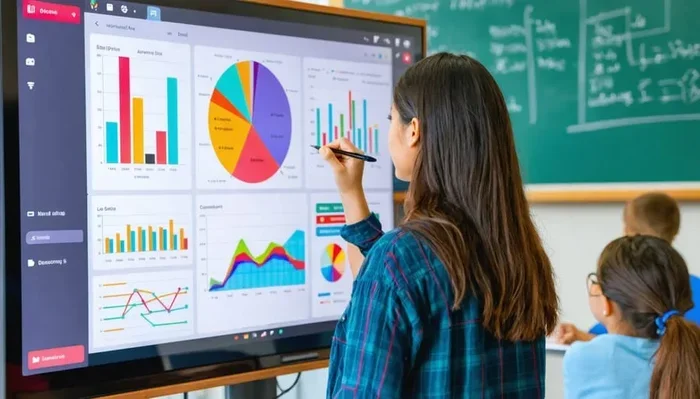
Data in education refers to the collection, analysis, and use of information to improve teaching and learning outcomes in schools. It helps educators track student progress, make informed decisions, and create better learning experiences. Understanding data in education is essential for modern schools that want to thrive and serve students effectively.
Schools today collect more information than ever before. From test scores to attendance records, data in education shapes how teachers teach and how students learn. But what does this really mean for schools, and why should anyone care?
The truth is, educational data has the power to transform classrooms. It helps educators spot trends, address challenges, and celebrate wins. When used well, it becomes a tool for real change. Let us explore what data in education truly means and how it impacts schools every single day.
Key Takeaways
- Data in education includes student performance, attendance, and behavioral information that schools collect daily.
- Using data helps teachers personalize learning and identify students who need extra support early.
- Schools must prioritize data privacy and follow strict rules to protect student information.
- Data-driven decision making leads to better school improvement and higher academic outcomes.
- Tools like dashboards and analytics make it easier for educators to interpret and act on data.
- Teachers benefit from training on how to use data effectively without feeling overwhelmed.
- Combining data with creativity and empathy creates the best results for students.
📑 Table of Contents
What Is Data in Education?
At its core, data in education means any information schools gather to understand how students learn and grow. This can include grades, test results, attendance numbers, and even behavioral observations. Schools use this information to make smarter choices about teaching and resources.
Think of it like a puzzle. Each piece of student data gives teachers a clearer picture of what is happening in the classroom. Alone, one test score tells a small story. But when you put many pieces together, you see the full learning journey.
Types of Data Schools Collect
Not all education data looks the same. Schools gather different kinds of information for different reasons. Here are the main types:
- Academic performance data: Grades, test scores, and assignment results that show how well students understand material.
- Attendance data: Records of who shows up to class and how often students miss school.
- Behavioral data: Information about student conduct, discipline records, and social interactions.
- Demographic data: Details about student backgrounds, including age, gender, and socioeconomic factors.
- Engagement data: How actively students participate in class, complete homework, and interact with learning materials.
Each type plays an important role. Together, they give schools a complete view of student life and learning.
Why Data Matters for Schools
You might wonder why data-driven decision making has become such a big deal in schools. The answer is simple. Data helps educators move from guessing to knowing. Instead of wondering if a teaching method works, they can look at the numbers and find out for sure.
Schools that embrace data in education can identify struggling students faster. They can also recognize effective teaching strategies and share them across classrooms. This leads to better outcomes for everyone.
Improving Student Outcomes
When teachers track student performance data, they can spot problems early. A student who suddenly drops in math scores might need extra help. Without data, that struggle could go unnoticed for weeks or even months.
Data also helps schools measure progress over time. They can see if new programs are working or if changes need to be made. This kind of ongoing evaluation keeps schools moving in the right direction.
Supporting Teachers and Staff
Data in education does not just help students. It also supports teachers. When educators have access to clear learning analytics, they can adjust their lessons to meet student needs more effectively.
For example, if data shows that most students struggled with a particular topic, the teacher can revisit it with a different approach. This kind of responsive teaching makes a real difference in the classroom.
How Schools Use Data Every Day
Using data in education is not just for administrators. Teachers, counselors, and even students themselves use information daily to guide decisions. Let us look at how this works in practice.
Data-Driven Instruction
Data-informed teaching means using evidence to shape classroom instruction. Teachers analyze assessment results to understand what students have mastered and what still needs work. This approach replaces one-size-fits-all lessons with targeted, personalized learning.
For instance, a teacher might use assessment data to form small groups. Students who need more help with reading get grouped together for focused instruction. Meanwhile, advanced learners explore richer material. Everyone benefits from this tailored approach.
School Improvement Planning
Principals and school leaders use education metrics to plan for the future. They look at trends in achievement, graduation rates, and college readiness. These insights help them set goals and allocate resources wisely.
A school might notice that attendance drops in the winter months. With this insight, they can plan engaging activities during that season to keep students coming back. Small changes like this add up to big improvements over time.
Parent and Community Communication
Data in education also helps schools communicate with families. Report cards, progress reports, and dashboard updates give parents a clear view of their child’s performance. This transparency builds trust and encourages families to stay involved.
When parents understand the academic performance data, they can better support learning at home. They know exactly where their child excels and where extra practice might help.
Tools and Technologies for Managing Education Data
Managing all this information would be impossible without the right tools. Schools today rely on technology to collect, store, and analyze education data efficiently.
Student Information Systems
Student information systems (SIS) are the backbone of data management in schools. These platforms store everything from enrollment records to grades and attendance. They give authorized staff quick access to the information they need.
Popular systems allow schools to generate reports with just a few clicks. This saves time and reduces errors compared to manual record-keeping.
Learning Analytics Platforms
Learning analytics tools go a step further. They analyze patterns in student behavior and performance. These platforms can flag at-risk students, suggest interventions, and track the effectiveness of teaching strategies.
For teachers, these tools act like a compass. They point toward what works and what needs adjustment. The best part is that many platforms are designed to be user-friendly, so even tech-newbie educators can use them confidently.
Data Dashboards
School data dashboards present information in visual formats like charts and graphs. They make complex education statistics easy to understand at a glance. Leaders can monitor key metrics without digging through spreadsheets.
Dashboards also promote accountability. When everyone can see the numbers, there is a shared understanding of where the school stands and what needs attention.
Data Privacy and Ethics in Schools
With great power comes great responsibility. Schools hold sensitive information about children, and protecting that information is non-negotiable. Data privacy in schools is one of the most important topics in modern education.
Why Privacy Matters
Student data includes personal details that must be kept safe. Names, addresses, learning disabilities, and behavioral records all fall under privacy protections. Schools have a legal and moral duty to safeguard this information.
Breaches or misuse of data can harm students and damage trust between families and schools. This is why data in education must always be handled with care and respect.
Key Privacy Regulations
Several laws govern how schools handle student information. In the United States, FERPA (Family Educational Rights and Privacy Act) sets strict rules about who can access student records. COPPA (Children’s Online Privacy Protection Act) applies to online services used by children under 13.
Schools must ensure that any education data management tools they use comply with these regulations. Regular training and clear policies help staff stay compliant and protect student privacy.
Best Practices for Data Security
Here are some practical steps schools can take to keep data safe:
- Limit access to student information to only those who need it.
- Use strong passwords and multi-factor authentication for all systems.
- Regularly update software and security protocols.
- Train all staff on data privacy policies and procedures.
- Conduct routine audits of data storage and access practices.
Following these steps builds a culture of safety and responsibility around student data.
Challenges of Using Data in Education
Despite its benefits, using data in education comes with challenges. Schools must navigate these hurdles to get the most out of their information.
Data Overload
One of the biggest problems is having too much information. Teachers already face heavy workloads, and adding data analysis to their responsibilities can feel overwhelming. Without proper training and support, education data becomes a burden instead of a help.
The solution is to focus on what matters most. Schools should identify key metrics and avoid collecting data just for the sake of it. Quality beats quantity every time.
Interpreting Data Correctly
Numbers can be misleading if they are not read carefully. A low test score might reflect a bad test day rather than a lack of learning. Schools need to look at education metrics in context and avoid jumping to conclusions.
Training teachers to interpret data thoughtfully is essential. When educators understand the story behind the numbers, they can make better decisions for their students.
Ensuring Equity
Data-driven decision making must always consider equity. Data can reveal gaps in achievement between different student groups. Schools must use this information to close those gaps, not widen them.
Equity-focused data practices ensure that every student, regardless of background, gets the support they need to succeed. This is a core responsibility for any school serious about data in education.
Common Mistakes Schools Make with Data
Even well-meaning schools can stumble when working with education data. Here are some mistakes to avoid:
- Focusing only on test scores: Grades tell only part of the story. Schools should look at the full picture, including engagement and growth.
- Ignoring qualitative data: Not all valuable information is numerical. Teacher observations and student feedback matter too.
- Sharing data irresponsibly: Not every piece of student data should be shared publicly or with unauthorized people.
- Neglecting teacher training: Without proper guidance, educators cannot use data effectively or confidently.
- Setting unrealistic goals: Data should guide realistic, achievable targets, not impossible expectations that discourage everyone.
Avoiding these pitfalls helps schools build a healthy, productive relationship with data in education.
The Future of Data in Education
The role of data in education will only grow in the coming years. New technologies like artificial intelligence and machine learning are making it easier to analyze vast amounts of information quickly. Schools that stay ahead of these trends will be best positioned to serve their students.
Imagine a classroom where every lesson is adjusted in real time based on how each student is performing. That future is not as far away as it sounds. Data in education is already paving the way for more personalized, effective learning experiences.
As schools continue to evolve, the key will be balancing technology with humanity. Data should support teachers, not replace them. It should empower students, not stress them. When used wisely, educational data becomes a force for good in the lives of learners everywhere.
Schools that invest in the right tools, train their staff, and prioritize privacy will unlock the full potential of data in education. The journey is ongoing, but the destination is worth every step.
Just as we explore creative ways to express ideas through language, like similes for education, metaphors for education, and idioms for education, schools can find powerful ways to communicate and connect through meaningful data use.
Conclusion
Data in education is more than numbers on a spreadsheet. It is a powerful tool that helps schools understand their students, improve teaching, and build better futures. From tracking attendance to personalizing lessons, data touches every part of the school experience.
But data is only as good as how it is used. Schools must commit to privacy, equity, and thoughtful interpretation. When they do, education data becomes a bridge between where students are and where they can go.
The message is clear. Every school should embrace data-driven decision making with purpose and care. The students deserve nothing less.
Frequently Asked Questions
What does data in education mean?
Data in education refers to any information schools collect about students, teachers, and operations. This includes grades, attendance records, test scores, and behavioral data. Schools use this information to improve teaching, support students, and make better decisions.
Why is data important in schools?
Data helps educators identify struggling students early, measure the effectiveness of teaching methods, and plan school improvements. It replaces guesswork with evidence, leading to better outcomes for both students and teachers. Without data, schools would have a much harder time understanding what works and what does not.
What are the main types of education data?
The main types include academic performance data, attendance records, behavioral data, demographic information, and engagement metrics. Each type provides a different piece of the puzzle, and together they give schools a complete picture of student learning and well-being.
How can schools protect student data privacy?
Schools can protect data by following regulations like FERPA and COPPA, limiting access to authorized staff, using strong passwords, and conducting regular security audits. Training all staff on privacy policies is also essential. When schools take these steps seriously, they build trust with families and communities.
What challenges do schools face when using data?
Common challenges include data overload, difficulty interpreting numbers correctly, and ensuring equity across student groups. Teachers may also feel overwhelmed by additional data responsibilities. The key is to focus on meaningful metrics and provide proper training and support for all staff.
How is data in education changing in the future?
Advances in artificial intelligence and learning analytics are making data collection and analysis faster and more accurate. Schools will be able to personalize learning experiences in real time based on individual student data. The future of data in education is exciting, but it must always be guided by ethical principles and a focus on student well-being.
=== CONCLUSION ===
Data in education is a game-changer for schools that use it wisely. It gives educators the insights they need to help every student succeed. From student performance data to learning analytics, the possibilities are vast and rewarding.
Schools that invest in the right tools, train their teams, and protect student privacy will see real results. The journey toward becoming a truly data-informed school is ongoing, but every step forward makes a difference. Embrace the power of education data and watch your school transform.


