
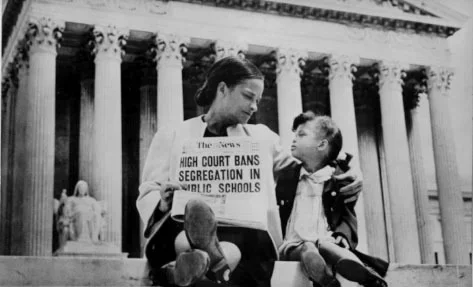
The Supreme Court ruling in Brown v. Board of Education was effectively overturned by Milliken v. Bradley in 1974. This decision limited desegregation efforts and allowed suburban schools to remain racially separated. Understanding this shift helps us see how educational equity has evolved in America.
Key Takeaways
- Milliken v. Bradley (1974) was the ruling that overturned Brown vs Board of Education.
- The decision stopped cross-district busing plans that aimed to integrate schools.
- Brown v. Board declared racial segregation in public schools unconstitutional in 1954.
- The overturning ruling had lasting effects on school integration and educational equity.
- Understanding this history helps us grasp the current state of civil rights in education.
- The philosophy of education shifted significantly after this ruling changed the legal landscape.
📑 Table of Contents
- What Court Ruling Overturned Brown vs Board of Education?
- Understanding Brown v. Board of Education
- Milliken v. Bradley: The Ruling That Changed Everything
- How the Overturning Affected School Segregation
- The Broader Impact on Civil Rights in Education
- Modern-Day Implications and Ongoing Debates
- Why This History Still Matters Today
- Conclusion
What Court Ruling Overturned Brown vs Board of Education?
Many people wonder about the court ruling that overturned Brown vs Board of Education. This is a big deal in American history. The answer is Milliken v. Bradley, decided by the Supreme Court in 1974. This ruling changed the course of school desegregation across the United States.
Brown v. Board of Education was a landmark case in 1954. It said that keeping kids in separate schools based on race was not fair. The Court ruled that separate educational facilities are inherently unequal. For a while, this decision pushed schools to integrate. But then Milliken v. Bradley came along and changed everything.
The story of how one ruling undid another is fascinating. It shows how the law can shift over time. It also shows how civil rights in education have had ups and downs. Let us walk through the full story together.
Understanding Brown v. Board of Education
What Was the Original Ruling?
Before we talk about what overturned it, we need to understand what Brown v. Board of Education actually said. In 1954, the Supreme Court made a historic decision. They ruled that racial segregation in public schools was unconstitutional. This was under the Equal Protection Clause of the 14th Amendment.
The case started because a girl named Linda Brown had to travel far to get to her all-Black school. Her neighborhood had a white school closer to home. But because of segregation laws, she could not attend it. The Court agreed that this was wrong. They said that separate schools for Black and white students were not equal.
This decision was huge. It gave hope to the civil rights movement. Many people believed that schools across America would finally be fair for everyone. But that hope faced serious challenges in the years that followed.
Why Did Brown v. Board Matter So Much?
The ruling in Brown v. Board of Education was a turning point. It ended the “separate but equal” idea that had been legal since 1896. That idea came from a different case called Plessy v. Ferguson. Brown v. Board proved that separate could never truly be equal when it came to education.
The social impact of this decision was enormous. It pushed for integration in schools all over the country. It also sparked debates about how to make real change happen. Many communities struggled with what school integration actually looked like in practice.
The purpose of education changed for many Americans after this ruling. Education was no longer just about learning math and reading. It became a tool for achieving racial equality. This connects deeply to the broader philosophy of education in America.
Milliken v. Bradley: The Ruling That Changed Everything
What Happened in Milliken v. Bradley?
So what court ruling overturned Brown vs Board of Education? The answer is Milliken v. Bradley. This case reached the Supreme Court in 1974. The decision dealt a major blow to school desegregation efforts across the nation.
The case started in Detroit, Michigan. Black parents sued the city because their schools were still heavily segregated. They wanted a plan that would include both the city and the surrounding suburbs. The lower courts agreed and ordered a cross-district busing plan. But the Supreme Court disagreed.
In a 5-to-4 decision, the Court ruled that suburban districts could not be forced to join desegregation plans. The Court said that unless there was proof of intentional segregation in the suburbs, they did not have to be part of the solution. This was a huge setback for those who wanted real integration.
Why Was This Ruling So Damaging?
The Milliken decision had serious consequences. It essentially allowed many schools to stay segregated. Here is why that mattered so much:
- City schools remained mostly Black and underfunded.
- Suburban schools stayed mostly white and better funded.
- Cross-district busing plans were stopped in their tracks.
- Racial separation in schools continued for decades.
- Educational inequality persisted across district lines.
The ruling made it much harder to achieve educational equity. It told communities that segregation by district lines was acceptable. This went against the spirit of what Brown v. Board had originally stood for.
How the Overturning Affected School Segregation
The Immediate Impact on Schools
After Milliken v. Bradley, things did not get better for many students. Schools in cities like Detroit stayed deeply segregated. The ruling gave suburban districts a way to avoid integration. This meant that the promise of Brown v. Board was never fully kept.
Many families felt disappointed. They had hoped that the Supreme Court would keep pushing for change. Instead, the Court took a step backward. The effects are still visible in many school systems today.
School funding became another big issue. Because schools are often funded by local property taxes, wealthier suburban districts had more money. poorer city districts had less. This created a cycle of inequality that is hard to break.
The Long-Term Effects on Educational Equity
The long-term effects of the Milliken ruling were far-reaching. Here are some of the key outcomes:
- Persistent segregation in many urban and suburban schools.
- Growing achievement gaps between white students and students of color.
- Unequal access to resources, teachers, and programs.
- Weakened legal tools for fighting school discrimination.
- A shift in the national conversation away from integration.
These effects shaped the landscape of American education for generations. They also raised important questions about the purpose of education in a democratic society.
The Broader Impact on Civil Rights in Education
How Did This Affect the Civil Rights Movement?
The overturning of Brown v. Board was a blow to the civil rights movement. Many activists had seen school integration as a key goal. The Milliken decision made that goal much harder to reach. It sent a message that the Court was not fully committed to racial equality in schools.
Some people argue that the ruling also affected other areas of civil rights. It showed that the Supreme Court could roll back protections. It also showed how legal decisions can shape the daily lives of millions of people.
Understanding this history is important for anyone who cares about educational reform. The decisions made by the Supreme Court directly affect students, teachers, and communities. They shape what education looks like for every child in America.
What About the Philosophy of Education?
The philosophy of education in America was deeply affected by these rulings. Brown v. Board said that all children deserve equal access to quality education. Milliken v. Bradley said that district lines could keep children apart. These two ideas are in tension with each other.
Many educators and scholars have written about this tension. They ask questions like:
- What is the true purpose of public education?
- Should schools reflect the diversity of the community?
- How do we ensure equal opportunity for all students?
- What role does the government play in guaranteeing educational equity?
These questions are still being debated today. The answers matter because they shape policy, funding, and the day-to-day experience of students in classrooms across the country.
Modern-Day Implications and Ongoing Debates
Is School Segregation Still a Problem?
Yes, school segregation is still a real issue in America. Many schools are just as segregated today as they were decades ago. The Milliken ruling made it easier for this segregation to continue. And modern factors like housing patterns and school funding make the problem even worse.
Some communities are working hard to change this. They are pushing for new integration plans. They are also advocating for more equitable funding formulas. But progress is slow. The legacy of both Brown v. Board and Milliken v. Bradley is still with us.
Learning about the social impact of these decisions helps us understand why things are the way they are today. It also shows us that the fight for educational equity is far from over.
What Can Be Done to Move Forward?
There are things that communities and policymakers can do. Here are some practical steps that have been suggested:
- Revise funding models to reduce reliance on local property taxes.
- Create voluntary integration programs that families can choose to join.
- Invest in underfunded schools to close resource gaps.
- Support magnet schools that attract diverse student populations.
- Encourage community dialogue about the value of diverse schools.
None of these solutions are easy. But they are important steps toward the promise that Brown v. Board originally made. Every child deserves a fair chance at a quality education.
For those interested in how education shapes opportunities, check out how education and higher earnings are related. Understanding the connection between learning and income helps us see why equitable schools matter so much.
Also, if you want to explore the broader ideas behind these debates, the philosophy of education offers great insights into why we educate the way we do.
Why This History Still Matters Today
The story of what overturned Brown vs Board of Education is not just about old legal cases. It is about real children and real communities. It is about the promises this country has made and the promises it has not yet kept.
When we look at the purpose of education, we see that it goes beyond test scores and graduation rates. Education shapes who we are as a society. It shapes our values, our opportunities, and our future. The rulings in Brown v. Board and Milliken v. Bradley both speak to that truth.
We owe it to ourselves and to future generations to understand this history. When we know where we have been, we can make better choices about where we are going. The fight for fair and equal education is one that belongs to all of us.
If you are curious about how education has evolved over the decades, exploring the idea of lifelong education can offer a fresh perspective. Learning does not stop at graduation, and the lessons from these landmark cases continue to shape how we think about education for a lifetime.
The social impact of Brown v. Board of Education is a rich topic that connects to many parts of American life. From housing to healthcare to economic opportunity, the effects of that original ruling ripple outward in ways we are still discovering.
Conclusion
The court ruling that overturned Brown vs Board of Education was Milliken v. Bradley in 1974. This decision limited the reach of desegregation and allowed schools to remain separated by district lines. It was a major setback for the cause of racial equality in American education.
But the story does not end there. Understanding this history helps us see the challenges that remain. It also inspires us to keep working toward the promise of educational equity for every child. The lessons from these rulings remind us that the fight for fair education is ongoing. And it is a fight that matters for all of us.
When we talk about what education is needed to build a just society, cases like Brown v. Board and Milliken v. Bradley are essential. They show us that the law can both advance and hinder progress. Our job is to stay informed, stay engaged, and keep pushing for a better future.
Frequently Asked Questions
What was Brown v. Board of Education?
Brown v. Board of Education was a landmark 1954 Supreme Court case that declared racial segregation in public schools unconstitutional. The Court ruled that separate educational facilities are inherently unequal. This decision was a major victory for the civil rights movement.
Which Supreme Court ruling overturned Brown v. Board?
The ruling that effectively overturned Brown v. Board of Education was Milliken v. Bradley, decided in 1974. This case limited cross-district desegregation busing and allowed suburban schools to avoid integration plans. It was a significant setback for school integration efforts.
How did Milliken v. Bradley affect school segregation?
Milliken v. Bradley made it much harder to integrate schools across district lines. It allowed suburban districts to remain segregated and stopped many busing programs. This ruling contributed to the persistence of school segregation that we still see today.
Why is educational equity important?
Educational equity ensures that every child has access to quality education regardless of race or zip code. It addresses the systemic inequalities that have shaped American schools for decades. Achieving equity is essential for building a fair and just society.
What role did the civil rights movement play in school desegregation?
The civil rights movement was instrumental in pushing for school desegregation after Brown v. Board. Activists organized protests, filed lawsuits, and advocated for policy changes at every level. Their efforts helped bring national attention to the issue of educational inequality.
Can school segregation still be challenged in court today?
Yes, school segregation can still be challenged, but the legal landscape is more complex after Milliken v. Bradley. Modern cases often focus on funding disparities and resource inequalities. Advocates continue to use the courts to push for more equitable education systems.


