
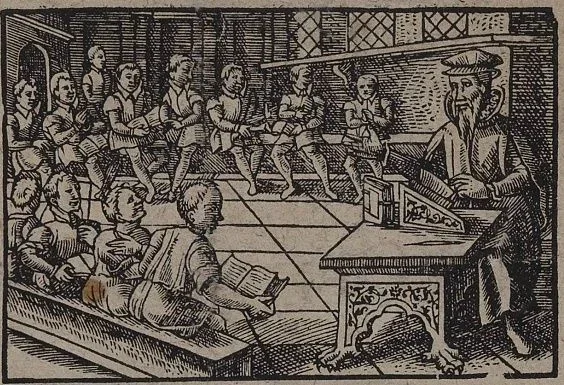
William Shakespeare’s education laid the groundwork for his literary genius. He studied Latin, rhetoric, and classical texts at the King’s New School in Stratford-upon-Avon. This rigorous training gave him the tools to craft plays and poetry that still captivate audiences. His school days shaped the Shakespeare’s education that fueled his creativity.
Shakespeare’s education began in the small town of Stratford-upon-Avon. He walked to school each day along the River Avon. The lessons were strict, but they lit a fire in him. Shakespeare’s education gave him the keys to language. He learned to twist words into magic. This training built the genius we still celebrate today.
Many people wonder how a glove maker’s son became the greatest writer in English. The answer starts in a grammar school. It continues through years of reading, writing, and performing. His school days were tough. They were also full of discovery. That foundation turned a curious boy into a master playwright.
Key Takeaways
- Shakespeare’s education started at a grammar school: He attended the King’s New School in Stratford-upon-Avon, focusing on Latin and classical texts.
- Latin was the foundation of his learning: He translated and memorized works by Ovid, Virgil, and Seneca.
- Rhetoric training shaped his writing: He learned persuasion, figures of speech, and argument structure.
- Classical literature inspired his plays: Plots from Plutarch and Holinshed became the basis for many famous works.
- His education went beyond the classroom: The theater world and life in Stratford added layers to his genius.
- Shakespeare’s education gave him a unique edge: His knowledge of language and human nature set him apart from other playwrights.
📑 Table of Contents
Shakespeare’s Education: The Foundation of Genius
Shakespeare’s education was not just about memorizing facts. It was a deep dive into language, history, and human nature. The system was designed to create polished speakers and thinkers. Shakespeare excelled in this environment. He soaked up every lesson like a sponge.
The King’s New School in Stratford-upon-Avon
Shakespeare attended the King’s New School, a grammar school in Stratford. The school was free for boys. It focused heavily on Latin. Students spent hours parsing sentences and translating texts. They also studied arithmetic and logic. The goal was to prepare boys for university or careers in law and church.
Shakespeare likely entered the school around age seven. He would have stayed until about fourteen. Those seven years were intense. The teachers were strict. They used corporal punishment to enforce discipline. Yet, the curriculum was rich. It gave Shakespeare a toolbox he would use for life.
Latin as the Language of Learning
Latin was the heart of Shakespeare’s education. Students read Latin authors like Ovid and Virgil. They translated passages back and forth. This training gave Shakespeare a deep love of wordplay. He learned how sounds and rhythms could move people.
Latin also taught him grammar rules. He understood sentence structure at a deep level. This knowledge let him break rules later for effect. He could mix Latin phrases into English. He could create puns that only the educated would catch. His Latin foundation made his English writing shine.
A Quick Look at the Daily Schedule
- Morning: Chanting Latin verbs and declensions.
- Midday: Translating classical passages.
- Afternoon: Reading English texts and practicing rhetoric.
- Evening: Memorizing speeches and poems.
Classical Literature and Rhetoric
Beyond Latin grammar, Shakespeare’s education exposed him to classical literature. He read stories of gods, heroes, and moral dilemmas. These tales planted seeds for his own plots. He also studied rhetoric, the art of persuasion. This combination made his writing both beautiful and powerful.
Reading the Classics
Shakespeare’s education included works by Ovid, Homer, and Plutarch. He learned about ancient myths and histories. These stories gave him a vast pool of characters and themes. He borrowed freely from them. His plays often echo classical tales, yet they feel fresh and modern.
He also read English histories. Holinshed’s Chronicles gave him material for plays like Macbeth and King Lear. His education taught him to blend fact with fiction. He could turn a simple story into a masterpiece.
Rhetoric and Persuasion
Rhetoric was a core subject in Tudor schools. Students learned how to argue a point. They studied figures of speech like simile and metaphor. They practiced writing speeches for different occasions. This training made Shakespeare a master of persuasion.
His characters speak with convincing passion. They use logic and emotion to win over audiences. This skill came straight from his education. He knew exactly how to move people with words.
How Shakespeare’s School Subjects Shaped His Plays
| Subject | What He Studied | Impact on His Writing |
|---|---|---|
| Latin | Translation, grammar, Ovid, Virgil | Wordplay, puns, classical allusions |
| Rhetoric | Persuasion, figures of speech | Powerful speeches, emotional appeals |
| Classical Literature | Myths, histories, Plutarch | Rich plots, timeless themes |
| English History | Chronicles, chronicles of kings | History plays, political intrigue |
| Logic and Ethics | Moral dilemmas, reasoning | Complex characters, ethical conflicts |
How Shakespeare’s Education Shaped His Writing
The skills Shakespeare learned in school directly shaped his craft. He took basic lessons and turned them into art. His education gave him the tools to play with language. Every simile, every metaphor, every idiom bears the mark of his schooling.
The Power of Similes
Shakespeare’s education drilled similes into his mind. He compared things to make ideas clear. His plays are full of vivid comparisons. He often used nature to explain human feelings. This technique came from his early Latin exercises.
Shakespeare’s love of similes can be traced back to his education; explore more in our article on similes for education. Those exercises taught him how to make comparisons sing. He turned simple lessons into poetry.
Crafting Metaphors
Metaphors allowed Shakespeare to create whole new worlds. He could say “the world’s a stage” and make you see it. His education taught him to think in symbols. He learned that one image could carry a thousand meanings.
His use of metaphors, like “the world’s a stage”, reflects the metaphors for education he mastered. These figures of speech gave his writing depth. They let him explore big ideas in a single line.
Mastering Idioms
Idioms were another gift from his education. He learned phrases that carried cultural weight. He used them to make dialogue feel real. His characters speak in ways that still sound alive today.
He also popularized idioms that we still use, a skill explored in our idioms for education guide. Shakespeare took common sayings and gave them new life. His education gave him the instinct to know which phrases would stick.
Quick Tip: Try reading Shakespeare’s plays aloud. The rhythm he learned in school will click. You will hear the iambic pentameter he practiced daily. It makes the language come alive.
Common Mistake: Many readers think Shakespeare’s education made him stiff or old-fashioned. In truth, his school training gave him the freedom to break rules. He mixed high Latin with street slang. He made every level of language sing.
Beyond the Classroom
Shakespeare’s education did not end at school. The world around him added more fuel. Stratford-upon-Avon was a bustling market town. He saw people from all walks of life. He heard their stories. He watched their struggles. These experiences enriched what he learned in school.
The World as His University
After grammar school, Shakespeare did not go to university. His father’s financial troubles forced him to work. Yet, this turned out to be a blessing. He entered the theater world in London. He learned from actors, directors, and fellow writers. His education continued every day on the job.
He read widely on his own. He studied law, medicine, and politics. He filled his plays with details from many fields. His curiosity was the true extension of his schooling. The classroom gave him the tools; the world gave him the material.
Learning from the Theater
The Elizabethan theater was a rough, exciting place. Shakespeare’s education gave him the skills to stand out. He understood story structure. He knew how to craft a line. But the stage taught him timing and audience psychology. He learned what made people laugh and cry.
This blend of formal education and real-world experience made him unique. No other playwright of his time had the same foundation. His school gave him depth. The theater gave him soul.
Expert Insight: Scholars note that Shakespeare’s education was typical for his class, but his genius lay in how he used it. He took standard lessons and pushed them into uncharted territory. His education was the seed; his imagination was the sun that made it grow.
The Lasting Impact of Shakespeare’s Education
Shakespeare’s education echoes through every era. His plays are studied in schools around the world. The very students who read him today follow a path he once walked. His education created a cycle of learning and art.
His knowledge of Latin and rhetoric shows in his word choice. He used words with precision and power. He could say more in ten words than others could in a page. This economy of language came from his early training.
His education also taught him empathy. He read about people from different times and places. He understood motives and flaws. This understanding fills his characters with life. They feel real because he studied human nature deeply.
Today, we can trace almost every great idea in his work back to his school days. Shakespeare’s education was not just a phase of his life. It was the bedrock of his genius. It gave him the tools to transform simple stories into eternal art.
Conclusion
Shakespeare’s education built the genius we admire today. He walked the same halls we study in now. He read the same classics that still challenge us. His school days gave him Latin, rhetoric, and a love of stories. Those gifts turned into plays that changed the world.
His education was rigorous, but it was also inspiring. It taught him to see the world in new ways. It gave him the power to move hearts and minds. When you read a Shakespeare play, you are hearing the voice of a boy who once sat in a grammar school. His lessons never left him. They became the music of his words.
Take a page from Shakespeare’s education. Read widely. Practice your craft. Let the classics challenge you. You never know where those lessons might lead. Your own genius could be waiting in the classroom.
Frequently Asked Questions
What was Shakespeare’s education like?
Shakespeare’s education centered on a grammar school in Stratford-upon-Avon. He studied Latin, rhetoric, classical literature, and English history. The days were long and focused on memorization, translation, and persuasive speaking. This rigorous training gave him the tools to become a master of language.
Did Shakespeare go to university?
No, Shakespeare did not attend university. His father’s financial struggles forced him to leave school early. He moved to London and entered the theater world. His education continued through real-world experience, reading, and collaboration with other writers and actors.
How did Latin influence Shakespeare’s writing?
Latin gave Shakespeare a deep understanding of grammar and wordplay. He learned to translate and manipulate texts. This training allowed him to mix Latin phrases into English, create puns, and play with sentence structure. His Latin foundation made his English writing both precise and poetic.
What role did rhetoric play in Shakespeare’s education?
Rhetoric was a core subject that taught persuasion and argument. Shakespeare learned how to structure speeches and use figures of speech. This training directly shaped his ability to write powerful dialogue. His characters often speak with the convincing force of a trained orator.
Can we still learn from Shakespeare’s education today?
Absolutely. Shakespeare’s education shows the value of classical learning, reading widely, and practicing language skills. His journey proves that a strong foundation in grammar and rhetoric can fuel creativity for a lifetime. Modern students can draw inspiration from his disciplined yet imaginative approach.
Why is Shakespeare’s education considered important for his genius?
Shakespeare’s education gave him the technical skills and the vast source material needed for his plays. He learned how to bend language, craft metaphors, and understand human nature. That combination of formal training and personal curiosity turned him into an enduring literary genius.


