
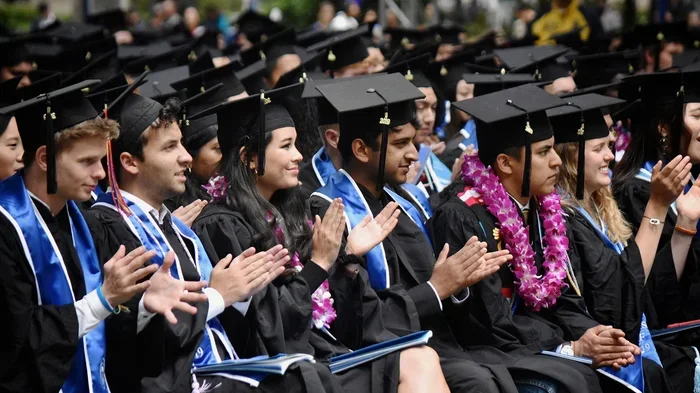
Postsecondary education refers to any formal learning that takes place after high school graduation. It includes colleges, universities, vocational schools, and certificate programs that help you gain advanced skills and academic credentials. Understanding your options can open doors to better careers, higher earnings, and personal growth.
Postsecondary education is a big deal. It shapes careers. It opens doors. And it gives people the tools they need to thrive in a competitive world. If you have ever wondered what comes after high school, you are in the right place. This guide breaks down everything you need to know about postsecondary education in simple, clear terms.
Whether you are a high school student looking ahead or an adult considering a career change, understanding your options matters. Postsecondary education is not just about earning a degree. It is about building skills, gaining knowledge, and preparing for a fulfilling life. Let us dive in and explore what it is all about.
Key Takeaways
- Postsecondary education covers all learning after high school, from four-year degrees to short-term certifications.
- It significantly boosts earning potential and career opportunities across nearly every industry.
- There are many types, including universities, community colleges, trade schools, and online programs.
- Costs vary widely, but financial aid, scholarships, and grants can make it affordable.
- Choosing the right path depends on your career goals, interests, and personal circumstances.
- Starting early with preparation and research gives you a strong advantage.
📑 Table of Contents
What Is Postsecondary Education?
Postsecondary education is any form of learning that happens after you finish high school. It is also called tertiary education or higher education. This stage of learning goes beyond the basics covered in K-12 schooling. It dives deeper into specific fields, trades, and professions.
Think of it as the next step on your learning journey. After graduation, you have choices. You can jump straight into work. Or you can continue your studies. Postsecondary education gives you that option to keep growing academically and professionally.
It comes in many shapes and sizes. Some programs last a few weeks. Others take four years or more. The common thread is this: they all build on the foundation you built in high school. They help you gain academic credentials that employers and industries value.
How Postsecondary Education Differs from Secondary Education
Secondary education covers middle school and high school. It gives you a broad base of knowledge. Subjects like math, science, English, and history form the core. Postsecondary education takes that foundation and lets you specialize.
In secondary school, you study a wide range of topics. In postsecondary programs, you focus on one area. That area might be nursing, engineering, business, or the arts. The shift from general to specific is what makes postsecondary education so powerful.
You also gain more independence. You choose your courses. You set your schedule. You take responsibility for your own learning. This freedom prepares you for the real world.
Types of Postsecondary Education
Not all postsecondary paths look the same. There are many options available. Each one serves different goals and interests. Here are the most common types you should know about.
Universities and Four-Year Colleges
Universities and colleges are the most well-known form of postsecondary education. They offer bachelor’s degrees in a wide range of fields. A typical program takes four years to complete. Students earn credits through classes, labs, and projects.
Universities often have larger campuses. They offer more programs and research opportunities. Colleges may be smaller and more focused on teaching. Both paths lead to academic credentials that open many career doors.
Community Colleges
Community colleges are a fantastic option for many students. They offer two-year associate degrees and certificate programs. The cost is usually much lower than a four-year university. Many students use community college as a stepping stone.
You can transfer credits to a university later. Or you can enter the workforce directly with a practical skill. Community colleges also offer vocational training in fields like healthcare, IT, and skilled trades.
Trade and Vocational Schools
Trade schools focus on hands-on skills. They train students for specific careers. Think electricians, plumbers, welders, and dental hygienists. These programs are short and practical. Many last between a few months and two years.
Vocational training is a key part of postsecondary education. It gives you the ability to earn while you learn. You do not need a four-year degree to have a successful career. Trade schools prove that point every day.
Online and Hybrid Programs
Online learning has grown fast. Many schools now offer postsecondary education programs you can complete from home. These programs give you flexibility. You study on your own time. You balance work, family, and school more easily.
Hybrid programs mix online and in-person classes. They give you the best of both worlds. Whether fully online or hybrid, these options make higher education accessible to more people.
Why Postsecondary Education Matters
You might ask yourself, “Why does postsecondary education matter so much?” The answer is simple. It changes lives. It opens opportunities. And it sets you up for long-term success.
Better Career Opportunities
Many jobs today require more than a high school diploma. Employers look for academic credentials and specialized skills. Postsecondary education gives you those credentials. It shows hiring managers you are serious and qualified.
People with educational attainment beyond high school have lower unemployment rates. They also have access to a wider range of careers. From healthcare to technology, the options multiply when you invest in learning.
Higher Earning Potential
Money matters. And postsecondary education can boost your income. Studies consistently show that college graduates earn more over their lifetimes. The exact number varies by field and degree. But the trend is clear: more education often means more earnings.
Even short-term certificates can make a difference. Professional certification in fields like IT or project management can lead to salary increases. Every level of postsecondary education adds value to your career.
Personal Growth and Lifelong Learning
Postsecondary education is not just about jobs. It is about growing as a person. You learn to think critically. You solve problems. You communicate better. These skills stay with you for life.
Learning does not stop after graduation. Lifelong learning keeps your mind sharp. It helps you adapt to changes in the workplace. Postsecondary education teaches you how to learn. And that skill is priceless.
Building a Professional Network
When you attend college or a training program, you meet people. Classmates become colleagues. Professors become mentors. These connections matter. A strong professional network can lead to job opportunities and career growth.
Networking starts in postsecondary education. You learn how to build relationships. You practice communication and teamwork. These soft skills are just as important as technical knowledge.
How to Choose the Right Postsecondary Path
Choosing the right path can feel overwhelming. There are so many options. But a little planning goes a long way. Here are some tips to help you decide.
Start with Your Career Goals
Ask yourself what you want to do. Do you want to be a teacher? An engineer? A chef? Your career goal shapes your choice of program. Some careers require a four-year degree. Others need a short certification or trade training.
Research the jobs you are interested in. Look at job postings in your area. See what educational requirements they list. This gives you a clear target to aim for.
Consider Your Learning Style
Everyone learns differently. Some people thrive in classrooms. Others prefer hands-on training. Think about how you learn best. This helps you pick the right environment.
If you like working with your hands, vocational training might be a great fit. If you enjoy reading and research, a university program could be ideal. There is no one-size-fits-all answer.
Look at Cost and Financial Aid
Cost is a big factor. Postsecondary education can be expensive. But there are ways to manage it. Scholarships, grants, and work-study programs help. Many schools offer payment plans too.
Do not let cost stop you from exploring options. Fill out the FAFSA if you are in the US. Look for local scholarships. Many community college programs are very affordable. The investment pays off over time.
Think About Location and Format
Do you want to stay close to home? Or are you open to moving? Online programs remove location barriers. You can study from anywhere. Hybrid programs offer a mix of in-person and online learning.
Think about what works for your life right now. Postsecondary education should fit your situation. Not the other way around.
The Cost of Postsecondary Education
Let us talk about money. Postsecondary education costs vary a lot. A four-year university can cost tens of thousands of dollars per year. Community colleges are much more affordable. Trade schools often cost less than traditional colleges.
But cost is not the full picture. Think about return on investment. A degree or certificate can lead to a higher-paying career. The upfront cost can pay for itself many times over. Many graduates find that career advancement comes faster with additional education.
Student loans are a common way to pay. But they are not the only way. Scholarships, employer tuition programs, and military benefits all help. Do your research. Find the funding that works for you.
Also consider this: many postsecondary education programs lead directly to jobs. The sooner you start earning, the sooner you pay off any debt. It is a smart financial move in the long run.
Preparing for Postsecondary Education
Preparation makes a big difference. The sooner you start planning, the smoother the process goes. Here are some steps you can take now.
Build Strong Study Habits
Good study habits help you succeed in any program. Practice time management. Set goals. Stay organized. These skills carry over into postsecondary education and beyond.
If you struggle with studying, look for resources. Many schools offer tutoring and workshops. Postsecondary education rewards those who stay disciplined and focused.
Explore Your Interests Early
You do not need to have everything figured out. But exploring helps. Try different subjects. Take electives that interest you. Talk to people in careers you find exciting.
Use resources like similes for education to make learning fun and memorable. Compare ideas. Think creatively. The more you explore, the clearer your path becomes.
Visit Campuses and Programs
If possible, visit the schools you are interested in. Walk around campus. Sit in on a class. Talk to students and advisors. This gives you a real feel for the environment.
Many schools also offer virtual tours. Take advantage of these. Seeing a program in action helps you make a confident decision.
Work on Your Writing and Communication
Strong writing and communication skills are essential. You will write essays, reports, and presentations in postsecondary education. Practice these skills in high school and beyond.
Use tools like metaphors for education to understand complex ideas more deeply. Metaphors make abstract concepts easier to grasp. They boost both your comprehension and your writing.
Build a Strong Foundation in Core Subjects
Math, science, English, and social studies form the backbone of most postsecondary education programs. Strengthen these areas early. They will serve you well no matter what career you choose.
Also, practice using idioms for education in your daily conversations. Idioms add color and clarity to your language. They show that you understand the culture of learning and communication.
Conclusion
Postsecondary education is a powerful investment in your future. It opens doors. It builds skills. It creates opportunities that might not exist otherwise. Whether you choose a university, a community college, a trade school, or an online program, you are taking a step forward.
The world of higher education is vast and varied. There is a path for everyone. You just need to find the one that fits your goals and your life. Start exploring today. The journey of postsecondary education can lead you to places you never imagined.
Remember: it is never too early or too late to start. Every step you take in postsecondary education brings you closer to the life you want. So dream big. Plan smart. And take that next step with confidence.
Frequently Asked Questions
What is the difference between postsecondary and secondary education?
Postsecondary education refers to learning after high school, while secondary education covers middle and high school. Postsecondary programs include colleges, universities, trade schools, and certificate programs that build specialized skills and academic credentials.
Is postsecondary education only for college?
No, postsecondary education includes much more than traditional college. It covers vocational training, trade schools, community colleges, online programs, and professional certifications. Any learning after high school counts as postsecondary.
How long does postsecondary education take?
The length varies widely. Certificate programs can take a few weeks to a year. Associate degrees take two years. Bachelor’s degrees typically take four years. Graduate programs can add one to six more years depending on the field.
Can I afford postsecondary education?
Many people worry about cost, but there are many ways to manage it. Scholarships, grants, work-study programs, and employer tuition benefits all help. Community colleges and trade schools often cost much less than four-year universities. Financial aid makes postsecondary education accessible to most students.
What are the benefits of postsecondary education?
Postsecondary education leads to better career opportunities, higher earning potential, personal growth, and a stronger professional network. It also builds critical thinking and communication skills that benefit you throughout life.
Do I need postsecondary education to succeed?
Success means different things to different people. While some careers require formal postsecondary education, others value experience and skills. However, additional education almost always expands your options and increases your earning power over time.


