
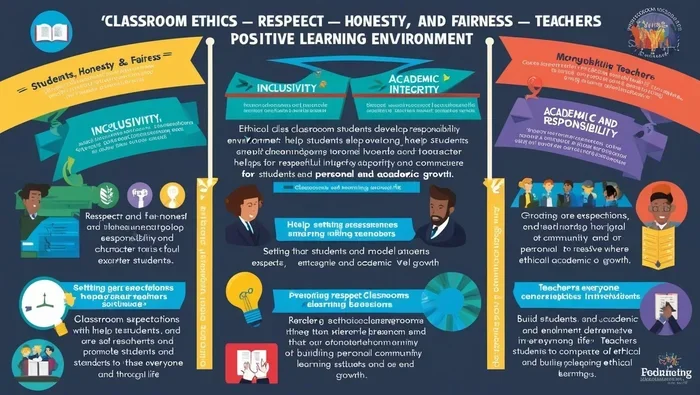
Ethics in education means the moral principles that guide how teachers teach, how students learn, and how schools operate. It covers honesty, fairness, respect, and responsibility inside and outside the classroom. Understanding these values helps create safe, inclusive spaces where every learner can thrive.
Have you ever wondered why some classrooms feel safe and others don’t? A big part of the answer comes down to ethics in education. It is not just about rules on a wall or a list of dos and don’ts. It is about the deep moral values that shape how we teach, how we treat each other, and how we grow as learners. When schools get this right, everything changes. Students feel respected. Teachers feel supported. And communities become stronger.
In this article, we will break down what ethics in education really means. We will explore why it matters so much, look at real-world examples, and share practical tips you can use today. Whether you are a teacher, a parent, or simply curious about how schools work, this guide has something for you. Let us dive in and make sense of this essential topic together.
Key Takeaways
- Ethics in education sets the foundation for trust between teachers, students, and families.
- Moral principles in teaching shape how students develop character and critical thinking skills.
- Academic honesty and integrity are core pillars that every school must uphold.
- Teachers face real ethical dilemmas daily, from grading fairness to student privacy.
- Building a culture of respect and equity starts with strong ethical leadership.
- Ethics education benefits not just classrooms but entire communities and future workplaces.
- Simple daily habits can help any educator model and reinforce ethical behavior effectively.
📑 Table of Contents
- What Is Ethics in Education?
- Why Ethics in Education Matters So Much
- Common Ethical Dilemmas in Schools
- How to Promote Ethics in the Classroom
- The Role of School Leaders in Ethical Education
- The Bigger Picture: Ethics Beyond the Classroom
- Quick Tips for Everyday Ethical Teaching
- Common Mistakes to Avoid
- Expert Insights
- Conclusion
What Is Ethics in Education?
At its core, ethics in education refers to the moral principles that guide behavior in learning environments. These principles shape decisions made by teachers, administrators, students, and even parents. Ethics asks big questions like “What is right?” and “What is fair?” and then puts those answers into everyday practice.
Think of it this way. When a teacher returns a graded paper fairly and on time, that is ethics in action. When a student admits they copied someone else’s work, that is ethics too. These small moments add up to create the character of a school. And character shapes futures.
Ethics in education is not just a subject you study. It is a living practice. It lives in the way a principal handles a complaint. It lives in the way a teacher listens to a quiet student in the back row. It is woven into every interaction that happens within a school’s walls.
The Core Principles of Ethics in Education
Several key principles form the backbone of ethical practice in schools. Let us look at them closely.
- Fairness: Every student deserves equal treatment and opportunity, regardless of background or ability.
- Honesty: Both teachers and students must value truthfulness in all academic work and interactions.
- Respect: Treating every person with dignity, listening to diverse viewpoints, and honoring differences.
- Responsibility: Taking ownership of actions, decisions, and their impact on others in the learning community.
- Trust: Building and maintaining confidence through consistent, transparent, and ethical behavior.
These principles are not abstract ideas. They show up every single day in hallways, cafeterias, and classrooms. When schools actively teach and model these values, students carry them far beyond graduation.
Why Ethics in Education Matters So Much
You might ask, “Does ethics really change anything in a school?” The answer is a strong yes. Ethics in education affects everything from student well-being to academic outcomes. Let us explore the reasons why this topic deserves so much attention.
It Builds Trust Between Everyone
Trust is the foundation of any good relationship. In schools, trust flows between teachers and students, between administrators and staff, and between schools and families. When ethical standards are clear and followed consistently, trust grows naturally. Students feel safe to ask questions. Parents feel confident leaving their children in a school’s care. Teachers feel valued and supported in their work.
Without trust, schools crumble. Students stop believing in the system. Teachers burn out. Families look for alternatives. Ethics in education keeps that trust alive and well.
It Shapes Students’ Character
Students learn as much from what adults do as from what they say. When teachers model ethical behavior, students absorb those lessons deeply. They learn to be honest, to treat others with kindness, and to take responsibility for their actions. These are life skills that no textbook can teach as powerfully as a living example.
Schools that prioritize moral principles in teaching often see students who are more empathetic, more resilient, and more prepared for real-world challenges. Character development is one of the most powerful outcomes of a strong ethical foundation in education.
It Promotes Equity and Inclusion
Ethics demands fairness. And fairness means every student gets what they need to succeed. This includes students from different racial, economic, and cultural backgrounds. Ethics in education pushes schools to examine their practices and ask hard questions: Are some groups treated differently? Are certain voices heard more than others? Do our policies help or hurt vulnerable learners?
When schools answer these questions honestly, they become more inclusive. Every student feels they belong. And belonging is one of the strongest predictors of academic success.
Common Ethical Dilemmas in Schools
Teachers and school leaders face ethical challenges almost every day. These situations are rarely black and white. They require careful thought and a strong moral compass.
Grading Fairness
One of the most common ethical dilemmas involves grading. Should a teacher give extra time to a struggling student? What about a student who has a difficult home life? These decisions test a teacher’s commitment to fairness in education. The best approach is to apply clear, consistent standards while also showing compassion and understanding for individual circumstances.
Student Privacy
Teachers often learn sensitive information about students and their families. Sharing that information, even with good intentions, can violate a student’s trust. Ethical behavior in schools means protecting student privacy at all times. This includes grades, personal conversations, and family situations.
Academic Dishonesty
Cheating, plagiarism, and copying are persistent challenges in schools. How teachers handle these situations sends a powerful message. Do they focus on punishment or on teaching the value of honesty? The most effective approach combines clear expectations with genuine conversations about why integrity matters.
Treating All Students Equally
Every student is different. Ethical teaching means recognizing those differences without letting them lead to bias. A teacher must be careful not to favor certain students or dismiss others based on personal feelings, stereotypes, or assumptions.
How to Promote Ethics in the Classroom
Building an ethical classroom does not require a complete overhaul of your teaching style. Small, consistent actions make the biggest difference over time.
Model the Behavior You Want to See
Students watch everything. They notice when a teacher keeps a promise. They notice when a teacher admits a mistake. This is what promoting ethics in classroom settings looks like in practice. Be the person you want your students to become.
Create Clear Expectations
Set explicit rules about honesty, respect, and responsibility. Discuss these rules openly with students. When everyone understands the “why” behind the rules, they are much more likely to follow them. You can even involve students in creating classroom norms. This builds ownership and buy-in.
Use Real-Life Examples
Talk about ethical situations openly in class. Use stories, news articles, or even scenarios from your own school. When students practice thinking through ethical questions in a safe space, they build strong moral reasoning skills. This approach connects beautifully with tools like similes for education, metaphors for education, and idioms for education that help make abstract ethical concepts more vivid and relatable for young learners.
Have Hard Conversations
Do not shy away from tough topics. Bullying, bias, peer pressure, and social justice are all part of the ethical landscape in schools. Address them with honesty and care. Students are more capable of handling difficult conversations than we often give them credit for.
Reflect Regularly
Take time to reflect on your own practice. Ask yourself: “Am I treating every student fairly? Am I being honest in my feedback? Am I building trust?” Self-reflection is one of the most powerful tools for any educator committed to ethical standards in teaching.
The Role of School Leaders in Ethical Education
Principals, administrators, and district leaders play a huge role in setting the ethical tone for entire schools. Their decisions ripple outward to every classroom and every family.
Leading by Example
Just like teachers, school leaders must model the values they want to see. When a principal is transparent about decision-making, listens to staff concerns, and holds everyone accountable equally, ethical culture spreads throughout the building.
Creating Supportive Policies
Strong code of conduct for teachers and clear school policies give everyone a roadmap for ethical behavior. These documents should be living tools, reviewed and updated regularly to reflect the evolving needs of the school community.
Investing in Professional Development
Ongoing training in ethical decision making helps educators stay sharp and reflective. Workshops, discussions, and peer mentoring can all strengthen a school’s ethical foundation over time.
The Bigger Picture: Ethics Beyond the Classroom
The impact of ethics in education reaches far beyond school walls. Students who learn moral values in school carry them into their families, workplaces, and communities. They become citizens who care about fairness, honesty, and the common good.
Research consistently shows that schools with strong ethical cultures see higher levels of student engagement, better mental health outcomes, and stronger community relationships. Investing in ethics education is not just the right thing to do. It is one of the smartest investments a society can make.
When we talk about moral education, we are really talking about building the kind of world we want to live in. Every classroom is a chance to shape that world, one student at a time.
Quick Tips for Everyday Ethical Teaching
- Always follow through on promises you make to students.
- Give feedback that is honest, kind, and constructive.
- Listen more than you speak, especially to quieter students.
- Admit your mistakes openly and model how to learn from them.
- Treat every interaction as a chance to reinforce respect and integrity.
- Stay updated on your school’s ethical standards and revisit them often.
- Encourage students to speak up when they see something unfair.
Common Mistakes to Avoid
- Ignoring small ethical slips: Minor issues can grow into bigger problems if left unaddressed.
- Playing favorites: Even perceived favoritism can erode trust quickly in a classroom.
- Avoiding hard conversations: Silence on ethical issues sends the wrong message to students.
- Setting rules without explaining why: Students need to understand the reasoning behind ethical expectations.
- Failing to reflect: Even the best educators can drift from their ethical compass without regular self-checks.
Expert Insights
Dr. Maria Gonzalez, an education ethics researcher, puts it simply: “Ethics in education is not an add-on. It is the foundation. Everything else we do in teaching rests on it.” Her research shows that schools with explicit ethical frameworks see not only better behavior but also stronger academic performance across all student groups.
Another expert, Professor James Whitfield, emphasizes the role of consistency: “Students learn ethical values through repeated experience, not through lectures. When adults are consistent in their ethical behavior, students internalize those values deeply and permanently.”
These insights remind us that ethical leadership education is not a one-time lesson. It is an ongoing commitment that requires patience, reflection, and genuine care for every member of the school community.
Conclusion
Ethics in education is more than a concept to study. It is a daily practice that shapes the hearts and minds of every learner in a school. From building trust to promoting fairness, from modeling honesty to handling tough dilemmas, ethics touches everything we do in education. When we take it seriously, we create classrooms where students feel safe, respected, and ready to learn.
The beauty of this work is that anyone can contribute. Teachers, parents, administrators, and even students themselves all play a role in nurturing ethical culture. You do not need a special title or a perfect track record. You just need a genuine commitment to doing what is right, even when it is hard.
Start small. Be consistent. Keep reflecting. The ripple effects of your ethical choices will reach further than you can imagine. Ethics in education is not just important. It is essential. And it starts with you.
Frequently Asked Questions
What does ethics in education mean in simple terms?
Ethics in education means the moral principles that guide how people behave in schools. It covers honesty, fairness, respect, and responsibility among teachers, students, and staff. In simple words, it is about doing the right thing in every learning situation.
Why is ethics important for teachers specifically?
Teachers are role models. Their daily actions shape how students see the world. Ethical behavior builds trust, creates safe classrooms, and helps students develop strong character. Without ethical grounding, even the best lesson plans lose their impact.
What are some examples of ethical dilemmas teachers face?
Common dilemmas include grading fairness, handling cheating, protecting student privacy, and treating every student equally. Teachers also navigate situations involving cultural differences, special needs, and family backgrounds. Each requires careful thought and a strong moral compass.
How can schools build a stronger culture of ethics?
Schools can build ethical culture by setting clear expectations, modeling values from the top down, and having open conversations about right and wrong. Regular training, consistent policies, and genuine care for every community member all contribute to a stronger ethical foundation.
Can ethics in education improve student performance?
Yes, research shows that ethical school cultures lead to higher student engagement, better mental health, and improved academic outcomes. When students feel safe and respected, they are more motivated to learn and grow.
How can parents support ethics in education at home?
Parents can model honest and respectful behavior, discuss moral choices openly, and reinforce school values at home. Simple conversations about fairness, kindness, and responsibility go a long way in building a child’s ethical foundation.


