
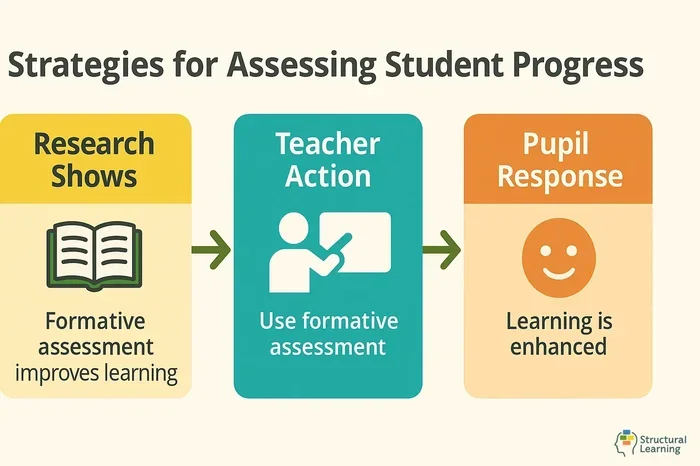
CBM stands for Curriculum-Based Measurement, a powerful formative assessment tool used by educators to monitor student progress in real time. It helps teachers make data-driven instructional decisions and personalize learning for every student. This guide covers everything from CBM basics to practical classroom applications.
CBM stands for Curriculum-Based Measurement, and it is one of the most effective tools modern educators use to understand how well their students are learning. If you have ever wondered how teachers know whether a child is keeping up with the class, CBM is often the answer. This assessment method gives teachers real-time data about student performance, making it easier to adjust lessons and support every learner.
In this article, we will explore the full meaning of CBM in education, how it works, why it matters, and how teachers use it every day. Whether you are an educator, a parent, or simply curious about how schools measure progress, this guide has you covered. We will also look at practical examples and share tips that make progress monitoring simple and effective.
Understanding educational assessment methods can feel overwhelming. But CBM is refreshingly straightforward. It uses short, frequent tests that directly connect to what students are already learning in class. No extra preparation is needed, and the results come fast. That is why more and more schools are adopting this approach to boost academic performance and support data-driven instruction.
Key Takeaways
- Point 1: CBM stands for Curriculum-Based Measurement, a research-backed method for tracking student academic growth.
- Point 2: It works across subjects like reading, math, and written expression through short, frequent assessments.
- Point 3: Teachers use CBM data to adjust instruction, identify struggling students early, and measure learning outcomes.
- Point 4: Unlike standardized tests, CBM provides ongoing progress monitoring rather than one-time snapshots.
- Point 5: CBM supports differentiated instruction and helps build student confidence through visible growth.
- Point 6: Implementing CBM requires training but delivers actionable insights that transform classroom teaching.
📑 Table of Contents
What Does CBM Stand for in Education?
Curriculum-Based Measurement is a form of formative assessment that evaluates student learning based directly on the curriculum being taught. Instead of relying on external or standardized tests, CBM measures what students are actually learning in their day-to-day lessons. Teachers use brief, timed probes to check skills in areas like reading fluency, math computation, and written expression.
The idea behind CBM is simple but powerful. Rather than waiting until the end of a semester to find out what students know, teachers check in regularly. These checks happen weekly or even daily. The result is a continuous picture of each student’s growth. This approach helps educators catch problems early and celebrate wins along the way.
CBM was first developed in the 1970s and 1980s by researchers who wanted a better way to track student progress. Since then, it has grown into one of the most trusted assessment tools in K-12 education. Schools across the country use it because it is practical, reliable, and deeply connected to classroom instruction.
How CBM Differs from Traditional Testing
Traditional standardized testing gives students one big test at a specific time of year. CBM works very differently. It uses short assessments given frequently. Here are the key differences:
- Frequency: CBM happens weekly or biweekly, while standardized tests happen once or twice a year.
- Content: CBM matches the current curriculum, while standardized tests cover broad grade-level standards.
- Purpose: CBM guides daily instruction, while standardized tests mainly measure end-of-year outcomes.
- Speed: CBM probes take just a few minutes, while standardized tests can take hours.
- Actionability: CBM results tell teachers exactly what to do next, while standardized test results often come too late to help.
This comparison shows why CBM is so valuable. It gives teachers the information they need right when they need it. It supports instructional decision-making in real time, which is something no other assessment method does as well.
How CBM Works in Practice
Using CBM in the classroom is easier than most people think. Teachers follow a straightforward process that takes only a few minutes each session. The goal is to collect consistent data without adding stress to students or taking time away from learning.
The Basic CBM Process
Here is how a typical CBM session works in a classroom:
- The teacher selects a skill to measure, such as reading fluency or multiplication facts.
- Students complete a short probe, usually lasting one to five minutes.
- The teacher scores the probe and records the results.
- The data is plotted on a graph to track progress over time.
- Based on the graph, the teacher decides whether to continue, adjust, or intervene.
This cycle repeats regularly. Over weeks and months, the graph builds a clear picture of each student’s growth. Teachers can see trends that would be invisible in a single test score. They can also share this visual data with parents during conferences, which helps everyone stay on the same page.
Common CBM Areas of Measurement
CBM covers several key academic areas. Here are the most common ones used in schools today:
- Reading Fluency: Students read a passage aloud while the teacher times them. The score is the number of words read correctly per minute.
- Math Computation: Students solve a set of math problems within a time limit. This measures basic math fact fluency.
- Written Expression: Students write a story or paragraph in a set time. Teachers score for total words, correct writing sequences, and quality.
- Spelling: Students write words dictated by the teacher. This measures phonics and spelling skills.
- Science and Social Studies: Some schools use CBM probes in these subjects too, though they are less common.
Each of these areas gives teachers a window into a different part of student learning. By using multiple measures, educators build a complete picture of academic strength and need.
Why CBM Matters for Student Success
Progress monitoring is the heart of CBM, and it is why this method matters so much. When teachers can see exactly where each student stands, they can act before small problems become big ones. This proactive approach changes outcomes for students.
Early Identification of Struggling Students
One of the greatest benefits of CBM is early identification. A student who is falling behind in reading may not show it in daily classwork. But a weekly CBM probe will reveal the trend. The teacher can see the dip on the graph and step in immediately. This early intervention can make a huge difference in a child’s academic journey.
Without CBM, teachers might not notice a problem until report card time. By then, the student may have fallen months behind. CBM closes that gap by providing constant feedback. It turns guesswork into informed action.
Supporting Differentiated Instruction
Every classroom has students at different levels. CBM helps teachers tailor their instruction to meet each student where they are. This is the foundation of differentiated instruction. With CBM data, teachers can group students by skill level, assign targeted practice, and adjust the pace of lessons.
For example, a teacher might notice that three students are reading below grade level based on their CBM graphs. She can then provide those students with extra reading intervention during independent work time. Meanwhile, students who are on track can move forward with more challenging material. This kind of personalized learning would be very difficult without CBM data.
Building Student Confidence and Motivation
CBM does not just help teachers. It also helps students. When students see their own progress on a graph, something powerful happens. They feel a sense of ownership over their learning. They can see that hard work leads to results. This builds student confidence and motivation in a way that a single test score never can.
Many teachers share CBM graphs with their students during one-on-one conferences. The student gets to see their own growth and set goals for the next week. This turns assessment from something done to students into a collaborative process. It also aligns with learning outcomes that focus on growth, not just grades.
CBM and Data-Driven Decision Making
Modern education increasingly relies on data to guide instruction. CBM is at the center of this shift. It provides teachers with clear, actionable information that shapes every aspect of classroom practice. This is what experts mean by data-driven instruction.
Using CBM Data to Plan Lessons
When a teacher looks at CBM results, they can answer important questions about their instruction. Are most students mastering the current lesson? Is the pacing right? Do I need to reteach a concept? The data gives concrete answers to these questions.
For instance, if a class CBM math probe shows that 70% of students made errors on fractions, the teacher knows to spend more time on that topic. If reading fluency scores are rising steadily, the teacher can move to the next skill. CBM makes these decisions evidence-based rather than based on gut feeling.
Communicating with Parents and Administrators
CBM data is also a powerful communication tool. During parent-teacher conferences, teachers can show parents a graph of their child’s progress. This visual evidence is much more meaningful than a letter grade. Parents can see exactly where their child stands and what growth has occurred over time.
Administrators also benefit from CBM data. School leaders can look at grade-level trends to identify areas where the curriculum needs adjustment. They can evaluate the effectiveness of instructional programs and allocate resources more wisely. This top-down use of data supports school-wide improvement efforts.
Implementing CBM in Your Classroom or School
If you are interested in starting CBM, the good news is that it is very doable. Schools and teachers at every level can adopt CBM with the right approach. Here are some practical steps to get started.
Step 1: Choose Your Measurement Areas
Start by selecting the academic areas that matter most for your grade level. For elementary teachers, reading fluency and math computation are excellent starting points. For middle and high school teachers, consider written expression and content-area reading. Focus on two or three areas at first so the process does not feel overwhelming.
Step 2: Gather or Create CBM Probes
Many published CBM resources are available, including tools connected to idioms for education and other literacy resources that support reading development. You can also create your own probes based on your current curriculum. The key is that each probe should match what students are currently learning. Keep each probe short, ideally five minutes or less.
Step 3: Establish a Routine
Consistency is the secret to CBM success. Set a regular schedule for administering probes. Many teachers do it every Monday and Thursday. The routine helps students feel comfortable and makes data collection automatic over time.
Step 4: Graph and Analyze the Data
Plot each student’s scores on a progress graph. Look for trends. Is the line going up, flat, or down? A rising line means the student is progressing well. A flat or declining line signals the need for a change in approach. Use this analysis to adjust your instructional strategies and provide targeted support.
Step 5: Share and Collaborate
Share CBM data with colleagues during planning time. Discuss which strategies are working and which need adjustment. Collaboration around data leads to better teaching practices across the school. It also helps teachers learn from each other, much like sharing idioms for teachers helps build a library of classroom techniques.
Common Mistakes to Avoid with CBM
While CBM is straightforward, there are some common pitfalls that educators should watch out for. Avoiding these mistakes will help you get the most from this powerful assessment tool.
- Testing too frequently: CBM should be frequent enough to show trends but not so often that it takes away from instruction. Weekly is usually the sweet spot.
- Ignoring the graph: Collecting data is useless if you never look at it. Make time to review progress graphs regularly and act on what they show.
- Using probes that do not match the curriculum: CBM works because it is directly tied to what is being taught. If your probes do not align with your lessons, the data will not be useful.
- Overlooking student motivation: Always share progress with students. When students see their own growth, they become more invested in their learning.
- Relying on CBM alone: CBM is one tool, not the only tool. Combine it with observations, work samples, and other assessments for a complete picture.
By steering clear of these mistakes, you can ensure that CBM becomes a reliable and effective part of your teaching practice. Remember, the goal is to use data to help students, not to create more work for teachers.
The Future of CBM in Education
As education continues to evolve, CBM is becoming even more important. Schools are embracing formative assessment practices that support continuous learning. CBM fits perfectly into this vision. It gives teachers the ongoing feedback they need to meet the needs of every student.
Technology is also changing how CBM is used. Digital platforms now allow teachers to input scores on tablets and automatically generate progress graphs. Some tools even use algorithms to recommend specific interventions based on CBM data. These innovations make CBM faster and more accessible than ever before.
Looking ahead, we can expect CBM to become a standard part of every school’s assessment toolkit. Its simplicity, reliability, and direct connection to classroom learning make it unmatched. For teachers who want to make a real difference in student outcomes, CBM is a proven path forward.
Final Thoughts
Curriculum-Based Measurement is more than just an assessment method. It is a mindset shift in how we think about teaching and learning. Instead of waiting for end-of-year results, CBM empowers teachers to act now. It turns data into action and students into active participants in their own growth. Whether you are a veteran teacher or just starting out, CBM offers practical, powerful tools that can transform your classroom.
Start small. Pick one subject, try weekly probes, and watch the results. You will quickly see why so many educators consider CBM one of the best investments they can make in their students’ success. The insights you gain will shape your instruction for the better and help every student reach their full potential.
For more insights on how language and expression play a role in learning, check out our articles on idioms for education and idioms for teaching. These resources complement the assessment strategies discussed here and can help build a richer classroom environment.
Frequently Asked Questions
What does CBM stand for in education?
CBM stands for Curriculum-Based Measurement. It is a formative assessment method used by teachers to monitor student progress by testing skills directly from the current curriculum. It is widely used in reading, math, and written expression to guide instruction and support student growth.
How often should CBM assessments be given?
Most educators administer CBM probes weekly or biweekly. This frequency provides enough data to show meaningful trends without taking too much time away from learning. The key is consistency, so picking a regular schedule and sticking to it works best.
Can CBM be used for students with special needs?
Yes, CBM is especially valuable for students with special needs. It provides detailed progress data that helps teachers and IEP teams make informed decisions about accommodations and interventions. The frequent feedback allows for quick adjustments to support individual learning goals.
What subjects can CBM measure?
CBM is most commonly used for reading fluency, math computation, and written expression. However, it can be adapted for spelling, science, social studies, and other content areas. The key requirement is that the probe must align with what students are currently learning in class.
How is CBM different from standardized testing?
CBM differs from standardized testing in several ways. CBM is shorter, more frequent, and directly tied to the current curriculum. Standardized tests are given once or twice a year and measure broad grade-level standards. CBM provides ongoing, actionable data, while standardized tests offer a single snapshot of performance.
Do teachers need special training to use CBM?
Basic CBM implementation does not require extensive training. Teachers can learn to create and administer probes within a few hours of professional development. However, deeper training in data analysis and intervention planning can help educators use CBM more effectively. Many schools offer workshops and online courses to build these skills.


