
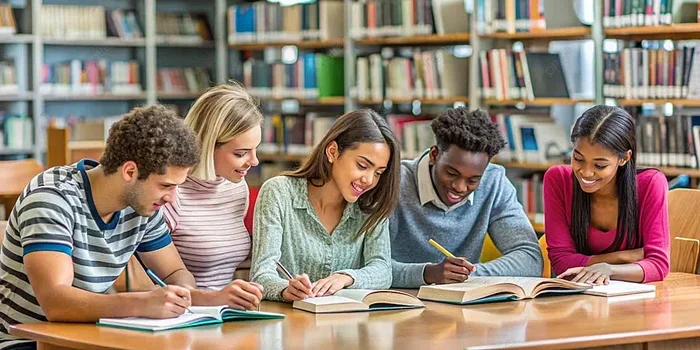
Open education is a movement that makes learning free, accessible, and available to everyone. It removes barriers like cost and location so anyone can gain knowledge. Through open education resources, Creative Commons licensing, and collaborative platforms, education becomes a shared human right rather than a privilege. Understanding open education helps you see how learning can change lives across the globe.
Imagine a world where open education is the norm, not the exception. Where a student in a rural village can access the same quality learning materials as someone at a top university. Where cost never stands between a curious mind and the knowledge it seeks. This is the promise of open education, and it is closer to reality than many people think.
The idea behind open education is simple but powerful. Learning should be free, shared, and available to all. It does not matter who you are, where you live, or how much money you have. In this article, we will explore what open education really means, why it matters, and how it is changing the way people learn around the world.
Key Takeaways
- Open education removes barriers: It makes learning free and accessible regardless of income or location.
- Open education resources save money: Students and teachers can access textbooks, courses, and materials at zero cost.
- Creative Commons licensing drives the movement: It allows creators to share work legally and freely.
- Equity and inclusion are core goals: Open education aims to level the playing field for underserved communities.
- Technology enables open education: Digital platforms make sharing and accessing knowledge easier than ever.
- Lifelong learning benefits everyone: Open education supports continuous growth beyond traditional classrooms.
📑 Table of Contents
- What Is Open Education?
- Key Components of Open Education
- Why Open Education Matters
- How Open Education Works in Practice
- The Role of Technology in Open Education
- Open Education and Inclusive Learning
- How Open Education Compares to Traditional Education
- Challenges Facing Open Education
- How You Can Get Involved
- Conclusion
- Frequently Asked Questions
What Is Open Education?
Open education refers to a movement that makes educational resources, tools, and practices freely available to everyone. It is built on the belief that knowledge should not be locked behind paywalls or restricted to certain groups. Instead, it is shared openly so that anyone can use, adapt, and distribute it.
The term covers many things. It includes open education resources like textbooks, videos, and lesson plans. It also includes open teaching methods, open curricula, and open access journals. The core idea stays the same. Education belongs to everyone.
The History of Open Education
The open education movement has roots going back decades. In the 1960s and 1970s, educators began experimenting with shared learning materials. The rise of the internet in the 1990s and 2000s supercharged this effort. Suddenly, sharing knowledge globally became possible.
Today, open education is a worldwide force. Organizations like UNESCO, the Open Education Network, and countless universities support it. They believe that open access to learning is one of the most important steps toward a fair and informed society.
Key Components of Open Education
Open education is made up of several key parts. Each one plays a role in making learning more accessible and equitable.
Open Education Resources (OER)
Open education resources are teaching and learning materials that are free to use and share. These can be textbooks, course modules, videos, quizzes, and more. OER are typically released under open licenses, which means anyone can access them without paying fees.
Think about a student who cannot afford a $200 textbook. With open education resources, that same student can download a free, high-quality version. This single change can make a huge difference in a person’s academic journey.
Creative Commons Licensing
Creative Commons licenses are the backbone of the open education movement. These licenses let creators share their work while keeping some rights. For example, a teacher might share a lesson plan under a Creative Commons license that allows others to use it and adapt it, as long as they give credit.
This system makes it easy for educators to build on each other’s work. It encourages collaboration and innovation. Without Creative Commons, sharing would be legally complicated and slow.
Open Access
Open access refers to research papers, journals, and scholarly work that anyone can read for free. Traditionally, academic journals charged high subscription fees. This kept important research hidden behind paywalls. Open access removes those barriers.
When research is open, students, teachers, and independent learners can all benefit. It speeds up discovery and helps spread knowledge faster than ever before.
Open Pedagogy
Open pedagogy is a teaching approach that uses open resources and encourages students to participate in creating knowledge. Instead of just consuming content, learners become contributors. They might write Wikipedia articles, build open textbooks, or design shared learning projects.
This approach makes learning more engaging and relevant. Students see the real-world impact of their work. They also develop critical thinking and collaboration skills that serve them well beyond the classroom.
Why Open Education Matters
Open education matters for many reasons. It touches the lives of students, teachers, professionals, and entire communities. Here are the most important reasons why this movement deserves attention.
It Reduces Financial Barriers
The cost of education can be crushing. Textbooks, courses, and materials add up fast. For many learners, these costs are the reason they cannot pursue their goals.
Open education removes this burden. When resources are free, more people can learn. This is especially true for students from low-income families. They deserve the same opportunities as everyone else.
It Promotes Educational Equity
Not everyone has the same access to quality education. Geographic location, economic status, and disabilities can all create barriers. Open education works to level the playing field.
A person living in a remote area with limited internet can still access learning materials. A working adult who cannot attend traditional classes can learn on their own schedule. This is what educational equity looks like in practice.
It Supports Lifelong Learning
Learning does not stop after graduation. People need to keep growing and adapting throughout their lives. Open education supports this by making resources available at every stage.
Whether someone wants to learn a new skill for a job change or explore a personal interest, open resources make it possible. The door to knowledge is always open.
It Encourages Collaboration and Innovation
When knowledge is shared openly, amazing things happen. Educators around the world can collaborate on projects. They can improve each other’s work and build something better together.
This collaborative spirit drives innovation. New teaching methods, technologies, and approaches emerge from open communities. The whole field of education benefits.
How Open Education Works in Practice
Open education is not just a theory. It is happening right now in classrooms, universities, and online platforms around the world.
Examples of Open Education in Action
Here are some real-world examples that show how open education makes a difference:
- MIT OpenCourseWare: MIT publishes free course materials from its classes. Anyone in the world can access them.
- OpenStax: This nonprofit creates peer-reviewed, free textbooks used by millions of students.
- Khan Academy: A platform offering free lessons on math, science, and many other subjects.
- OER Commons: A digital library of open education resources for teachers and learners.
- Coursera and edX: These platforms offer free courses from top universities, making quality education widely available.
Tips for Using Open Education Resources
If you want to start using open education resources, here are some practical tips:
- Start small. Try replacing one textbook or resource with an open alternative. See how it works.
- Check the license. Always verify the Creative Commons license before using or sharing a resource.
- Give credit. Even when licenses allow reuse, it is good practice to attribute the original creator.
- Share your finds. If you discover a great open resource, share it with colleagues and friends.
- Stay curious. Explore different platforms and repositories to find the best materials for your needs.
Common Mistakes to Avoid
As you explore open education, watch out for these common pitfalls:
- Assuming all free resources are open. Some free resources still have copyright restrictions. Always check the license.
- Ignoring quality. Not all open resources are created equal. Look for peer-reviewed or expert-created materials.
- Forgetting to adapt. Open resources can be customized. Do not be afraid to modify them to fit your needs.
- Not giving proper attribution. Even with open licenses, crediting the original creator is important and often required.
The Role of Technology in Open Education
Technology is the engine behind open education. Without digital tools, sharing resources globally would be nearly impossible. The internet, cloud storage, and mobile devices have made it easier than ever to access and distribute learning materials.
Platforms and Tools
Many platforms support open education today. Learning Management Systems like Moodle and Canvas allow educators to share open resources with their students. Repository sites like OER Commons and MERLOT organize materials by subject and grade level.
Mobile apps also play a big role. Learners can access open education content on their phones, making education truly portable. This is especially important in regions where computers are scarce but smartphones are common.
The Future of Technology and Open Education
Technology will continue to shape the future of open education. Artificial intelligence can help personalize learning experiences. Virtual and augmented reality can create immersive educational environments. Blockchain can verify credentials and track learning achievements.
As these technologies mature, open education will become even more powerful. The possibilities are exciting and limitless.
Open Education and Inclusive Learning
Open education plays a vital role in making learning inclusive. When materials are free and accessible, more people can participate. This includes individuals with disabilities, non-native speakers, and learners in developing countries.
Accessibility Features
Many open education resources include accessibility features. These can be screen reader compatibility, closed captions on videos, and alternative text for images. These features ensure that learners with different needs can engage with the content.
Inclusive design is a core principle of open education. The goal is to create materials that work for as many people as possible, regardless of their abilities or circumstances.
Language and Cultural Inclusivity
Open education also supports multilingual learning. Volunteers translate resources into different languages, making them available to wider audiences. This cultural inclusivity helps bridge gaps between communities and promotes understanding.
When learners see their language and culture represented in educational materials, they feel valued and included. This sense of belonging encourages deeper engagement and better learning outcomes.
How Open Education Compares to Traditional Education
Understanding the differences between open education and traditional education helps clarify the value of the open movement.
| Aspect | Traditional Education | Open Education |
|---|---|---|
| Cost | Often high (tuition, textbooks, fees) | Mostly free or very low cost |
| Access | Limited by enrollment and location | Available to anyone with internet |
| Materials | Proprietary, restricted use | Openly licensed, free to share |
| Pace | Fixed schedule and timeline | Self-paced, flexible learning |
| Collaboration | Limited to classroom peers | Global, community-driven |
| Certification | Formal degrees and credits | Varies (some offer certificates) |
Neither approach is perfect. Traditional education offers structure and recognized credentials. Open education offers flexibility and accessibility. The best approach often combines elements of both.
In the classroom, teachers also use tools like similes for education to make lessons more relatable, and metaphors for education to help students grasp complex ideas. These teaching techniques complement open education beautifully by making content more engaging and memorable.
Similarly, understanding idioms for education helps learners decode the language of academia. When students know common educational expressions, they feel more confident and prepared. This kind of language support fits naturally within the open education framework.
Challenges Facing Open Education
Despite its many benefits, open education faces real challenges. Acknowledging these obstacles is important for finding solutions.
Quality Control
Not all open resources are reviewed by experts. Some materials may contain errors or be outdated. Ensuring quality remains a challenge for the open education community.
Organizations are working to address this. Peer review processes and quality standards are being developed. But it is an ongoing effort that requires participation from educators everywhere.
Sustainability
Creating and maintaining open resources takes time and money. Many open education projects rely on grants and volunteer work. Finding sustainable funding models is a persistent challenge.
Some institutions are exploring new approaches. These include institutional support, corporate partnerships, and government funding. The goal is to ensure open education can thrive long-term.
Digital Divide
While open education aims to remove barriers, not everyone has reliable internet access. The digital divide remains a significant obstacle in many parts of the world.
Efforts to expand broadband access and provide offline options are underway. But bridging this gap will take time and investment from governments and organizations worldwide.
How You Can Get Involved
You do not need to be a teacher or a tech expert to support open education. There are many ways anyone can get involved.
For Learners
Start by exploring open education resources. Try a free course on a platform like edX or Coursera. Download an open textbook for your next project. Share what you learn with others.
Every time you use an open resource, you support the movement. You also save money and gain access to high-quality learning materials.
For Educators
Teachers can create and share their own open resources. They can adopt open textbooks in their courses. They can mentor colleagues who want to explore open education practices.
Even small actions make a difference. Sharing a single lesson plan under an open license can help thousands of other educators. The ripple effect is powerful.
For Institutions
Universities and schools can invest in open education initiatives. They can support faculty who create open resources. They can advocate for policies that promote open access.
Institutional leadership matters. When organizations prioritize open education, they send a powerful message about their commitment to equity and access.
Conclusion
Open education is more than a trend. It is a movement that has the power to transform lives and communities. By making learning free, accessible, and shared, it opens doors that cost, location, and circumstance have kept closed for too long.
Whether you are a student, a teacher, a lifelong learner, or simply someone who cares about fairness, open education has something to offer you. The resources are there. The opportunities are real. All that is left is to take advantage of them.
The future of education is open. It is collaborative, inclusive, and driven by the belief that everyone deserves a chance to learn. Embrace it. Share it. And help make it grow.
Frequently Asked Questions
What is the difference between open education and traditional education?
Traditional education usually involves paid tuition, copyrighted textbooks, and fixed schedules. Open education removes these barriers by providing free resources, flexible learning, and open licensing. Both approaches have value, but open education focuses on accessibility and equity.
Are open education resources really free?
Yes, open education resources are free to access and often free to share and adapt. They are released under open licenses like Creative Commons. However, some platforms may charge for optional features like certificates or graded assignments.
Can open education replace traditional degrees?
Open education can supplement traditional learning and provide valuable skills. Some platforms offer certificates and even full degree programs. However, the recognition of open credentials varies by employer and institution. It is best used as a complement to formal education.
Who benefits most from open education?
Students from low-income backgrounds, learners in remote areas, working adults, and self-directed learners benefit greatly from open education. Anyone who faces barriers to traditional education can find value in open resources and practices.
What is Creative Commons and why is it important for open education?
Creative Commons is a licensing system that allows creators to share their work freely while retaining some rights. It is essential for open education because it provides a legal framework for sharing and adapting resources. This makes collaboration and innovation possible on a global scale.
How can I find high-quality open education resources?
Start with trusted platforms like OER Commons, OpenStax, MIT OpenCourseWare, and Khan Academy. Look for resources that are peer-reviewed or created by reputable institutions. Always check the license and verify the accuracy of the materials before using them.


