
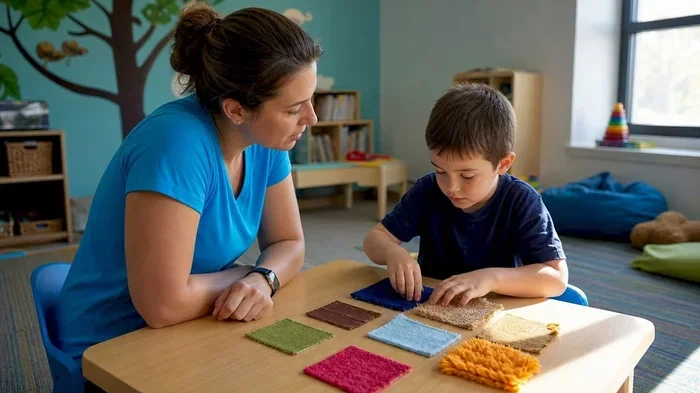
A BIP in education stands for Behavioral Intervention Plan, a structured strategy designed to help students who struggle with disruptive or challenging behaviors in school. It works hand-in-hand with a functional behavior assessment to identify triggers and create positive, targeted support. This guide covers every aspect of BIP in education, from how it is created to real-world examples and tips for parents and teachers.
Every classroom has students who face challenges with behavior. Some kids act out because of stress. Others struggle with focus or emotional regulation. Whatever the reason, schools need a clear plan to help. That is where a BIP in education comes into play. A Behavioral Intervention Plan gives teachers and parents a roadmap for supporting students who need extra help.
If you are a parent, teacher, or school administrator, understanding BIP in education can change the way you approach challenging behavior. This guide breaks it all down in simple terms. You will learn what a BIP is, how it works, and why it matters. Let us dive in.
Key Takeaways
- BIP stands for Behavioral Intervention Plan: It is a personalized document that outlines strategies to support students with behavioral challenges.
- It is rooted in data: A functional behavior assessment comes before a BIP to understand the root cause of behavior.
- BIPs are part of special education: They often tie into IEPs and 504 plans to ensure legal and educational support.
- Positive reinforcement is key: Effective BIPs focus on rewarding good behavior rather than punishing bad behavior.
- Parents play a vital role: Collaboration between teachers, counselors, and families makes BIPs more successful.
- BIPs are not one-size-fits-all: Each plan is tailored to the individual student’s needs, triggers, and goals.
- Progress is tracked and adjusted: Regular reviews ensure the BIP stays effective and relevant over time.
📑 Table of Contents
- What Is BIP in Education?
- How Is a BIP Created?
- Who Is Involved in Creating a BIP?
- What Does a BIP Look Like in Practice?
- BIP in Education vs. Traditional Discipline
- Common Mistakes Schools Make with BIPs
- Tips for Parents Supporting a Child with a BIP
- The Role of Positive Language in Behavior Support
- How BIPs Connect to IEPs and 504 Plans
- Key Takeaways
- Final Thoughts on BIP in Education
What Is BIP in Education?
A BIP in education stands for Behavioral Intervention Plan. It is a formal document created for a student who displays persistent behavioral challenges. The plan outlines specific strategies, goals, and supports to help the student behave more positively in school.
Think of a BIP as a personalized behavior blueprint. It does not punish a student. Instead, it teaches replacement behaviors and provides tools for success. The plan is usually part of a broader special education framework, often tied to an IEP or a 504 plan.
Why Do Schools Use Behavioral Intervention Plans?
Schools use BIPs because one-size-fits-all discipline does not work. Some students face deeper challenges than others. A behavior intervention plan addresses the root cause of behavior rather than just reacting to it. Here are some key reasons schools create BIPs:
- To reduce disruptive behavior: BIPs help minimize interruptions in the classroom.
- To support emotional growth: They teach students how to manage emotions constructively.
- To improve learning outcomes: When behavior improves, students can focus better on academics.
- To keep students in the classroom: BIPs aim to prevent suspensions and removals.
- To involve parents and caregivers: They create a team approach to behavior support.
Ultimately, a BIP in education ensures that every student gets a fair chance to learn and grow. It shifts the focus from punishment to support.
How Is a BIP Created?
Creating a behavioral intervention plan is not a quick fix. It follows a careful, step-by-step process. The foundation of every BIP is something called a functional behavior assessment, or FBA. Let us walk through how this works.
Step 1: Conduct a Functional Behavior Assessment
Before anyone writes a BIP, the school team needs to understand the behavior. This is where a functional behavior assessment comes in. An FBA looks at three main things:
- The trigger: What happens right before the behavior?
- The behavior itself: What exactly is the student doing?
- The consequence: What happens right after the behavior?
This approach is often called the ABC model. By studying these pieces, the team can figure out what is driving the behavior. Is the student seeking attention? Trying to avoid a task? Responding to sensory overload? The FBA answers these questions.
Step 2: Identify the Target Behavior
Once the FBA is complete, the team picks one or two target behaviors to focus on. These are the behaviors that most affect the student’s learning and the classroom environment. The BIP in education then sets clear, measurable goals for reducing these behaviors.
Step 3: Develop Strategies and Supports
This is where the real work happens. The team designs specific strategies to address the target behaviors. These might include:
- Positive reinforcement: Rewarding the student when they display the desired behavior.
- Replacement behaviors: Teaching the student a better way to respond to the same trigger.
- Environmental changes: Adjusting the classroom setup to reduce triggers.
- Check-in and check-out systems: Having the student meet with a mentor at the start and end of each day.
- Sensory breaks: Allowing the student to take short breaks to regulate their emotions.
Each strategy is chosen based on the data from the FBA. This ensures the BIP in education is grounded in evidence, not guesswork.
Step 4: Implement and Monitor
Once the BIP is in place, the team puts it into action. Teachers, counselors, and parents all follow the plan consistently. Progress is tracked regularly through data collection. If a strategy is not working, the team adjusts it. A behavior support plan is a living document that evolves with the student.
Who Is Involved in Creating a BIP?
A BIP in education is a team effort. No single person creates it alone. Here are the key players:
- Teachers: They observe the student daily and provide firsthand behavior data.
- School counselors or psychologists: They conduct the FBA and guide the plan’s development.
- Special education coordinators: They ensure the BIP aligns with the student’s IEP or 504 plan.
- Parents and guardians: They provide insights about the student’s behavior at home and reinforce strategies outside school.
- The student: When appropriate, the student participates in setting goals and reflecting on progress.
Collaboration is the heart of any effective behavioral intervention plan. When everyone works together, the student benefits the most.
What Does a BIP Look Like in Practice?
Theory is helpful, but real examples make things clearer. Let us look at how a BIP in education works in everyday school settings.
Example 1: A Student Who Acts Out During Group Work
Imagine a fifth grader named Marcus. During group activities, he often shouts out answers and refuses to take turns. His teacher notices this happens when he feels ignored by peers. The FBA reveals that Marcus seeks attention from the teacher and classmates.
The BIP in education for Marcus includes these strategies:
- Giving Marcus a specific role in each group that requires him to lead respectfully.
- Using a hand signal to remind him to wait for his turn.
- Providing positive praise when he raises his hand calmly.
- Allowing him to share one idea per group discussion before others respond.
Within a few weeks, Marcus’s outbursts decrease significantly. He feels valued and heard without needing to act out.
Example 2: A Student Who Avoids Difficult Tasks
Now picture a third grader named Lily. She often leaves her seat and wanders around the room when given worksheets. The FBA shows that Lily feels overwhelmed by the workload and uses avoidance as a coping mechanism.
Lily’s behavior intervention plan includes:
- Breaking worksheets into smaller chunks with breaks in between.
- Offering a choice between written work and oral responses.
- Using a visual timer so Lily can see how long each task will take.
- Celebrating completion of each chunk with a sticker chart.
These adjustments make a big difference. Lily stays engaged and feels more confident in her abilities.
BIP in Education vs. Traditional Discipline
It is important to understand how a BIP in education differs from traditional discipline. Traditional discipline often relies on punishment. A student misbehaves, and they face consequences like detention or suspension. While these methods may stop the behavior temporarily, they do not address the underlying cause.
A behavioral intervention plan takes a completely different approach. It focuses on understanding and teaching. Here is a quick comparison:
| Aspect | Traditional Discipline | Behavioral Intervention Plan |
|---|---|---|
| Focus | Punishing the behavior | Understanding and teaching replacement behaviors |
| Approach | Reactive | Proactive and preventive |
| Individualization | One-size-fits-all | Tailored to each student |
| Data-Driven | Rarely | Always based on FBA data |
| Long-Term Impact | Often temporary | Builds lasting behavior skills |
| Parent Involvement | Minimal | Central to the process |
As you can see, a BIP in education offers a far more effective and compassionate path. It helps students build skills they will use for years to come.
Common Mistakes Schools Make with BIPs
Even with the best intentions, schools sometimes make mistakes when implementing a behavioral intervention plan. Being aware of these pitfalls can help you avoid them.
Mistake 1: Skipping the FBA
Some schools jump straight to creating a BIP without conducting a thorough functional behavior assessment. This is like building a house without a foundation. The plan may look good on paper but fail in practice. Always start with data.
Mistake 2: Inconsistent Implementation
A BIP only works if everyone follows it consistently. If one teacher uses the strategies but another ignores them, the student receives mixed signals. Consistency across all staff members is essential.
Mistake 3: Not Involving the Student
Older students can and should be part of the process. When students understand their own behavior patterns and goals, they become active partners in their growth. Excluding them misses a valuable opportunity.
Mistake 4: Forgetting to Review and Adjust
Student behavior changes over time. A plan that works in September may need tweaking by January. Regular reviews keep the BIP in education fresh and effective.
Tips for Parents Supporting a Child with a BIP
If your child has a behavioral intervention plan at school, your role is incredibly important. Here are some practical tips to support your child at home:
- Stay in close communication with the school: Ask for regular updates on progress and challenges.
- Reinforce positive behavior at home: Use the same reward systems the school uses so your child feels consistency.
- Talk about feelings openly: Help your child name their emotions and express them in healthy ways.
- Be patient: Behavior change takes time. Celebrate small wins along the way.
- Attend all BIP meetings: Your perspective as a parent provides insights the school team may not have.
Remember, a BIP in education is a partnership. When home and school work together, students thrive.
The Role of Positive Language in Behavior Support
One often overlooked aspect of a behavior intervention plan is the language adults use around the student. How teachers and parents communicate can either reinforce positive behavior or unintentionally escalate challenges. Using figurative language like similes for education or metaphors for education can make instructions more relatable and memorable for young learners. For instance, saying “listen as quietly as a mouse” or “be as steady as a rock” gives children vivid mental images to guide their actions. Similarly, understanding common idioms for education helps educators and parents communicate expectations more effectively and build stronger connections with students. These language tools complement the structured approach of a BIP by making daily interactions warmer and more engaging.
When the language in a classroom is positive and encouraging, it creates an environment where students feel safe to grow. This aligns perfectly with the goals of any behavioral intervention plan. The words we choose matter more than we often realize.
How BIPs Connect to IEPs and 504 Plans
A BIP in education often lives inside a larger support framework. Many students with behavioral challenges also have an Individualized Education Program, or IEP. Others may qualify for a 504 plan. Here is how these documents connect:
- IEP: An IEP covers a wide range of special education services. A BIP can be added as a behavioral goal or support within the IEP.
- 504 Plan: A 504 plan provides accommodations for students with disabilities. A BIP can be included to address specific behavioral needs.
The key takeaway is that a BIP in education does not exist in isolation. It is one piece of a bigger puzzle designed to support the whole child.
Key Takeaways
- BIP stands for Behavioral Intervention Plan: It is a personalized document that outlines strategies to support students with behavioral challenges.
- It is rooted in data: A functional behavior assessment comes before a BIP to understand the root cause of behavior.
- BIPs are part of special education: They often tie into IEPs and 504 plans to ensure legal and educational support.
- Positive reinforcement is key: Effective BIPs focus on rewarding good behavior rather than punishing bad behavior.
- Parents play a vital role: Collaboration between teachers, counselors, and families makes BIPs more successful.
- BIPs are not one-size-fits-all: Each plan is tailored to the individual student’s needs, triggers, and goals.
- Progress is tracked and adjusted: Regular reviews ensure the BIP stays effective and relevant over time.
Final Thoughts on BIP in Education
A BIP in education is one of the most powerful tools schools have for supporting students with behavioral challenges. It moves beyond punishment and toward understanding. It gives teachers a clear roadmap and parents a seat at the table. Most importantly, it gives students the chance to learn, grow, and succeed.
If you are new to the world of behavioral intervention plans, start by learning the basics. Talk to your child’s teacher or school counselor. Ask questions. Advocate for your child. Every student deserves a plan that sees them as an individual with unique strengths and challenges.
Remember, behavior is communication. When a student acts out, they are often telling us something they cannot put into words. A well-designed BIP in education listens to that message and responds with care, clarity, and compassion. That is the heart of what makes these plans so effective.
Whether you are a teacher looking for better strategies or a parent seeking answers, understanding BIP in education empowers you to make a real difference. Start today, and watch the positive changes unfold.
Frequently Asked Questions
What does BIP stand for in education?
BIP stands for Behavioral Intervention Plan. It is a personalized document created for students who display persistent behavioral challenges in school. The plan outlines specific strategies and goals to help the student develop positive behaviors.
How is a BIP different from an IEP?
An IEP covers a broad range of special education services, while a BIP focuses specifically on behavior. That said, a BIP can be included as part of an IEP. Both documents work together to support the student’s overall educational experience.
Who qualifies for a BIP in education?
Students who display persistent disruptive or challenging behaviors that affect their learning or the learning of others may qualify. Typically, a functional behavior assessment is conducted first to determine if a BIP is needed.
Can parents request a BIP for their child?
Yes, parents can request a functional behavior assessment, which is the first step toward creating a BIP. If the school agrees, a team will evaluate the student and develop a plan if appropriate.
How often is a BIP reviewed?
A BIP should be reviewed regularly, often at the same time as the student’s IEP or 504 plan meetings. The team tracks progress data and adjusts strategies as needed to keep the plan effective.
What happens if a BIP does not work?
If a BIP is not producing results, the team revisits the functional behavior assessment data. They may adjust the strategies, set new goals, or explore additional supports. A BIP is a flexible document designed to evolve with the student.


