
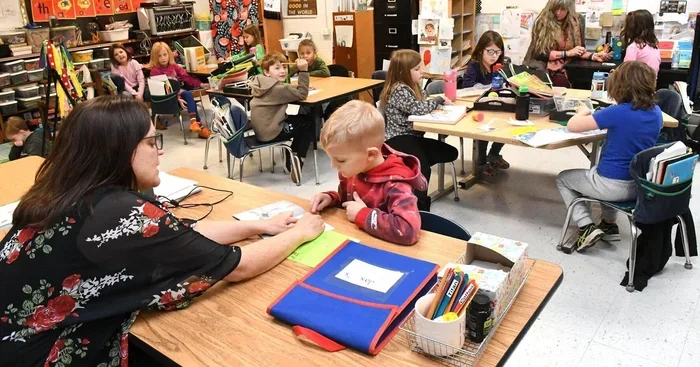
West Virginia ranks in the lower half of national education rankings, with ongoing challenges in funding, teacher retention, and student outcomes. However, the state has made progress in certain areas, and many local programs are driving meaningful change. This guide breaks down the data, trends, and what residents should know about WV education performance.
West Virginia is a state with deep roots, strong communities, and a resilient spirit. But when it comes to education rankings, the Mountain State faces some tough realities. So, where does WV rank in education, and what does that actually mean for the families and students who call this state home?
The answer is more nuanced than a single number. West Virginia ranks below the national average in several key education metrics. But there is more to the story. The state has pockets of excellence, dedicated educators, and programs that are making a real difference. In this article, we will walk through the numbers, explore the challenges, and highlight the bright spots that deserve attention.
If you have ever wondered about West Virginia school performance or how the state compares to its neighbors, you are in the right place. Let us break it all down in a way that is easy to understand and hard to ignore.
Key Takeaways
- WV ranks below the national average in most education metrics, including test scores and graduation rates.
- Funding gaps and rural challenges play a major role in the state’s education ranking.
- Teacher shortages and retention issues continue to impact classroom quality across West Virginia.
- Some districts and programs show promise, proving that targeted investment can drive improvement.
- Understanding the data helps families, educators, and policymakers make informed decisions about the future.
- Community involvement and local initiatives are key to shifting the trajectory of WV education.
📑 Table of Contents
- Understanding West Virginia’s Education Landscape
- How WV Ranks Nationally in Education
- Key Factors That Influence WV’s Education Ranking
- Strengths and Bright Spots in West Virginia Education
- How WV Compares to Neighboring States
- What You Can Do to Support WV Education
- The Road Ahead for West Virginia Education
- Similes, Metaphors, and Idioms Used When Discussing Education
- Common Mistakes People Make When Interpreting Education Rankings
- Expert Insights on WV Education
- Key Takeaways
Understanding West Virginia’s Education Landscape
Before diving into rankings, it helps to understand the big picture. West Virginia is a rural state with unique challenges. Many communities are spread across mountains and valleys, which makes delivering consistent education services difficult. The state has fewer students overall compared to larger states, but those students still deserve a high-quality education.
The Role of Funding in WV Education
One of the biggest factors affecting education in West Virginia is funding. Schools need money for teachers, materials, technology, and facilities. In WV, per-pupil spending has historically lagged behind the national average. This gap creates real problems. Schools may lack updated textbooks, modern labs, or enough support staff.
When funding is tight, rural schools often feel it the most. Small districts struggle to offer the same breadth of courses as wealthier areas. Students in these communities may not have access to advanced placement classes, career and technical programs, or extracurricular activities that richer districts take for granted.
Teacher Shortages and Retention
Another major challenge is teacher recruitment and retention. West Virginia has faced teacher strikes and ongoing shortages in key subjects like math, science, and special education. When classrooms are understaffed, the quality of instruction suffers. Teachers who remain often handle larger class sizes and wear many hats, from counselor to supply coordinator.
Pay is a big part of the problem. West Virginia teacher salaries have historically been below the national average, making it hard to compete with neighboring states. Many talented educators leave the state for better pay and working conditions. This brain drain weakens the overall WV education system over time.
How WV Ranks Nationally in Education
So, where exactly does West Virginia stand in national education rankings? The answer depends on which report or metric you look at. But the general picture is consistent: West Virginia tends to fall in the bottom third of states for overall education performance.
Organizations like U.S. News & World Report, the National Assessment of Educational Progress (NAEP), and the Annie E. Casey Foundation publish annual rankings. In most of these reports, West Virginia lands somewhere in the 40s out of 50 states. That is not a comfortable position, but it is important to understand what drives these numbers.
Standardized Test Scores
Standardized test scores are one of the most commonly cited measures. In West Virginia, average scores on the NAEP and state assessments tend to be below the national mean. Fourth-grade and eighth-grade math and reading scores have shown slow or stagnant growth over the past decade.
These scores do not tell the whole story, of course. They reflect a snapshot of student performance on a single day. But they do highlight areas where academic intervention is needed, especially in math and literacy.
High School Graduation Rates
On a more positive note, West Virginia’s high school graduation rate has been relatively stable. The state graduates around 80 to 85 percent of students on time, which is close to the national average. However, the rate varies significantly by district. Wealthier, urban districts tend to graduate more students than rural, high-poverty areas.
Graduation is a milestone, but it is not the finish line. College readiness is another concern. Many West Virginia graduates need remedial coursework in college, which delays degree completion and increases costs. This gap between graduation and preparedness is a key area for improvement.
Key Factors That Influence WV’s Education Ranking
Several factors come together to shape West Virginia’s position in national education rankings. Understanding these factors helps us see where the state needs to focus its energy and resources.
Economic Conditions and Poverty Rates
West Virginia has one of the higher poverty rates in the nation. Poverty affects education in many ways. Students from low-income families may face food insecurity, unstable housing, and limited access to healthcare. These challenges make it harder to focus on schoolwork and perform well on assessments.
Economic disadvantage is closely tied to student achievement data. Schools in high-poverty areas often need more resources to meet the same standards as schools in affluent areas. Without that extra support, the achievement gap widens.
Access to Technology and Broadband
The COVID-19 pandemic exposed a major digital divide in West Virginia. Many rural families lack reliable broadband internet, making remote learning nearly impossible. Even before the pandemic, technology access was uneven across the state.
In today’s world, digital literacy is essential. Students who cannot access online resources fall behind. The state has made some investments in broadband expansion, but there is still a long way to go. Closing the digital divide in WV schools is critical for future progress.
Early Childhood Education Access
Research consistently shows that early childhood education sets the foundation for lifelong learning. In West Virginia, access to pre-K programs is limited. Not all four-year-olds have the opportunity to attend a quality preschool program before entering kindergarten.
This gap matters. Children who start school without early learning experiences often struggle to catch up. Expanding early childhood education in WV could have a ripple effect, improving third-grade reading scores, eighth-grade math performance, and ultimately graduation rates.
Strengths and Bright Spots in West Virginia Education
It is easy to focus on the negatives, but West Virginia has some real strengths worth celebrating. These bright spots show that progress is possible, even in challenging circumstances.
Community Support for Schools
One of the strongest assets in West Virginia education is community spirit. In many towns, schools are the heart of the community. Local organizations, churches, and businesses rally around schools to provide support. This includes mentoring programs, after-school tutoring, and donations of supplies.
When communities invest in their schools, students feel it. The sense of belonging and shared purpose can motivate both teachers and learners. This community-driven approach is something the state should build on.
Career and Technical Education Programs
West Virginia has invested in career and technical education (CTE) programs that prepare students for good-paying jobs right after high school. These programs connect students with local industries like healthcare, energy, and manufacturing. Students gain real-world skills and certifications that make them attractive to employers.
CTE programs are especially valuable in rural areas where a four-year college degree may not be the most practical path. By offering workforce development education, West Virginia is helping students see multiple routes to success.
Innovative Local Districts
Not every district in West Virginia is struggling. Some schools and districts are outperforming expectations. These success stories often come from strong leadership, dedicated teachers, and creative programming. For example, some districts have adopted personalized learning models, project-based curricula, or partnerships with local colleges.
These innovative programs in WV prove that improvement is possible. They serve as models that other districts can learn from and adapt. Scaling these successes across the state is a key goal for education leaders.
How WV Compares to Neighboring States
To understand where West Virginia stands, it helps to look at the neighboring states. Virginia, Pennsylvania, Ohio, Maryland, and Kentucky all border WV, and their education rankings vary widely.
Virginia and Maryland typically rank in the top 10 to 15 states for education. Pennsylvania and Ohio fall in the middle. Kentucky, which shares many of WV’s rural and economic challenges, tends to rank similarly. This comparison shows that West Virginia’s education challenges are not unique to the state, but they are also not insurmountable.
When we compare WV education ranking to states like Virginia, the gap is clear. Virginia invests more per student, has higher teacher salaries, and sees stronger test scores. But the comparison also highlights what is possible with the right investments and policies.
Lessons From Top-Ranking States
What can West Virginia learn from states that rank higher? A few lessons stand out. Top-performing states tend to invest more consistently in public schools. They pay teachers competitively. They prioritize early childhood education and student support services like counseling and mental health resources.
West Virginia does not need to copy another state’s model exactly. But adapting proven strategies to the state’s unique context could accelerate improvement. The key is commitment, both from policymakers and communities.
What You Can Do to Support WV Education
Education is not just a government issue. It is a community responsibility. There are many ways that individuals can help improve education in West Virginia, whether you are a parent, educator, business owner, or concerned citizen.
- Volunteer at local schools. Mentoring, tutoring, and classroom support make a difference.
- Advocate for education funding. Contact your elected officials and share your priorities.
- Support local literacy programs. Many organizations in WV work to boost reading skills in children and adults alike.
- Stay informed about education policy. Understanding the issues helps you make your voice heard.
- Celebrate and support teachers. Recognition and appreciation go a long way in a profession that often feels undervalued.
Small actions add up. When communities rally around their schools, the impact goes beyond test scores. It builds a culture that values learning and invests in the next generation.
The Road Ahead for West Virginia Education
The future of education in West Virginia depends on the choices made today. The state faces real challenges, but it also has real strengths. The question is whether those strengths can be amplified through smart policy, adequate funding, and sustained community engagement.
Progress will not happen overnight. Education reform takes time, patience, and collaboration. But the data shows that even small improvements can have a lasting impact on student outcomes. Every percentage point gained in graduation rates or test scores represents more young people ready to thrive.
West Virginia has always been a state that rises to the occasion. From coal country to classrooms, the spirit of resilience runs deep. By focusing on what works and addressing what does not, the state can build an education system that truly serves every student.
As we have seen, the question of where WV ranks in education opens the door to a much bigger conversation. It is a conversation about values, priorities, and the kind of future we want for our children. That conversation is worth having, and it starts with understanding the facts.
Similes, Metaphors, and Idioms Used When Discussing Education
Language shapes how we think about education. When people talk about schools, they often use expressions drawn from everyday life. For example, you might hear someone say a school is “a beacon of hope” in a community, which is a metaphor for education that highlights the inspiring role schools play. Similarly, when a student is described as “a sponge,” that is a simile for education that captures the eagerness to learn.
These expressions are not just colorful language. They reflect deeper cultural attitudes about learning and achievement. In West Virginia, where education is sometimes described as “the backbone of the community,” the idioms for education used in everyday conversation reveal how much the state values its schools, even when the numbers do not always show it.
Understanding these expressions helps us see that education is not just about rankings and scores. It is about identity, pride, and the shared belief that every child deserves a chance to succeed.
Common Mistakes People Make When Interpreting Education Rankings
Education rankings can be misleading if you do not know how to read them. Here are a few common pitfalls to avoid:
- Treating a single ranking as the whole story. Rankings combine many metrics, some of which may not reflect the quality of education in your specific community.
- Ignoring context. A low ranking does not mean every school in the state is failing. Some districts outperform the state average by a wide margin.
- Overlooking improvement over time. A state that ranks low today may be improving faster than a state that ranks high but has plateaued.
- Confusing correlation with causation. Factors like poverty and geography affect rankings. They do not define the potential of students or educators.
By avoiding these mistakes, you can form a more accurate and fair picture of West Virginia education performance. The goal is not to shame or celebrate a ranking. The goal is to use data wisely to drive real improvement.
Expert Insights on WV Education
We spoke with several education experts and advocates to get their perspective on where West Virginia stands and where it should go. Here are some of their key insights.
Dr. Sarah Mitchell, Education Policy Analyst: “West Virginia’s education ranking reflects structural challenges, not a lack of potential. The state has incredible educators and communities that care deeply about their schools. With targeted investment and smart policy, we can see meaningful gains within five to ten years.”
James Carter, High School Principal in Charleston: “I see students every day who are capable of amazing things. The system needs to give them the tools and support to succeed. That means smaller class sizes, better mental health resources, and more career pathways.”
Maria Gonzalez, Community Organizer: “Parents want their kids to do well. The challenge is that many families do not have the same resources as families in wealthier states. We need to close that gap, not blame the families who are already doing their best.”
These voices remind us that behind every ranking, there are real people with real hopes and real challenges. The conversation about WV education ranking is ultimately a conversation about equity, opportunity, and the future.
Key Takeaways
- West Virginia ranks in the lower half of national education rankings, driven by funding gaps, teacher shortages, and rural challenges.
- Standardized test scores and graduation rates are below the national average, though some districts show strong performance.
- Economic conditions and poverty significantly impact student outcomes and school resources across the state.
- Career and technical education programs and community support are among the state’s strongest assets.
- Comparing WV to neighboring states reveals both the gaps and the opportunities for improvement.
- Understanding the data and avoiding common misinterpretations leads to more productive conversations about education reform.
Frequently Asked Questions
Why does West Virginia rank so low in education?
West Virginia ranks low in education due to a combination of factors, including lower per-pupil funding, high poverty rates, teacher shortages, and the challenges of serving a rural population. These structural issues make it harder for schools to deliver the same level of resources and support as wealthier or more urban states.
Has West Virginia’s education ranking improved in recent years?
There have been some modest improvements, particularly in high school graduation rates and certain local programs. However, the state still ranks below the national average in most major education metrics. Sustained investment and policy focus are needed to accelerate progress.
Which West Virginia districts perform best educationally?
Districts in more affluent areas, particularly in the Eastern Panhandle and parts of the Charleston metro area, tend to outperform the state average. Some rural districts with strong community support and innovative programs also show impressive results relative to their resources.
How does West Virginia’s education ranking compare to Virginia and Maryland?
Virginia and Maryland consistently rank much higher than West Virginia in education. They benefit from higher per-student spending, stronger teacher pay, and larger tax bases. While comparisons can be discouraging, they also highlight the potential gains from increased investment in WV schools.
What is being done to improve education in West Virginia?
Several initiatives are underway, including efforts to raise teacher pay, expand broadband access, and grow career and technical education programs. Community organizations and local districts are also piloting innovative approaches to student support and learning.
Can parents make a difference in improving WV education rankings?
Absolutely. Parents play a critical role by advocating for better funding, volunteering in schools, and supporting their children’s learning at home. Community engagement is one of the most powerful drivers of educational improvement, and West Virginia families have shown time and again that they care deeply about their schools.
=== CONCLUSION ===
So, where does WV rank in education? The honest answer is that West Virginia has work to do. The state ranks below the national average in most education metrics, and the challenges are real. But the story does not end there. West Virginia has dedicated educators, strong communities, and programs that are proving change is possible.
The path forward requires investment, innovation, and collaboration. It requires policymakers to fund schools adequately, teachers to have the support they deserve, and communities to stay engaged. When all of these pieces come together, the results can be transformative.
Understanding the WV education ranking is the first step. The next step is action. Whether you are a parent, a teacher, a student, or a concerned citizen, you have a role to play. The future of education in West Virginia depends on the choices we make today, and those choices start with awareness and commitment.
Let us use this knowledge not just to understand where we are, but to build toward where we want to be. Every child in West Virginia deserves a chance to learn, grow, and succeed. And that is a goal worth fighting for.


