
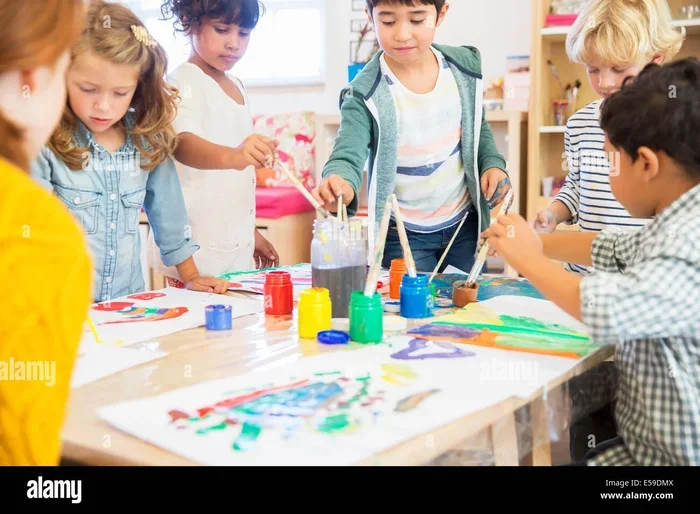
Art education in schools is more than just painting and drawing — it builds critical thinking skills, emotional expression, and academic performance. When students engage in creative learning, they develop holistic development that benefits every area of their lives. Schools that invest in visual arts programs see stronger student engagement and better educational outcomes across the board.
Key Takeaways
- Art education in schools strengthens critical thinking and creative problem solving skills that students use every day.
- Visual arts programs boost academic performance by improving focus, memory, and interdisciplinary learning.
- Emotional expression through art helps students process feelings and build self-confidence.
- Hands-on learning in art class develops fine motor skills and cultural awareness.
- Arts integration in other subjects makes learning more engaging and memorable for students.
- Imagination and creativity nurtured through art prepare students for future careers and challenges.
- Schools with strong fine arts curriculum see higher student engagement and better educational outcomes.
📑 Table of Contents
- What Is Art Education in Schools and Why Does It Matter
- The Benefits of Art Education for Student Development
- How Art Education Boosts Academic Performance
- Art Education and Emotional Growth
- Building Creativity and Critical Thinking Through Art
- How Schools Can Strengthen Art Education Programs
- The Long-Term Impact of Art Education on Students
- Conclusion
What Is Art Education in Schools and Why Does It Matter
When we talk about art education in schools, we mean much more than just letting kids color. It includes drawing, painting, sculpture, design, and even digital art. It also covers cultural awareness and learning about art from different times and places.
So why does this matter so much? Because creative learning shapes how young minds grow. Art class gives students a space to explore, experiment, and express themselves. It is one of the few subjects where there is no single right answer.
Many schools today focus heavily on math and reading test scores. That is important, no doubt. But cutting visual arts programs can hurt students in ways we do not always see. Art education in schools fills gaps that other subjects simply cannot reach.
Think about it. When a child draws a picture of their family, they are not just making art. They are telling a story. They are working through emotions. They are building skills that will serve them for life. This is exactly why art education in schools deserves real attention and support.
The Bigger Picture of Creative Learning
Creative learning through art helps students see the world differently. It encourages them to ask questions and look at problems from new angles. This kind of thinking is valuable in every career and every area of life.
When schools invest in art education in schools, they invest in the whole child. Not just the test-taker. Not just the future scientist or engineer. Every student benefits from the imagination and creativity that art nurtures.
The Benefits of Art Education for Student Development
The benefits of art education in schools go far beyond the classroom walls. Let us break down the key areas where art makes a real difference.
Cognitive Development
Art activities stimulate brain development in powerful ways. When a student decides on colors, shapes, and compositions, they are using multiple parts of the brain at once. This builds strong cognitive development that supports learning in every subject.
For example, when a child sculpts with clay, they work on fine motor skills and spatial awareness. These are foundational abilities that help with writing, math, and even sports.
Building Self-Expression and Confidence
One of the greatest gifts of art education in schools is the chance for self-expression. Not every student feels comfortable speaking up in class. But art gives them a voice.
Through their artwork, students can share who they are. They can express joy, sadness, confusion, or hope. This process builds emotional intelligence and self-confidence that carries into adulthood.
Quick Tip: Teachers should always praise effort and personal expression in art class — not just the final product. This encourages students to take risks and trust their own ideas.
Cultural Awareness and Empathy
Art is a window into different cultures and time periods. When students study art education in schools, they learn about traditions, histories, and perspectives from around the world. This builds cultural awareness and deepens empathy.
For instance, looking at African masks, Japanese woodblock prints, or Indigenous dot paintings opens conversations about values, beliefs, and identity. These are lessons that no textbook can fully replace.
How Art Education Boosts Academic Performance
You might wonder — does art really help with grades? The answer is a clear yes. Research consistently shows that arts integration improves academic performance across subjects.
The Science Behind the Connection
When students engage in creative learning, they strengthen neural pathways that support memory and focus. Art requires attention to detail, planning, and following through. These are the same skills needed for strong educational outcomes in math, science, and reading.
Studies have found that students with regular access to visual arts programs tend to score higher on standardized tests. They also show better attendance and lower dropout rates. The connection is real and well-documented.
Arts Integration in Practice
Arts integration means weaving art into other subjects. For example:
- Students draw diagrams to understand science concepts like the water cycle.
- They create historical scenes to bring social studies lessons to life.
- They use geometry to design patterns and shapes in their artwork.
- They write stories inspired by paintings they study in class.
This approach makes learning hands-on and memorable. Students remember what they create far better than what they simply read or hear.
When you look at how art education in schools connects with other subjects, it becomes clear that art is not a distraction from academics. It is a powerful tool that enhances learning in every area.
Comparison: Schools With and Without Strong Art Programs
| Area | Schools With Art Programs | Schools Without Art Programs |
|---|---|---|
| Student Engagement | High — students are actively involved | Lower — students feel disconnected |
| Critical Thinking Skills | Strong — students analyze and create | Limited — focus is mostly on recall |
| Emotional Well-Being | Better — students have outlets for expression | Fewer coping tools available |
| Academic Performance | Improved across subjects | Stagnant or declining in some areas |
| Creativity and Innovation | High — students think outside the box | Low — rigid thinking patterns |
As you can see, art education in schools creates a ripple effect that touches every part of a student’s experience.
Art Education and Emotional Growth
Children and teenagers face real emotional challenges every day. School pressure, social media, family issues — it all adds up. Art education in schools gives students a safe space to process what they feel.
When a student paints an angry storm or sculpts a peaceful landscape, they are working through emotions in a healthy way. Art therapy principles show that creative expression reduces stress and anxiety. This is especially important for students who struggle to put feelings into words.
Expert Insight: “Art allows students to communicate what they cannot yet say. It is a bridge between their inner world and the outside world,” says Dr. Linda Cameron, a researcher in emotional development and the arts.
This is why art education in schools is not just a nice-to-have. It is a vital support system for student development on an emotional level.
Developing Empathy Through Art
When students study artwork from different cultures or time periods, they learn to see the world through someone else’s eyes. This builds empathy — one of the most important social-emotional skills a person can have.
For example, discussing a painting about migration or a sculpture about loss opens up meaningful conversations. Students learn that art is a way for humans to share their deepest experiences. This understanding makes them more compassionate and open-minded.
Building Creativity and Critical Thinking Through Art
We live in a world that needs creative thinkers more than ever. Art education in schools trains students to think differently. They learn to brainstorm, experiment, and find creative problem solving solutions.
In art class, there is no single path to the finish line. A student might start a drawing one way, change direction halfway through, and end up with something completely different. This process teaches adaptability and resilience.
These are exactly the skills employers and universities look for today. The ability to think creatively and solve problems in new ways sets students apart in any field they choose.
How Art Teaches Decision-Making
Every art project involves choices. What color should I use? Should this shape go here? What does this composition feel like? These small decisions add up to strong decision-making skills.
Students learn that every choice has a consequence — and that is okay. They learn to evaluate their work, make adjustments, and keep going. This growth mindset is one of the most valuable outcomes of art education in schools.
Common Mistake: Many teachers and parents focus too much on the final artwork. The real learning happens during the process — the experimenting, the failing, the trying again. Encourage students to value the journey, not just the result.
How Schools Can Strengthen Art Education Programs
Not every school has a strong fine arts curriculum right now. But the good news is that change is possible. Here are practical steps schools can take.
1. Integrate Art Across the Curriculum
Arts integration is one of the easiest ways to bring more art into a student’s day. Teachers in math, science, and language arts can all find natural connections to visual art. When art education in schools becomes a cross-curricular tool, it reaches every student.
2. Provide Training for Teachers
Many classroom teachers feel unsure about teaching art. Professional development in creative learning strategies can make a huge difference. When teachers feel confident, students benefit greatly.
3. Use Community Resources
Local artists, museums, and community centers can partner with schools. Guest artists can lead workshops. Field trips to galleries bring cultural awareness to life. These partnerships enrich art education in schools without requiring a big budget.
4. Advocate for Funding
Parents, teachers, and community members can push for better visual arts programs. Grants, local fundraising, and partnerships with businesses can help fill funding gaps. Every dollar invested in art education in schools pays back in student growth.
Quick Tip: Start small. Even a weekly art club or a shared supply cart can make a big difference. Build momentum and grow from there.
The Long-Term Impact of Art Education on Students
The effects of art education in schools do not end when the school day does. Students who engage in creative learning carry those skills into their careers, relationships, and daily lives.
Studies show that adults who had strong arts education as children are more likely to:
– Start their own businesses
– Volunteer in their communities
– Pursue lifelong creative hobbies
– Think creatively in their professional work
Art education in schools plants seeds that grow for decades. It shapes not just better students but better citizens.
When we give students access to visual arts programs and a rich fine arts curriculum, we give them tools they will use forever. Creative problem solving, emotional expression, and cultural awareness are not luxuries. They are essentials for a fulfilling life.
Let us make sure every student has the chance to experience the power of art education in schools. The future depends on the creativity and empathy we nurture today.
Conclusion
Art education in schools is one of the most powerful tools we have for shaping well-rounded, thoughtful, and capable young people. From cognitive development to emotional growth, from academic performance to creative problem solving, the benefits are clear and well-supported by research.
Schools that prioritize visual arts programs and arts integration create environments where students thrive. They learn to think differently, express themselves boldly, and see the world with open eyes.
Now is the time to act. Whether you are a teacher, parent, or school leader, you can champion art education in schools and make a real difference. Every student deserves the chance to create, imagine, and grow through the arts.
Further Reading on Creative Expression
If you enjoyed learning about art education in schools, you might also like exploring how creative language connects to artistic thinking. Check out our guides on similes about art, metaphors about art, and idioms about art for more creative inspiration.
Frequently Asked Questions
Why is art education in schools important for student development?
Art education in schools supports cognitive development, emotional expression, and creative problem solving. It helps students build confidence, empathy, and skills that benefit every area of their lives.
Does art education really improve academic performance?
Yes, research shows that arts integration and creative learning improve academic performance across subjects. Students with regular art instruction tend to score higher on tests and show better focus and memory.
What are the key benefits of visual arts programs in schools?
Visual arts programs boost fine motor skills, cultural awareness, self-expression, and critical thinking. They also increase student engagement and create a more positive school environment.
How does art education help with emotional growth?
Art gives students a safe outlet for emotional expression. Through painting, drawing, and sculpting, they can process feelings they may struggle to put into words. This builds emotional intelligence and resilience.
What can schools do to strengthen their art programs?
Schools can integrate art across the curriculum, provide teacher training, partner with community artists, and advocate for funding. Even small steps like starting an art club can make a meaningful difference.
Is art education only for students who want to become artists?
Absolutely not. Art education in schools benefits every student. The creativity, critical thinking, and self-expression skills gained in art class apply to any career path and every area of life.


