
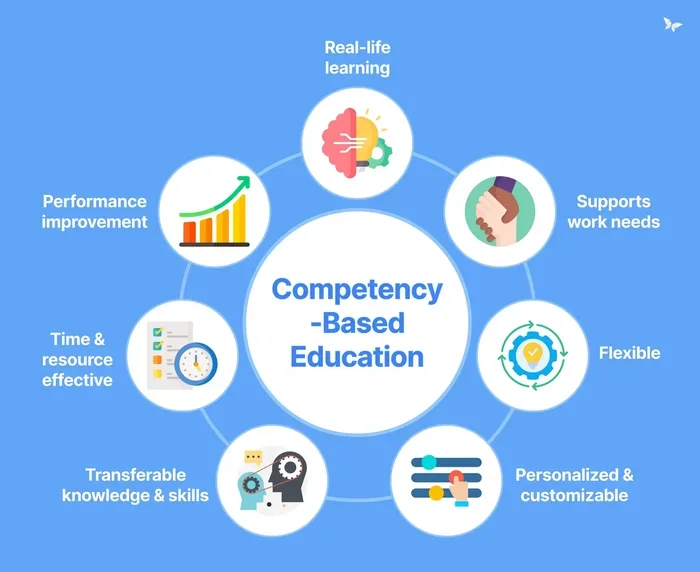
CBE in education stands for Competency-Based Education, a model where students advance by mastering skills rather than sitting through fixed class time. This approach puts learners in the driver’s seat, allowing flexible pacing and real-world skill building. Whether you are a student, teacher, or administrator, understanding CBE helps you see the future of learning clearly.
Education is changing fast, and one of the biggest shifts happening right now is the move toward CBE in education. CBE stands for Competency-Based Education, and it is turning the old school model on its head. Instead of spending a set number of months in a classroom, students progress by showing they have truly mastered a skill or subject. This approach is gaining steam in schools and universities across the country, and for good reason.
If you have ever felt stuck in a traditional class where everyone moves at the same speed, CBE might sound like a breath of fresh air. It gives students control over their own learning journey. Teachers act more like guides and mentors instead of lecturers. And the whole system focuses on real outcomes, not just seat time. In this article, we will break down everything you need to know about CBE in education, from how it works to why it matters.
The idea behind competency-based learning is simple but powerful. Students demonstrate what they know and can do. Once they reach a set level of mastery, they move on to the next challenge. This creates a personalized learning experience that respects each student’s unique pace and strengths. Let us dive deeper into how this model works and why so many educators are excited about it.
Key Takeaways
- Student-paced learning: CBE lets students move forward only after proving mastery, not after a set number of weeks.
- Flexible and personalized: Every learner gets a custom path that fits their needs and goals.
- Real-world focus: CBE emphasizes practical skills and job-ready outcomes over rote memorization.
- Growing popularity: More colleges and K-12 schools are adopting this model every year.
- Works for adult learners: CBE is especially powerful for working adults who need to balance education with life.
- Clear outcomes: Teachers and students both know exactly what success looks like at every step.
📑 Table of Contents
What Is CBE in Education?
CBE in education is a teaching model where advancement is based on demonstrated competence, not time spent in a chair. In a traditional system, a student might pass a class with a D-minus and still move to the next grade. In CBE, that student must prove they truly understand the material before advancing. This ensures no gaps in learning and builds a stronger foundation for future success.
The competency-based education model has roots that go back decades, but it has gained huge momentum in recent years. Universities like Western Governors University helped popularize it, and now many K-12 schools are exploring it too. The core idea remains the same: mastery matters more than minutes. When a student can show they have the skills and knowledge, they earn credit and move forward.
How CBE Differs from Traditional Education
The differences between CBE in education and traditional models are striking. Here are the key contrasts that set them apart.
- Time vs. Mastery: Traditional education uses fixed timelines. CBE uses demonstrated skill as the finish line.
- One-size-fits-all vs. Personalized: Traditional classes move at a set pace. CBE lets each student go at their own speed.
- Grades vs. Competency: Traditional systems rely heavily on letter grades. CBE focuses on whether a student has met specific learning outcomes.
- Teacher-led vs. Student-driven: In traditional classrooms, teachers direct the show. In CBE, students take the lead with teacher support.
These differences might seem small on paper, but they create a completely different experience for learners. When students know they must truly master a subject to move on, they engage more deeply. There is no gaming the system or coasting by on minimum effort. Every step forward is earned through real understanding.
How CBE in Education Works in Practice
Wondering how CBE in education actually plays out in a real classroom or program? The mechanics are straightforward, though the implementation can vary from school to school.
Setting Clear Competencies
Every CBE program starts with well-defined competencies. These are specific, measurable skills or knowledge areas that students must demonstrate. For example, in a competency-based degree program, a business course might require students to show they can analyze financial statements, create a marketing plan, and lead a team project. Each competency is broken down into clear, observable outcomes.
Teachers and faculty design these competencies carefully. They align them with real-world needs and industry standards. This ensures that students are not just memorizing facts but gaining skills that matter in the workplace. The learning outcomes are transparent from day one, so students always know what they are working toward.
Assessment and Progression
Assessment in CBE looks very different from traditional testing. Instead of a single high-stakes exam, students go through ongoing performance-based assessment. They might complete projects, present portfolios, or demonstrate skills in real scenarios. Each assessment is tied directly to a specific competency.
Students can retake assessments until they reach mastery. This removes the pressure of a one-shot test and encourages a growth mindset. Progression happens when a student meets the defined standard. Some students might breeze through certain areas quickly, while others take more time. Both paths are valid in the CBE learning model.
The Role of Technology
Technology plays a big role in making CBE work smoothly. Learning management systems track student progress, manage competencies, and store assessment records. Digital tools allow students to access materials anytime, which supports the flexible pacing that makes CBE so appealing. Many programs also use adaptive learning software that adjusts to each student’s level in real time.
For schools just starting with CBE, technology can feel overwhelming. But the right tools make a huge difference. They handle the tracking and reporting so teachers can focus on what matters most: guiding and supporting students. The educational technology available today makes competency-based programs more scalable than ever before.
Benefits of CBE in Education
The benefits of competency-based education are one of the main reasons this model is growing so fast. Let us look at the biggest advantages for students, educators, and institutions.
For Students
- Flexibility: Students can accelerate through material they already know. This saves time and money.
- Personalization: Each learner follows a path that matches their strengths and needs.
- Real-world readiness: CBE focuses on skills that employers actually want, boosting career readiness.
- Clear milestones: Students always know exactly where they stand and what they need to do next.
- Support for adult learners: Working professionals can earn credentials at their own pace without putting life on hold.
For Educators
- Deeper engagement: Teachers spend less time managing behavior and more time mentoring.
- Better data: Ongoing assessment gives a clear picture of each student’s progress.
- Creative freedom: Educators can design meaningful projects and experiences instead of just lecturing.
For Institutions
- Higher retention: Students who feel supported and in control are more likely to stay enrolled.
- Stronger outcomes: Graduates from CBE programs often show stronger practical skills.
- Differentiation: Offering CBE sets a school apart in a competitive education landscape.
Challenges and Common Mistakes with CBE
No educational model is perfect, and CBE in education comes with its own set of challenges. Being aware of these helps schools and students navigate them more effectively.
Common Mistakes Schools Make
- Vague competencies: If learning outcomes are not clearly defined, students and teachers both get confused. Specificity is everything in a competency-based system.
- Underestimating faculty training: Teachers need proper support to shift from traditional instruction to mentoring and competency-based assessment. Without training, the transition feels rocky.
- Ignoring student support: Flexibility is great, but some students struggle with self-direction. Schools must provide strong advising and mentorship alongside the competency-based learning framework.
- Overcomplicating assessment: Performance-based assessment should be meaningful, not overly complex. Keeping it practical and relevant makes a big difference.
Quick Tips for Success
- Start small. Pilot CBE in one program or department before rolling it out school-wide.
- Invest in clear communication. Make sure every stakeholder understands how CBE works and why it matters.
- Use data wisely. Track student progress regularly and adjust the program based on real results.
- Build a support network. Connect with other institutions that have successfully implemented competency-based education to learn from their experiences.
Who Benefits Most from CBE in Education?
CBE in education is not a one-size-fits-all solution, but certain groups benefit especially well from this approach. Understanding who gains the most helps schools target their efforts effectively.
Adult Learners and Working Professionals
Adult learners often juggle jobs, families, and education all at once. The flexible pacing of CBE is a game-changer for this group. They can spend less time on subjects they already know and focus more energy on areas where they need growth. This makes earning a degree or credential much more realistic for busy professionals.
Many CBE degree programs are designed specifically with adult learners in mind. They offer prior learning assessment, which gives credit for skills and knowledge gained through work experience. This recognition saves time and money and validates the expertise that adults have already built.
Career Changers
People looking to switch careers also find competency-based education very appealing. CBE focuses on practical, job-ready skills. A career changer can quickly prove what they know and spend their energy on learning exactly what they need for a new field. The workforce readiness focus of CBE aligns perfectly with the goals of career changers.
Students Who Struggle in Traditional Settings
Not every student thrives in a traditional classroom. Some need more time to grasp concepts, while others feel bored and held back. CBE removes the pressure of keeping up with the class and gives every student room to succeed on their own terms. This makes it a powerful option for personalized learning and inclusive education.
The Future of CBE in Education
The future of CBE in education looks bright. More institutions are exploring this model every year, and the demand for flexible, skills-focused learning continues to grow. As technology advances, CBE programs will become even more accessible and effective.
Employers are also starting to recognize the value of competency-based credentials. When a hiring manager sees that a candidate mastered specific skills through a CBE program, they know that person can actually do the job. This growing acceptance is fueling the expansion of competency-based learning across all levels of education.
Some experts predict that CBE will become a standard option alongside traditional models within the next decade. The educational innovation driving this shift is not just about technology. It is about rethinking what learning looks like and who it serves. As more schools embrace this approach, students everywhere will benefit from a more flexible, fair, and effective system.
Change can be hard, but it can also be incredibly rewarding. The shift toward CBE in education is not just a trend, it is a fundamental reimagining of how we think about learning. And that is something worth paying attention to.
Much like how we use similes for education to draw creative comparisons between learning experiences, CBE draws a new comparison between effort and outcome, making the connection between learning and real skill unmistakably clear. Similarly, the way we talk about educational transformation is evolving, and the idioms for education are shifting to reflect this new reality where mastery, not time, defines success.
Conclusion
CBE in education represents a powerful shift in how we think about teaching and learning. By focusing on demonstrated mastery instead of seat time, it creates a more fair, flexible, and practical system for students of all ages. The benefits are clear, from personalized pacing to real-world skill building. Yes, there are challenges, but the growing body of success stories makes a strong case for this model.
Whether you are a student exploring your options, a teacher looking for a better approach, or an administrator planning for the future, competency-based education deserves your attention. The landscape of learning is evolving, and CBE is leading the way. Embrace the change, and you might just discover a better path to success.
Frequently Asked Questions
What does CBE stand for in education?
CBE stands for Competency-Based Education. It is a learning model where students advance by demonstrating mastery of specific skills and knowledge, rather than by completing a set amount of class time. The focus is on real outcomes and practical abilities.
How is CBE different from traditional education?
Traditional education moves students forward based on time spent in class, while CBE moves students forward based on demonstrated competence. In CBE, students can learn at their own pace, retake assessments, and earn credit for what they already know. This makes the experience more personal and practical.
Is CBE only for higher education?
No, CBE is used at both the K-12 and higher education levels. Many universities offer CBE degree programs, and a growing number of K-12 schools are adopting competency-based models too. The approach works for learners of all ages and backgrounds.
Can working adults benefit from CBE?
Absolutely. CBE is especially well-suited for working adults because of its flexible pacing and focus on practical skills. Adults can accelerate through material they already know and spend more time on new concepts. Prior learning assessment also gives credit for work experience, saving time and money.
What are the main challenges of implementing CBE?
The biggest challenges include defining clear competencies, training faculty for a new role, and providing enough student support. Technology also plays a key role, and schools need reliable systems to track progress. Starting small and planning carefully helps schools overcome these hurdles.
What skills does CBE focus on developing?
CBE focuses on practical, job-ready skills and measurable learning outcomes. These can include critical thinking, problem-solving, technical abilities, and communication skills. Each competency is designed to prepare students for real-world demands in their chosen field or career path.
=== INTERNAL LINKS ===
As you explore different approaches to learning, you might also enjoy reading about similes for education that creative teachers use to explain complex ideas. If you are interested in how language shapes the way we think about school and growth, check out common idioms for education that capture the spirit of learning. For those going through a major shift in how they approach knowledge and teaching, our guide on metaphors for change in life offers powerful ways to describe transformation.


