
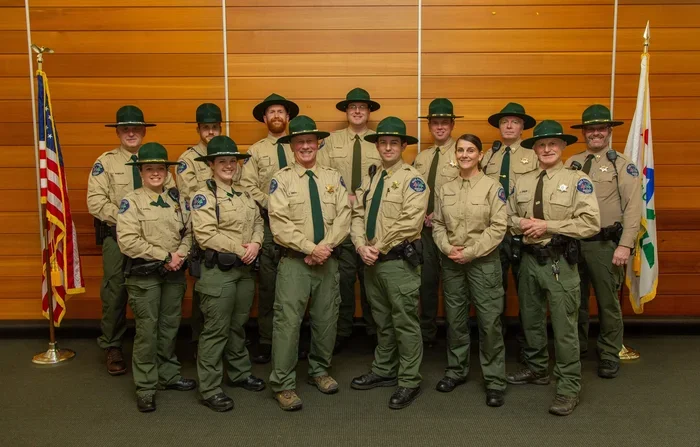
To become a park ranger, you typically need at least an associate or bachelor’s degree in fields like natural resources, environmental science, or forestry. Many positions also require relevant experience, physical fitness, and specialized certifications. Whether you dream of working in a national park or a state park, the right education and training can open the door to an exciting career protecting nature and helping visitors.
Have you ever dreamed of spending your days surrounded by towering trees, fresh mountain air, and visitors eager to explore nature? Becoming a park ranger might be the perfect career for you. But before you lace up your hiking boots, there is one important question to answer: what education do you need to be a park ranger?
The good news is that you do not need a PhD to get started. Many aspiring rangers begin with a two-year degree or even a high school diploma paired with hands-on experience. However, the more education you have, the more opportunities open up. In this guide, we will walk you through every step of the education journey for park rangers. You will learn about degree options, certifications, and tips that will help you land your dream job.
Whether you are a high school student planning ahead or someone looking to switch careers, this article covers everything you need to know. We will break down the different types of park ranger roles, the best degrees to pursue, and how to stand out in a competitive job market. Let us dive in.
Key Takeaways
- A degree is often required: Most park ranger positions prefer or require at least an associate’s degree, with bachelor’s degrees opening more doors.
- Multiple fields count: Environmental science, forestry, wildlife management, and natural resources are all strong choices.
- Experience matters as much as education: Seasonal ranger roles, internships, and volunteer work build your resume significantly.
- Certifications boost your chances: CPR, first aid, and law enforcement training are valuable additions to your qualifications.
- Physical fitness is essential: Park rangers need to pass medical and fitness standards, regardless of their education level.
- Different ranger roles exist: Interpretive rangers, law enforcement rangers, and seasonal rangers each have unique education paths.
- Start early and plan ahead: High school coursework in biology, ecology, and outdoor skills gives you a head start.
📑 Table of Contents
- What Education Do You Need to Be a Park Ranger
- Best Degrees for Aspiring Park Rangers
- Types of Park Ranger Roles and Their Education Needs
- Certifications and Additional Training
- How to Stand Out in the Park Ranger Job Market
- Common Mistakes to Avoid When Pursuing Park Ranger Education
- Expert Insights on Park Ranger Education
- Conclusion
What Education Do You Need to Be a Park Ranger
The short answer is that there is no single path. Park ranger education requirements vary depending on the agency, the location, and the specific role you want. The National Park Service (NPS), state park systems, and local recreation areas all have different standards. However, most positions share some common educational expectations.
At the minimum, many entry-level park ranger jobs require a high school diploma or GED. But to compete for the best roles, you will want to go further. An associate degree (two years) qualifies you for many seasonal and interpretive ranger positions. A bachelor’s degree (four years) opens doors to permanent, full-time positions with higher pay and more responsibility.
Some advanced roles, especially those involving law enforcement or specialized management, may prefer or require a master’s degree. But for most people starting out, a bachelor’s degree is the sweet spot. It gives you the knowledge, credibility, and career mobility you need without taking too much time away from the outdoors you love.
Why Education Matters for Park Rangers
You might wonder why education matters so much for a job that is all about being outside. The truth is that modern park rangers do much more than lead nature walks. They manage wildlife, enforce laws, handle emergency situations, and protect natural resources. All of that requires a solid foundation of knowledge.
Think of it this way. A park ranger needs to understand ecology, geology, history, and even basic law. That is a lot of ground to cover! Formal education gives you the tools to handle all of these responsibilities with confidence. It also shows employers that you are serious about the profession and capable of handling complex tasks.
Many parks also use educational programs to teach visitors about conservation and nature. A well-educated ranger can deliver these programs more effectively. So your degree does not just help you get hired. It helps you do the job well once you are on the trail.
Best Degrees for Aspiring Park Rangers
Not all degrees are created equal when it comes to park ranger careers. Some fields are directly relevant, while others can still serve you well if you choose the right electives. Here are the most popular and respected degree paths for future park rangers.
Environmental Science
This is one of the top choices for aspiring rangers. An environmental science degree covers ecology, pollution control, resource management, and sustainability. You will learn how ecosystems work and how human activity affects the natural world. This knowledge is essential for anyone tasked with protecting park lands.
Forestry
Forestry degrees focus on the management and conservation of forests and woodlands. If you want to work in a forested park, this is an excellent option. You will study tree biology, forest health, wildfire management, and timber harvesting practices. Many park rangers with forestry backgrounds go on to specialize in wildfire prevention and forest restoration.
Wildlife Management and Biology
If animals are your passion, consider a degree in wildlife management or wildlife biology. These programs teach you about animal behavior, habitat conservation, and species protection. You will be well-equipped to manage wildlife populations within park boundaries and respond to human-wildlife conflicts.
Natural Resources and Conservation
A degree in natural resources gives you a broad foundation that covers everything from water management to land use planning. This versatility is a big advantage in the park ranger field. You will understand how different natural systems connect and how to balance conservation with public recreation.
Parks and Recreation Management
This degree is more directly tied to the park ranger profession. It focuses on managing recreational areas, designing visitor programs, and overseeing park operations. If your goal is to work in visitor services or park administration, this could be the ideal choice.
Related Fields That Work Too
You are not limited to the degrees listed above. Fields like geology, ecology, history, and even criminal justice can lead to park ranger careers. The key is to supplement your major with relevant coursework or experience. For example, a history major might focus on cultural heritage sites, while a criminal justice major might lean toward law enforcement ranger roles.
Types of Park Ranger Roles and Their Education Needs
Not all park rangers do the same job. The type of ranger you want to become will shape your education path. Here is a closer look at the most common roles.
Interpretive Ranger
Interpretive rangers educate visitors about a park’s natural and cultural history. They lead guided tours, give talks, and create educational programs. For this role, a degree in environmental science, education, or a related field is ideal. Strong communication skills matter just as much as academic credentials.
Many interpretive rangers start as seasonal workers and move into permanent positions as they gain experience. If you love teaching and storytelling, this could be your perfect fit.
Law Enforcement Ranger
Law enforcement rangers are the protectors of the park. They enforce park rules, investigate crimes, and ensure visitor safety. This role typically requires more education and training. Most agencies prefer candidates with at least a bachelor’s degree, often in criminal justice, natural resources, or a related field.
Law enforcement rangers must also complete a federal law enforcement training program. This usually happens after you receive a job offer. The training covers firearms handling, defensive tactics, and emergency response procedures.
Seasonal Ranger
Seasonal rangers work during peak visitor months, typically from spring through fall. These positions are a fantastic way to get started in the field. Education requirements are often lower for seasonal roles. A high school diploma combined with outdoor experience may be enough for some positions.
Seasonal work is also a great stepping stone. Many permanent rangers begin their careers in seasonal roles. You get hands-on experience, build connections, and learn the ropes before applying for full-time positions.
Wilderness Ranger
Wilderness rangers patrol remote backcountry areas. They maintain trails, monitor wildlife, and assist hikers in rugged terrain. This role demands physical fitness and a deep love for solitude and nature. A degree in forestry, wildlife management, or environmental science is highly valued for wilderness positions.
Certifications and Additional Training
A degree gets your foot in the door, but certifications can push you ahead. Many park ranger positions value candidates who go above and beyond the minimum education requirements. Here are some certifications that can strengthen your application.
First Aid and CPR Certification: Park rangers often work in remote areas where emergency services may be far away. Having current first aid and CPR credentials shows that you can handle medical emergencies. Most parks require this certification before you start working.
Wilderness First Responder (WFR): This is an advanced certification that goes beyond basic first aid. It covers extended care in remote settings. If you want to work as a wilderness ranger, a WFR credential is a huge asset.
Law Enforcement Training: For law enforcement ranger roles, you may need to complete a federal or state law enforcement academy. This training typically includes firearms proficiency, criminal law, and patrol procedures. Some agencies provide this training after hiring, while others expect you to have it already.
Driver’s License: This might sound basic, but many park ranger positions require a valid driver’s license. Some roles also require a clean driving record, especially if you will be operating park vehicles or responding to emergencies.
Interpretive Training: Several organizations offer interpretive guide certifications. The National Association for Interpretation (NAI) and the National Park Service both have programs. These certifications demonstrate your ability to educate and engage park visitors effectively.
How to Stand Out in the Park Ranger Job Market
Education alone will not guarantee you a job as a park ranger. The field is competitive, and many qualified candidates apply for the same positions. Here are some strategies to make your application shine.
Gain Hands-On Experience
Parks value candidates who already know what the job entails. Look for seasonal ranger positions, internships, or volunteer opportunities at local parks and nature centers. Even working as a camp host or trail maintenance volunteer can build your resume. Every hour spent outdoors in a park setting makes you a stronger candidate.
Build Relevant Skills
Beyond your degree, focus on developing practical skills. Learn how to navigate with a compass and map. Study wildlife tracking and plant identification. Get comfortable with outdoor survival techniques. The more skills you bring to the table, the more valuable you become to a hiring manager.
Strong communication skills are also critical. Park rangers constantly interact with the public. They answer questions, handle complaints, and deliver educational programs. If you can speak clearly and connect with people from all walks of life, you will stand out from the crowd.
Network with Professionals
Attend park ranger career fairs, join conservation organizations, and connect with current rangers on professional networking platforms. Many park ranger positions are filled through word of mouth and internal referrals. Building relationships in the field can give you a real advantage.
Consider Related Fields First
If you are not yet ready for a full degree, consider starting in a related field. Work as a conservation officer, a forestry technician, or an environmental educator. These roles build relevant experience and often lead to park ranger positions down the road.
Stay Physically Fit
Park ranger work is physically demanding. You may hike long distances, carry heavy equipment, and work in extreme weather. Maintaining good physical fitness is not just a nice-to-have. It is a job requirement. Many agencies require candidates to pass a physical fitness test as part of the hiring process.
Common Mistakes to Avoid When Pursuing Park Ranger Education
As you plan your education path, watch out for these common pitfalls.
- Choosing the wrong major: Not all degrees are equally useful. While any bachelor’s degree can qualify you for some positions, choosing a field directly related to natural resources gives you a clear advantage.
- Ignoring experience: A degree is important, but it is not everything. Many candidates have great grades but lack hands-on experience. Balance your studies with outdoor work and volunteer opportunities.
- Waiting too long to apply: Park ranger positions often have application windows that open only once or twice a year. Do not wait until you finish your degree to start applying. Seasonal positions may be available while you are still in school.
- Overlooking seasonal roles: Some people skip seasonal positions because they want permanent jobs right away. This is a mistake. Seasonal work builds your resume and often leads to permanent offers.
- Neglecting certifications: First aid, CPR, and interpretive training are relatively easy to obtain and they make a big difference. Do not overlook these credentials.
Expert Insights on Park Ranger Education
We spoke with several current park rangers about their education paths, and one common theme emerged: there is no single right way. Some rangers entered the field with just a high school diploma and years of seasonal experience. Others came in with advanced degrees in environmental science or forestry.
One ranger shared that her communication skills mattered more than her specific degree. “I studied environmental science, but honestly, the ability to talk to people and make them care about nature has been the most valuable skill in my career,” she said. Another ranger emphasized the importance of starting early. “I began volunteering at a state park during high school. That experience shaped my entire career path and helped me land my first permanent position,” he explained.
The bottom line is that your education is just one piece of the puzzle. Passion for the outdoors, physical fitness, practical skills, and a willingness to start at the bottom all matter. Combine these with the right degree, and you will be well on your way to a fulfilling career as a park ranger.
Conclusion
So, what education do you need to be a park ranger? The answer is flexible and welcoming to people at different stages of their lives. Whether you are just finishing high school or making a mid-career change, there is a path that works for you. An associate or bachelor’s degree in a relevant field gives you the strongest foundation. Pair that with certifications, hands-on experience, and a genuine love for nature, and you will be well prepared for this rewarding career.
Remember, park rangers do more than guard the land. They educate visitors, protect wildlife, and preserve natural spaces for future generations. It is a career that truly makes a difference. Start planning your education today, and take the first step toward a life spent doing work you love.
Whether your goal is to work in a national park, a state park, or a local recreation area, the journey starts with the right education. Choose a degree that excites you, gain as much experience as you can, and stay committed to your dream. The trails are waiting for you.
Frequently Asked Questions
What degree is best for becoming a park ranger?
Environmental science, forestry, wildlife management, and natural resources are among the best degrees. However, parks and recreation management and even biology or geology can also lead to park ranger careers. Choose a field that aligns with the type of park work you want to do.
Can I become a park ranger with just a high school diploma?
Yes, some entry-level and seasonal park ranger positions accept a high school diploma or GED. However, having a degree, even an associate’s, will significantly expand your opportunities and earning potential. Many rangers start with seasonal work and pursue their degree while working.
How long does it take to become a park ranger?
If you pursue a bachelor’s degree, it typically takes four years. Some people enter the field faster by starting as seasonal rangers with just a high school diploma and gaining experience on the job. The timeline depends on your education path and the specific agency you want to work for.
Do park rangers need law enforcement training?
Only law enforcement rangers need formal law enforcement training. Interpretive and seasonal rangers typically do not. However, all park rangers benefit from first aid and CPR certifications, which are often required by most agencies before you begin working.
What is the difference between a national park ranger and a state park ranger?
National park rangers work for the federal National Park Service and usually require more education and specialized training. State park rangers work for state agencies and may have slightly different education requirements. Both roles involve protecting natural areas and serving visitors, but the hiring processes and pay scales can differ.
Are there any online degree programs for aspiring park rangers?
Yes, many universities offer online degrees in environmental science, forestry, and natural resources. Online programs can be a great option if you need flexibility while working or gaining experience in the field. Just make sure the program is accredited and covers the coursework relevant to park management.


