
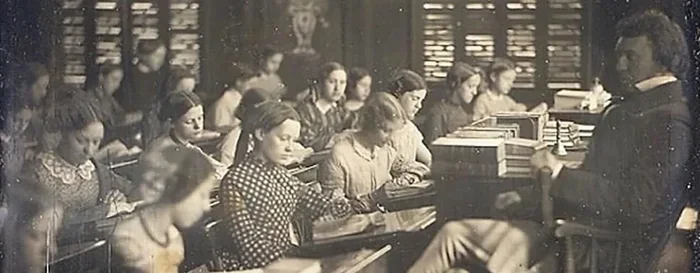
The education reform movement was a big push to improve schools and make learning fair for all students. It started in the 1800s and grew through many decades, shaping how we teach and learn today. This guide explains the movement in simple terms so anyone can understand its history and impact.
The education reform movement is one of the most important stories in American history. It is the story of people who believed every child deserved a good education. They worked hard to change laws, schools, and teaching methods. This movement shaped the way kids learn today. If you have ever wondered why schools look the way they do, the answer starts here.
In this article, we will break down the education reform movement in plain language. You will learn who led it, what they wanted, and how it changed schools forever. We will cover the big events, the key players, and the lasting effects. Whether you are a student, a parent, or just curious, this guide has something for you. Let us dive in and explore this fascinating topic together.
Key Takeaways
- Long History: The education reform movement began in the 1800s and continued through many waves of change.
- Equal Access: A core goal was to give every child, regardless of background, a chance to learn.
- Key Figures: Leaders like Horace Mann and John Dewey played major roles in shaping reform efforts.
- Lasting Impact: Many changes from the movement still affect how schools work today.
- Ongoing Journey: Education reform is not a one-time event but a continuous effort to improve learning.
📑 Table of Contents
- What Was the Education Reform Movement?
- Key Figures in the Education Reform Movement
- Major Goals of the Education Reform Movement
- Key Events and Milestones
- The Lasting Impact of the Education Reform Movement
- Common Mistakes People Make When Learning About Education Reform
- Quick Tips for Understanding Education Reform Today
- How Education Reform Connects to Broader Learning Tools
- Conclusion
What Was the Education Reform Movement?
The education reform movement was a broad effort to improve public schools. It aimed to make education better, fairer, and more available to everyone. The movement started in the early 1800s in the United States. At that time, many children had no access to school at all. Poor families, girls, and minority groups were often left out.
Reformers believed that education was the key to a better life. They wanted to build a system where every child could learn. This meant changing laws, training teachers, and creating new teaching methods. The movement was not just about one idea. It was a long journey with many phases and goals.
Why Did the Movement Start?
Before the reform movement, schooling was very different. Rich families hired private tutors. Poor families often could not afford to send their children to school. Many kids worked in factories or on farms instead of learning in classrooms. The education reform movement grew out of this unfair reality.
People began to see that an uneducated population hurt the whole country. Workers needed basic skills. Citizens needed to understand their rights. Communities needed shared values. Schools seemed like the best place to build all of this. So reformers set out to make school a right, not a privilege.
Key Figures in the Education Reform Movement
No big movement succeeds without strong leaders. The education reform movement had many passionate people who pushed for change. Some became famous. Others worked quietly behind the scenes. Each played a vital role in shaping the future of schooling.
Horace Mann: The Father of American Public Schools
Horace Mann is one of the most well-known names in education history. He was a leader in Massachusetts in the 1830s and 1840s. Mann believed that every child deserved a free public education. He worked to create a system of common schools that all children could attend.
Mann also pushed for better teacher training. He knew that good teachers were the heart of good schools. He traveled across the state giving speeches and writing letters. His efforts helped set the standard for public education in the United States. Many people call him the father of the American public school system.
John Dewey: The Progressive Thinker
John Dewey came a bit later, in the late 1800s and early 1900s. He was a philosopher and educator. Dewey believed that learning should be hands-on and connected to real life. He did not like the old way of memorizing facts and sitting quietly at desks.
Dewey wanted schools to focus on critical thinking and problem-solving. He believed students learned best by doing. His ideas helped shape the progressive education movement. Many modern teaching methods still follow his principles today. Dewey showed that the education reform movement was not just about access. It was also about quality.
Other Important Reformers
There were many other people who contributed to the education reform movement. Some focused on specific groups or issues. Here are a few notable names:
- Maria Montessori: She developed a child-centered approach to learning that is still used worldwide today.
- Booker T. Washington: He fought for educational opportunities for African Americans in the post-Civil War era.
- Mary McLeod Bethune: She worked tirelessly to improve education for Black students and women.
- Friedrich Froebel: He introduced the concept of kindergarten, which changed early childhood education forever.
Major Goals of the Education Reform Movement
The education reform movement had several clear goals. These goals guided the efforts of reformers for decades. Let us look at the main ones.
Goal 1: Universal Access to Education
The first and biggest goal was to make school available to all children. Before the movement, many kids never set foot in a classroom. Reformers worked to pass laws that required children to attend school. They wanted to end child labor and give kids a chance to learn.
This goal also meant building more schools in rural areas. Poor communities needed places for children to study. The education reform movement pushed for tax-funded schools that did not charge tuition. This was a huge step toward fairness.
Goal 2: Better Teacher Training
Reformers knew that teachers made all the difference. They pushed for special training programs for educators. Before the movement, many teachers had very little formal education themselves. The reformers changed that by creating normal schools, which were early teacher training colleges.
They also fought for higher pay and better working conditions for teachers. They believed that respected teachers would teach better. This focus on teacher training helped raise the quality of education across the country.
Goal 3: Updated Curriculum and Teaching Methods
The old way of teaching was very rigid. Students memorized facts and repeated them back. Reformers wanted a more engaging approach. They pushed for subjects like science, art, and physical education. They also wanted teaching to be more interactive and student-friendly.
This goal connected directly to the ideas of John Dewey and others. They believed that learning should be meaningful. Students should not just memorize information. They should understand it and use it. This shift in curriculum reform changed classrooms forever.
Goal 4: Education Equity and Inclusion
Over time, the education reform movement grew to focus on equity. Reformers realized that access alone was not enough. Schools needed to be fair and welcoming to all. This meant addressing segregation and discrimination.
Later reformers fought for equal resources for schools in poor neighborhoods. They pushed for programs that supported students with disabilities. They also worked to include diverse voices and histories in the curriculum. The push for education equity continues to this day.
Key Events and Milestones
The education reform movement was marked by several important events. These milestones helped turn ideas into real change. Let us look at some of the most significant ones.
The Common School Movement (1830s-1840s)
The common school movement was one of the earliest and most important phases of the reform effort. Horace Mann and others fought for free, public schools in every community. Massachusetts passed the first compulsory education law in 1852. Other states followed over the next few decades.
This period laid the foundation for the modern public school system. It established the idea that education was a public responsibility, not just a private matter. The education reform movement gained real momentum during this time.
The Progressive Education Era (1890s-1930s)
The progressive education era brought new ideas about how children learn. John Dewey and other thinkers led this phase. Schools began to focus more on hands-on activities and group work. The goal was to prepare students for life, not just for tests.
This era also saw the growth of high schools across the country. More students had access to secondary education than ever before. The education reform movement expanded its reach during this period.
The Civil Rights Era and School Desegregation (1950s-1960s)
The civil rights movement brought new energy to education reform. The landmark Brown v. Board of Education decision in 1954 declared school segregation unconstitutional. This was a huge victory for the education reform movement.
Reformers continued to push for equal funding and resources for all schools. They fought against discriminatory practices that held back minority students. This era showed that the movement was far from over. New challenges required new solutions.
No Child Left Behind and Modern Reform (2000s-Present)
In 2001, the No Child Left Behind Act was passed. It aimed to raise standards and improve educational outcomes for all students. The law required regular testing to measure student progress. Supporters said it helped hold schools accountable.
Critics pointed out that the law had flaws. Some felt it put too much pressure on testing. Others worried it hurt creative teaching. The debate continues today. Modern reformers are exploring new approaches like personalized learning and technology integration. The education reform movement is still very much alive.
The Lasting Impact of the Education Reform Movement
The education reform movement has left a deep mark on American society. Its effects can be seen in almost every aspect of modern schooling. Let us look at some of the most important impacts.
Higher Literacy Rates
One of the biggest achievements of the reform movement was a rise in literacy. When more children attended school, more people learned to read and write. This had a ripple effect across the entire nation. A literate population is better equipped for jobs, civic participation, and personal growth.
Stronger Public School Systems
The reform movement built the foundation for today’s public school systems. Tax-funded schools, compulsory attendance laws, and teacher training programs all came from this era. These structures continue to serve millions of students every year. The education reform movement made sure that schools were a public institution for the public good.
Broader View of Learning
Modern education is much more than reading and math. Students today learn about science, art, physical education, and social skills. This broader view of learning came directly from the reform movement. The push for a well-rounded education has shaped how schools design their programs.
Even the way we think about similes for education and metaphors for education reflects this broader perspective. Language about learning has evolved alongside the reform movement itself. Educators now use creative tools to engage students in new ways.
Ongoing Conversations About Equity
The fight for education equity is not finished. The reform movement opened the door, but many challenges remain. Gaps in funding, resources, and opportunities still exist. Today’s reformers build on the work of those who came before them. The education reform movement taught us that improvement is a never-ending journey.
Common Mistakes People Make When Learning About Education Reform
There are some common misunderstandings about the education reform movement. Let us clear a few of them up.
- Mistake 1: Thinking It Was One Event. The reform movement was not a single moment in time. It was a long, ongoing process with many phases and leaders.
- Mistake 2: Believing It Only Affected Urban Schools. The movement impacted rural, suburban, and urban schools alike. Its goals were national in scope.
- Mistake 3: Assuming the Work Is Done. Education reform continues today. New challenges keep emerging, and new solutions are always needed.
- Mistake 4: Ignoring the Role of Students. Students are not just passive recipients of reform. They are active participants in shaping their own learning experiences.
Quick Tips for Understanding Education Reform Today
Want to stay informed about the education reform movement and its modern forms? Here are some quick tips:
- Read local education news. School board decisions affect your community directly.
- Follow education policy updates. Laws and funding decisions shape how schools operate.
- Talk to teachers and parents. They see the impact of reform efforts every day.
- Explore historical resources. Books and documentaries can deepen your understanding of the movement.
- Stay curious. Education is always evolving, and there is always more to learn.
How Education Reform Connects to Broader Learning Tools
The education reform movement did not just change schools. It also influenced how we think about learning tools and methods. For example, the movement encouraged creative approaches to teaching. This led to the development of new ways to explain ideas.
Tools like similes for education help teachers explain complex topics in simple ways. Similarly, metaphors for education make abstract concepts more concrete. These language tools became more popular as the reform movement pushed for better teaching methods. They are a direct result of the desire to make learning clearer and more engaging.
Reformers also valued the power of language itself. They believed that strong communication skills were essential for every citizen. This belief led to a greater emphasis on reading, writing, and expression in schools. The education reform movement understood that words have power. And it worked to make sure every student could use that power.
Today, educators continue to use creative language tools to reach students. The legacy of the reform movement lives on in every classroom. It reminds us that good teaching requires both content and creativity. The movement showed us that education is not just about facts. It is about inspiring minds.
Conclusion
The education reform movement is a powerful story of people coming together to improve schools. From the common school era to modern policy debates, the movement has shaped education in profound ways. It fought for access, quality, and equity. It produced leaders who changed the course of history. And its effects are still felt in classrooms across the country today.
Understanding this movement helps us appreciate the schools we have now. It also reminds us that improvement never stops. The work of education reform is ongoing. Every generation faces new challenges and new opportunities. By learning from the past, we can build a better future for all students. The education reform movement proved that when people care enough to act, real change is possible.
Take what you have learned here and share it with others. Talk about the history of education reform in your community. Encourage young people to value their education. The legacy of the reformers lives on in every student who walks through a school door. And it will continue to inspire change for generations to come.
Frequently Asked Questions
What was the main purpose of the education reform movement?
The main purpose was to improve schools and make education available and fair for all children. Reformers wanted to end inequality and give every student a chance to learn.
Who is considered the leader of the education reform movement?
Horace Mann is often called the leader of the early education reform movement. He championed free public schools and better teacher training across the United States.
When did the education reform movement take place?
The movement began in the early 1800s and continues to this day. It has gone through many phases, from the common school era to modern policy reforms.
How did the education reform movement affect modern schools?
The movement created the foundation for today’s public school systems. It established compulsory education, teacher training, and the idea that schooling should be available to all children.
Is education reform still happening today?
Yes, education reform is a continuous process. Modern reformers work on issues like funding equity, testing standards, and technology in the classroom.
What role did creative teaching tools play in the reform movement?
Creative tools like similes for education and metaphors for education became more popular as reformers pushed for engaging and effective teaching methods. They helped make learning more accessible and fun.
=== CONCLUSION ===
The education reform movement is one of the most important chapters in the story of American education. It reminds us that schools can always be better. And that improving them takes courage, vision, and teamwork. We hope this guide has helped you understand the movement in a clear and simple way. Share it with anyone who wants to learn more about how schools became what they are today. The journey of education reform is far from over, and every one of us has a role to play in shaping its future.


