
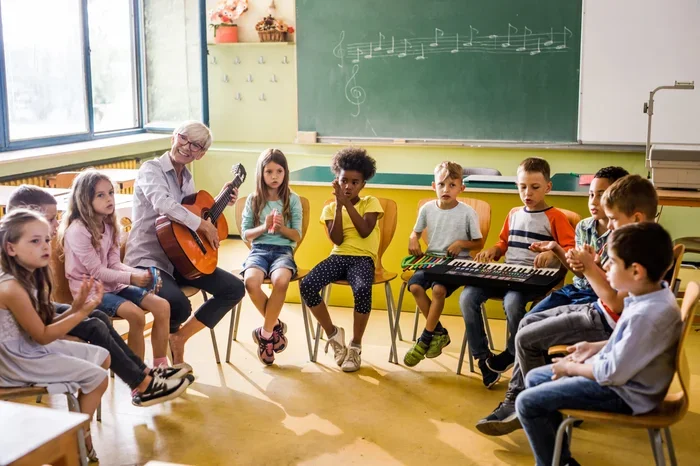
Music education is the process of learning musical skills, theory, and appreciation through structured or informal teaching. It plays a vital role in brain development, creativity, and academic success for people of all ages. In today’s fast-paced world, music education offers a powerful way to build focus, confidence, and emotional intelligence that last a lifetime.
Key Takeaways
- Music education builds cognitive skills: It strengthens memory, attention, and problem-solving abilities in learners of all ages.
- It supports academic success: Students involved in music programs often perform better in math, reading, and science.
- It is accessible to everyone: You can start music learning at any age, whether through instruments, voice, or digital tools.
- It fosters emotional growth: Musical training helps with self-expression, stress relief, and building social connections.
- Multiple formats exist: From school classrooms to online courses, there is a music education option for every lifestyle and budget.
- It is a lifelong journey: The skills and joy gained from musical training stay with you forever.
📑 Table of Contents
- What Is Music Education and Why Does It Matter?
- The Many Benefits of Music Education
- Types of Music Education
- How Music Education Shapes Young Minds
- Music Education for Adults: Never Too Late to Start
- Common Challenges in Music Education
- Tips for Getting Started with Music Education
- The Future of Music Education
- Music Education and Cultural Awareness
- Conclusion
What Is Music Education and Why Does It Matter?
So, what exactly is music education? At its core, it is the teaching and learning of musical skills, knowledge, and appreciation. This can include playing instruments, singing, understanding rhythm, reading sheet music, and even composing original pieces.
Music education is not just for future rock stars or professional performers. It is for anyone who wants to explore the world of sound, build new skills, and enjoy the many rewards that come with musical learning. Whether you are a parent looking for enrichment for your child or an adult wanting to pick up a new hobby, music learning has something valuable to offer.
In today’s world, where screens dominate attention and stress levels are high, music education provides a much-needed balance. It engages the brain in unique ways. It builds discipline. And it opens doors to creativity that few other subjects can match. Let us dive into why this field is so important right now.
The Many Benefits of Music Education
It Boosts Brain Development
Research shows that musical training actively shapes the brain. When you learn to play an instrument or sing in tune, multiple brain regions work together at the same time. This strengthens neural connections and improves overall brain function.
For children, this is especially powerful. Young brains are still developing, and music education helps build pathways related to language, memory, and spatial reasoning. Studies have found that kids who participate in music programs tend to score higher on standardized tests and show stronger reading skills.
But the benefits are not just for kids. Adults who start music learning later in life also see improvements in memory, attention, and even mental health. It is truly a gift that keeps giving, no matter your age.
It Enhances Academic Performance
One of the most compelling reasons to support music education is its link to better academic results. Students who study music regularly tend to perform well in subjects like math and science. This is not a coincidence.
Music teaches pattern recognition, sequencing, and logical thinking. These are the same skills needed to solve complex math problems or understand scientific concepts. When a child learns to read rhythm or follow a musical score, they are also building the cognitive foundations needed for academic success.
Teachers and parents have long noticed this connection. Schools with strong arts education programs often see higher graduation rates and better overall student engagement. Music education is not a distraction from academics. It actually supports and enhances learning across the board.
It Builds Emotional Intelligence
Music is deeply emotional. When you learn to play a sad song or sing a joyful melody, you are exploring feelings in a safe and constructive way. Music education helps people of all ages develop emotional awareness and expression.
For children, this can be a game-changer. Many kids struggle to put their feelings into words. Music gives them a different language. It allows them to express joy, sadness, excitement, and calm through sound. This builds empathy and self-awareness over time.
For adults, playing music or singing can be a powerful stress reliever. It provides an emotional outlet that is both healthy and fulfilling. In a world that often feels overwhelming, musical training offers a space to breathe, reflect, and reconnect with yourself.
Types of Music Education
Formal Music Education in Schools
School-based music education is one of the most common forms. This includes band classes, choir, orchestra, and general music courses. These programs are typically led by trained teachers and follow a structured curriculum.
In a typical school music class, students might learn to play the recorder, sing in harmony, or explore basic music theory. They also get exposure to different genres and cultures through music. This kind of structured learning provides a solid foundation for anyone interested in pursuing music further.
However, school music programs face challenges. Budget cuts, lack of instruments, and overcrowded classrooms can limit their effectiveness. This is why many parents and communities are stepping up to fill the gaps through private lessons and community programs.
Private Instrument and Voice Lessons
Private lessons offer a personalized approach to music education. Whether it is piano, guitar, violin, or voice, one-on-one instruction allows students to progress at their own pace. A good teacher can tailor lessons to match the student’s interests and skill level.
These lessons are ideal for students who want to focus on a specific instrument or vocal style. They also work well for adults who have busy schedules and need flexible timing. Many teachers now offer both in-person and online instrumental lessons, making music learning more accessible than ever.
Community Music Programs and Workshops
Community programs bring people together through shared music education experiences. These might include local choirs, community bands, drumming circles, or youth orchestras. They are often affordable and open to all skill levels.
What makes community programs special is the social aspect. Participants not only build music skills but also form lasting friendships and a sense of belonging. For many people, this is where the love of music truly takes root. It is a welcoming space where everyone is encouraged to grow and have fun.
Online and Digital Music Learning
The rise of online platforms has transformed music education in recent years. Apps, video courses, and interactive websites now make it possible to learn an instrument from home. This has opened doors for people who may not have access to local teachers or programs.
Online music learning offers flexibility and affordability. You can practice at your own pace, replay lessons, and choose from a vast range of topics. From beginner basics to advanced techniques, there is something for everyone in the digital space.
How Music Education Shapes Young Minds
Improving Focus and Discipline
Learning music requires patience and consistent practice. When a child sits down to rehearse scales or work on a new piece, they are building focus and discipline. These are skills that carry over into every area of life, from schoolwork to future careers.
Music education teaches students that progress comes through effort. You do not master a song overnight. You practice, you make mistakes, and you keep trying. This growth mindset is one of the most valuable lessons musical training can provide.
Fostering Creativity and Self-Expression
Creativity is at the heart of music education. When students improvise, compose, or interpret a piece, they are using their imagination. This kind of creative thinking is essential in today’s world, where innovation and original thought are highly valued.
Music also gives young people a safe way to express themselves. Not every child feels comfortable speaking their feelings aloud. Through music learning, they can communicate emotions, tell stories, and share their unique voice with the world. This builds confidence and a strong sense of identity.
Music Education for Adults: Never Too Late to Start
One of the biggest myths about music education is that it is only for children. The truth is, adults can benefit just as much from musical training. Whether you always wanted to play guitar, learn piano, or join a community choir, it is never too late to begin.
Adults who engage in music learning often report reduced stress, improved mood, and a greater sense of accomplishment. Picking up a new instrument keeps the brain active and sharp. It also provides a creative outlet that is both relaxing and rewarding.
Many community centers, online platforms, and local music stores offer classes designed specifically for adult learners. The key is to find a format that fits your schedule and goals. Even just 15 to 20 minutes of practice a day can lead to meaningful progress over time.
Common Challenges in Music Education
Lack of Funding and Resources
One of the biggest obstacles facing music education today is a lack of funding. Many schools have had to cut music programs due to tight budgets. This leaves students with fewer opportunities to explore their musical interests during the school day.
Instruments can be expensive. Sheet music costs money. And qualified music teachers are often underpaid and underappreciated. These challenges make it harder for music programs to thrive, especially in under-resourced communities.
Finding the Right Teacher or Program
Not all music education experiences are created equal. Finding a teacher who understands your goals, learning style, and skill level can be a challenge. A poor match can lead to frustration and even cause someone to give up on music learning altogether.
The solution is to take your time when choosing a teacher or program. Ask for recommendations. Read reviews. And most importantly, trust your instincts. The right teacher will inspire you, challenge you, and make the learning process enjoyable.
Tips for Getting Started with Music Education
- Start with your interests. Pick an instrument or style of music that excites you. When you are passionate about what you are learning, practice feels less like a chore and more like a joy.
- Set realistic goals. Do not expect to play like a concert pianist after one week. Set small, achievable goals and celebrate your progress along the way.
- Practice consistently. Short daily practice sessions are more effective than long, infrequent ones. Even 15 minutes a day adds up quickly.
- Explore different formats. Try school programs, private lessons, community groups, and online courses to find what works best for you.
- Be patient and kind with yourself. Every musician, no matter how skilled, started as a beginner. Embrace the journey and enjoy the process of growth.
The Future of Music Education
The world of music education is constantly evolving. Technology is playing a bigger role than ever before. Apps that teach music theory, virtual reality practice environments, and AI-powered feedback tools are making music learning more engaging and accessible.
There is also a growing recognition of how important arts education is for overall development. More schools and communities are investing in music programs because they see the real impact on students’ lives. The future looks bright for anyone who wants to learn, teach, or support music education in any form.
As we move forward, it is important to remember that music education is about more than just notes and rhythms. It is about building better, more connected, and more creative communities. When we invest in musical learning, we invest in the future.
Music Education and Cultural Awareness
Music is a universal language that connects people across cultures and borders. Through music education, students learn about different musical traditions from around the world. They discover how rhythm, melody, and harmony vary across cultures.
This exposure builds cultural awareness and appreciation. It teaches respect for diversity and helps break down barriers. When a student learns to play African drums, Indian classical music, or Latin American rhythms, they gain a deeper understanding of the world around them.
Music education also preserves cultural heritage. Traditional songs and instruments carry the stories and history of communities. By teaching these in schools and programs, we ensure that future generations can appreciate and carry forward these musical traditions.
For those interested in exploring the rich language of music further, you might enjoy our guides on idioms for music, metaphors for music, and similes for music. These resources offer fun and insightful ways to deepen your understanding of musical language and expression.
Conclusion
Music education is one of the most valuable and rewarding forms of learning available today. It strengthens the brain, supports academic success, builds emotional intelligence, and fosters creativity in people of all ages. Whether you are a child just starting out or an adult picking up an instrument for the first time, the benefits of music learning are real and lasting.
The world needs more people who understand and appreciate music. By investing in music education, we are not just teaching notes and rhythms. We are shaping brighter, more expressive, and more connected human beings. So take that first step today. Your musical journey awaits.
Frequently Asked Questions
What does music education include?
Music education covers a wide range of topics, including playing instruments, singing, reading music notation, understanding rhythm, learning music theory, and exploring different musical genres. It can happen in schools, private lessons, community programs, or online platforms.
At what age can a child start music education?
Children can begin music education as early as age three or four through playful, age-appropriate activities like singing games and simple percussion. More structured lessons, such as piano or violin, typically start around age five to seven, depending on the child’s readiness and interest.
Is music education important for adults too?
Absolutely. Music learning benefits adults just as much as children. It improves cognitive function, reduces stress, boosts creativity, and provides a meaningful creative outlet. It is never too late to start your music education journey.
How does music education affect academic performance?
Studies show that students involved in music programs tend to perform better in math, reading, and science. Musical training strengthens skills like pattern recognition, memory, and logical thinking, which directly support academic learning across subjects.
Can I learn music without a teacher?
Yes, many people successfully learn through online courses, apps, and self-guided practice. However, working with a qualified teacher can accelerate your progress and help you avoid developing bad habits. The best approach depends on your goals, budget, and learning style.
What are the biggest challenges in music education today?
The most common challenges include limited funding for school programs, the cost of instruments, difficulty finding qualified teachers, and unequal access in under-resourced communities. Many organizations and online platforms are working to address these barriers and make music education more inclusive.


