
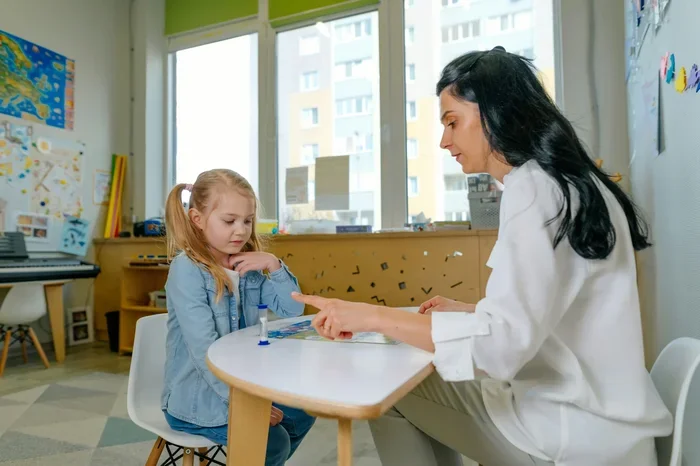
RBT stands for Registered Behavior Technician, a certified professional who works in educational settings to support students with behavioral challenges. RBTs play a crucial role in special education, helping implement behavior plans and creating positive learning environments. Understanding what RBT means in education helps parents, teachers, and administrators appreciate the impact these professionals have on student success.
If you have ever heard the term RBT tossed around in a school meeting and wondered what it means, you are not alone. RBT stands for Registered Behavior Technician, and these professionals are quietly transforming the way schools support students who struggle with behavior, communication, and learning. Whether your child has an IEP or you are simply curious about education careers, understanding what RBT means in education is incredibly valuable.
The role of a Registered Behavior Technician has grown significantly over the past decade. Schools across the country are recognizing that behavioral support is just as important as academic instruction. RBTs fill a critical gap by working one-on-one with students, implementing behavior plans, and helping create classrooms where every child can thrive. Let us dive deep into what this role entails and why it matters so much in modern education.
Key Takeaways
- RBT Definition: RBT stands for Registered Behavior Technician, a nationally recognized credential in behavior analysis.
- Education Role: RBTs work under BCBA supervision to support students with behavioral and developmental needs in schools.
- Certification Requirements: Candidates must complete 40 hours of training, pass a competency assessment, and clear a background check.
- Impact on Students: RBTs help improve student behavior, social skills, and academic engagement through personalized interventions.
- Growing Demand: Schools increasingly rely on RBTs to address rising needs in special education and behavioral support.
- Career Pathway: Becoming an RBT opens doors to advanced roles in applied behavior analysis and educational psychology.
📑 Table of Contents
- What Does RBT Stand for in Education?
- Why RBTs Matter in the Classroom
- How RBTs Support Students with Different Needs
- The Path from RBT to Advanced Careers in Education
- Common Misconceptions About RBTs in Education
- Quick Tips for Working Effectively with an RBT
- How RBTs Compare to Other Education Support Roles
- Final Thoughts
What Does RBT Stand for in Education?
So, what does RBT stand for in education? RBT stands for Registered Behavior Technician. This is a professional certification issued by the Behavior Analyst Certification Board, commonly known as BACB. An RBT works directly with students to implement behavior intervention plans that are designed by a Board Certified Behavior Analyst, or BCBA.
In simple terms, an RBT is the hands-on helper in the classroom. They put behavior strategies into action every single day. While a BCBA creates the plan, the RBT is the one who works with the student to make it happen. This teamwork is essential for meaningful progress.
Who Can Become an RBT?
Anyone with a high school diploma or equivalent can pursue the RBT credential. There is no college degree required to start. This makes the path accessible to many people who want to make a difference in education. Here is what you need to do:
- Complete 40 hours of approved training
- Pass a background check
- Pass the RBT competency assessment
- Maintain ongoing supervision from a BCBA
The training covers core concepts in behavior analysis, ethics, and data collection. It prepares RBTs to handle real-world situations in classrooms and therapy settings. The process is rigorous enough to ensure quality but flexible enough to welcome new talent into the field.
Why RBTs Matter in the Classroom
Classrooms today are more diverse than ever. Teachers face the challenge of meeting the needs of students with vastly different learning styles, abilities, and behavioral needs. RBTs provide essential support that allows teachers to focus on instruction while ensuring that students with behavioral challenges receive the individual attention they deserve.
Think about it this way. A teacher might have 25 or more students in a room. One of those students might need constant redirection, emotional regulation support, or help with social interactions. Without an RBT, that student might fall through the cracks. With an RBT present, they get personalized guidance that leads to real progress.
The Ripple Effect of Behavioral Support
When one student receives behavioral support, the entire classroom benefits. Fewer disruptions mean more teaching time. A calmer environment helps all students learn better. RBTs contribute to a positive school culture that values every student. This ripple effect is one of the most overlooked benefits of having RBTs on staff.
Many teachers report feeling less stressed and more effective when they have RBT support in their classrooms. The partnership between educators and RBTs creates a powerful dynamic that improves outcomes for everyone involved. It is truly a team effort.
How RBTs Support Students with Different Needs
RBTs work with a wide range of students in educational settings. Their support is tailored to each individual. Here are some of the most common areas where RBTs make a difference:
- Autism Spectrum Support: Many RBTs work with students on the autism spectrum, helping them develop communication skills and manage sensory challenges.
- Behavior Intervention: RBTs implement behavior reduction plans and replacement behavior strategies to address challenging behaviors.
- Social Skills Development: They guide students through social interactions, role-playing scenarios, and peer engagement activities.
- Academic Assistance: RBTs often help students stay on task, organize their work, and access the general education curriculum.
- Emotional Regulation: They teach coping strategies that help students manage anxiety, frustration, and anger in healthy ways.
The beauty of the RBT role is its flexibility. No two days look the same. One moment you might be helping a student practice greeting peers. The next, you might be collecting data on a new behavior plan. This variety keeps the work engaging and meaningful.
RBTs and Individualized Education Programs
Students with IEPs often receive services from multiple professionals. The RBT is a key member of that team. They work closely with special education teachers, school psychologists, and parents to ensure that the goals outlined in the IEP are being met. Data collection is a major part of this role. RBTs track progress and share observations with the BCBA, who then adjusts the intervention plan as needed.
This collaborative approach ensures that students receive consistent, evidence-based support. It also gives parents confidence that their child is being cared for by trained professionals who genuinely understand their needs.
The Path from RBT to Advanced Careers in Education
Starting as an RBT is an excellent entry point into the field of behavior analysis and education. Many professionals use the RBT credential as a stepping stone to higher-level roles. The experience gained as an RBT is invaluable and opens doors to advanced certifications and career growth.
From RBT to BCBA
Some RBTs choose to pursue further education and become Board Certified Behavior Analysts. This involves earning a master’s degree and completing additional supervised experience. The BCBA credential allows professionals to design behavior intervention plans and take on supervisory roles. The journey from RBT to BCBA is a well-trodden path in the field.
Other RBTs move into related areas such as educational psychology, special education administration, or counseling. The foundational knowledge gained through RBT training applies to many careers in education and human services.
Why Schools Value RBTs
Schools that hire RBTs often see measurable improvements in student behavior and academic engagement. The demand for qualified RBTs continues to grow as more districts recognize the value of in-class behavioral support. For those considering this career path, the job outlook is strong and the personal rewards are significant.
Common Misconceptions About RBTs in Education
There are several myths surrounding the RBT role that can create confusion. Let us clear a few of them up.
- Myth 1: RBTs are just aides. While RBTs do provide hands-on support, their training is specifically rooted in behavior analysis. They are far more than general classroom helpers.
- Myth 2: RBTs only work with autism. RBTs support students with a wide variety of behavioral, emotional, and developmental needs across all age groups.
- Myth 3: RBTs replace teachers. RBTs work alongside teachers. They are part of a collaborative team, not a replacement for qualified educators.
- Myth 4: The RBT credential is easy to get. The 40-hour training, competency assessment, and background check ensure that only qualified individuals earn the credential.
Understanding the truth about RBTs helps schools and families make better decisions about the support they need. When everyone has accurate information, students benefit the most.
Quick Tips for Working Effectively with an RBT
Whether you are a teacher, parent, or administrator, here are some practical tips for making the most of your RBT partnership:
- Communicate clearly. Share daily goals, student triggers, and any changes in routine so the RBT can adjust their approach.
- Respect the role. RBTs bring specialized knowledge. Trust their expertise and collaborate as equals on the support team.
- Provide feedback. Regular check-ins help RBTs refine their strategies and stay aligned with the behavior plan.
- Celebrate progress. Recognize small wins. Every bit of improvement is a step forward for the student.
- Stay consistent. Consistency across all team members helps students feel safe and supported in their learning environment.
These simple practices build a strong foundation for teamwork. When teachers and RBTs work well together, students receive the best possible support.
How RBTs Compare to Other Education Support Roles
It helps to understand how RBTs differ from other support professionals in schools. Each role has a unique focus and set of qualifications.
| Role | Primary Focus | Training Required | Supervision Level |
|---|---|---|---|
| RBT | Behavior intervention and skill-building | 40 hours, competency assessment | Direct BCBA supervision |
| Teaching Assistant | General classroom support | Varies by district | Teacher-led |
| Paraprofessional | Academic and physical support | Varies by district | Teacher-led |
| BCBA | Behavior plan design and supervision | Master’s degree, certification | Independent practice |
The key difference is that RBTs are trained specifically in applied behavior analysis. This specialized knowledge sets them apart from general support staff. While teaching assistants and paraprofessionals provide valuable help, RBTs bring evidence-based behavioral strategies to every interaction.
For more on the language and expressions used in education settings, you might enjoy exploring similes for education, which highlights how figurative language shapes the way we talk about learning. Similarly, idioms for teaching offers insight into the colorful phrases educators use every day, and idioms for teachers celebrates the unique vocabulary of the teaching profession.
Final Thoughts
Understanding what RBT stands for in education is the first step toward appreciating the incredible work these professionals do every day. Registered Behavior Technicians bridge the gap between behavior plans and real-world implementation. They give students the tools they need to succeed academically, socially, and emotionally.
If you are considering a career as an RBT, the path is open and rewarding. If you are a parent or teacher, knowing what RBTs do can help you advocate for the support your child or student needs. Either way, the impact of these dedicated professionals reaches far beyond the classroom. They shape futures, one positive interaction at a time.
The world of education needs more people who care enough to show up and make a difference. RBTs embody that commitment every single day. And as the field continues to grow, so will the opportunities for meaningful change in the lives of students everywhere.
Frequently Asked Questions
What does RBT stand for in education?
RBT stands for Registered Behavior Technician. It is a nationally recognized certification for professionals who implement behavior intervention plans in educational settings under the supervision of a BCBA.
What is the difference between an RBT and a BCBA?
An RBT works directly with students to implement behavior plans, while a BCBA designs those plans and provides supervision. The BCBA has a master’s degree and advanced certification, whereas the RBT completes 40 hours of training and a competency assessment.
Do you need a college degree to become an RBT?
No. A high school diploma or equivalent is the minimum educational requirement. The RBT training program provides all the necessary knowledge and skills needed to work in educational and therapeutic settings.
Where do RBTs typically work in education?
RBTs work in public and private schools, special education classrooms, autism support programs, and therapeutic school settings. They may also work in after-school programs and early intervention services.
How does an RBT help students in the classroom?
An RBT helps by implementing individualized behavior plans, collecting data on student progress, teaching replacement behaviors, and supporting students with social skills and emotional regulation strategies throughout the school day.
Is the RBT credential in high demand?
Yes. The demand for RBTs has been growing steadily as schools recognize the importance of behavioral support in improving student outcomes. Many districts actively recruit RBTs to fill positions in special education and inclusive classrooms.


