
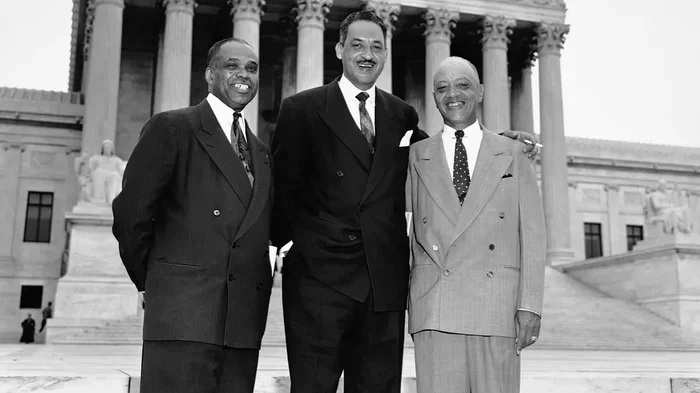
Brown vs Board of Education was a groundbreaking civil rights case that ended racial segregation in public schools. The case involved real families, brave lawyers, and the Supreme Court. Oliver Brown, Linda Brown, and Thurgood Marshall were among the most important figures. Their fight proved that separate schools were never truly equal.
Brown vs Board of Education who was involved is a question that many people ask when they learn about this landmark case. It is one of the most important moments in American history. The case changed how schools work across the entire country. It also helped spark the broader civil rights movement. Understanding who played a role helps us appreciate the courage it took to challenge injustice. Let us walk through the key people and groups who made this case happen.
## The Story Behind Brown vs Board of Education
### Why the Case Started
In the 1950s, schools in America were divided by race. Black children and white children attended separate schools. This was legal in many states, especially in the South. The rule was based on something called “separate but equal.” This idea came from an earlier Supreme Court decision called Plessy v Ferguson.
But in reality, the schools were far from equal. Black schools had old books, broken desks, and smaller budgets. White schools had newer supplies and better facilities. Parents in Topeka, Kansas, decided enough was enough. They wanted their children to have a fair chance at a good education.
### The Families Who Stepped Up
The case was not just about one family. It was a combination of several lawsuits from different states. Families in Kansas, South Carolina, Virginia, Delaware, and Washington D.C. all joined together. Each family had a story about why segregation hurt their children. They all shared a common goal: equal education for every child.
One of the families in Topeka was the Brown family. They lived just a few blocks from a white school. But because of the color of their skin, their daughter had to travel far to attend a Black school. This unfair situation became the heart of the case.
## The Key People Involved in Brown vs Board of Education
### Oliver Brown: The Lead Plaintiff
Oliver Brown is the name most people associate with the case. He was a welder and a church assistant minister in Topeka. His daughter, Linda, had to ride a bus to attend a segregated Black school. Even though a white school was much closer to their home, she could not attend it.
Oliver agreed to become the lead plaintiff. His name came first alphabetically, which is why the case was named Brown vs Board of Education. He did not seek fame. He simply wanted a better future for his daughter. His willingness to step forward inspired many other families.
### Linda Brown: The Face of the Case
Linda Brown was just a child when her father joined the lawsuit. She was around nine years old when the case began. She had to walk several blocks and take a bus to reach her segregated school. The white school was only a few blocks away but was off-limits to her.
Linda’s story touched the hearts of many Americans. She represented the thousands of children who suffered because of segregation. Her experience shows us how deeply unfair the system was. Today, Linda Brown is remembered as a symbol of the fight for equal rights.
### Thurgood Marshall: The Legal Genius
Thurgood Marshall was the lead lawyer for the plaintiffs. He worked for the NAACP Legal Defense Fund. Marshall was one of the most brilliant legal minds of his time. He had already won several important civil rights cases before taking on Brown.
Marshall’s argument was simple but powerful. He said that segregation harmed Black children. It made them feel inferior. He cited studies and psychological research to prove his point. His work on this case eventually led him to become the first Black Supreme Court Justice.
### The NAACP: The Organization Behind the Fight
The National Association for the Advancement of Colored People played a huge role. The NAACP had been fighting for civil rights for decades. They provided the legal resources and strategy needed to challenge segregation. Without the NAACP, the case might never have reached the Supreme Court.
The organization connected families from different states. They built a strong legal team. They also helped fund the long and difficult legal battle. The NAACP’s involvement shows how important organized action can be in the fight for justice.
## The Supreme Court’s Role
### The Justices Who Made the Decision
The case was heard by the United States Supreme Court in 1953 and 1954. There were nine justices at the time. The Chief Justice was Earl Warren. He was a former governor of California who had been appointed to the Court in 1953.
Warren played a key role in bringing the justices together. He wanted a unanimous decision. That meant all nine justices had to agree. This was not easy, because the justices came from different backgrounds and had different views.
### The Unanimous Ruling
On May 17, 1954, the Supreme Court ruled in favor of the plaintiffs. The decision was unanimous. The Court declared that racial segregation in public schools was unconstitutional. The ruling stated that separate educational facilities were inherently unequal.
This was a major victory for civil rights. It overturned the “separate but equal” doctrine from Plessy v Ferguson. The ruling gave hope to millions of Americans who had been fighting for equality.
## How the Case Changed America
### Impact on Public Schools
The Brown decision led to the desegregation of schools across the country. It was not an overnight change, though. Many states resisted the ruling for years. Some schools closed rather than integrate. Parents and children faced hostility and even violence.
Over time, however, the ruling paved the way for real progress. More Black children gained access to better schools and resources. The case also set a precedent for other civil rights efforts. It showed that the legal system could be used to fight injustice.
### The Ripple Effect on Civil Rights
Brown vs Board of Education inspired other civil rights actions. It gave activists confidence that the law could be changed. The case became a symbol of hope and determination. It showed that ordinary people could challenge powerful systems.
The legal strategies used in Brown were also applied to other cases. They helped end segregation in public places, housing, and voting. The case remains a cornerstone of American civil rights law.
## Common Misconceptions About the Case
### Myth: Oliver Brown Was a Famous Leader
Many people assume Oliver Brown was a well-known civil rights leader. In reality, he was an ordinary man with an extraordinary courage. He was a welder and a father who simply wanted fairness for his child. His story reminds us that anyone can make a difference.
### Myth: The Case Was Only About Kansas
While the case originated in Topeka, Kansas, it involved families from five states and Washington D.C. The combined lawsuits made the case stronger. It showed that segregation was a nationwide problem, not just a regional one.
### Myth: The Ruling Was Immediately Accepted
The Supreme Court ruling did not end segregation overnight. There was massive resistance in many parts of the country. It took years of additional legal battles and activism to fully implement desegregation. The Brown decision was the beginning of a long journey, not the end of it.
## Quick Tips for Understanding the Case
Here are some tips to help you remember the key details:
- Remember that Oliver Brown’s name came first alphabetically.
- Think of Linda Brown as the child whose story made the case personal.
- Thurgood Marshall was the lawyer; Earl Warren was the Chief Justice.
- The ruling was unanimous, meaning all nine justices agreed.
- The case combined lawsuits from multiple states, not just Kansas.
- The decision overturned the “separate but equal” doctrine from Plessy v Ferguson.
## Expert Insights on the Legacy of the Case
Historians often point to Brown vs Board of Education as a turning point in American history. The case did more than just change school policies. It challenged the deeply rooted idea of racial hierarchy. It declared that all children deserve equal access to education.
Experts also note that the fight for educational equality continues today. Schools in many communities remain segregated, often due to housing patterns and funding inequalities. The Brown case reminds us that the work of achieving true equality is ongoing.
## Key Takeaways
Let us revisit the most important points from this article:
- The case was named after Oliver Brown because of alphabetical order.
- Linda Brown’s experience as a young girl was central to the story.
- Thurgood Marshall was the brilliant lawyer who argued the case.
- The NAACP provided the organizational support and legal strategy.
- The Supreme Court ruled unanimously in favor of desegregation.
- The decision overturned the “separate but equal” doctrine.
- The case involved families from multiple states, not just Kansas.
## Conclusion
Brown vs Board of Education who was involved is a story of courage, teamwork, and justice. It was not the work of one person. It was the result of brave families, a skilled legal team, and a Supreme Court willing to do the right thing. Oliver Brown, Linda Brown, Thurgood Marshall, and the NAACP all played essential roles.
The case changed the course of American history. It opened doors for millions of children who had been denied equal education. It also became a powerful symbol of what is possible when people stand up against injustice.
Even today, the lessons of Brown vs Board of Education remain relevant. The fight for equal access to quality education continues in communities across the country. Understanding who was involved helps us honor their legacy and carry the work forward.
If you want to learn more about how language shapes our understanding of education, check out our guide on idioms for education. You will find that the words we use can inspire change just as powerfully as the actions of those who fought for justice.
Key Takeaways
- Oliver Brown was the lead plaintiff: His name headed the case because of alphabetical order, not because he was the most prominent figure.
- Linda Brown was at the center of the story: She was a young girl who had to travel far to attend an all-Black school.
- Thurgood Marshall led the legal fight: He was the NAACP lawyer who argued the case before the Supreme Court.
- The Supreme Court ruled unanimously: All nine justices agreed that segregation in schools was unconstitutional.
- The case overturned Plessy v Ferguson: The old “separate but equal” doctrine was finally struck down.
- Multiple families from different states were involved: The case combined lawsuits from Kansas, South Carolina, Virginia, Delaware, and Washington D.C.
Frequently Asked Questions
Who was Oliver Brown in the Brown vs Board of Education case?
Oliver Brown was a welder and church assistant minister from Topeka, Kansas. He became the lead plaintiff in the case because his name came first alphabetically. He joined the lawsuit because his daughter, Linda, had to travel far to attend a segregated Black school while a white school was much closer to their home.
Why was the case named Brown vs Board of Education?
The case was named after Oliver Brown because his name appeared first in alphabetical order among all the plaintiffs. The “Board of Education” referred to the Topeka school board that enforced segregation. The name stuck even though the case eventually combined lawsuits from families across multiple states.
What role did Thurgood Marshall play in the case?
Thurgood Marshall was the lead attorney for the plaintiffs. He worked for the NAACP Legal Defense Fund and built the legal argument that segregation in schools was harmful to Black children. His work on this case was so impactful that he later became the first African American Supreme Court Justice.
How did the Supreme Court rule in Brown vs Board of Education?
The Supreme Court ruled unanimously in favor of the plaintiffs on May 17, 1954. The Court declared that racial segregation in public schools was unconstitutional and that separate educational facilities were inherently unequal. This decision overturned the “separate but equal” doctrine from Plessy v Ferguson.
Was Brown vs Board of Education only about schools in Kansas?
No, the case was not limited to Kansas. While it originated in Topeka, it combined lawsuits from families in South Carolina, Virginia, Delaware, and Washington D.C. as well. This multi-state approach strengthened the case and showed that school segregation was a nationwide problem.
What is the lasting impact of Brown vs Board of Education?
The case ended legal segregation in public schools and became a cornerstone of the civil rights movement. It inspired further legal challenges to discrimination in housing, voting, and public accommodations. The ruling also set a precedent that the law can and should be used to protect equal rights for all citizens.


