
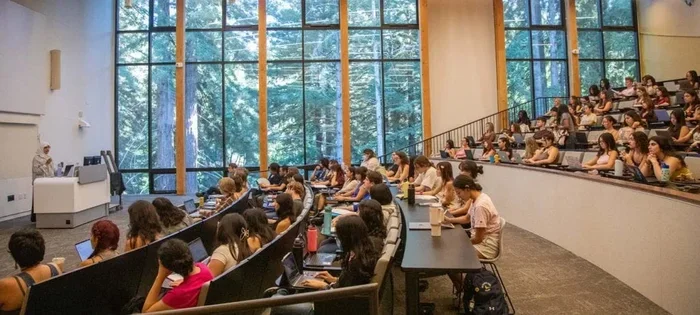
An MS in Education is a graduate degree that helps teachers and educators advance their careers, boost their salary, and gain specialized skills. This degree opens doors to leadership roles, curriculum design, and policy work. Whether you want to move into administration or specialize in a subject area, an MS in Education gives you the tools and credentials you need to succeed.
Have you ever thought about what comes next after your bachelor’s degree in teaching? If you are a teacher who wants to grow, an MS in Education might be the perfect next step. This degree is not just another piece of paper. It is a real game-changer for people who love teaching and want to do more. In this guide, we will break down everything you need to know about this degree. You will learn what it is, why it matters, and how it can open new doors for your career.
The world of education is always changing. New teaching methods, fresh technology, and updated policies shape how schools work every day. An MS in Education helps you keep up with these changes. It gives you deep knowledge and practical skills that make you stand out in the classroom and beyond. Whether you want to lead a department, design new curriculums, or move into school administration, this degree has you covered.
So, what exactly does an MS in Education involve? And why should you care? Let us dive in and explore this degree from top to bottom. By the end of this article, you will have a clear picture of what to expect and how it can benefit your future.
Key Takeaways
- What It Is: An MS in Education is a graduate-level degree focused on advanced teaching methods, educational leadership, and curriculum design.
- Career Growth: This degree helps you move into roles like department head, instructional coach, or school administrator.
- Specializations: You can focus on areas like special education, curriculum development, or educational technology.
- Earning Potential: Graduates with an MS in Education often earn higher salaries than those with only a bachelor’s degree.
- Flexible Options: Many programs offer online formats that let you work and study at the same time.
- Worth It: The return on investment is strong for educators who want to grow professionally and personally.
📑 Table of Contents
- Understanding What an MS in Education Is
- Why Pursuing an MS in Education Matters
- Popular Specializations in an MS in Education
- How Long Does It Take to Earn an MS in Education?
- Online vs. On-Campus Programs for an MS in Education
- Is an MS in Education Worth It?
- Common Mistakes to Avoid When Pursuing an MS in Education
- Expert Insights on Earning an MS in Education
- Final Thoughts
Understanding What an MS in Education Is
An MS in Education stands for a Master of Science in Education. It is a graduate-level degree that focuses on advanced teaching practices, educational theory, and practical classroom skills. Unlike a general master’s degree, this program is built specifically for educators. It covers topics like how people learn, how to design lessons, and how to manage a school or classroom effectively.
Most programs take about two years to complete if you attend full-time. Part-time options are also common, which makes it easier for working teachers to earn the degree. You will typically take courses in areas like educational psychology, curriculum design, and assessment strategies. Many programs also require a capstone project or a thesis at the end.
What Does the Degree Cover?
An MS in Education program usually includes a mix of core courses and electives. The core courses build a strong foundation in education theory and practice. Electives let you focus on a specific area that interests you. Here is a quick look at common topics you might study:
- Educational Psychology: Learn how students think, learn, and grow.
- Curriculum Design: Build lesson plans and programs that actually work.
- Assessment and Evaluation: Understand how to measure student progress.
- Educational Technology: Use digital tools to boost learning in the classroom.
- Research Methods: Learn how to study and analyze education trends.
Some programs also include hands-on experience. You might work in a real classroom, observe expert teachers, or lead a small group of students. This practical side is a huge bonus. It helps you connect theory to real-world teaching. As they say, practice makes perfect, and this degree gives you plenty of chances to grow.
Why Pursuing an MS in Education Matters
You might wonder, “Is this degree really worth my time?” The short answer is yes. There are many strong reasons to pursue an MS in Education. Let us look at the biggest benefits.
Career Growth Opportunities
A graduate degree opens up new career paths that a bachelor’s degree alone cannot. With an MS in Education, you can move into roles like department chair, instructional coach, or curriculum specialist. Some graduates even go on to become principals or district-level administrators. These are leadership positions that come with more responsibility and more rewards.
Many schools and districts now prefer or require a master’s degree for certain positions. Having this credential shows that you are serious about your profession. It also signals to employers that you have advanced knowledge and skills. In a competitive job market, that can make all the difference.
Higher Earning Potential
Let us talk about money. Teachers with a master’s degree often earn more than those with only a bachelor’s. The exact amount depends on your state, district, and role. But studies show that graduate degree in education holders can earn anywhere from 10 to 20 percent more over their careers. Over time, that adds up to a significant difference in your bank account.
Beyond salary, many districts offer extra perks for master’s-level educators. These can include stipends, tuition reimbursement, and faster promotion tracks. So the financial benefits go beyond just a higher starting pay.
Deeper Knowledge and Skills
An MS in Education helps you become a better teacher. You will learn new strategies for reaching students, managing classrooms, and designing engaging lessons. You will also gain a stronger understanding of how education policy works. This deeper knowledge makes you more effective in the classroom and more confident in your role.
Think of it this way. You already know how to teach. This degree helps you teach better. It gives you tools and techniques that you might not learn in a basic teacher preparation program. And those skills stay with you for your entire career.
Popular Specializations in an MS in Education
One of the best things about an MS in Education is that you can choose a specialization. This lets you focus on the area that excites you most. Here are some of the most popular options.
Curriculum and Instruction
This specialization focuses on how to design and deliver effective lessons. You will learn about different teaching methods, student engagement strategies, and ways to measure learning outcomes. If you love creating lesson plans and want to influence what happens in the classroom, this is a great fit.
Educational Leadership
If your goal is to lead a school or district, an educational leadership specialization is a smart choice. You will study school management, team building, and policy development. This track prepares you for roles like principal, assistant principal, or district coordinator. It is ideal for teachers who want to move beyond the classroom.
Special Education
Special education is a growing and rewarding field. This specialization teaches you how to support students with diverse learning needs. You will explore topics like individualized education programs (IEPs), behavior management, and inclusive classroom practices. If you have a passion for helping every student succeed, this path is incredibly fulfilling.
Educational Technology
Technology is changing education fast. This specialization prepares you to integrate digital tools into the classroom. You will learn about learning management systems, educational apps, and online teaching methods. It is perfect for teachers who love tech and want to lead the way in digital learning.
How Long Does It Take to Earn an MS in Education?
The timeline for earning an MS in Education depends on several factors. Full-time students usually finish in about two years. Part-time students might take three to four years. Some accelerated programs can be completed in as little as 12 to 18 months.
Here are a few things that can affect your timeline:
- Program Format: Online programs often offer more flexibility, which can speed things up.
- Course Load: Taking more classes per semester can shorten the time to graduation.
- Thesis vs. Non-Thesis Track: Thesis-based programs may take longer due to research requirements.
- Transfer Credits: If you have prior coursework, you might be able to transfer some credits.
Before you enroll, make sure to check the program details. Talk to an advisor to understand the timeline and requirements. This will help you plan your schedule and set realistic goals.
Online vs. On-Campus Programs for an MS in Education
These days, you have more options than ever for earning your MS in Education. Both online and on-campus programs have their strengths. Let us compare them so you can choose what works best for you.
| Factor | Online Programs | On-Campus Programs |
|---|---|---|
| Flexibility | High. Study anytime, anywhere. | Low. Fixed class schedules. |
| Interaction | Virtual discussions and forums. | Face-to-face with peers and professors. |
| Pace | Often self-paced or asynchronous. | Follows a set semester schedule. |
| Cost | Sometimes lower due to no commuting. | May include housing and transport costs. |
| Hands-On Experience | Limited in-person practicum hours. | Easy access to campus resources and labs. |
Online programs are a great choice for working teachers. They let you balance your job, family, and studies without stress. On-campus programs, on the other hand, offer a more traditional college experience. You get to network in person and access campus facilities. Both paths lead to the same degree. The best choice depends on your lifestyle and goals.
Many top universities now offer high-quality online MS in Education programs. These programs are just as rigorous as their on-campus counterparts. You will still work with experienced professors and complete the same coursework. The only difference is the delivery method.
Is an MS in Education Worth It?
This is the big question, and the answer depends on your goals. If you want to advance your career, earn more, and grow as an educator, then yes. An MS in Education is absolutely worth the investment of time and effort.
Think about it this way. Education is a field that rewards continuous learning. The more you know, the better you can serve your students. A master’s degree shows that you are committed to your profession. It also equips you with skills that make you more effective in the classroom and in leadership roles.
Many educators who earn this degree say it was one of the best decisions they ever made. They feel more confident, more prepared, and more passionate about their work. That kind of personal growth is priceless.
Of course, you should do your research before choosing a program. Look for accredited universities, check the curriculum, and read reviews from past graduates. The right program will align with your career goals and fit your lifestyle.
Common Mistakes to Avoid When Pursuing an MS in Education
To make the most of your journey, it helps to know what pitfalls to watch out for. Here are some common mistakes and how to avoid them.
- Choosing a Program Without Accreditation: Always make sure the program is accredited. This ensures your degree is recognized and respected.
- Ignoring Your Interests: Do not just pick a specialization because it seems easy. Choose one that truly excites you.
- Not Planning for Costs: Look into financial aid, scholarships, and employer tuition reimbursement before you enroll.
- Overloading Your Schedule: It is better to take a manageable course load than to burn out early.
- Skipping Networking Opportunities: Connect with classmates, professors, and alumni. Your network can open doors you did not even know existed.
Avoiding these mistakes can save you time, money, and frustration. A little planning goes a long way toward a successful and rewarding experience.
Expert Insights on Earning an MS in Education
We spoke with several educators who have earned an MS in Education and asked them for advice. Here is what they had to say.
“The degree changed how I approach teaching,” says Sarah, a high school science teacher. “I learned new strategies that I use every single day in my classroom. My students notice the difference.”
“I was hesitant to go back to school while working full-time,” adds James, an elementary school principal. “But the online format made it possible. Now I lead a school and love every minute of it.”
These stories show that an MS in Education is not just theoretical. It has real, practical impact on educators’ careers and lives. The skills you gain are immediately applicable in the classroom.
As the saying goes, education is the most powerful weapon which you can use to change the world. Earning an MS in Education gives you that weapon in a more powerful form. It sharpens your skills and deepens your understanding of how to make a difference.
Final Thoughts
An MS in Education is more than a graduate degree. It is a stepping stone to a bigger, better career in education. Whether you want to lead, specialize, or simply become a more effective teacher, this degree delivers real value. The knowledge, skills, and credentials you gain will serve you for the rest of your professional life.
The education landscape is evolving rapidly. Teachers who invest in advanced degrees position themselves for long-term success. An MS in Education gives you the edge you need to thrive in this dynamic field. So if you have been thinking about taking the next step, now is the time. Do your research, pick the right program, and start your journey toward a brighter future in education.
Remember, every great educator keeps learning. An MS in Education is a powerful way to continue that growth. And the best part is, the investment pays off in ways you can measure and ways you cannot. Your career, your students, and your passion for teaching will all benefit from this decision.
Frequently Asked Questions
What does MS in Education stand for?
MS stands for Master of Science in Education. It is a graduate-level degree designed for teachers and educators who want to advance their careers and deepen their knowledge of teaching and learning.
How long does it take to complete an MS in Education?
Most full-time programs take about two years to finish. Part-time programs can take three to four years. Some accelerated online programs can be completed in as little as 12 to 18 months.
Can I earn an MS in Education online?
Yes, many accredited universities offer online MS in Education programs. These programs provide the same quality of education as on-campus options, with the added benefit of flexibility for working professionals.
What jobs can I get with an MS in Education?
Graduates can pursue roles like instructional coach, curriculum specialist, department head, school administrator, or educational technology coordinator. The degree also opens doors to policy work and higher education teaching positions.
Is an MS in Education the same as a teaching certification?
No, they are different. A teaching certification qualifies you to teach, while an MS in Education is a graduate degree that builds advanced skills and knowledge. However, some programs may include certification tracks as part of the degree.
How much can I earn with an MS in Education?
Salaries vary by role, location, and experience. On average, teachers with a master’s degree earn 10 to 20 percent more than those with a bachelor’s degree. Leadership roles like principals and district coordinators typically offer even higher pay.


