
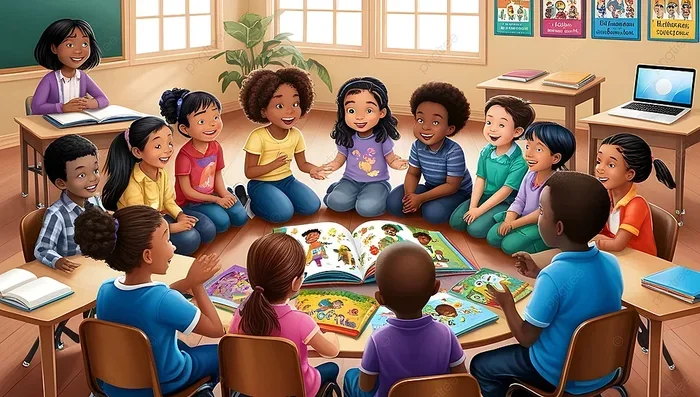
DEI education stands for Diversity, Equity, and Inclusion in learning environments. It focuses on creating classrooms where every student feels valued, respected, and empowered to succeed. This approach addresses systemic barriers and promotes fair access to opportunities for all learners. Understanding DEI education helps educators, students, and communities build stronger, more empathetic societies. Let us explore why this matters and how it transforms learning for everyone.
Key Takeaways
- DEI education creates belonging: It ensures every student sees themselves reflected and feels safe in learning spaces.
- Equity goes beyond equality: DEI addresses unique needs and removes barriers that hold marginalized students back.
- Inclusive curricula boost engagement: Students perform better when they see diverse perspectives in their lessons.
- Cultural responsiveness is a skill: Teachers can learn and grow in making classrooms identity-safe for all.
- DEI benefits everyone: It is not just for underrepresented groups; it strengthens learning for all students.
- Small steps lead to big change: Simple daily practices can make classrooms more inclusive and equitable.
📑 Table of Contents
- What Is DEI Education And Why Should You Care?
- Understanding The Three Pillars Of DEI Education
- Why DEI Education Matters For Students And Teachers
- How Schools Can Implement DEI Education Effectively
- Common Challenges And How To Overcome Them
- The Broader Impact Of DEI Education On Society
- Key Takeaways
- Conclusion
What Is DEI Education And Why Should You Care?
DEI education stands for Diversity, Equity, and Inclusion in learning. It is a framework that helps schools and classrooms welcome every student, regardless of their background, identity, or abilities. But what does that really mean in practice? And why does it matter so much today?
Think about a classroom where every student feels seen. Where their stories are told. Where their differences are not just accepted but celebrated. That is the heart of DEI education. It is about building learning spaces where no one has to shrink themselves to fit in. This approach has grown in importance as our societies become more diverse and interconnected.
Many people hear the term DEI and feel unsure. Some worry it is too political. Others wonder if it really makes a difference. The truth is that diversity education and inclusion in education are backed by decades of research. They lead to better outcomes for students, stronger communities, and more empathetic workplaces. Let us break down each part of DEI and see why it matters for everyone.
Understanding The Three Pillars Of DEI Education
DEI is not one single idea. It is three connected pillars that work together. Each one plays a vital role in creating fair and welcoming learning environments.
Diversity: Embracing Differences In Learning Spaces
Diversity in education means recognizing and valuing the wide range of human differences. This includes race, ethnicity, gender, sexual orientation, disability, socioeconomic status, religion, and more. It also includes differences in learning styles, life experiences, and perspectives.
When schools embrace diversity, they do more than just tolerate differences. They actively seek to include a variety of voices in the curriculum, the teaching staff, and the school culture. For example, a diverse curriculum might include books by authors from different backgrounds, history lessons that cover multiple viewpoints, and examples that reflect a wide range of experiences.
Diversity matters because students learn better when they see themselves reflected in what they study. It also prepares all students to live and work in a multicultural world. Representation in curriculum helps build empathy and breaks down stereotypes early on.
Equity: Ensuring Fair Access And Opportunity
Equity is often confused with equality, but they are very different. Equality means giving everyone the same thing. Equity means giving each person what they need to succeed. It recognizes that students start from different places and face different barriers.
For instance, giving every student the same textbook is equality. But giving a student who speaks English as a second language additional language support is equity. Equitable teaching practices look at the whole student and address gaps that marginalized students face every day.
Equity in education also means removing systemic obstacles. These can include biased disciplinary practices, lack of access to advanced courses, or underfunding in schools serving low-income communities. When schools focus on equity, they create a level playing field where every student has a real chance to thrive.
Inclusion: Building Spaces Where Everyone Belongs
Inclusion is about making sure every student feels they truly belong. It is not enough to just have diverse students in a classroom. Those students need to feel welcomed, respected, and valued for who they are.
An inclusive classroom is one where students can bring their whole selves. They do not have to hide parts of their identity to fit in. Teachers create this environment through respectful language, inclusive materials, and classroom norms that celebrate every voice.
Inclusion also means making sure students with disabilities have full access to learning. It means creating identity-safe classrooms where students from all backgrounds feel psychologically safe. When inclusion is done right, students are more engaged, more motivated, and more likely to succeed.
Why DEI Education Matters For Students And Teachers
The impact of DEI education reaches far beyond the classroom walls. It shapes how students see themselves and others. It influences how teachers teach and how schools operate. Here is why it matters so deeply.
Better Academic Outcomes For All Students
Research consistently shows that students in inclusive and equitable learning environments perform better academically. When students feel safe and valued, they are more likely to participate, take risks, and ask questions. This leads to deeper learning and stronger critical thinking skills.
Studies also show that exposure to diverse perspectives helps students develop stronger problem-solving abilities. They learn to think critically about the world around them. Inclusive learning environments prepare students for the real world, where they will work with people from all walks of life.
Stronger Social-Emotional Development
DEI education supports not just academic growth but also social and emotional development. Students who learn about diversity and inclusion develop greater empathy and emotional intelligence. They become more understanding of others and more confident in their own identities.
For students from underrepresented groups, seeing themselves represented in their learning can be deeply affirming. It sends a powerful message: you belong here, your story matters, and your potential is limitless. This sense of belonging in schools can be life-changing for young people who have historically been overlooked.
Empowering Teachers Through Culturally Responsive Practices
Teachers also benefit from DEI education. When schools invest in cultural responsiveness training, teachers become more effective communicators and educators. They learn to connect with students from diverse backgrounds and create lessons that resonate with a wider range of learners.
Professional development in DEI helps teachers recognize their own biases and address them. It gives them tools to build stronger relationships with students and families. The result is a more positive classroom climate and more meaningful teaching experiences for everyone involved.
How Schools Can Implement DEI Education Effectively
Implementing DEI education is not a one-time event. It is an ongoing commitment that requires thoughtful planning and sustained effort. Here are practical ways schools can make it happen.
Start With Inclusive Curriculum Design
One of the most powerful steps a school can take is to review and update its curriculum. Does it reflect the diversity of the student body and the wider world? Are multiple perspectives included in history, literature, science, and other subjects?
Teachers can also use engaging language tools to make lessons more accessible. For example, using similes for education can help students grasp complex ideas through familiar comparisons. Similarly, metaphors for education can make abstract concepts more concrete and relatable for diverse learners. These figurative language strategies are especially helpful in inclusive classrooms where students have varying levels of language proficiency and learning styles.
Schools should also ensure that teaching materials avoid stereotypes and present balanced, accurate portrayals of different groups. This is a core part of anti-bias education and helps students develop a more nuanced understanding of the world.
Train Educators In Equity And Inclusion
Ongoing professional development is essential. Teachers need training in culturally relevant pedagogy, which means teaching methods that connect learning to students cultural backgrounds and experiences. This approach helps students see the relevance of what they are learning and feel more engaged.
Schools should also create safe spaces for teachers to have honest conversations about bias, privilege, and equity. These conversations can be uncomfortable, but they are necessary for real growth. When educators commit to learning and improving, their students benefit in profound ways.
Create Policies That Support DEI Goals
Policy changes can reinforce DEI efforts at every level. Schools should review their disciplinary policies to ensure they are fair and do not disproportionately affect certain groups of students. They should also establish clear anti-discrimination policies and make sure they are enforced consistently.
Another important step is ensuring accessible education for all students. This includes physical accessibility, but also means providing accommodations for students with learning differences, language barriers, and other needs. When policies support access and fairness, the entire school culture shifts toward inclusion.
Amplify Student Voice And Choice
Students are the most important stakeholders in any school. Yet their voices are often left out of decisions that affect them. DEI education encourages schools to actively seek and honor student input.
This can look like student-led diversity clubs, classroom discussions about identity and fairness, or surveys that ask students how they feel about belonging at school. When students have a voice, they feel ownership over their learning environment. This connection to student voice builds confidence and encourages active participation in school life.
Common Challenges And How To Overcome Them
Implementing DEI education is not without its challenges. Understanding these obstacles can help schools navigate them more effectively.
Resistance To Change
Some parents, teachers, or community members may resist DEI efforts. They may misunderstand what DEI is or feel threatened by changes to traditional curricula. The key is to approach these conversations with empathy and clarity. Share data, listen to concerns, and focus on shared goals like student success and well-being.
It helps to explain that DEI is not about blame or guilt. It is about creating better opportunities for every learner. When people understand this, resistance often softens over time.
Lack Of Resources And Training
Many schools want to do more for DEI but lack the budget or training to do so. Schools can start small. Even simple steps like diversifying classroom libraries or hosting a single professional development session can make a difference. Community partnerships and grants can also help fill resource gaps.
Teachers can also use familiar language tools to build bridges with diverse learners. Incorporating common idioms for education into lessons can help students from different backgrounds understand everyday academic language. This small change supports both language learning and classroom inclusion.
Sustaining Efforts Beyond Performative Actions
One of the biggest pitfalls of DEI work is treating it as a checkbox exercise. Posting a diversity poster or hosting a single event is not enough. Real change requires sustained, systemic effort. Schools need to embed DEI into their mission, policies, and daily practices rather than treating it as a one-off initiative.
Regular assessment and honest reflection are key. Schools should measure their progress and be willing to adjust their approach. Intersectionality in education reminds us that students have multiple, overlapping identities. Effective DEI work accounts for this complexity and avoids one-size-fits-all solutions.
The Broader Impact Of DEI Education On Society
The benefits of DEI education extend well beyond individual classrooms. When young people learn to value diversity and practice inclusion, they carry those lessons into their communities and careers. This creates a ripple effect that can transform entire societies.
Workplaces that value diversity and inclusion tend to be more innovative and productive. Communities that embrace equity are stronger and more resilient. By investing in DEI education now, we are building the foundation for a more just and compassionate future.
It is also important to recognize that DEI is a journey, not a destination. Every school, every classroom, and every educator is at a different point on this path. What matters is the commitment to keep learning, keep growing, and keep striving for a world where every learner has the opportunity to succeed.
Key Takeaways
- DEI education creates belonging: It ensures every student sees themselves reflected and feels safe in learning spaces.
- Equity goes beyond equality: DEI addresses unique needs and removes barriers that hold marginalized students back.
- Inclusive curricula boost engagement: Students perform better when they see diverse perspectives in their lessons.
- Cultural responsiveness is a skill: Teachers can learn and grow in making classrooms identity-safe for all.
- DEI benefits everyone: It is not just for underrepresented groups; it strengthens learning for all students.
- Small steps lead to big change: Simple daily practices can make classrooms more inclusive and equitable.
Conclusion
DEI education is not a trend or a buzzword. It is a fundamental approach to creating learning environments where every student can thrive. By embracing diversity, pursuing equity, and building true inclusion, schools transform into places of genuine growth and connection. The work is ongoing and sometimes challenging, but the rewards are immeasurable. When we invest in inclusive education, we invest in a better future for everyone.
Every educator, parent, and community member has a role to play. Start where you are. Use what you have. Do what you can. The goal is progress, not perfection. Together, we can build classrooms and communities where every person feels valued, respected, and empowered to reach their full potential.
Frequently Asked Questions
What does DEI stand for in education?
DEI stands for Diversity, Equity, and Inclusion in education. It is a framework that helps schools create learning environments where every student feels valued, respected, and supported, regardless of their background or identity.
Why is DEI education important for students?
DEI education matters because it helps students feel a sense of belonging and safety in school. When students see themselves reflected in their learning and feel respected for who they are, they are more engaged, more confident, and more likely to succeed academically and personally.
How is equity different from equality in education?
Equality means giving every student the same resources or treatment. Equity means giving each student what they specifically need to succeed. For example, a student learning English as a second language may need additional language support, while another student may need different accommodations. Equity recognizes that students start from different places.
Can DEI education benefit students who are not from underrepresented groups?
Absolutely. DEI education benefits all students by building empathy, critical thinking skills, and a deeper understanding of the world. When students learn about diverse perspectives and experiences, they become more open-minded, more collaborative, and better prepared for life in a multicultural society.
What are some simple ways teachers can promote DEI in their classrooms?
Teachers can promote DEI by diversifying their classroom libraries, using inclusive language, incorporating multiple perspectives into lessons, and creating classroom norms that respect every student. Small daily actions, like learning students names correctly and acknowledging their cultures, go a long way toward building an inclusive classroom.
What is culturally responsive teaching and how does it relate to DEI?
Culturally responsive teaching is an approach that connects learning to students cultural backgrounds and experiences. It is a core practice within DEI education because it helps teachers reach students from diverse backgrounds more effectively and makes the curriculum more relevant and engaging for everyone.
=== INTERNAL LINKS USED ===
Internal links integrated: 3 links to related education language articles.


