
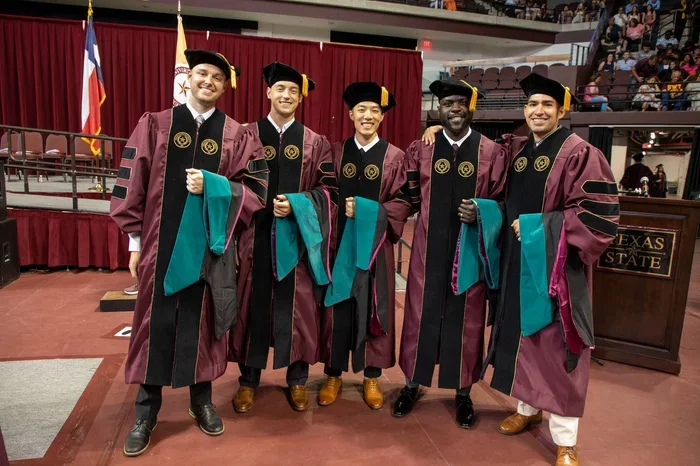
A PhD in Education opens doors to leadership, research, and teaching careers at the highest level. This guide covers everything from admission requirements and program length to costs and career outcomes. You will learn exactly what it takes to earn your doctorate and make a real impact in the education field.
Earning a PhD in Education is one of the most rewarding things you can do for your career. Whether you want to lead schools, shape education policy, or teach at the university level, this degree gives you the knowledge and credentials you need. But the journey is not simple. There are many steps, requirements, and decisions along the way.
This guide walks you through everything you need to know about how to get a PhD in Education. We will cover admission requirements, program length, costs, and what your career can look like after graduation. By the end, you will have a clear picture of what to expect and how to prepare.
The path to a doctorate is challenging but very doable. Thousands of students earn their PhD in Education every year. With the right planning and mindset, you can join them. Let us get started.
Key Takeaways
- PhD in Education Requirements: You need a master’s degree, strong GPA, test scores, and a clear research proposal to get admitted.
- Program Length: Most PhD in Education programs take 4 to 7 years to complete, depending on full-time or part-time study.
- Dissertation Is Key: Your dissertation is the biggest project and can take 1 to 2 years on its own.
- Career Options: Graduates can become professors, researchers, education consultants, or policy leaders.
- Costs Vary: Tuition ranges widely, but many programs offer funding, scholarships, and assistantships.
- Online Options Exist: Many accredited universities now offer flexible online PhD in Education programs.
📑 Table of Contents
- What Is a PhD in Education?
- PhD in Education Requirements
- How Long Does It Take to Get a PhD in Education?
- PhD in Education vs EdD: What’s the Difference?
- How to Choose the Right PhD Program
- What Does a PhD in Education Dissertation Involve?
- Career Opportunities After a PhD in Education
- Common Mistakes to Avoid When Pursuing a PhD in Education
- Quick Tips for Success in a PhD in Education Program
- Conclusion
What Is a PhD in Education?
A PhD in Education is a doctoral degree focused on advanced research and scholarly work in the field of education. It is the highest academic degree you can earn in this area. The program prepares you to conduct original research, analyze education systems, and contribute new knowledge to the field.
Most people who pursue this degree want to work in academia, research, or high-level education leadership. The degree is different from a professional doctorate like an EdD, which focuses more on practice than research. A PhD in Education leans heavily toward theory, data analysis, and publishing.
What Does PhD Stand For?
PhD stands for Doctor of Philosophy. In education, it means you have mastered research methods and can contribute original findings to the field. The “philosophy” part does not mean you study philosophy. It means you have learned the love of wisdom and the pursuit of knowledge through rigorous research.
Who Should Get a PhD in Education?
This degree is ideal for people who love research and want to make a broad impact on education. If you enjoy writing, analyzing data, and exploring big questions about how people learn, a PhD in Education could be a great fit. It is also a strong choice if you want to teach at a university or work in education policy.
PhD in Education Requirements
Getting into a PhD in Education program is competitive. Schools want to see that you are ready for advanced work. Here are the most common requirements you will need to meet.
Educational Background
Most programs require a master’s degree in education or a related field. Some schools accept students with a bachelor’s degree, but this is less common. Your undergraduate and graduate transcripts should show strong academic performance. A GPA of 3.0 or higher is usually the minimum, but competitive applicants often have a GPA of 3.5 or above.
Standardized Test Scores
Many programs require GRE scores, though this requirement is becoming less common. Check each school’s specific requirements. Some programs have dropped the GRE entirely, while others still use it as one factor in their admissions decision.
Letters of Recommendation
You will typically need three letters of recommendation. These should come from professors or professionals who can speak to your academic abilities and research potential. Strong relationships with your professors during your master’s program will make this step much easier.
Statement of Purpose
Your statement of purpose is one of the most important parts of your application. This is where you explain why you want a PhD in Education, what you want to research, and how the program fits your goals. Be specific and passionate. Admissions committees read hundreds of these, so make yours stand out.
Research Proposal
Some programs ask for a research proposal early in the application process. This is a brief outline of the research you want to do during your doctorate. It shows the committee that you can think critically and plan a research project. Even if it is not required, having one ready can strengthen your application.
How Long Does It Take to Get a PhD in Education?
The timeline for a PhD in Education varies depending on several factors. Full-time students usually finish faster than part-time students. Here is a general breakdown of what to expect.
Typical Timeline
Most full-time students complete their doctorate in 4 to 7 years. Part-time students may take 7 to 10 years. The timeline depends on your program, your research progress, and your personal circumstances.
What Happens Each Year?
Here is a general look at what a PhD in Education journey looks like year by year.
- Year 1: Coursework in research methods, education theory, and statistics. You will also start thinking about your research area.
- Year 2: More advanced coursework and qualifying exams. You begin narrowing your research focus.
- Year 3: You start working on your dissertation proposal and committee meetings.
- Year 4 to 5: Data collection and analysis for your dissertation. This is often the longest and most demanding phase.
- Year 5 to 7: Writing, revising, and defending your dissertation. Some students finish faster, but this is the typical range.
Can You Finish Faster?
Yes, some motivated students finish in 4 years. This usually requires strong research skills, a clear topic, and full-time dedication. However, rushing is not always a good idea. A PhD in Education is a marathon, not a sprint. Give yourself the time you need to do quality work.
PhD in Education vs EdD: What’s the Difference?
Many people confuse a PhD in Education with an EdD (Doctor of Education). While both are doctoral degrees, they serve different purposes. Understanding the difference helps you choose the right path.
PhD in Education
A PhD in Education is a research-focused degree. You will spend most of your time conducting original research, writing papers, and publishing findings. Graduates typically go into academic research, university teaching, or policy analysis.
EdD (Doctor of Education)
An EdD is a professional doctorate. It focuses on practical application rather than research. Graduates often become school administrators, district leaders, or education consultants. If you want to lead schools or organizations, the EdD may be a better fit.
Which One Should You Choose?
Choose a PhD in Education if you love research and want to contribute new knowledge. Choose an EdD if you want to apply existing knowledge to solve real-world education problems. Both are valuable, but they lead to different career paths.
How to Choose the Right PhD Program
Not all PhD in Education programs are the same. Choosing the right one can make or break your experience. Here are the key factors to consider.
Accreditation
Always check that the program is accredited by a recognized body. Accreditation ensures your degree is respected and your credits will transfer if needed. Look for regional accreditation and program-specific accreditation from organizations like the Council for the Accreditation of Educator Preparation (CAEP).
Faculty Expertise
Look at the faculty members in the program. Do their research interests align with yours? A strong PhD in Education program will have faculty who are active researchers and published authors. Reach out to them before applying to learn more.
Program Format
Decide whether you want a traditional on-campus program or an online option. Many universities now offer online PhD in Education programs that provide the same quality of education with more flexibility. Online programs are great for working professionals who need to balance study with career and family.
Funding and Financial Aid
PhD programs can be expensive, but many offer funding opportunities. Look for programs that provide teaching assistantships, research assistantships, or full tuition waivers. These can significantly reduce your out-of-pocket costs and sometimes even provide a living stipend.
Location and Networking
The location of your program matters. Being near education hubs, research institutions, or school districts gives you more networking and career opportunities. Consider where you want to live during your studies and where you want to work after graduation.
What Does a PhD in Education Dissertation Involve?
The dissertation is the centerpiece of your PhD in Education journey. It is an original piece of research that contributes new knowledge to the field. Here is what you need to know.
Choosing a Topic
Pick a topic you are passionate about and that fills a gap in existing research. Your topic should be specific enough to study in depth but broad enough to produce meaningful results. Spend time reading recent literature to find what has not been explored yet.
The Research Process
Your dissertation will follow a structured research process. You will review existing literature, design your study, collect data, analyze results, and draw conclusions. This process can take 1 to 2 years on its own. Stay organized and communicate regularly with your advisor.
Writing and Defense
Once your research is complete, you write up your findings in a formal dissertation document. After your committee approves the writing, you defend your work in front of a panel of experts. The defense is your chance to explain your research and answer questions. It can feel intimidating, but thorough preparation makes it manageable.
Using Strong Language in Your Research
Good academic writing uses clear, precise language. Understanding literary devices like metaphors for education can make your writing more vivid and engaging. Similarly, using similes for education in your discussion sections helps readers connect with complex ideas. Even idioms for education can add color to your writing when used appropriately. Strong communication skills are a huge asset during your doctoral journey.
Career Opportunities After a PhD in Education
Earning a PhD in Education opens up a wide range of career opportunities. The degree signals deep expertise and research ability, which employers and institutions value highly.
University Professor
Many PhD graduates go on to teach at colleges and universities. You will lecture, mentor students, and continue your own research. Professors with a doctorate often earn higher salaries and have more job security than those with only a master’s degree.
Education Researcher
Research positions are available at universities, government agencies, and think tanks. You would study education trends, evaluate programs, and publish findings that shape policy and practice. This role is perfect for people who love data and want to make a systemic impact.
Education Policy Analyst
Policy analysts work with governments and organizations to develop and evaluate education policies. A PhD in Education gives you the research skills and credibility needed to influence decisions that affect schools and students across the country.
School Administrator or Superintendent
While an EdD is more common for this path, a PhD can also lead to top administrative roles. Your research background helps you make evidence-based decisions and lead organizations with a strong vision for improvement.
Education Consultant
Consultants work with schools, districts, and organizations to improve teaching, curriculum, and outcomes. A doctorate gives you the expertise and authority to take on high-level consulting projects and charge competitive rates.
Corporate Training and Development
Many private companies need education experts to design training programs for employees. A PhD in Education qualifies you for these roles, especially in organizations that focus on learning and development.
Salary Expectations
Salaries for PhD in Education graduates vary by role and location. University professors typically earn between $70,000 and $150,000 per year. Researchers and policy analysts often earn $65,000 to $120,000. Administrative roles can exceed $150,000 depending on the district or institution size.
Common Mistakes to Avoid When Pursuing a PhD in Education
Many students make avoidable mistakes during their doctoral journey. Here are the most common ones and how to steer clear of them.
- Choosing a vague research topic: Your topic needs to be focused and researchable. A broad topic leads to a shallow study. Narrow it down early.
- Skipping coursework: Some students want to jump straight into research. Do not skip your classes. Coursework builds the foundation you need for strong research.
- Poor time management: A PhD in Education takes years. Without a solid schedule, you can easily fall behind. Set milestones and stick to them.
- Not communicating with your advisor: Your advisor is your biggest resource. Regular meetings keep you on track and help you avoid costly mistakes.
- Ignoring your mental health: Doctoral programs are stressful. Burnout is real. Take breaks, stay connected with friends and family, and seek support when you need it.
Quick Tips for Success in a PhD in Education Program
Here are some practical tips to help you thrive during your doctoral studies.
- Start reading research early. Familiarize yourself with published studies in your area of interest before you begin your program.
- Build relationships with faculty. Networking with professors opens doors to research opportunities, collaborations, and strong recommendation letters.
- Join professional organizations. Groups like the American Educational Research Association (AERA) offer conferences, publications, and networking events.
- Publish your work. Even small publications during your program strengthen your CV and build your academic reputation.
- Stay organized. Use tools like spreadsheets, calendars, and project management apps to track your progress and deadlines.
- Take care of yourself. Exercise, sleep, and make time for hobbies. A healthy mind produces better research.
Conclusion
Getting a PhD in Education is a significant commitment, but the rewards are well worth the effort. You gain deep expertise, strong research skills, and credentials that open doors to impactful careers. Whether you want to teach at the university level, shape education policy, or lead schools and organizations, this degree gives you the foundation you need.
The journey is long and sometimes challenging, but it is also deeply fulfilling. You join a community of scholars dedicated to improving education for everyone. If you are considering this path, start preparing now. Build your academic profile, connect with faculty, and choose a program that aligns with your goals.
A PhD in Education is not just a degree. It is a gateway to making a lasting difference in the world of education. Take the first step today, and you will be on your way to a career that truly matters.
Frequently Asked Questions
What is the easiest way to get into a PhD in Education program?
The easiest way is to have a strong academic record, clear research interests, and solid letters of recommendation. Choose programs that match your research goals and submit a compelling statement of purpose. Applying to multiple programs also increases your chances of admission.
Can you get a PhD in Education online?
Yes, many accredited universities offer online PhD in Education programs. These programs provide the same rigorous curriculum as on-campus options but with flexible scheduling. Make sure the program is properly accredited before enrolling.
How much does a PhD in Education cost?
Costs vary widely depending on the university and whether you attend full-time or part-time. Many programs offer funding through assistantships or scholarships that can cover tuition and provide a stipend. Always check the financial aid options before committing to a program.
What is the difference between a PhD and an EdD in education?
A PhD in Education focuses on research and academic scholarship, while an EdD focuses on practical application and leadership. PhD graduates typically pursue research or teaching careers, while EdD graduates often move into administrative or consulting roles.
How long does it take to write a dissertation for a PhD in Education?
Most students spend 1 to 2 years on their dissertation, from proposal to defense. The exact timeline depends on your research design, data collection methods, and how quickly you can write and revise. Staying organized and meeting regularly with your advisor helps keep the process on track.
What jobs can you get with a PhD in Education?
Graduates can work as university professors, education researchers, policy analysts, school administrators, education consultants, or corporate training specialists. The degree qualifies you for leadership and advanced roles across the education sector and beyond.


