
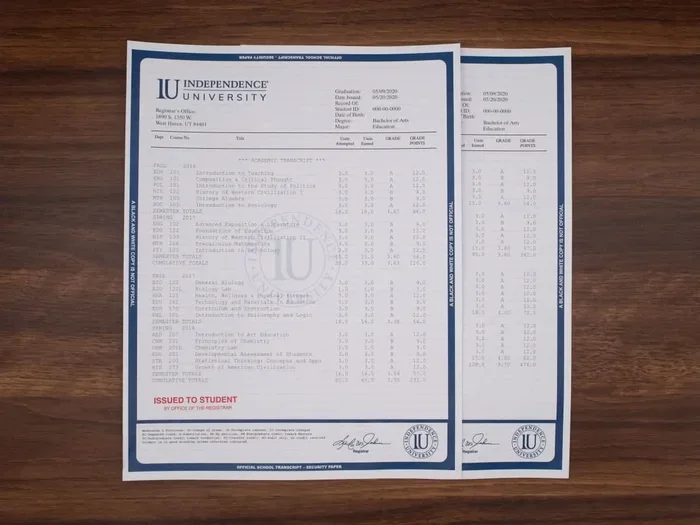
A continuing education transcript is an official record of all your completed courses, training, and professional development activities. It serves as proof of your ongoing learning and is essential for license renewals, career advancement, and certification maintenance. Whether you are a nurse, teacher, or real estate professional, understanding this document can save you time and stress.
Have you ever finished a training course and thought, “Where does all this go?” That is exactly where a continuing education transcript comes in. It is your official proof that you invested time in learning something new. Whether you are a healthcare worker, a teacher, or someone building a new career, this document matters more than you might think. In this guide, we will walk you through everything you need to know about this important record.
Many professionals underestimate the value of keeping good educational records. Your continuing education transcript is not just a piece of paper. It is a powerful tool that can open doors, help you renew licenses, and impress future employers. Let us break it all down in simple, easy-to-understand terms.
Key Takeaways
- Proof of Learning: A continuing education transcript officially documents every course and training you have completed.
- License Renewal: Most licensed professionals need this transcript to renew their certifications on time.
- Career Growth: Employers value candidates who can show a strong record of ongoing education and skill building.
- Easy to Request: Most continuing education providers offer simple ways to order or download your transcript.
- Keep Records Safe: Always store copies of your transcript in multiple safe places for future reference.
📑 Table of Contents
- What Is a Continuing Education Transcript?
- Why Does a Continuing Education Transcript Matter?
- How to Read and Understand Your Transcript
- Common Uses for a Continuing Education Transcript
- How to Request Your Continuing Education Transcript
- Tips for Managing Your Educational Records
- What If Your Transcript Has Errors?
- Final Thoughts
What Is a Continuing Education Transcript?
A continuing education transcript is a formal document that lists all the courses, workshops, seminars, and training programs you have completed after your initial degree or certification. Think of it as a report card for your adult learning journey. Unlike a traditional academic transcript from college, this one tracks professional development and lifelong learning activities.
The document typically includes key details for each course you completed. These details help verify your learning for employers and licensing boards alike. Here is what you will usually find listed:
- Course titles and descriptions
- Institution or provider name
- Dates of completion
- Hours or credits earned
- Certificate numbers when applicable
- Your full name and identifying information
Education has its own language full of colorful expressions. People often use idioms for education when talking about learning journeys, and metaphors for education to describe growth and knowledge. Similarly, your transcript tells the story of your ongoing learning in a structured, verifiable way. It turns abstract effort into concrete evidence.
Who Needs a Continuing Education Transcript?
Not everyone needs one, but many professionals do. The answer depends on your field and your goals. Here are some common groups who rely on this document regularly:
- Healthcare professionals like nurses, doctors, and therapists
- Teachers and educators at all grade levels
- Real estate agents and insurance professionals
- Engineers and licensed technical workers
- IT professionals pursuing certifications
- Counselors and social workers
- Anyone pursuing career changes or skill upgrades
If you fall into any of these categories, your continuing education transcript is probably something you should keep handy at all times.
Why Does a Continuing Education Transcript Matter?
You might wonder why this document gets so much attention. The truth is, it serves several critical purposes in your professional life. Let us explore the biggest reasons it matters.
License and Certification Renewal
This is the number one reason most people need their transcript. Almost every licensed profession requires ongoing education to maintain active status. Without proper documentation, you cannot renew your license. A continuing education transcript proves you met the required hours and topics for renewal. Missing a deadline because of lost records can cost you time, money, and even your ability to work in your field.
Think of it this way. Your license is like a passport for your career. The transcript is the stamp that keeps it valid. Just as you would not travel without a passport, you should not practice without your documentation in order.
Job Applications and Promotions
When you apply for a new role or seek a promotion, showing a strong record of learning sets you apart. Employers want to see that you invest in yourself. A well-organized transcript demonstrates initiative and dedication. It tells a clear story about your commitment to growth.
In competitive job markets, this can be the difference between getting hired or passed over. Your continuing education transcript speaks louder than a resume alone. It shows real, verifiable effort.
Professional Credibility
Colleagues and clients trust professionals who stay current. A solid transcript shows you are up to date with industry trends and best practices. It builds confidence in your expertise. People naturally gravitate toward those who keep learning.
Using similes for a person who continues to grow, we might say they are “like a tree that keeps adding new branches.” Your transcript is the record of those branches. It shows how far you have come and how much more you are ready to learn.
How to Read and Understand Your Transcript
If you have never looked closely at your continuing education transcript, the format might feel a bit confusing at first. But once you know what to look for, it becomes simple and straightforward. Let us walk through the key sections.
Personal Information Section
At the top of your transcript, you will find your name, date of birth, and sometimes your license or membership number. Always double-check that this information is correct. Errors here can cause delays when you submit the document for renewal or verification.
Course Listing Section
This is the heart of your transcript. Each completed course gets its own line item. You will see the course name, the provider, the date, and the number of hours or credits earned. Some transcripts group courses by category, which makes it easy to see how many hours you completed in specific areas.
When reviewing this section, look for any missing entries. If a course does not appear, contact the provider right away. It is much easier to fix a gap before a deadline arrives.
Summary and Totals Section
Most transcripts include a summary section at the bottom. This shows your total hours, total credits, and sometimes a breakdown by subject area. This section gives a quick snapshot of your overall progress. It is the part that licensing boards and employers often look at first.
Common Uses for a Continuing Education Transcript
Your transcript is not just for renewal purposes. It serves many practical functions throughout your career. Here are the most common ways professionals use this document.
- License renewal applications submitted to state boards
- Job applications where you need to prove ongoing training
- Promotion reviews that consider professional development
- Certification maintenance for specialized credentials
- Audit responses from licensing organizations
- Academic applications if you decide to pursue further formal education
- Immigration or visa processes that require proof of professional activity
Having your transcript ready makes all these processes smoother. It also helps you feel prepared and confident. Many professionals keep digital and physical copies so they can respond quickly whenever a request comes in.
Learning new skills is a lot like collecting items in a treasure chest. Each course adds another valuable piece. Using idioms for a lot, you could say that building your knowledge is like “a lot of small steps leading to a big journey.” Your transcript captures every one of those steps in one organized place.
How to Request Your Continuing Education Transcript
Getting your transcript is usually a simple process, but the steps vary by provider. Here is a general guide to help you navigate the request process smoothly.
Step 1: Identify Your Provider
Start by figuring out where you completed your courses. This could be an online learning platform, a university extension program, a professional association, or a training organization. Most providers keep records of your completion history in their system.
Step 2: Log Into Your Account
Visit the provider’s website and sign into your learner portal. Look for a section labeled “Transcript,” “Records,” or “History.” Many platforms allow you to download a copy directly from your account dashboard.
Step 3: Submit a Formal Request
If you cannot find your transcript online, you may need to submit a formal request. This usually involves filling out a form and possibly paying a small processing fee. Some providers respond within a few business days, while others may take a couple of weeks.
Step 4: Verify the Details
Once you receive your transcript, review every line carefully. Check names, dates, course titles, and credit hours. If anything looks off, contact the provider immediately to request a correction. Fixing errors early saves headaches later.
Step 5: Save Multiple Copies
Always keep at least two copies of your transcript. Store one digitally in a secure cloud folder and one physically in a safe place. Having backups means you will never be caught off guard by a sudden request.
For those who love learning through creative language, education is full of similes for education that capture the experience beautifully. Your transcript journey is like building a bridge, one course at a time. And just as metaphors for education describe learning as a light turning on, your transcript is the evidence of that illumination.
Tips for Managing Your Educational Records
Good record-keeping habits make life so much easier. Here are some practical tips to keep your educational documents organized and always within reach.
- Create a dedicated folder. Use a cloud storage folder just for your transcripts and certificates. Name it clearly and keep it updated after every course.
- Set calendar reminders. Mark renewal dates on your calendar and set reminders a few months ahead. This gives you time to pull your transcript if needed.
- Request transcripts immediately after completing courses. Do not wait until renewal time. The sooner you have the document, the better.
- Keep certificates separate. While your transcript provides the big picture, individual certificates serve as backup proof for specific courses.
- Update your records regularly. Make it a habit to review and update your files every quarter. This prevents last-minute scrambles.
- Know your state requirements. Different states have different rules for continuing education hours. Stay informed so you always meet the mark.
Following these simple habits will keep your continuing education transcript in excellent shape year after year. A little organization now saves a lot of stress later.
Common Mistakes to Avoid
Even the most careful professionals sometimes make mistakes with their transcripts. Here are the most common ones and how to avoid them:
- Waiting too long to request your transcript. Procrastination can lead to rushed submissions and missed deadlines.
- Not checking for errors. Small mistakes like misspelled names or wrong dates can cause rejection.
- Relying on memory instead of records. You will forget details over time. Always trust the document, not your memory.
- Keeping only one copy. If your only copy gets lost or corrupted, you will have to go through the entire request process again.
- Ignoring expiration dates. Some credits have expiration periods. Make sure your transcript reflects current, valid coursework.
Avoiding these pitfalls keeps your continuing education transcript accurate, complete, and ready whenever you need it.
What If Your Transcript Has Errors?
Errors happen, and they are usually easy to fix. The key is to act quickly. Contact your continuing education provider as soon as you spot a mistake. Most organizations have a correction process in place. You may need to provide proof of completion, such as a certificate or payment receipt.
Keep your communication professional and clear. State exactly what needs to be corrected and provide any supporting documents. Most providers resolve transcript errors within one to two weeks. Being proactive and polite goes a long way in getting quick results.
Final Thoughts
Your continuing education transcript is more than just a record. It is a reflection of your dedication, your growth, and your commitment to staying current in your field. Whether you need it for license renewal, a job application, or personal satisfaction, this document carries real weight.
Take the time to understand it, request it early, and store it safely. The small effort you put into managing your transcript today will pay off in big ways tomorrow. Keep learning, keep growing, and keep that transcript organized. Your future self will thank you.
Education is a journey filled with colorful language and powerful expressions. From idioms for education to similes for education, the way we talk about learning shapes how we value it. Your transcript is the tangible result of that journey. Treat it with the care and attention it deserves.
Frequently Asked Questions
What is the difference between a continuing education transcript and a regular academic transcript?
A regular academic transcript covers courses completed during formal degree programs like college or university. A continuing education transcript tracks professional development courses, workshops, and training completed after your initial degree. Both serve as official records, but they cover different types of learning.
How long does it take to receive a continuing education transcript?
Most providers issue transcripts within a few business days. Some online platforms offer instant downloads right after course completion. If you submit a formal request, it may take one to two weeks depending on the organization.
Can I use my continuing education transcript for multiple license renewals?
Yes, in most cases. Your transcript serves as a comprehensive record that you can submit for any relevant renewal. However, always check with your specific licensing board to confirm their requirements and acceptable documentation formats.
Is there a fee to request a continuing education transcript?
Some providers charge a small processing fee, while others offer transcripts at no cost. It depends on the organization. Check your provider’s website or contact their support team to find out before submitting a request.
What should I do if my continuing education provider is no longer operating?
If the provider has closed, try contacting the state licensing board for guidance. They may have archived records or alternative verification methods. You should also check if your course completion certificates are still available as backup documentation.
How often should I update my continuing education records?
You should update your records after every completed course or training session. A good habit is to review and organize your files quarterly. This ensures your continuing education transcript stays current and ready for any unexpected requests.


