
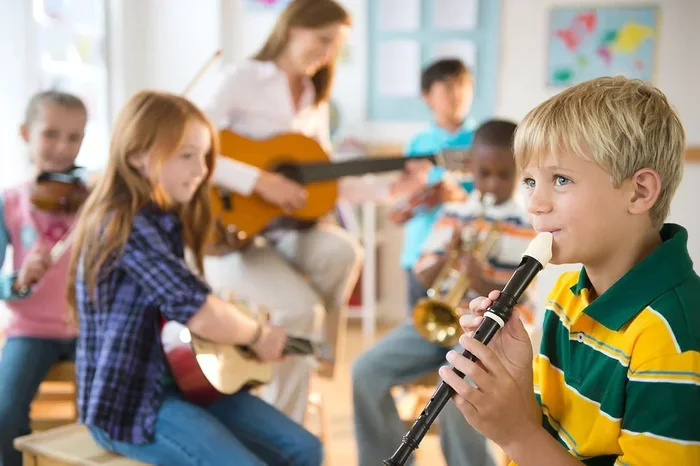
Music education is important because it shapes how young brains grow, learn, and connect with the world. Children who engage with music develop stronger memory, better focus, and improved emotional skills. Learning music early builds confidence, creativity, and discipline that last a lifetime. This guide breaks down every reason why music matters for kids and how parents and educators can support musical growth.
Music is everywhere. It plays in our cars, fills our homes, and moves us in ways words sometimes cannot. But beyond entertainment, music holds a special power for young minds. Why is music education important for children? The answer goes far deeper than learning a song or playing an instrument.
Research shows that music shapes the developing brain in profound ways. It boosts memory, sharpens focus, and builds pathways that support reading, math, and creative thinking. When children engage with music early, they gain skills that help them in school and in life. Music education is important because it gives kids tools they carry forever.
In this article, we explore every major reason music matters for young learners. We also share practical tips for parents and teachers who want to bring more music into children’s lives. Whether your child picks up a guitar, sings in a choir, or just claps along to a beat, the benefits are real and lasting.
Key Takeaways
- Brain Boost: Music education strengthens neural connections that support learning, memory, and problem-solving.
- Academic Gains: Kids who study music often perform better in math, reading, and language arts.
- Emotional Growth: Music helps children express feelings, build empathy, and manage stress.
- Social Skills: Group music activities teach teamwork, communication, and cooperation.
- Discipline and Confidence: Practicing an instrument builds patience, goal-setting, and self-esteem.
- Early Start Matters: The younger a child starts, the greater the long-term cognitive and creative benefits.
- Lifelong Love of Learning: Music fosters curiosity and a growth mindset that extends beyond the classroom.
📑 Table of Contents
- How Music Shapes the Developing Brain
- Music and Academic Performance
- Emotional and Social Benefits of Music Education
- Music Education and Creativity
- Music Education and Discipline
- When to Start Music Education
- How Parents and Educators Can Support Music Education
- Common Myths About Music Education
- Conclusion
How Music Shapes the Developing Brain
Children’s brains are like sponges. They absorb information at a remarkable pace, and music accelerates this process. When a child listens to a melody, tries to sing a note, or plays a rhythm on a drum, multiple brain areas light up at once. This simultaneous activity builds stronger neural connections.
The Science Behind Music and Brain Development
Studies from neuroscience research show that music training changes brain structure. The corpus callosum, which connects the left and right hemispheres, becomes more developed in young musicians. This means music education improves communication between brain regions.
Here is what happens inside a child’s brain during musical activity:
- Auditory processing sharpens, helping kids distinguish subtle sounds and patterns.
- Motor skills develop as fingers, hands, and breath coordinate with rhythm.
- Memory centers grow stronger through repeated practice and recall of melodies.
- Emotional regulation improves as children learn to express and control feelings through sound.
These changes do not happen overnight. They build over time with consistent practice. But even short bursts of musical engagement make a difference. Why is music education important for brain growth? Because it creates a foundation that supports all other learning.
Music and Academic Performance
One of the most compelling reasons to invest in music education is its impact on school performance. Many parents wonder whether time spent on music takes away from study time. The truth is the opposite. Music actually enhances academic abilities.
Music and Math Skills
Music is built on patterns, fractions, and ratios. When a child learns rhythm, they are essentially working with division. When they read sheet music, they decode symbols and sequences. These skills transfer directly to math learning.
Research from the University of California found that children who received regular music instruction scored higher on spatial-temporal reasoning tests. This type of reasoning is essential for solving complex math problems and understanding geometry.
Music and Reading and Language
Learning music also strengthens language skills. Music training improves phonological awareness, which is the ability to hear and manipulate sounds in words. This is the same skill that drives reading success.
Children who study music tend to have larger vocabularies and better reading comprehension. They learn to pick up on tone, inflection, and meaning in spoken language. Music education is important because it trains the ear to catch nuances that support both music and literacy.
General Academic Benefits
Beyond math and reading, music supports overall academic growth:
- Improved concentration: Playing an instrument requires sustained attention, which trains focus for classroom learning.
- Better test scores: Studies show that students with music experience often outperform peers on standardized tests.
- Stronger problem-solving: Music encourages creative thinking and the ability to approach challenges from multiple angles.
- Enhanced learning retention: Musical mnemonics help kids remember information more effectively.
Think of music as a workout for the brain. Just as exercise strengthens the body, music training strengthens cognitive abilities that serve children in every subject.
Emotional and Social Benefits of Music Education
Learning music is not just an intellectual exercise. It is deeply emotional and social. Children who engage with music develop emotional intelligence and interpersonal skills that serve them throughout life.
Music as a Tool for Emotional Expression
Young children often lack the words to express complex feelings. Music gives them a safe outlet. A child might not be able to say they feel sad, but they can play a slow, gentle melody. They can drum softly when they feel calm or sing loudly when they feel joyful.
This emotional vocabulary is invaluable. Music education is important because it teaches children to identify, process, and communicate their feelings in healthy ways. Over time, kids who study music develop greater emotional resilience.
Building Confidence and Self-Esteem
There is something magical about watching a child play their first song on an instrument. That moment of accomplishment builds a sense of pride and self-worth. Each new piece mastered adds to their confidence.
Music also teaches kids to handle mistakes gracefully. Every musician hits a wrong note or loses the beat. Learning to keep going, try again, and improve builds a growth mindset. This mindset applies to school, friendships, and every challenge they will face.
Social Skills Through Group Music
When children play music together, they learn to listen, cooperate, and synchronize. Band and choir activities require constant communication without words. Each member must pay attention to others and adjust their playing accordingly.
Group music teaches:
- Teamwork: Every player contributes to a shared sound.
- Patience: Waiting for your turn and supporting others builds empathy.
- Communication: Non-verbal cues and musical signals sharpen social awareness.
- Community: Making music together creates bonds and a sense of belonging.
These social lessons are just as valuable as the musical ones. Children who participate in group music activities often become more collaborative and supportive classmates.
Music Education and Creativity
In a world that increasingly values innovation, creativity is one of the most important skills we can give children. Music education is important because it nurtures creative thinking in ways few other subjects can.
How Music Sparks Imagination
When children compose their own songs or improvise melodies, they exercise their imagination. They make choices about tempo, mood, and rhythm. They experiment with sounds and combinations. This creative process strengthens the same brain networks used in art, writing, and problem-solving.
Music also teaches children that there are no wrong answers in creative expression. A dissonant chord can sound beautiful in the right context. A strange rhythm can become the foundation of a new song. This openness to experimentation encourages kids to think outside the box.
Metaphors and Learning Through Music
Music is full of metaphors for education. A crescendo teaches about building intensity. A rest teaches about the power of pause. These musical concepts mirror life lessons about growth, patience, and timing. Children absorb these metaphors naturally, often without even realizing they are learning.
Similarly, similes for education appear in music instruction all the time. Teachers compare rhythm to a heartbeat or melody to a story. These comparisons help kids grasp abstract concepts through familiar, concrete images. The way music uses figurative language makes learning feel playful and memorable.
Even idioms for education find their way into musical learning. Phrases like “finding your voice” or “hitting the right note” carry deeper meanings that children absorb through the act of making music itself. Music gives these expressions real, felt context.
Music Education and Discipline
Learning an instrument is not easy. It requires regular practice, patience, and persistence. These demands, while challenging, are exactly what make music so valuable for young minds.
Building a Practice Routine
When a child commits to learning music, they learn to set goals and follow through. They practice scales, work on difficult passages, and track their progress over weeks and months. This process builds discipline that transfers to homework, chores, and future responsibilities.
Here is how music practice teaches discipline:
- Consistency: Regular practice, even for short periods, builds a habit of commitment.
- Goal-setting: Each lesson introduces a new challenge to work toward.
- Delayed gratification: Mastery takes time, teaching kids that effort leads to results.
- Self-regulation: Children learn to manage frustration and stay motivated on their own.
Patience and Resilience
Every young musician faces moments of difficulty. A piece might feel impossible at first. A performance might not go as planned. These experiences teach children that struggle is a natural part of growth. Music education is important because it gives kids a safe space to fail, learn, and try again.
This resilience becomes a core part of their character. Children who have navigated the challenges of learning an instrument are better equipped to handle setbacks in other areas of life.
When to Start Music Education
Many parents ask when is the right age to begin music lessons. The good news is that it is never too early to introduce children to music.
Early Childhood (Ages 0-5)
Even babies respond to music. Singing lullabies, playing simple percussion instruments, and dancing together all introduce musical concepts. At this age, the goal is exposure and enjoyment, not formal instruction.
Early childhood music programs focus on:
- Singing simple songs and nursery rhymes
- Clapping, stomping, and moving to rhythms
- Exploring different sounds and instruments
- Developing a sense of pitch and tempo through play
School-Age Children (Ages 6-12)
This is the ideal window for formal music instruction. Children’s brains are primed for learning complex skills, and they have the attention span for structured lessons. Many experts recommend starting instrument lessons around age six or seven.
During this stage, children can:
- Learn to read basic sheet music
- Choose an instrument that interests them
- Join school bands, orchestras, or choirs
- Develop technical skills and musical theory
Teenagers (Ages 13+)
It is never too late to start. Teenagers who begin music education benefit from the same cognitive and emotional advantages. They may also find music serves as a powerful form of self-expression during a challenging developmental stage.
The key is finding a program or teacher that matches the child’s interests and skill level. A positive musical experience at any age can spark a lifelong passion.
How Parents and Educators Can Support Music Education
Not every family can afford private lessons or expensive instruments. The good news is that there are many affordable and creative ways to bring music into a child’s life.
Simple Ways to Encourage Musical Growth at Home
- Sing together: Singing is free and one of the most powerful musical activities for children.
- Play music daily: Create playlists of different genres and discuss what your child likes about each.
- Use household items as instruments: Pots, spoons, and empty containers can become drums and shakers.
- Attend live performances: Community concerts, school shows, and open mic nights make music come alive.
- Download free apps: Many apps teach rhythm, pitch, and basic music theory at no cost.
Advocating for Music in Schools
Music programs in schools are often the first to face budget cuts. Parents and educators can advocate for keeping these programs strong. Research consistently shows that schools with robust music education see better overall student outcomes.
Here are ways to support music education in your community:
- Attend school board meetings and voice support for music programs
- Volunteer to help with school concerts and music events
- Donate instruments or organize instrument drives
- Partner with local music organizations for workshops and resources
- Share research and success stories about music education with other parents
When communities invest in music education, every child benefits. Music education is important not just for individual growth but for building a more creative, empathetic, and connected society.
Common Myths About Music Education
Several myths prevent families from prioritizing music. Let us clear them up.
- Myth: Music is a luxury, not a necessity. Truth: Music is a fundamental part of human development. It enhances learning across all subjects.
- Myth: Only talented children should study music. Truth: Music is for every child. Talent is developed through practice, not born with.
- Myth: Music takes time away from academics. Truth: Music boosts academic performance and makes learning more engaging.
- Myth: You need expensive instruments to start. Truth: Many community programs offer free or low-cost instruments and lessons.
- Myth: It is too late if a child starts after age ten. Truth: Benefits of music education exist at every age. Starting later is always better than not starting at all.
These myths can hold children back from experiences that could shape their futures. Why is music education important? Because every child deserves the chance to discover what music can do for their mind, heart, and spirit.
Conclusion
Music education is important for young minds in ways that go far beyond the music room. It strengthens the brain, boosts academic performance, builds emotional intelligence, and fosters creativity and discipline. Children who engage with music early gain skills and confidence that serve them for the rest of their lives.
Whether through formal lessons, school programs, or simple singing at home, every child deserves access to the transformative power of music. As parents, teachers, and communities, we have the opportunity to make that happen.
Start small. Sing a song together. Clap a rhythm. Let a child explore a new sound. These simple moments plant seeds that grow into a lifelong love of learning and self-expression. Why is music education important? Because it gives young minds the gift of sound, rhythm, and the joy of creating something beautiful.
Frequently Asked Questions
What age should a child start music education?
Children can begin engaging with music as early as infancy through singing, dancing, and listening. Formal instrument lessons are most effective when started around age six or seven, though it is never too late to begin. The key is to make music fun and age-appropriate at every stage.
How does music education affect a child’s brain?
Music education strengthens neural connections across multiple brain regions. It improves auditory processing, memory, motor skills, and emotional regulation. These brain changes support better learning in all academic areas and contribute to long-term cognitive health.
Can music education help children with learning disabilities?
Yes, research shows that music can be a powerful tool for children with learning differences. Rhythm and melody can aid memory, and music-based interventions have shown success in improving reading, speech, and motor coordination in children with various challenges.
Is music education only about learning an instrument?
Not at all. Music education includes singing, listening, moving, composing, and appreciating different genres. It also involves understanding rhythm, pitch, and musical notation. The goal is to develop a well-rounded musical understanding and a lifelong connection to music.
How can parents support music education on a tight budget?
Parents can sing with their children, use free online resources and apps, attend community music events, and explore school or library music programs. Many communities also offer free instrument lending libraries and sliding-scale lessons through nonprofit organizations.
What are the long-term benefits of childhood music education?
Long-term benefits include stronger academic skills, better emotional regulation, higher self-confidence, enhanced creativity, and a deeper appreciation for culture and expression. Many adults also credit childhood music education with providing a lifelong source of joy, stress relief, and social connection.
=== META TITLE ===
Why Music Education Matters for Young Minds
=== URL SLUG ===
/why-is-music-education-important-for-young-minds
=== SEO TITLE ===
Why Is Music Education Important for Young Minds


