
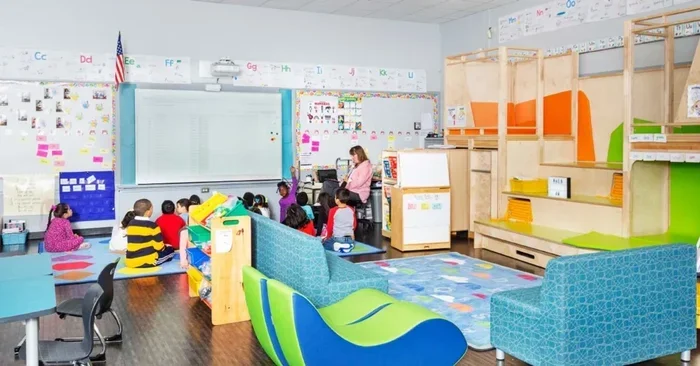
Progressivism in education is a teaching philosophy that puts students at the center of learning. It focuses on hands-on experiences, critical thinking, and real-world problem-solving instead of rote memorization. This approach, rooted in the ideas of John Dewey, reshapes how teachers design curriculum and interact with learners. Understanding progressivism in education helps parents, teachers, and students appreciate why modern classrooms look and feel so different from traditional setups.
Progressivism in education is a teaching philosophy that believes learning works best when students are actively involved in the process. Instead of sitting quietly and listening to a teacher talk for an hour, students explore, question, and create. This approach treats education as a living experience, not just a set of facts to memorize.
The core idea is simple but powerful. When students engage with real problems and hands-on activities, they retain knowledge much better. Progressivism in education shifts the focus from the teacher as the sole source of knowledge to the student as an active participant in their own learning journey.
This philosophy has shaped modern classrooms around the world. It influences how teachers plan lessons, design assessments, and build relationships with their students. Whether you are a parent, a teacher, or a curious learner, understanding progressivism in education gives you a clearer picture of why schools are changing.
Key Takeaways
- Student-Centered Focus: Progressivism shifts the classroom from teacher-led lectures to active, learner-driven experiences.
- Real-World Relevance: Students learn by doing, connecting lessons to everyday life and practical challenges.
- Built on John Dewey’s Ideas: The philosophy draws from one of the most influential educational thinkers in history.
- Encourages Collaboration: Group work and democratic classroom practices prepare students for real social environments.
- Not Without Criticism: Some argue it lacks structure and may not suit all learning styles or standardized testing needs.
- Growing Popularity: More schools are adopting progressive methods to boost student engagement and deeper understanding.
📑 Table of Contents
- What Is Progressivism in Education and Where Did It Come From?
- Core Principles of Progressivism in Education
- How Progressivism in Education Looks in the Classroom
- Benefits and Challenges of Progressivism in Education
- Progressivism in Education vs. Traditional Education
- Putting Progressivism in Education Into Practice
What Is Progressivism in Education and Where Did It Come From?
The foundation of progressivism in education traces back to the late 19th and early 20th centuries. John Dewey, an American philosopher and educator, is widely regarded as the father of this movement. He believed that education should not be about passive absorption but about active participation in a democratic society.
Dewey argued that schools should mirror real life. Students learn best when they solve problems that feel relevant and meaningful. His ideas spread quickly and influenced educators across the United States and beyond. Today, progressive education continues to evolve while staying true to Dewey’s core beliefs.
Other thinkers contributed too. Maria Montessori developed methods that emphasized self-directed learning. Jean Piaget explored how children think and learn at different stages. Together, these pioneers built the intellectual foundation that supports progressivism in education today. Their work showed that student-centered learning produces deeper, longer-lasting results than passive instruction alone.
Core Principles of Progressivism in Education
Understanding the core principles helps you see why progressivism in education works so well. These principles guide every aspect of the teaching and learning process.
Learning by Doing
One of the most important principles is experiential learning. Students do not just read about science — they conduct experiments. They do not just study history — they role-play historical events and debate different perspectives.
This hands-on approach makes learning memorable. When a student builds a model bridge to understand physics concepts, the lesson sticks. Active learning through real activities creates deeper understanding than any textbook alone. This principle also supports inquiry-based learning, where students drive their own discovery process.
Student-Centered Approach
In a traditional classroom, the teacher lectures and students listen. In a progressive classroom, the dynamic flips. Student-centered learning means the teacher acts as a guide rather than a lecturer.
Students choose projects that interest them. They ask questions and drive the discussion. This learner-centered approach respects individual differences and encourages curiosity. Every student feels valued because their voice matters in the classroom. The curriculum design flexes to meet diverse needs instead of forcing everyone into the same mold.
Integration of Subjects
Progressive education breaks down the walls between subjects. A single project might combine science, math, and writing. Students see how knowledge connects across disciplines.
This integrated curriculum design reflects how we use knowledge in real life. We rarely use just one subject at a time. By blending topics, progressivism in education prepares students for the complexity of the real world. Teachers might design a project where students measure a garden plot, calculate materials, and write a proposal — all in one lesson.
Democratic Classroom Practices
John Dewey believed that schools should be miniature democracies. Students learn civic responsibility by participating in classroom decisions. They vote on class rules, collaborate on group projects, and resolve conflicts together.
These democratic classroom practices teach important social skills. Students learn to listen, compromise, and respect different viewpoints. This aspect of progressive education prepares young people for active citizenship. It also builds a sense of belonging that strengthens student engagement throughout the year.
How Progressivism in Education Looks in the Classroom
Wondering what progressivism in education actually looks like day to day? Let us walk through some concrete examples.
Project-Based Learning
Project-based learning is a hallmark of progressive classrooms. Instead of memorizing facts from a chapter, students work on extended projects that address real questions.
For example, a group of students might design a sustainable garden for their school. They research plants, calculate soil needs, write proposals, and present their ideas to the principal. This single project covers science, math, writing, and public speaking. Project-based learning turns education into something students genuinely care about. It also develops collaborative learning skills that matter in every career.
Inquiry-Based Teaching Methods
Inquiry-based learning starts with a question, not an answer. The teacher poses a problem and lets students explore ways to solve it. This method builds critical thinking and independence.
For instance, instead of telling students that water evaporates, a teacher might ask, “Where does the water go when a puddle disappears?” Students then design experiments, make observations, and draw their own conclusions. This approach makes learning feel like discovery, not just delivery. It also strengthens real-world application skills that students use far beyond the classroom.
Use of Educational Language and Expression
Teachers in progressive classrooms often use vivid language to spark curiosity. They draw on figures of speech to make abstract concepts feel tangible. For instance, a teacher might use a simile for education to help students compare different learning styles, or employ a metaphor for education to describe the journey of knowledge as a path through a forest. These creative language tools make lessons more engaging and memorable.
Similarly, common idioms for education like “the sky’s the limit” or “building blocks of knowledge” appear frequently in progressive classrooms. Teachers use such expressions to inspire students and create a rich, expressive learning environment. This kind of language play supports the student engagement that lies at the heart of progressivism in education.
Benefits and Challenges of Progressivism in Education
Progressivism in education offers many advantages for students and teachers alike. Here is why more schools are embracing this approach.
The Benefits
Students in progressive classrooms do not just memorize information for a test and forget it the next day. They develop a deep, lasting understanding of concepts. When learning connects to real experiences, the brain retains information more effectively.
Because students regularly tackle open-ended problems, they become confident problem solvers. They learn to analyze situations, consider multiple solutions, and think creatively. These critical thinking skills serve them well beyond school. Student engagement rises naturally when learners have a say in their education. Students who once struggled to pay attention become excited about projects and discussions.
The modern world demands adaptability, creativity, and teamwork. Progressive education develops all of these skills. Students graduate not just with knowledge but with the ability to apply it in new situations. Collaborative work and democratic practices also help students grow emotionally. They learn to manage conflict, show empathy, and work respectfully with diverse peers.
The Challenges
No educational philosophy is perfect. Progressivism in education faces its share of criticisms, and it is important to understand them honestly.
Some critics argue that progressive classrooms lack the structure needed for disciplined learning. Without clear guidelines, certain students may struggle to stay focused. Teachers must work hard to balance freedom with clear expectations. In a system driven by standardized tests, progressive education can feel at odds with requirements. Teachers who emphasize exploration and projects may find it hard to prepare students for rigid exam formats.
While many students thrive in progressive settings, others prefer more direct instruction. Some learners need clear, structured guidance before they can explore independently. Teachers must differentiate their teaching methods to meet diverse needs. Project-based and experiential learning also often requires more materials, time, and planning. Schools with limited budgets may struggle to implement these methods fully.
Progressivism in Education vs. Traditional Education
To truly understand progressivism in education, it helps to compare it with traditional approaches. Here is a side-by-side look.
| Aspect | Traditional Education | Progressive Education |
|---|---|---|
| Role of Teacher | Lecturer and authority figure | Guide and facilitator |
| Focus | Teacher-centered instruction | Student-centered learning |
| Method | Lecture and memorization | Hands-on, experiential activities |
| Assessment | Standardized tests and grades | Portfolio-based and project evaluations |
| Curriculum | Fixed and subject-segregated | Flexible and integrated across subjects |
| Student Role | Passive recipient of information | Active participant and explorer |
| Classroom Setup | Rows of desks facing the teacher | Flexible seating and collaborative spaces |
The comparison table above highlights the stark differences between the two approaches. Neither is entirely right or wrong. Many modern schools blend elements of both to create a balanced educational philosophy that serves all learners. The key is knowing when to use direct instruction and when to let students explore freely.
Putting Progressivism in Education Into Practice
If you want to bring more progressive practices into your classroom or home, here are some practical tips.
- Start small. Add one project-based activity per week. You do not need to overhaul your entire approach overnight.
- Ask open-ended questions. Replace “What is the answer?” with “What do you think will happen if…?” This simple shift encourages inquiry-based learning.
- Let students choose. Offer a few project topics and let learners pick the one that excites them most. This boosts student engagement immediately.
- Create a class council. Hold regular meetings where students vote on classroom decisions. This builds democratic classroom habits.
- Connect lessons to real life. Show students how what they learn applies to jobs, hobbies, and everyday challenges. This makes real-world application feel natural.
- Reflect and adjust. Ask students what is working and what is not. Their feedback helps you refine your classroom practices continuously.
Educational researchers consistently find that progressive education produces strong long-term outcomes. Studies show that students who learn through exploration develop stronger critical thinking skills and retain knowledge longer than those who rely solely on lectures. Technology also plays a growing role. Digital tools enable experiential learning through virtual simulations, interactive projects, and global collaborations. As educational systems continue to evolve, progressivism in education will likely play an even bigger role in shaping how young people learn and grow.
Progressivism in education represents a powerful shift in how we think about teaching and learning. It moves the focus from memorization to understanding, from passive listening to active exploration, and from rigid structures to flexible, student-driven experiences. Rooted in the ideas of John Dewey and supported by decades of research, this philosophy continues to shape classrooms around the globe.
Like any approach, progressivism in education comes with challenges. It demands skilled teachers, adequate resources, and a willingness to adapt. But the rewards — deeper learning, stronger engagement, and better preparation for life — make the effort worthwhile. Whether you are a teacher looking to refresh your classroom practices, a parent exploring school options, or simply someone curious about how learning works, understanding progressivism in education gives you valuable insight into the future of education. Embrace the ideas, try small changes, and watch how they transform the learning experience for everyone involved.
Frequently Asked Questions
What is progressivism in education in simple terms?
Progressivism in education is a teaching approach that focuses on learning by doing. Instead of just listening to lectures and memorizing facts, students explore real problems, work on projects, and think critically. It puts the student at the center of the learning experience.
Who founded progressivism in education?
John Dewey is widely recognized as the founder of progressive education. He was an American philosopher and educator in the late 1800s and early 1900s who believed schools should prepare students for active participation in a democratic society through hands-on, experiential learning.
How is progressivism different from traditional education?
Traditional education tends to be teacher-centered, with lectures, memorization, and standardized tests. Progressivism in education flips this model by making students active participants. It emphasizes hands-on projects, collaborative work, and real-world problem-solving over passive learning.
What are the main benefits of progressivism in education?
The benefits include deeper understanding of concepts, stronger critical thinking skills, higher student engagement, better social and emotional growth, and improved preparation for real-world challenges. Students learn not just what to think but how to think.
Can progressivism in education work alongside standardized testing?
It can be challenging because progressive methods focus on exploration rather than test prep. However, many schools successfully blend both approaches. Teachers use progressive techniques to build deep understanding, and then help students apply that knowledge in test settings when needed.
Is progressivism in education suitable for all age groups?
Yes, the principles of progressive education can be adapted for all ages, from early childhood through high school. Younger students benefit from hands-on play and exploration, while older students thrive with complex projects and inquiry-based challenges. The key is tailoring methods to developmental stages.


