
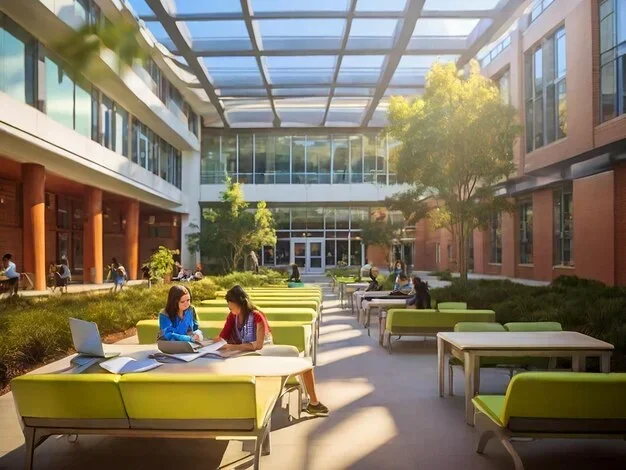
College is a form of higher education that offers academic programs, degree pathways, and real-world skills beyond high school. It provides students with a structured learning environment where they explore majors, build critical thinking abilities, and prepare for careers. Understanding the kind of education college delivers helps you make informed decisions about your future and maximize every opportunity available.
So, what kind of education is college, really? Many people think of college as just the next step after high school. But it is so much more than that. College education is a structured path that combines learning, personal growth, and career preparation into one powerful experience. Whether you are stepping onto a campus for the first time or returning as a working adult, understanding what college truly offers can change the way you approach your future.
The kind of education college provides is unique. It is not just about memorizing facts for exams. It is about developing a deeper understanding of subjects, building independence, and preparing for real-world challenges. In this guide, we will break down everything you need to know about higher education and why it matters so much in today’s world.
Key Takeaways
- College offers diverse degree programs: From associate degrees to doctoral programs, there are many paths to choose from based on your goals.
- Higher education builds career-ready skills: College goes beyond textbooks and develops critical thinking, communication, and problem-solving abilities.
- Campus life shapes personal growth: The college experience fosters independence, social connections, and leadership opportunities.
- Multiple types of institutions exist: Community colleges, universities, liberal arts colleges, and vocational schools all serve different needs.
- Financial investment pays long-term dividends: College graduates typically earn more and enjoy better job stability over a lifetime.
- Academic achievement opens doors: Strong grades and active involvement in college lead to scholarships, internships, and better career outcomes.
📑 Table of Contents
Defining College Education: What Exactly Is It?
At its core, college is a level of higher education that comes after secondary school. It is a place where students dive deeper into subjects they are passionate about. College degree programs vary widely, and each one is designed to equip students with specific knowledge and skills.
Unlike high school, college gives you more freedom. You choose your courses. You pick your major. You decide how to balance study and social life. This freedom comes with responsibility, and that is exactly what makes college such a valuable experience.
The Different Levels of College Education
Not all college paths look the same. Here are the main levels of academic programs you can pursue:
- Associate Degree: A two-year program often offered at community colleges. It provides foundational knowledge in a specific field.
- Bachelor’s Degree: A four-year degree from a university or college. This is the most common undergraduate credential.
- Master’s Degree: An advanced degree that usually takes one to three years after a bachelor’s. It focuses on specialized knowledge.
- Doctoral Degree: The highest level of academic achievement. Programs can take three to seven years and involve original research.
- Professional Degrees: These include law, medicine, and business degrees that prepare students for specific careers.
Each level of higher learning opens different doors. Your choice depends on your career goals, interests, and the time you are willing to invest.
Types of Colleges and Institutions
Not all schools are the same. The educational journey looks different depending on where you go. Let us explore the main types of institutions that offer college education.
Community Colleges
Community colleges are affordable, accessible, and practical. They offer associate degrees and certificate programs. Many students start at a community college and then transfer to a four-year university. This path saves money and gives you time to explore your interests before committing to a specific major.
Universities
Universities are larger institutions that offer both undergraduate and graduate programs. They tend to have a wide range of degree programs, research opportunities, and campus facilities. Universities often have larger class sizes, especially in the first two years, but they also provide access to professors who are leaders in their fields.
Liberal Arts Colleges
Liberal arts colleges focus on broad-based education rather than narrow career training. They emphasize critical thinking, communication, and creativity. If you want a well-rounded educational experience that prepares you for many different career paths, a liberal arts college could be a great fit.
Vocational and Technical Schools
These schools focus on hands-on training for specific trades and professions. Programs in welding, nursing, automotive repair, and IT are common. Vocational education is ideal if you want to enter the workforce quickly with practical, job-ready skills.
Why College Education Matters
The value of college education goes far beyond earning a diploma. It shapes who you become as a person and as a professional. Here is why it matters so much.
Career Opportunities and Earning Potential
Statistics consistently show that college graduates earn more over their lifetimes than those without a degree. A four-year degree opens doors to careers in engineering, healthcare, business, education, and many other fields. Employers often look for candidates with formal education because it signals discipline, dedication, and specialized knowledge.
Here are some key benefits of attending college for your career:
- Higher average starting salaries compared to non-graduates
- Access to internships and professional networks
- Greater job stability and benefits packages
- Opportunities for advancement and leadership roles
- A competitive edge in a crowded job market
Personal Growth and Independence
College is not just an academic experience. It is a personal one. Living away from home, managing your schedule, and making decisions on your own build confidence and resilience. The college experience teaches you how to navigate real-world situations, handle responsibility, and interact with people from diverse backgrounds.
Many students describe college as the time they truly learned who they are. The friendships, challenges, and successes all contribute to a deeper sense of identity and purpose.
Critical Thinking and Communication Skills
One of the most valuable outcomes of higher education is the development of critical thinking. College courses challenge you to analyze information, form arguments, and communicate your ideas clearly. These skills apply to every area of life, from the workplace to personal relationships.
Whether you are writing a research paper, presenting a project, or debating a topic in class, college sharpens your ability to think on your feet and express yourself with clarity.
Choosing the Right College Education for You
With so many options available, choosing the right path can feel overwhelming. But it does not have to be. Here are some practical steps to help you decide.
Identify Your Goals
Start by asking yourself what you want to achieve. Do you want a specific career that requires a degree? Are you looking for personal enrichment? Do you want to transfer to a university after two years? Your goals will guide your choice of institution and program.
Consider Your Financial Situation
College is an investment, and finances matter. Look at tuition costs, available scholarships, financial aid, and work-study programs. Community colleges offer the most affordable entry point, while universities may provide more scholarship opportunities for high-achieving students.
Visit Campuses and Talk to Students
There is no substitute for experiencing a campus firsthand. Visit schools, attend open houses, and talk to current students. Ask about class sizes, support services, and campus culture. The right fit feels right when you are there.
Explore Your Interests Through Electives
One of the best things about college majors is the freedom to explore. Take electives in subjects you have never tried before. You might discover a passion you never knew you had. This exploration is a key part of the academic achievement journey.
Common Mistakes Students Make in College
Even the most motivated students can stumble during their educational journey. Here are some common mistakes to avoid:
- Choosing a major too quickly. Give yourself time to explore different subjects before committing to a specific path.
- Skipping classes. Attendance matters. Missing lectures means missing key concepts and connections with professors.
- Not using campus resources. Libraries, tutoring centers, career services, and counseling are all available to help you succeed.
- Ignoring networking opportunities. The relationships you build in college can lead to internships, mentorships, and job offers down the road.
- Overlooking mental health. College can be stressful. Prioritize self-care and seek support when you need it.
Avoiding these pitfalls will help you make the most of your time and set yourself up for long-term student success.
Expert Insights on College Education
Educators and career advisors consistently emphasize one message: college education is about more than grades. It is about growth. According to studies on academic achievement, students who actively participate in campus life, seek mentorship, and engage with their coursework tend to have stronger outcomes after graduation.
Dr. Laura Simmons, a professor of higher education, notes that “college is the bridge between adolescence and adulthood. It is where young people learn to think independently, collaborate effectively, and prepare for the demands of the modern workforce.”
Similarly, career counselors highlight that employers value the soft skills developed in college — teamwork, adaptability, and communication — just as much as technical knowledge. These transferable skills are what make college graduates stand out in the job market.
When students draw inspiration from their studies, they often use creative language to describe their journey. For instance, comparing the path to graduation with a winding road using similes for education helps capture the ups and downs of academic life. Likewise, describing the transformation students undergo during their college years with metaphors for education brings the emotional depth of the experience to life. And when students navigate the unwritten rules of campus culture, idioms for education perfectly capture those shared expressions that only insiders understand.
The Future of College Education
The landscape of higher education is evolving rapidly. Online learning, hybrid programs, and micro-credentials are changing how people access college education. These innovations make it more flexible and accessible for non-traditional students, working adults, and those with family responsibilities.
Technology is also transforming the classroom. Virtual labs, AI-powered tutoring, and digital collaboration tools are making learning more interactive and personalized. The future of college education is bright, and it is more inclusive than ever before.
Despite these changes, the core value of college remains the same. It is a place where people grow intellectually, professionally, and personally. The college experience continues to be one of the most transformative periods in a person’s life.
Key Takeaways
- College is a form of higher education: It offers structured academic programs that go beyond secondary school and prepare students for careers and personal growth.
- Multiple degree levels exist: From associate degrees to doctoral programs, there is a path for every goal and timeline.
- Different institutions serve different needs: Community colleges, universities, liberal arts colleges, and vocational schools each offer unique benefits.
- College builds career-ready skills: Critical thinking, communication, and problem-solving are just as valuable as technical knowledge.
- The college experience fosters independence: Living, learning, and growing on campus shapes students into confident, capable adults.
- Avoiding common mistakes leads to success: Stay engaged, use campus resources, and prioritize your well-being throughout your journey.
- The future of college is evolving: Online learning and new technologies are making higher education more accessible than ever.
Conclusion
College education is one of the most impactful investments you can make in your future. It provides knowledge, skills, connections, and experiences that shape your personal and professional life. Whether you are pursuing a four-year degree, starting at a community college, or exploring vocational training, the kind of education college offers has the power to transform your trajectory.
The college experience is not just about earning a diploma. It is about becoming the best version of yourself. It is about learning how to think critically, communicate effectively, and navigate a complex world with confidence. So, whatever path you choose, embrace it fully. The opportunities that come with higher education are well worth the effort.
Start today. Explore your options. Take the first step toward a brighter future through college education. Your journey begins now.
Frequently Asked Questions
What kind of education is college considered?
College is considered a form of higher education that comes after secondary school. It includes undergraduate and graduate programs offered by universities, colleges, and vocational institutions. College education provides both academic knowledge and practical skills for career preparation.
How is college different from high school education?
College offers more freedom and responsibility than high school. Students choose their own courses and majors, manage their schedules, and engage in deeper, more specialized learning. The college experience also emphasizes independent thinking and self-directed study in ways high school does not.
Can you succeed in college without a four-year degree?
Absolutely. Many successful careers are built on associate degrees, vocational certifications, or two-year programs from community colleges. The kind of education college provides comes in many forms, and each path can lead to rewarding career opportunities.
What are the most popular college majors students choose?
Popular majors include business, nursing, computer science, psychology, and education. However, the best major for you depends on your interests, strengths, and career goals. Exploring different subjects during your first years is a smart strategy.
Is college education worth the financial investment?
Research consistently shows that college graduates earn significantly more over their lifetimes than those without degrees. Beyond income, higher education provides networking opportunities, personal growth, and access to careers that require specialized training. The return on investment is strong for most graduates.
How can I make the most of my time in college?
Stay engaged in your coursework, use campus resources like tutoring and career services, build relationships with professors and peers, and participate in extracurricular activities. Active involvement leads to stronger academic achievement and better career outcomes after graduation.


