
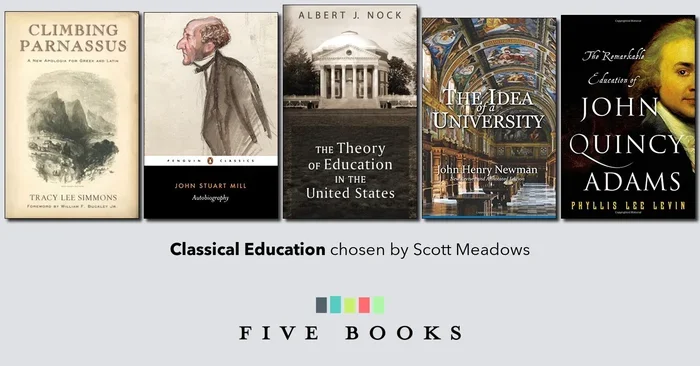
Classical education is a time-tested approach that builds wisdom through the trivium and great books. It focuses on teaching students how to think, not just what to think. This method cultivates virtue, curiosity, and a lifelong love of learning.
Classical education is a time-tested approach to learning that has shaped minds for centuries. It is not just an old-fashioned method; it is a proven system that teaches students how to think deeply and argue clearly. Rooted in the trivium—grammar, logic, and rhetoric—this model builds a strong foundation of knowledge and wisdom. Through great books and the humanities, students encounter ideas that have shaped civilization. In this article, you will discover what classical education is, how it works, and why it still matters today.
You might wonder why a teaching method from ancient Greece and Rome still holds power today. The answer lies in its focus on critical thinking and virtue. Modern education often emphasizes memorization and test scores. Classical education, by contrast, aims to form the whole person.
Key Takeaways
- Classical education follows the trivium: grammar, logic, and rhetoric stages.
- Great books and the humanities form the core of the curriculum.
- Socratic questioning trains students to think critically and argue well.
- Classical homeschooling and classical schools both offer proven paths.
- Wisdom and virtue are the ultimate goals, not just test scores.
📑 Table of Contents
What Is Classical Education?
At its core, classical education is a model that divides learning into three stages. These stages mirror a child’s natural cognitive development. The trivium—a Latin word meaning “three roads”—guides the entire process. Each stage builds on the previous one, creating a cohesive classical curriculum that spans history, literature, science, and mathematics.
The Grammar Stage
Young children in the grammar stage (ages roughly 6–12) soak up facts like sponges. They memorize songs, chants, and basic rules of language and math. This stage lays the foundation for all future learning. Students absorb the building blocks of literature, history, and science. They also begin Latin and Greek roots, which will pay off for years.
The Logic Stage
Around age 12, students enter the logic stage (or dialectic stage). They begin to question, analyze, and understand cause and effect. This is when they learn formal logic and how to spot a flawed argument. The Socratic method shines here, as teachers ask probing questions instead of giving answers. Students learn to dialectic—that is, to reason well through debate and discussion.
The Rhetoric Stage
The final stage, the rhetoric stage (ages 14–18), focuses on expression. Students learn to write and speak with clarity, persuasion, and elegance. They defend their ideas through debates and essays. This stage prepares them for higher education and lifelong communication. Composition and rhetoric become tools of leadership.
Why Classical Education Still Matters Today
In an age of short attention spans and endless distractions, classical education offers a countercultural anchor. It teaches students to slow down, read deeply, and think independently. The paideia approach—educating for wisdom—addresses the whole child, not just the intellect.
Building Virtue and Character
Classical education does not separate learning from moral formation. Students study heroes and villains from history and literature. They discuss what it means to live a virtuous life. This focus on wisdom and virtue shapes citizens, not just workers. The classical Christian education tradition, in particular, weaves faith into every subject.
Fostering a Love of Learning
Because classical education follows a child’s natural curiosity, it cultivates a lifelong love of learning. Students are not just preparing for a test. They are learning how to learn. This classical approach produces self-motivated, curious adults who never stop growing.
Quick Tips for Success
- Read aloud together every day, even with older students.
- Use narration—ask your child to retell what they learned in their own words.
- Keep a commonplace book where students copy beautiful quotes and passages.
- Study Latin for at least two years to build a strong foundation.
- Visit museums, historical sites, and performances to bring the humanities to life.
The Role of Great Books and the Humanities
No discussion of classical education is complete without mentioning the great books. These are the original sources of Western thought—from Homer and Plato to Shakespeare and Austen. Students read these texts directly, not watered-down summaries. They wrestle with the same ideas that shaped ancient Greece and Roman education.
When students read the great books, they learn to spot a simile that paints a vivid picture. They grasp a metaphor that deepens meaning. They understand an idiom that reveals cultural wisdom. These figurative language skills transfer to all areas of reading comprehension and communication.
The humanities—including history, literature, philosophy, and languages—form the backbone of the curriculum. Students also study Latin and Greek to unlock the roots of English and sharpen their analytical skills. Mathematics and science are not neglected; they are taught as part of a unified quest for truth and order. This liberal arts vision treats knowledge as a connected whole.
Classical Education vs. Modern Education
How does classical education differ from the modern standard model? The table below highlights key differences.
| Aspect | Classical Education | Modern Education |
|---|---|---|
| Goal | Wisdom and virtue | College and career readiness |
| Method | Trivium stages | Standardized grade levels |
| Content | Great books and primary sources | Textbooks and standardized curricula |
| Teaching Style | Socratic dialogue and narration | Lecture and test-driven instruction |
| Focus | Critical thinking and rhetoric | Memorization and test scores |
Modern education often treats students as empty vessels to be filled with facts. Classical education treats them as thinking beings capable of wrestling with big ideas. The classical approach produces students who can adapt, analyze, and articulate. They leave school not just with knowledge, but with the tools to use it.
How to Get Started with Classical Education
Whether you homeschool or supplement a traditional school, you can adopt classical education principles. Here are practical steps.
Start with the Trivium
Assess where your child is developmentally. If they love memorizing facts, lean into the grammar stage. If they start asking “why?” constantly, introduce the logic stage. For teens, focus on rhetoric and expression. You do not need to switch everything overnight; you can phase it in gradually.
Build a Home Library
Collect great books—both primary sources and living books. Include fables, myths, and classic novels. A rich home library supports classical homeschooling beautifully. Look for editions with good introductions and notes.
Use a Classical Curriculum
Many publishers offer classical curriculum guides that map out readings and lessons. Programs like Veritas Press, Classical Conversations, and The Well-Trained Mind provide structure. You can also design your own using Dorothy Sayers‘ essay “The Lost Tools of Learning” as a guide.
Embrace the Socratic Method
Instead of giving answers, ask questions. “What do you think this character was feeling?” “Why do you think the author chose that word?” This Socratic questioning builds critical thinking and dialectic skills. It turns every meal into a classroom.
Join a Community
Classical schools and co-ops offer group classes and accountability. Even if you homeschool solo, connecting with other classical education families provides support and peer discussion. Learning together keeps motivation high.
Common Mistakes to Avoid
Even well-meaning parents can stumble. Watch out for these common mistakes.
- Skipping the grammar stage: Pushing logic too early leaves gaps. Young children need facts and memorization.
- Treating it as rigid: Classical education is a framework, not a straitjacket. Flexibility is key.
- Neglecting the rhetoric stage: Teens need to practice speaking and writing, not just absorb.
- Ignoring Latin and Greek: These languages are powerful tools, but you can start with basics and grow.
- Focusing only on the past: Classical education includes modern works and science. It is not just about ancient Greece.
Expert Insights
Dorothy Sayers, the 20th-century writer who revived interest in the trivium, argued that modern education fails to teach children “how to learn.” Her essay “The Lost Tools of Learning” remains a cornerstone of the classical education movement. Similarly, Charlotte Mason emphasized narration, living books, and habit formation—principles that align beautifully with classical ideals.
According to classical education advocates, the goal is paideia—the formation of the whole person. This goes beyond academic achievement. It shapes character, wisdom, and a sense of purpose. The pedagogy of the ancients still speaks powerfully to our modern challenges.
Conclusion
Classical education is more than a nostalgic look backward. It is a vibrant, proven approach that equips students for the complexities of modern life. By mastering the trivium, engaging with great books, and cultivating wisdom and virtue, students gain tools that never become outdated. Whether you choose full classical homeschooling or simply adopt a few principles, this model offers a path to deep, lasting learning. Start small, stay consistent, and watch your child grow into a thoughtful, articulate, and virtuous lifelong learner.
Frequently Asked Questions
What age is classical education for?
Classical education works for all ages, from early childhood through high school. The trivium stages naturally align with developmental phases, so you can start at any point and adapt the approach.
Is classical education only for homeschoolers?
No. While many families use it for classical homeschooling, there are also classical schools and hybrid programs. Some traditional schools incorporate classical elements too.
Do I need to teach Latin?
Latin is highly recommended because it builds vocabulary and understanding of English grammar. However, you can start with basic exposure and gradually increase. Even a little Latin goes a long way.
How is classical education different from unschooling?
Unschooling follows the child’s interests without a set curriculum. Classical education provides a structured framework—the trivium—while still allowing flexibility and rich, living books.
Can classical education prepare students for college?
Absolutely. The emphasis on critical thinking, writing, and rhetoric gives students a strong advantage in college. Many classical graduates excel in higher education and beyond.
What if my child struggles with the logic stage?
The logic stage can be challenging for some children. You can slow down, use more concrete examples, and incorporate hands-on activities. Classical education is a marathon, not a sprint.


