
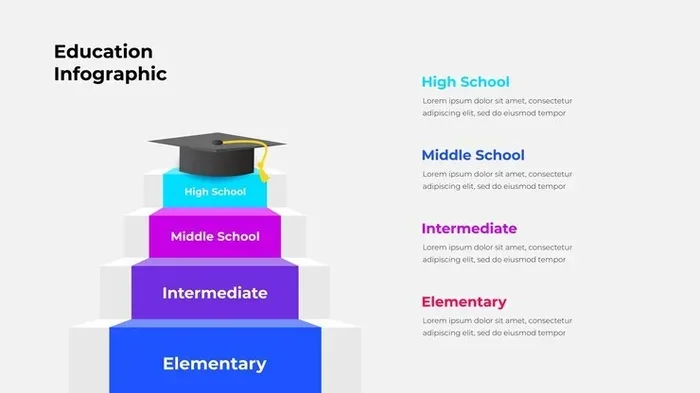
The 4 levels of education include primary (elementary), secondary (middle and high school), postsecondary (college and university), and graduate or professional education. Each level builds on the last, helping you grow academically and professionally. Understanding these stages helps you plan your learning pathway and career goals with confidence.
Key Takeaways
- Primary education lays the foundation for reading, writing, and basic math skills that support all future learning.
- Secondary education deepens your knowledge and prepares you for either the workforce or further studies.
- Postsecondary education opens doors to specialized careers and higher earning potential.
- Graduate and professional education allows you to master a specific field and advance your career even further.
- Each level of the education system serves a unique purpose and connects to the next stage in your educational journey.
- Knowing the 4 levels of education helps you make smarter decisions about your academic pathway and future goals.
📑 Table of Contents
- What Are the 4 Levels of Education and Why They Matter
- Level 1: Primary Education (Elementary School)
- Level 2: Secondary Education (Middle and High School)
- Level 3: Postsecondary Education (College and Beyond)
- Level 4: Graduate and Professional Education
- How the 4 Levels of Education Connect to Your Career
- Common Mistakes People Make When Thinking About Education Levels
- Expert Insights on Educational Progression
- Final Thoughts: Embracing Your Educational Journey
- FAQs
What Are the 4 Levels of Education and Why They Matter
Education shapes who we are. It gives us tools to think, solve problems, and build better lives. The 4 levels of education form a clear path from early childhood all the way to advanced expertise. Each stage has its own purpose, its own challenges, and its own rewards.
Whether you are a student planning your next steps or a parent helping your child learn, knowing these levels matters. It helps you understand where you are and where you can go. Let us walk through each of the 4 levels of education and see what they really mean.
The education system in most countries follows a similar structure. You start with basic skills, then move toward more complex ideas. This academic progression is designed to build knowledge step by step. No level is more important than the others. Each one plays a key role in your educational journey.
Level 1: Primary Education (Elementary School)
Primary education is the first official stage of formal learning. In the United States, this usually covers kindergarten through fifth or sixth grade. Kids typically start at age 5 or 6 and finish around age 11 or 12. This stage is all about building a strong foundation.
What Kids Learn in Primary School
During these early schooling years, students focus on core skills. They learn to read, write, and do basic math. They also explore science, social studies, art, and physical activity. These subjects introduce children to the world around them.
Primary school is not just about academics. Kids also learn social skills. They figure out how to share, cooperate, and follow rules. These foundational learning experiences shape how they approach school for the rest of their lives.
Why Primary Education Is So Important
Research shows that early educational attainment sets the tone for future success. Children who read well by third grade are far more likely to thrive in later grades. Primary education gives every child a fair start, no matter their background.
This is the stage where curiosity really takes root. Kids ask big questions. They want to understand how things work. Good teachers nurture that wonder and turn it into a love of learning that lasts a lifetime.
Quick Tip: If you have a young child at home, read with them every day. Even 15 minutes of reading together builds vocabulary, comprehension, and a strong bond. This simple habit supports everything they will learn in primary school.
Level 2: Secondary Education (Middle and High School)
Secondary education is the second of the 4 levels of education. It usually covers two stages: middle school (grades 6 through 8) and high school (grades 9 through 12). Students typically enter secondary school around age 11 and graduate by age 17 or 18.
Middle School: The Bridge Years
Middle school connects the basics of primary education with the challenges of high school. Students switch between classes and teachers. They start to explore more subjects like algebra, earth science, and foreign languages. This stage helps kids develop independence and organizational skills.
It is also a time of big social changes. Preteens and young teens navigate friendships, identity, and emotions. Good educational pathways during middle school set students up for a smoother transition into high school.
High School: Preparing for the Future
High school is where students start thinking about their future. They choose elective courses that match their interests. Some take advanced placement (AP) classes or join career and technical education programs. Earning a high school diploma is a major educational milestone.
High school also introduces students to extracurricular activities. Sports, clubs, and volunteer work teach teamwork and leadership. These experiences matter just as much as classroom learning when it comes to personal growth.
For many families, secondary education is where the education and higher earnings connection starts to become clear. Studies consistently show that students who complete high school have better job prospects and higher incomes over their lifetimes.
Quick Tip: If you are in high school, try to take at least one challenging course each year. It does not have to be AP level. Pushing yourself academically builds confidence and prepares you for what comes next.
Level 3: Postsecondary Education (College and Beyond)
Postsecondary education is the third level in the 4 levels of education. This is where students pursue learning beyond high school. The term covers a wide range of options, from community colleges to four-year universities and vocational schools.
What Is Postsecondary Education?
Postsecondary education includes any formal learning that happens after high school graduation. It leads to certificates, associate degrees, bachelor’s degrees, and more. This level gives students the chance to specialize in a field they are passionate about.
Not everyone follows the same path. Some students go straight to a college degree program. Others enter the workforce first and return to school later. Some pursue professional certification programs that prepare them for specific careers like plumbing, nursing, or IT support. All of these count as postsecondary education.
The Benefits of Going Beyond High School
Data from the Bureau of Labor Statistics shows a clear trend. Workers with higher education levels tend to earn more and face lower unemployment rates. The education and higher earnings link is one of the strongest in any field.
Beyond money, postsecondary education opens doors. It exposes you to new ideas, diverse people, and real-world experiences. College campuses offer internships, research opportunities, and networking connections that are hard to find elsewhere.
However, postsecondary education is not the only path to success. Many skilled trades and technical careers offer excellent pay and job security without a four-year degree. The key is finding the right educational pathway for your goals and interests.
Types of Postsecondary Programs
- Community colleges offer affordable two-year associate degrees and certificates.
- Four-year universities grant bachelor’s degrees in a wide range of fields.
- Vocational and trade schools provide hands-on training for specific careers.
- Apprenticeship programs combine classroom learning with paid on-the-job training.
- Online programs offer flexible options for working adults and non-traditional students.
Quick Tip: Before choosing a postsecondary path, talk to people already working in fields you like. Ask them what education or training they needed. Real-world advice can save you time and money.
Level 4: Graduate and Professional Education
The fourth and final level of the 4 levels of education is graduate and professional education. This stage is all about deep specialization. It is where people who already hold a bachelor’s degree go to master a specific field or enter a licensed profession.
What Does Graduate Education Involve?
Graduate programs include master’s degrees and doctoral degrees. A master’s program typically takes one to three years of full-time study. It allows students to dive deep into a subject and develop advanced expertise. Common master’s degrees include the MBA, MA, MS, and MFA.
Doctoral programs are the most advanced form of formal education. A PhD can take four to seven years or more. It involves original research, writing a dissertation, and defending your work before a panel of experts. Professional doctorates like the MD (Doctor of Medicine) or JD (Juris Doctor) prepare students for licensed careers in healthcare and law.
Who Should Pursue Graduate Education?
Graduate school is not for everyone, and that is okay. It makes the most sense for people who want to work in research, academia, medicine, law, or high-level leadership roles. If you want to be a university professor, a surgeon, or a senior researcher, graduate education is usually required.
For others, advanced studies might mean professional certifications, continuing education courses, or short-term training programs. These options also build skills and boost your career without the time commitment of a full degree program.
The learning stages do not have to end after graduate school. Many professionals return to school throughout their careers to stay current in their fields. This idea connects closely to the concept of lifelong learning, where education continues well beyond any diploma.
How the 4 Levels of Education Connect to Your Career
Each level of education builds on the one before it. Think of it like climbing a ladder. Primary education gives you the first rung. Secondary education adds strength and stability. Postsecondary education lifts you higher. Graduate education helps you reach the top.
Of course, not everyone climbs every rung. Many successful people have thriving careers with just a high school diploma or a trade certificate. The 4 levels of education are not a strict requirement for everyone. They are a framework, a map of possibilities.
What matters most is finding the right level for your goals. If you want to be a nurse, you might stop at a postsecondary certificate or associate degree. If you want to be a lawyer, you will need to go all the way to a professional doctorate. The path depends on your dream job and your personal interests.
Understanding the education system also helps you support others. Parents, mentors, and teachers can guide young people more effectively when they understand how the levels connect. You can help someone choose the right academic pathway at every stage.
One more thing worth noting: the value of education goes beyond money. It shapes how you think, how you communicate, and how you understand the world. Why education is important is a question with many answers, and each of the four levels contributes to the full picture.
Common Mistakes People Make When Thinking About Education Levels
It is easy to fall into traps when thinking about the 4 levels of education. Here are a few mistakes to avoid.
- Thinking college is the only option. Trade schools, apprenticeships, and certification programs are all valid and valuable paths.
- Skipping primary education basics. Strong reading and math skills in elementary school make everything else easier later on.
- Rushing through secondary school. Taking your time to explore interests in middle and high school pays off in the long run.
- Assuming graduate school is always better. A master’s or PhD is powerful for some careers but unnecessary for many others. Choose based on your goals, not pressure.
- Ignoring lifelong learning. Education does not end with a diploma. The best professionals keep learning throughout their careers.
Expert Insights on Educational Progression
Educators and career advisors agree on one thing: the 4 levels of education work best when students understand the bigger picture. When young people see how each stage connects to their future, they stay more engaged and motivated.
“The most successful students are the ones who see education as a journey, not a race,” says Dr. Maria Thompson, an education advisor with over 20 years of experience. “Every level has value. The goal is to find the right fit for each individual.”
Another expert, career counselor James Rivera, adds that parents play a huge role. “When families talk openly about education options early on, kids make better decisions. They feel less pressure and more excitement about what comes next.”
These insights remind us that the 4 levels of education are not just boxes to check. They are opportunities to grow, explore, and prepare for a fulfilling life and career.
Final Thoughts: Embracing Your Educational Journey
The 4 levels of education give us a clear roadmap from childhood curiosity to adult expertise. Primary education builds the foundation. Secondary education expands your horizons. Postsecondary education opens career doors. Graduate and professional education helps you reach the top of your field.
Every learner’s path looks different. That is perfectly fine. What matters is that you keep moving forward. Whether you are just starting primary school or thinking about going back for a graduate degree, each step counts.
Take time to understand where you are on the education system ladder. Set goals for the next level. And remember that learning never truly stops. The 4 levels of education are just the beginning of a lifelong adventure in knowledge and growth.
If you want to learn more about how education connects to your career and future earnings, check out our guide on how education and higher earnings are related. It is a great next step for anyone thinking about their educational pathway.
For more information about the different forms of learning beyond high school, also explore our article on what is postsecondary education and what is higher education. These resources can help you make informed decisions at every stage.
Finally, if you are curious about the bigger picture of learning at any age, our piece on what is lifelong education dives deep into how education continues long after graduation day.
FAQs
What are the 4 levels of education in the United States?
The 4 levels of education in the U.S. are primary education (elementary school), secondary education (middle and high school), postsecondary education (college or trade school), and graduate or professional education (master’s, doctoral, or professional degrees). Each level builds on the skills and knowledge from the one before it.
Can you skip a level of education?
Technically, yes. Some people enter the workforce right after high school or earn a trade certificate without a bachelor’s degree. However, skipping levels can limit certain career options. Each level of the education system is designed to prepare you for the next stage, so following the natural progression gives you the most flexibility.
Is postsecondary education the same as college?
Postsecondary education is a broader term that includes college but also covers trade schools, community colleges, vocational programs, and certification courses. Any learning after high school counts as postsecondary education, whether it leads to a degree or a professional certificate.
Do you need graduate education to earn a high salary?
Not always. Many high-paying careers require only a bachelor’s degree or a trade certification. However, fields like medicine, law, academia, and engineering often require graduate degrees. The education and higher earnings connection is strong, but the type of education that matters most depends on your career choice.
What is the difference between a master’s degree and a doctoral degree?
A master’s degree usually takes one to three years and focuses on advanced knowledge in a specific field. A doctoral degree takes longer, often four to seven years, and requires original research and a dissertation. Doctoral degrees represent the highest level of formal education in most fields.
Why does understanding the 4 levels of education matter?
Understanding the 4 levels of education helps you plan your learning pathway and career goals. It gives you a clear picture of what each stage offers and how it connects to your future. When you know the landscape, you can make better decisions about which level is right for you at any point in your educational journey.


